

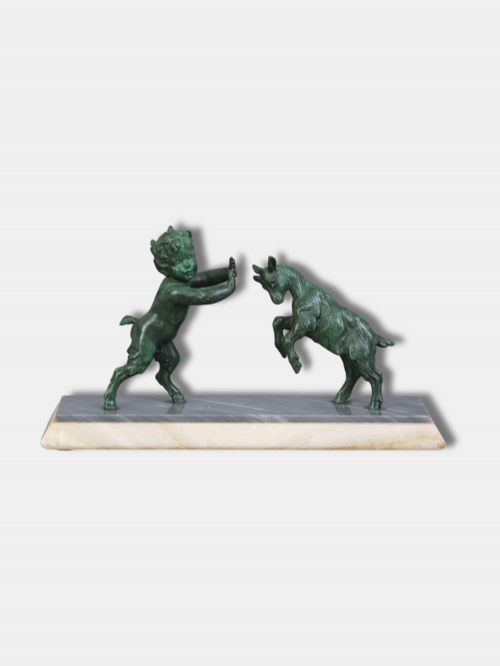
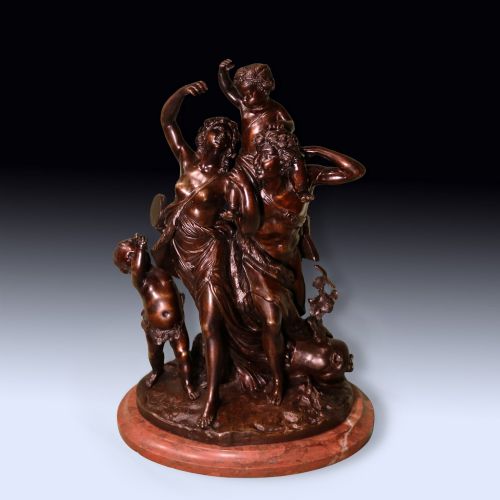
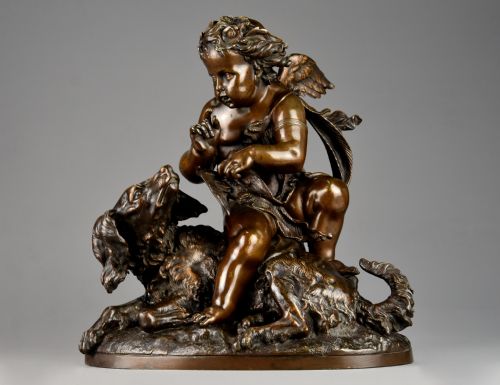


Antique Bronze Sculpture Group
These multi-figure compositions portray human, animal or mythological subjects together, representing an antique bronze sculpture group.
Antique Bronze Sculpture Group
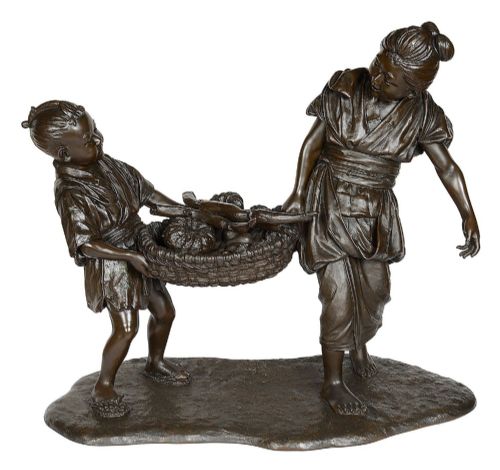
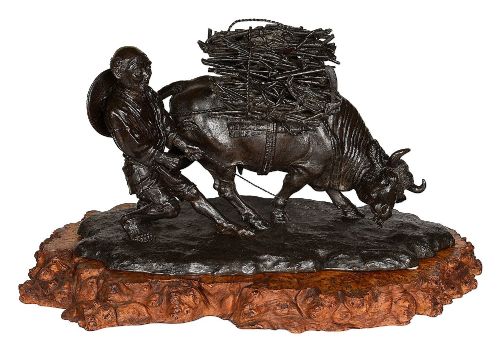
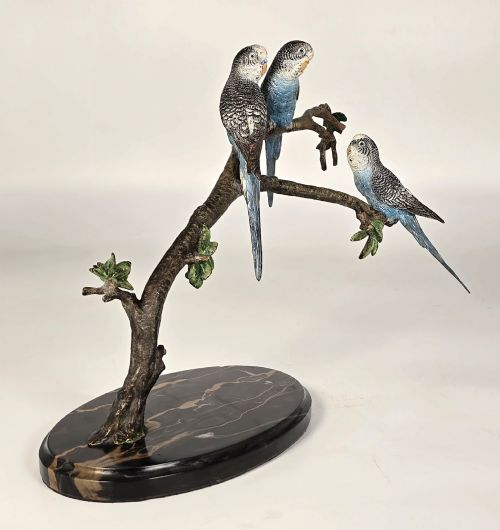
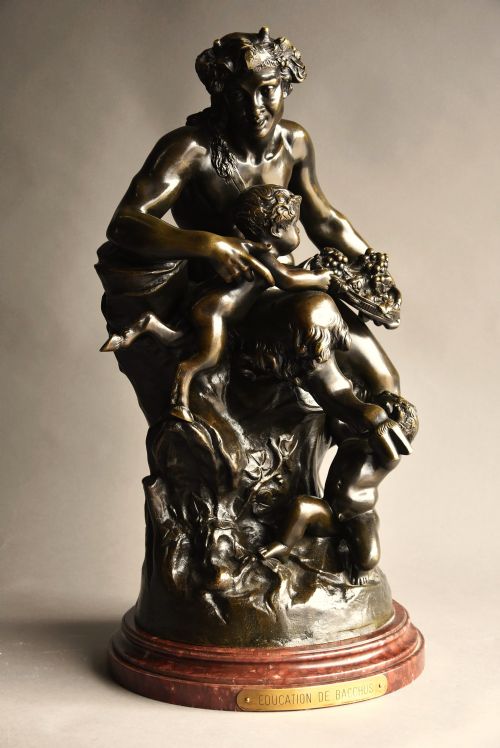
An antique bronze sculpture group brings together multiple figures in a single narrative, featuring human figures, animals, or mythological subjects interacting. When exploring this search phrase, buyers encounter varied cultural traditions, most notably nineteenth-century French animalier and mythological works alongside Japanese Meiji period artisan bronzes. These pieces range from intimate tabletop studies to substantial sculptural groups resting on marble or onyx bases.
French nineteenth-century pieces frequently draw on classical mythology, pastoral scenes, or dynamic animal encounters by celebrated founders and modellers. Japanese Meiji period examples showcase intricate metallurgy, combining bronze and shakudo to depict animals, woodcutters, and familial scenes with meticulous detail. Art Deco variants introduce streamlined spelter groups depicting dancers, hunters, and deer from the twentieth century.
Distinctions in craftsmanship and design
Quality rests in the crispness of the chasing and finishing work executed after the metal cools from the mould. Superior examples retain sharp facial expressions, clean feather or fur texturing, and well-concealed joinery where multiple cast figures meet.
The artistic vision and reputation of the modeller dictate the desirability of the piece, particularly when bearing the signature of established nineteenth-century sculptors. Softer details, blurred casting seams, and simplified undercutting indicate lower production tiers where subsequent generations of casts lost the vigour of the original model.
Listings feature nineteenth-century French animalier studies, Japanese Meiji period okimono groups, and twentieth-century Art Deco dancer compositions.
Claude Michel Clodion·Emile Carlier·Jomi Eisuke·Kaniya Kuniharu·Auguste Moreau·Auguste Nicholas Cain·G. Gardet·P J Mene·Carl Kauba·Charles Cumberworth·John Willis Good
The Antique Bronze Sculpture Group Glossary
- Animalier
- A nineteenth-century artistic movement focused on the realistic depiction of animals, particularly in motion or combat. Sculptors in this tradition studied anatomy extensively at menageries.
- Patina
- The surface coloration and texture developed naturally over time or applied chemically by the foundry. This finish protects the metal and enhances the visual depth of the sculpture.
- Spelter
- A zinc alloy commonly utilised as an economical alternative to bronze during the Art Deco period. It accepts patination and metallic paint finishes well, though it is softer and lighter than true bronze.
- Shakudo
- A Japanese traditional Billon alloy of copper and gold treated to produce a deep blue-black patina. Artisans applied this material selectively to highlight specific elements within complex Japanese metalwork groups.
- Lost-wax casting
- A historic method where a wax model is encased in clay or refractory material, melted out, and replaced with molten bronze. This technique allows for supreme fidelity to intricate sculptural details.
Antique Bronze Sculpture Group: Frequently Asked Questions
How do I distinguish bronze from spelter?
Bronze is heavier, colder to the touch, and rings with a distinct resonant tone when lightly struck. Spelter is a softer zinc alloy that feels lighter and may show a greyish or pitted metal beneath worn patination.
Examining the underside or areas of friction often reveals the underlying metal colour. Spelter also bends more easily under pressure than rigid bronze.
What is an animalier sculpture group?
An animalier sculpture group depicts animals behaving naturally, often engaged in predation, play, or combat. These works gained immense popularity in nineteenth-century France through the anatomical studies of specialised sculptors.
Artists aimed to capture raw movement and tension rather than idealised allegorical themes. Collectors prize these dynamic scenes for their observational accuracy.
Why do some pieces have marble bases?
Marble or onyx bases provide structural stability for heavy metal compositions and elevate the artwork visually. They counterbalance cantilevered figures and protect the undersides from abrasion.
Many nineteenth-century French and Grand Tour pieces were cast with integral plinths tailored to the footprint of the figures. The stone type often helps date the manufacture of the mounting.
How should I clean an antique bronze?
Dust the sculpture gently with a soft, dry brush to remove particulate matter without disturbing the historic surface. Avoid using chemical polishes, abrasives, or water, as these agents strip away the patination.
Microcrystalline wax can be applied very sparingly by experienced collectors to protect the metal from moisture. When in doubt, leave the natural accumulation of age undisturbed.