
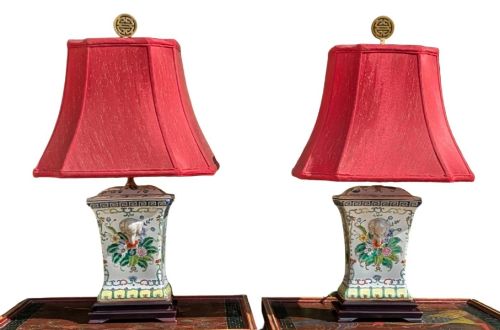
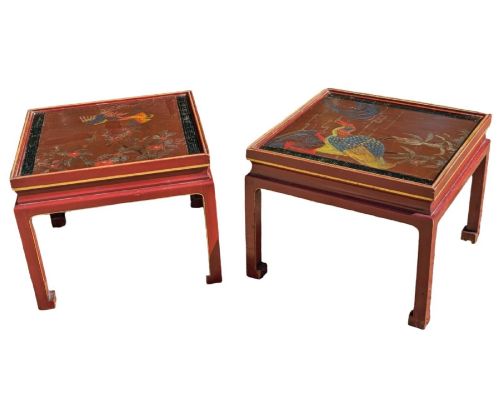
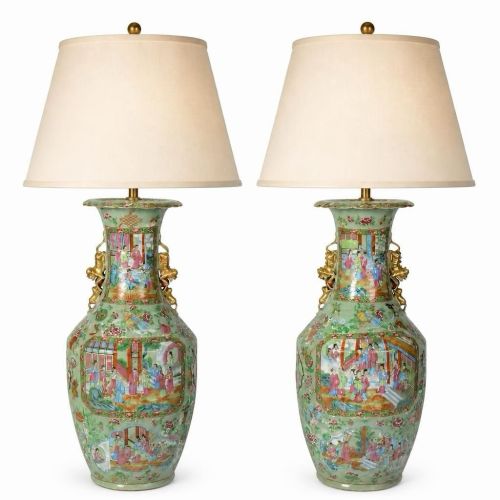
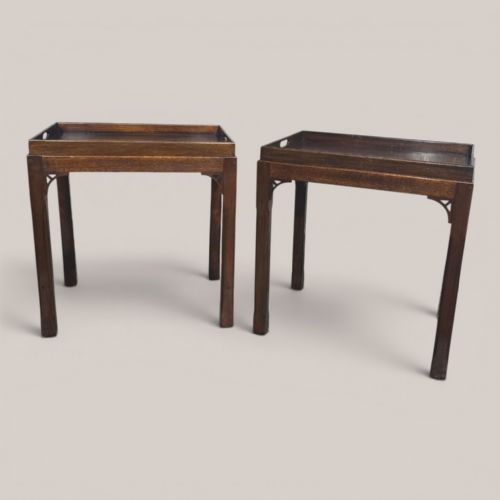




Pair Chinese Tables
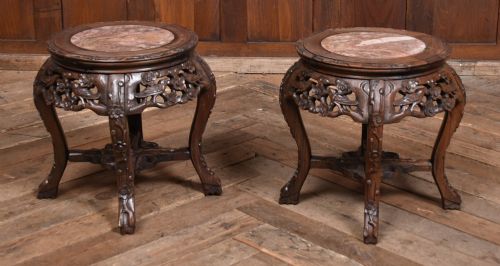
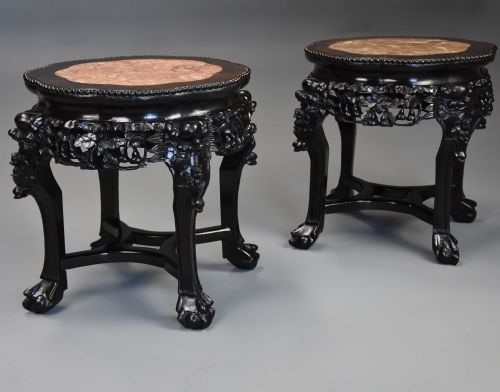
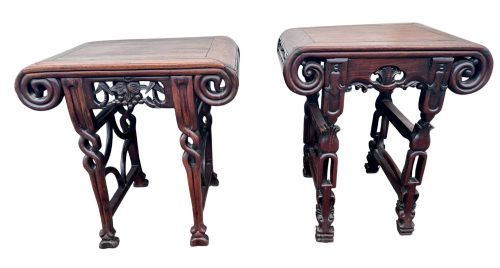
Pair Chinese tables bring symmetry to a room through carved hardwoods, marble insets, and lacquer finishes originating from the Qing Dynasty and later periods.
Pair Chinese Tables
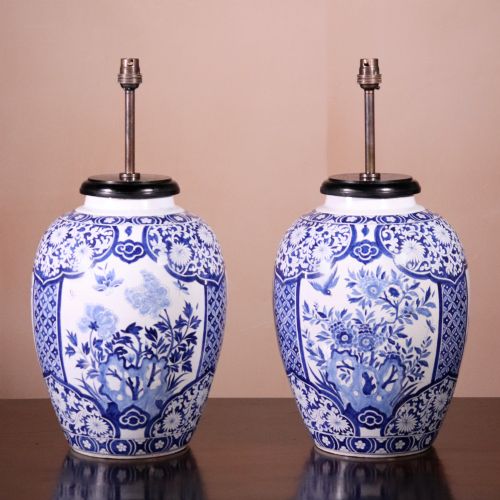
When searching for pair chinese tables, a buyer encounters matching dual items intended for decorative and functional placement in domestic interiors. These pieces encompass side tables, lamp stands, low plant holders, and occasional surfaces designed to balance a room.
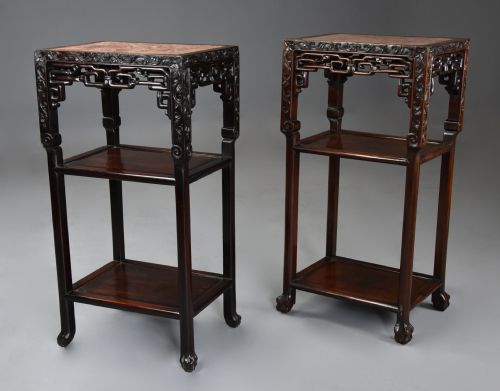
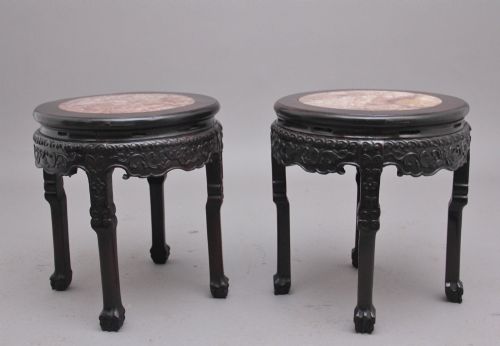
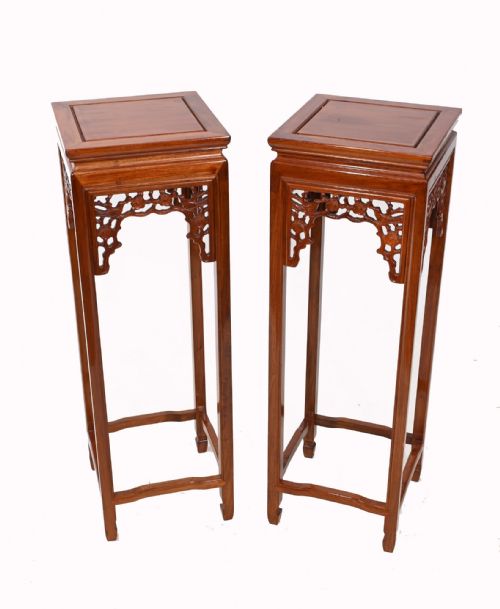
The selections available here span from the 18th century through the early 20th century, capturing Qing Dynasty outputs alongside later adaptations. Hardwood low tables set with marble panels and carved plant stands appear frequently among the listings.
Origins trace between traditional Chinese workshops utilising native timbers and Western-influenced interpretations incorporating Chinoiserie aesthetics. Both indigenous forms and export variants cater to collectors seeking matched dual furniture.
Materials and construction methods
Carpenters constructed the primary frames from dense Asian hardwoods including hongmu, huali, huanghuali, and elm, often joined through traditional mortise and tenon techniques without metal fixings.
Many surfaces integrate inset panels of white or rouge marble, porcelain, and burl wood, while others employ layers of red or black lacquer applied over wood bases.
Decorative embellishments rely on intricate hand-carving depicting floral motifs, geometric borders, and figural scenes, occasionally supplemented by bone, mother-of-pearl, or brass mounts.
Some tables double as sneaky resting spots for pots, proving ancestors also struggled to keep houseplants alive.
Evaluating the craftsmanship
The density and selection of the timber dictate baseline quality, with dense native rosewoods and huanghuali holding greater structural integrity than softer woods.
The precision of the joinery and the depth of the hand-carving separate standard utility items from higher-grade artisan commissions. Crisp detailing in floral reliefs and perfectly fitted marble or porcelain inserts indicate superior workshop standards.
Condition of the original lacquer, stability of the frame joints, and the degree of matching between the two items influence the overall desirability of the set.
The Pair Chinese Tables Glossary
- Hongmu
- A dense, dark tropical hardwood traditionally used in fine Chinese furniture construction. It translates literally to red wood and patinates richly over time.
- Huali
- A fragrant hardwood prized by Chinese cabinetmakers for its variegated grain patterns. It belongs to the rosewood family and resists warping.
- Demilune
- A half-moon shaped furniture design suited for placement flush against a wall. Console tables often utilise this semicircular footprint.
- Jardiniere stand
- A tall or low pedestal designed specifically to support plant pots or floral arrangements. These stands frequently feature inset marble tops to protect against moisture.
Pair Chinese Tables: Frequently Asked Questions
How do I date a pair of Chinese tables?
Dating relies on timber selection, construction methods, and stylistic markers tied to imperial reigns or stylistic eras. Earlier pieces often display dense hongmu timbers and hand-cut joinery.
Later 19th-century and 1920s examples may incorporate machine-assisted elements, differing lacquer formulations, or Western design influences alongside traditional Qing motifs.
Were these tables used as plant stands?
Many low and tall tables served explicitly as stands for heavy porcelain fishbowls, bronze vessels, or potted plants. The inclusion of inset marble tops prevented water damage from damp pots.
Alternative uses included supporting lamps, serving as bedside surfaces, or functioning as display pedestals for decorative arts.
What is the difference between huali and hongmu?
Both terms describe dense Asian hardwoods utilised in antique furniture, but they denote different species with distinct visual properties. Hongmu generally refers to heavier, very dark red woods.
Huali exhibits a slightly lighter tone with prominent, swirling grain patterns and a distinct aroma during working.
How should I care for marble-topped tables?
Marble inserts require gentle cleaning with a damp cloth and mild soap, avoiding acidic solutions that etch the polished stone surface. The surrounding hardwood benefits from occasional wax polishing to nourish the grain.
Keeping the tables away from direct heat sources prevents the timber framing from expanding and cracking the stone inserts.