


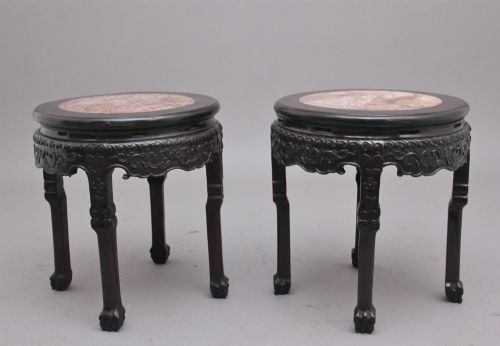


Chinese Incense Stand
A chinese incense stand provides a raised platform for burning aromatics, bringing traditional craftsmanship and sculpted form into a room.

Chinese Incense Stand
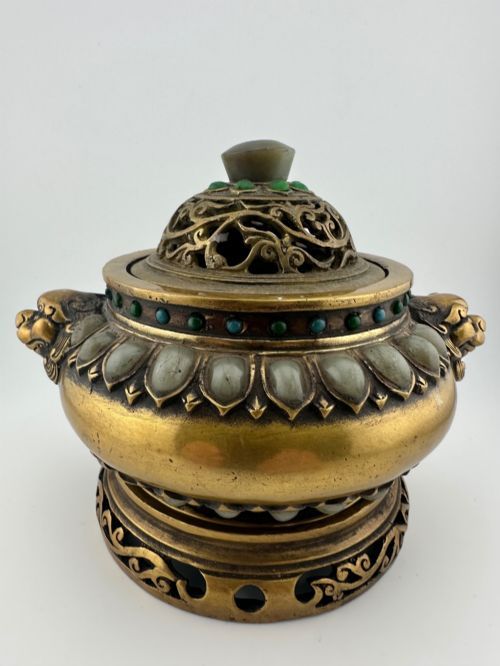
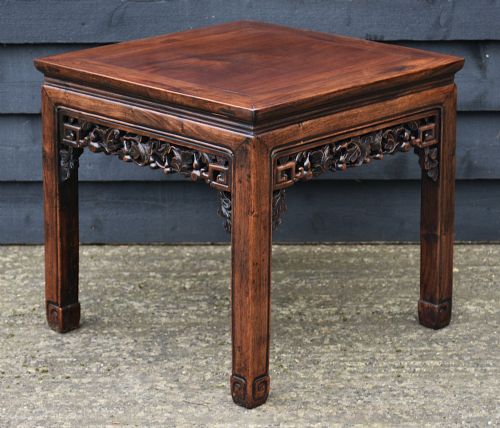
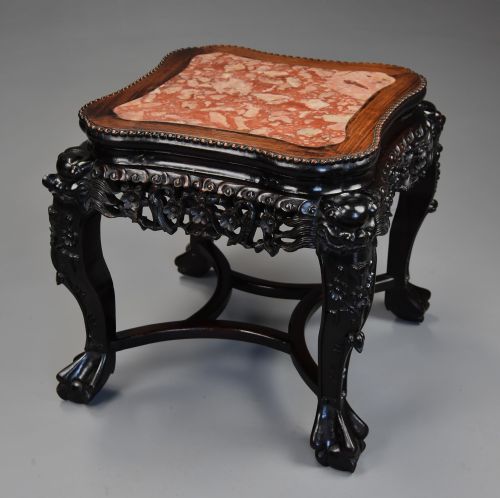
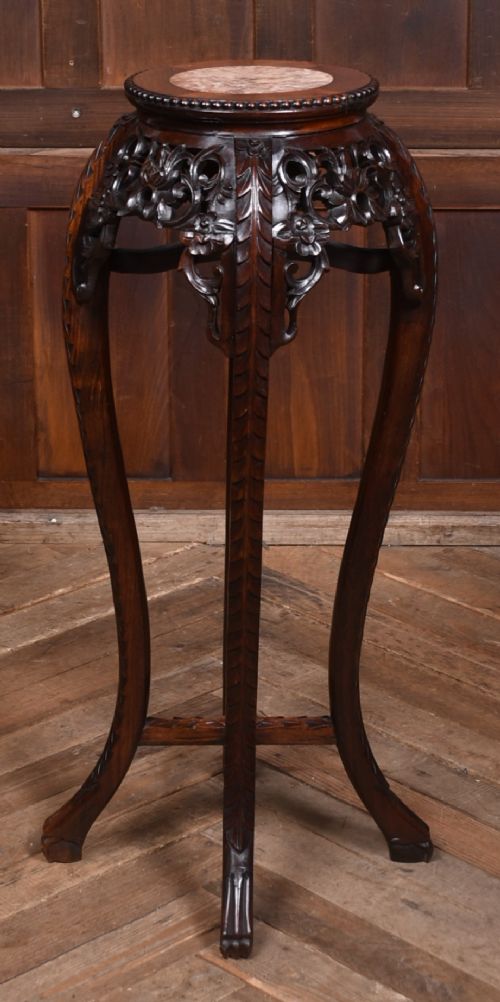
A chinese incense stand encompasses low tables, pedestals, and specific supporting bases designed for burners, censers, and vases. The selections span from the late Ming dynasty through the Qing dynasty and into the early twentieth century.
The materials reflect traditional workshops favouring durable hardwoods, inset stone, and cast bronze. These diverse forms serve both domestic interiors and scholarly spaces with distinct utilitarian and ornamental purposes.

Judging Quality
Quality rests in the crispness of the timber carving and the structural integrity of the joinery used across the frame. Superior pieces display deep, undercut relief work and retain their dense original hardwoods without structural compromise.
The integration of inset marble or hardstone panels demonstrates the maker's precision in fitting natural materials to timber. Finer examples balance weight, proportion, and surface patination harmoniously across the stand and any associated vessel.
Chinese Incense Stand Retail Price Guide 2026
Typical asking prices for chinese incense stand among the pieces listed under this phrase on Sellingantiques today, from the lower quarter to the upper quarter. They describe what is for sale here now, not the wider market.
The listings span from the sixteenth-century Ming dynasty through Qing dynasty variations, Victorian imports, and early twentieth-century examples.
The Chinese Incense Stand Glossary
- Censer
- A vessel used for burning incense. These metal or ceramic containers often rest upon dedicated wooden stands.
- Huali wood
- A prized fragrant hardwood utilised in traditional Chinese furniture. It exhibits distinct grain patterns and durable structural qualities.
- Archaistic
- A stylistic choice emulating ancient bronze or jade designs from earlier dynasties. This aesthetic appears frequently in ritual vessels and supporting bases.
- Zitan
- A dense, heavy dark timber valued in classical Chinese cabinetmaking. It takes a fine polish and appears on significant early pieces.
- Marble inset
- A polished stone panel fitted directly into the wooden top of a table or stand. This provides a cool, stable surface for display.
Chinese Incense Stand: Frequently Asked Questions
What is a chinese incense stand used for?
These pieces elevate burners, censers, and scholarly objects to a proper height for appreciation and use. They create a focal point in a room while protecting surfaces from heat and ash.
Historically, they also served as pedestals for valued vases, plants, and decorative art objects within scholar's studios and reception halls.
How do I care for hardwood stands?
Maintain the timber by keeping pieces away from direct heat sources and sudden temperature fluctuations. Regular dusting with a soft, dry cloth preserves the natural surface patination.
Avoid liquid polishes and waxes unless specifically formulated for antique exotic hardwoods. Gentle handling prevents damage to intricate carved details and delicate joinery.
How do I date a bronze censer and stand?
Dating relies on examining the casting technique, alloy composition, and decorative motifs relative to known dynastic periods. Archaistic pieces often interpret earlier forms through the lens of Qing craftsmanship.
Associated wooden stands frequently share the period characteristics of the vessel they accompany, showing consistent wear, timber selection, and construction methods.
Are marble inset tops original?
Most marble and hardstone panels are original to the piece, cut and fitted specifically for the timber frame during manufacture. The stone provides a contrasting texture and a stable, heat-resistant surface for display.
Close inspection of the rebate and surrounding wood reveals the integration between the inset panel and the structural support.