


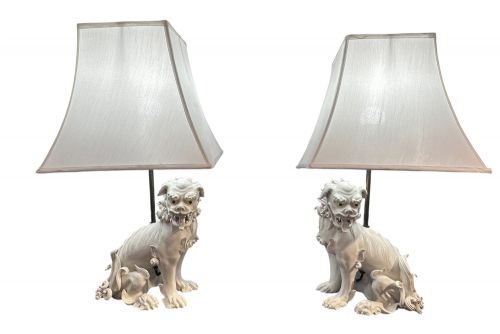

Pair Ceramic Table Lamps
These pair ceramic table lamps combine historical vessels with functional lighting, offering symmetrical proportion and hand-painted detail for interior spaces.
Pair Ceramic Table Lamps
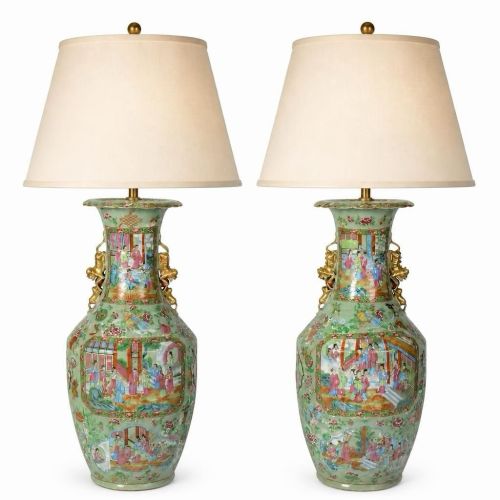
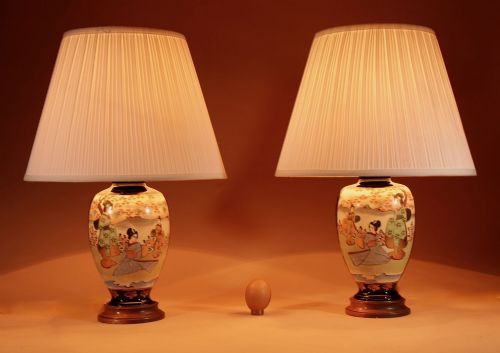
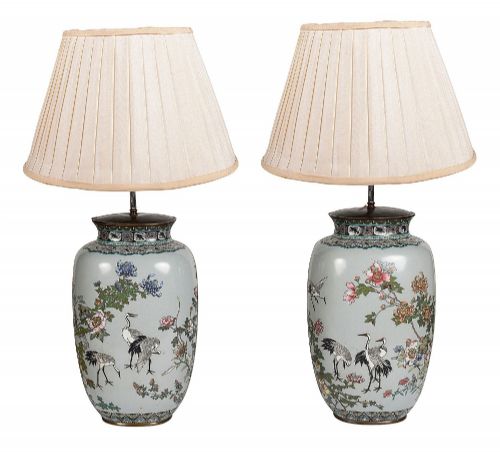
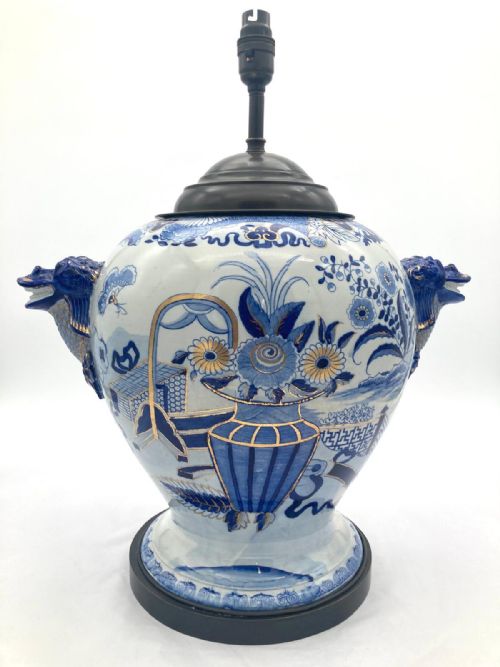
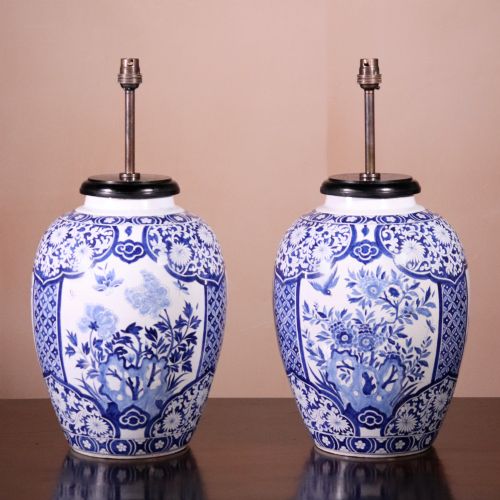
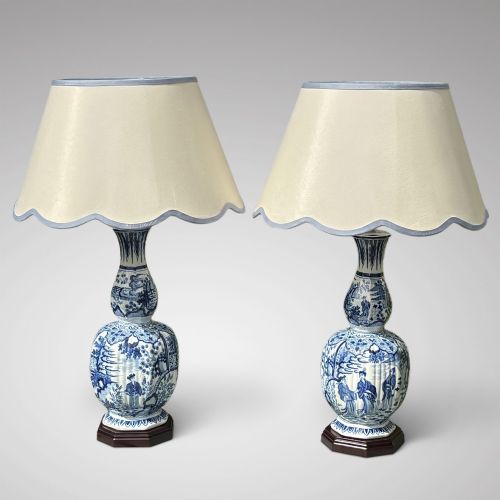
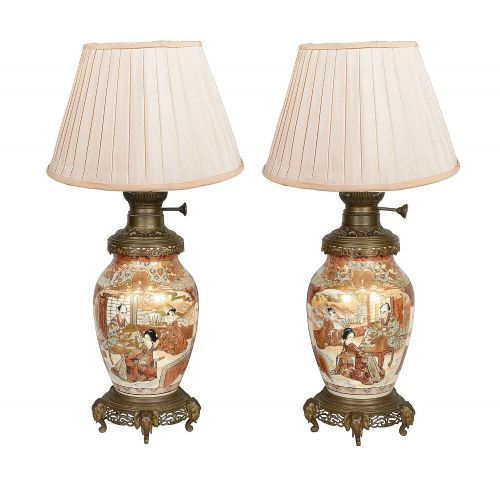
When you search for pair ceramic table lamps, you encounter converted vessels ranging from nineteenth-century Chinese export porcelain to European earthenware and Japanese satsuma pottery. These dual light fixtures typically originate from earlier ginger jars, vases, or apothecary jars adapted with electrical fittings and mounted bases.
Nineteenth-century examples dominate the selection, heavily weighted towards Chinese Canton, Famille Rose, and Japanese Meiji period ceramics. Many pieces reflect historical export trades, capturing distinct styles such as blue and white crackleware, polychrome enamels, and Delft earthenware.
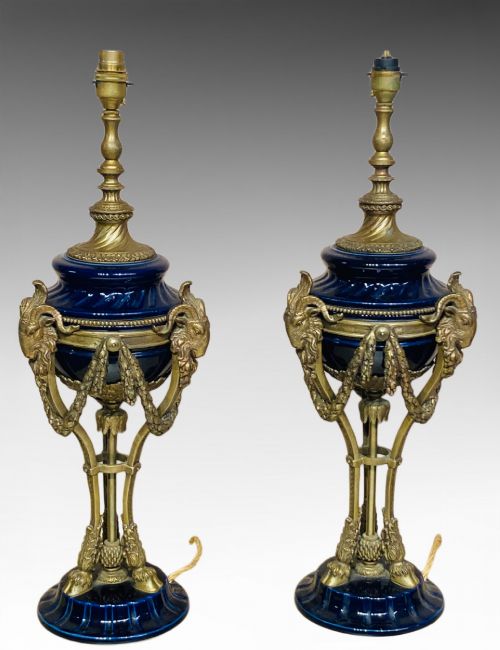
The conversion process often involves pairing the ceramic body with gilt bronze, ormolu, or brass mounts, frequently accompanied by handmade fabric or silk shades. Buyers frequently find matching pairs that retain their original hand-painted motifs and craquelure glazes from the Victorian era and early twentieth century.
Distinctions in execution and preservation
The precision and delicacy of the hand-painted brushwork dictate the visual merit of the ceramic body, separating standard export wares from finer studio output. Crisp detailing in gilt bronze mounts and well-integrated structural conversions also elevate the standard of the piece.
Condition plays a central role, particularly regarding hairline cracks in the ceramic body, restoration around drilled wiring holes, and the preservation of original enamel colours. Uniformity between the two lamps determines the visual success of the matched set.
Several fierce Foo dogs and quiet ginger jars found second careers guarding bedside tables.
Hicks and Meigh·Sitzendorf porcelain·Royal Doulton·Gien
The Pair Ceramic Table Lamps Glossary
- Famille Rose
- A major palette of Chinese ceramic enamels introduced in the Qing Dynasty, distinguished by opaque pink or rose colours.
- Satsuma
- Japanese earthenware pottery featuring a crackled ivory glaze decorated with polychrome enamel patterns and gilt highlights.
- Ormolu
- Gilt bronze ornamentation applied to mounts, bases, and decorative fixtures on nineteenth-century lamps.
- Blanc de Chine
- White porcelain produced in Dehua, China, known for its smooth milk-white glaze and lack of surface colour.
- Pâte-sur-pâte
- A ceramic decorating technique where liquid clay slip is built up in relief layers on a contrasting background body.
Pair Ceramic Table Lamps: Frequently Asked Questions
How are these lamps wired?
Most antique ceramic lamps have been converted from traditional vessels, meaning electrical wiring runs through a drilled base or internal channel. Modern fittings are usually added to accommodate standard bulbs safely.
Buyers should inspect the cord and plug to ensure the fitting complies with current electrical standards, or arrange for a professional rewire if the components appear dated.
Can I replace the lampshades?
Lampshades on antique pairs can be replaced to suit your interior, provided the fitter size matches the harp or shade carrier. Many period pieces retain custom fabric or silk shades that echo the design of the base.
When changing a shade, maintain a proportional scale between the height of the ceramic body and the width of the shade to preserve the visual balance of the pair.
How do I clean ceramic lamps?
Dust the ceramic body and mounts regularly with a soft, dry cloth to prevent grime accumulation on textured glazes or gilt bronze. Avoid abrasive cleaning agents that might damage delicate overglaze enamels or ormolu surfaces.
Take care around hand-painted details and gilt highlights, as harsh chemicals or excessive moisture can cause permanent fading or surface wear.