
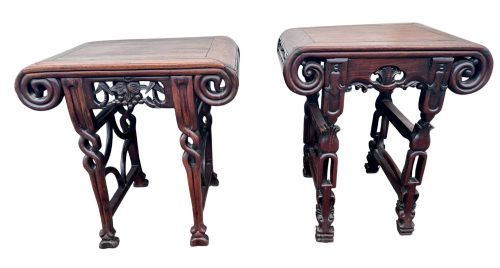


Pair Carved Wooden Stools
Pair carved wooden stools bring substantial character to a room, offering functional seating or surfaces shaped by centuries of craftsmanship.

Pair Carved Wooden Stools
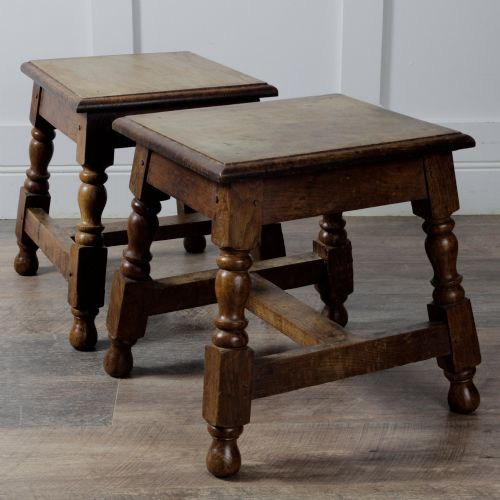
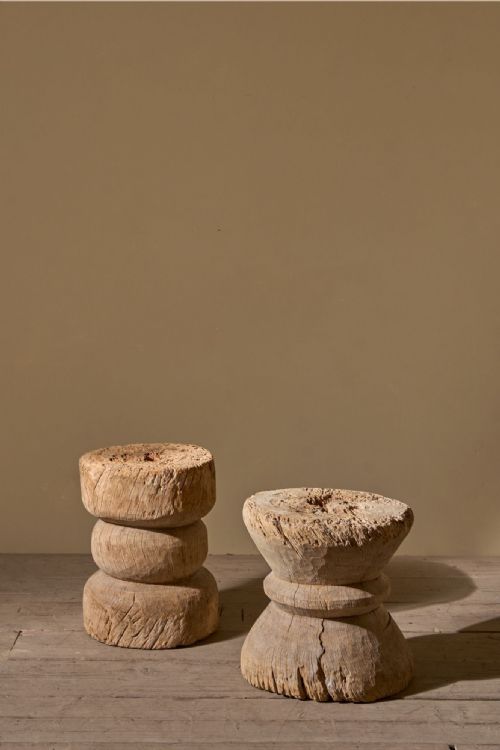
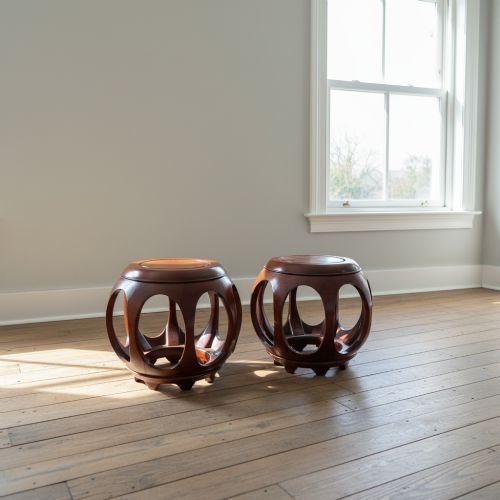
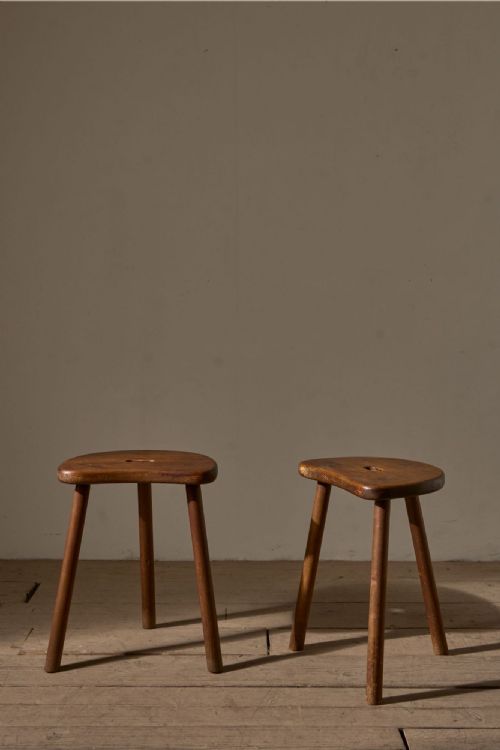
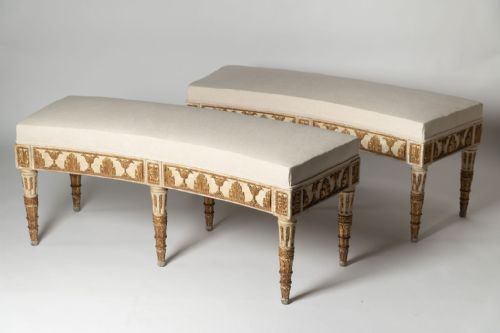
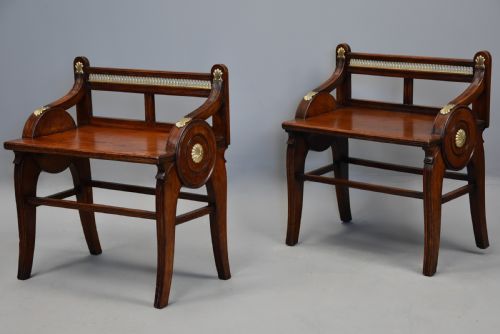
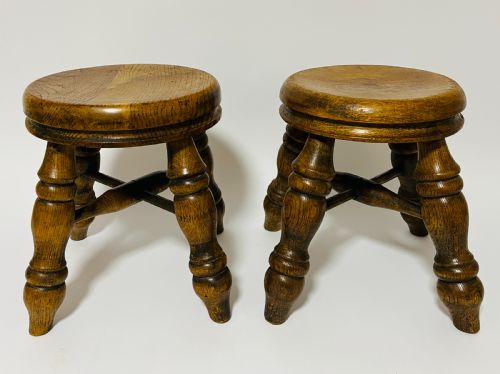
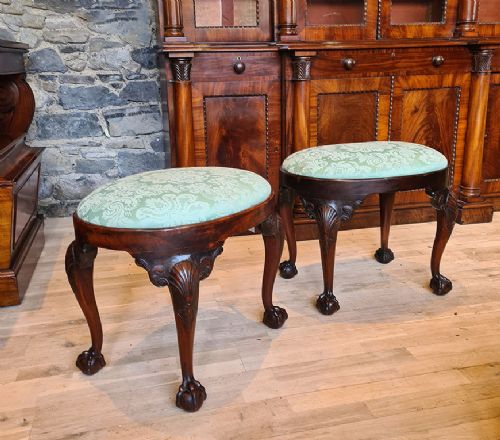
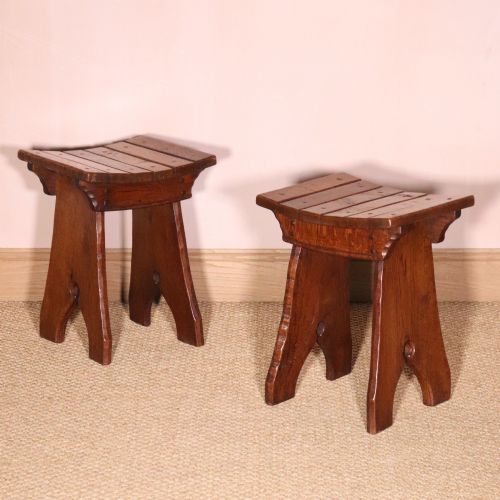
When you search for pair carved wooden stools, you encounter a diverse group of seating and small surfaces originating from periods ranging from the eighteenth century to the twentieth century. These items manifest in numerous stylistic interpretations, including Victorian, Arts and Crafts, Qing Dynasty, Aesthetic Movement, and Gustavian traditions. Forms extend beyond conventional footstools to encompass joint stools, side tables, plant stands, and benches.
The materials utilised across these listings reflect a broad spectrum of timbers and finishes, spanning oak, mahogany, walnut, yew, rosewood, teak, and Asian hardwoods, sometimes complemented by fabric, paint, brass mounts, or marble inserts. You meet vernacular pieces alongside refined Italian Renaissance style examples and Chinese barrel stools. Each pair demonstrates the specific utility and aesthetic priorities of its era and region of origin.
How they were made
Makers shaped these pieces predominantly from solid timbers such as oak, walnut, mahogany, and various Asian hardwoods, frequently selecting woods for their grain and durability. Construction techniques rely on traditional joinery methods appropriate to the period, including jointed framing and turned elements.
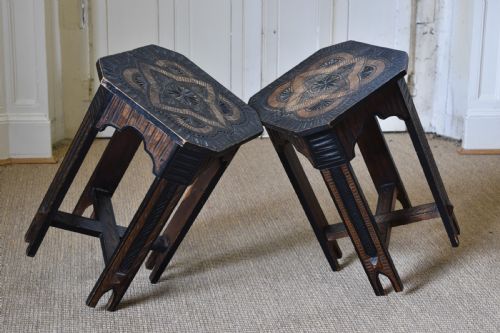
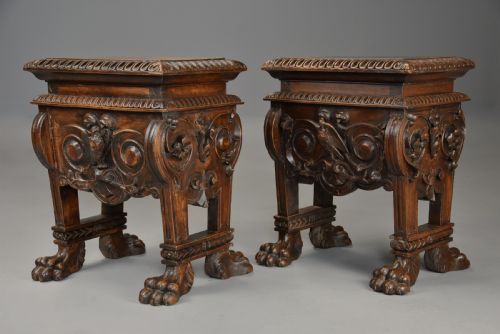
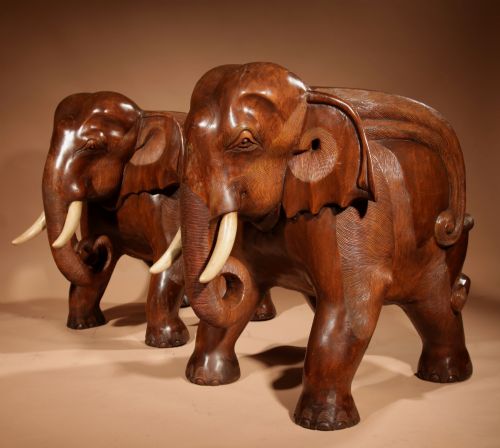
Carving serves as a primary decorative technique, executed by hand to produce chip carving, relief work, or sculptural forms. Surfaces receive treatments ranging from natural polished finishes and wax to lacquer, paint, or ebonisation, occasionally incorporating brass hardware or inset marble tops.
Listings feature oak, mahogany, walnut, yew, rosewood, and Asian hardwoods across styles from the eighteenth to the twentieth century.
What varies in quality
The distinction between standard examples and exceptional specimens rests upon the execution of the carving and the integrity of the timber. Finely rendered detail and crisp ornament elevate a piece, whereas flat or mechanical execution diminishes visual impact. Timber selection also dictates grade, with dense, well-figured woods commanding greater attention than plain stock.
Structural cohesion and originality of surface finish further differentiate the examples. Pieces retaining their original patination, joinery, and decorative components hold more historical coherence than those altered or excessively restored over time.
James Shoolbred Co·Jack Grimble
The Pair Carved Wooden Stools Glossary
- Chip carved
- A method of removing small chips from a wooden surface in a geometric pattern. This technique creates a textured, faceted ornament visible on period side tables and rustic items.
- Joint stool
- A sturdy wooden stool constructed with mortise and tenon joints rather than turned legs secured by wedges. These pieces date primarily from the seventeenth and nineteenth centuries.
- Qing Dynasty
- The final imperial dynasty of China, lasting from sixteen forty-four to nineteen twelve. Pieces from this era often utilise dense hardwoods like huali and feature elaborate carved detailing.
- Regency
- A British stylistic period spanning from eighteen eleven to eighteen twenty. Furniture from this time draws inspiration from classical antiquity, often employing woods like yew and mahogany.
Pair Carved Wooden Stools: Frequently Asked Questions
How were pair carved wooden stools used historically?
These items served primarily as flexible seating for domestic interiors, functioning near firesides, dining tables, or dressing areas. Smaller variations frequently doubled as footstools or elevated surfaces for candles and decorative objects.
In larger reception rooms, matched pairs provided symmetrical balance within the interior layout. Their portable nature allowed occupants to move them easily between rooms as household needs shifted.
How do I distinguish eighteenth-century stools from later nineteenth-century revivals?
Examination of the timber characteristics, tool marks, and joinery methods provides the primary indicator of age. Eighteenth-century pieces typically display hand-sawn surfaces and timber wear consistent with extended use.
Nineteenth-century revival items often incorporate machine assistance in their preparation while adopting earlier stylistic idioms. Comparing the construction details against documented period examples clarifies the manufacturing era.
How should I care for antique wooden stools in a modern home?
Maintain stable indoor humidity levels and keep wooden surfaces away from direct heat sources and strong sunlight. These precautions prevent timber from drying out, warping, or cracking over time.
Apply high-quality microcrystalline wax occasionally to nourish the wood and protect the finish. Avoid liquid polishes containing silicone, which can penetrate and degrade historic wood surfaces.
What defines the Aesthetic Movement style in these stools?
The Aesthetic Movement prioritised visual beauty over utilitarian function, drawing influence from Japanese design principles and simplified forms. Pieces from this tradition often feature clean structural lines alongside subtle carved or painted details.
This approach marked a departure from heavier Victorian ornamentation, favouring a lighter and more refined domestic presence. Consequently, these items integrate smoothly into various contemporary interior schemes.