

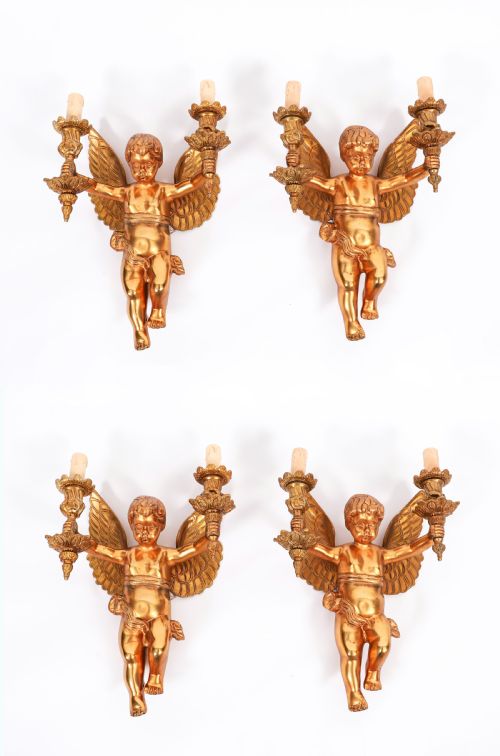
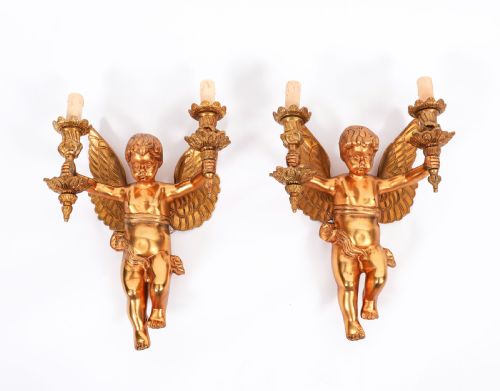

Pair Bronze Putti
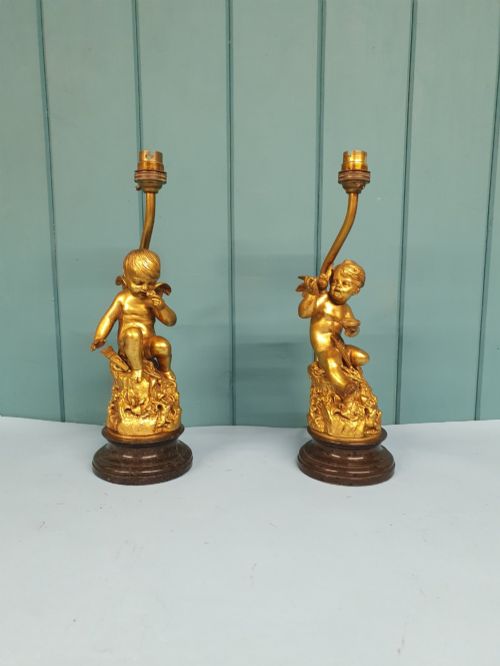
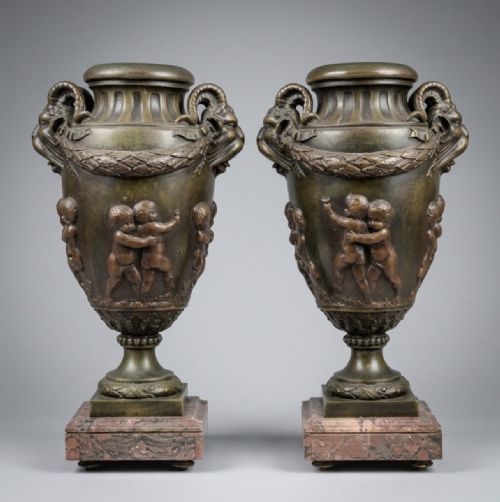
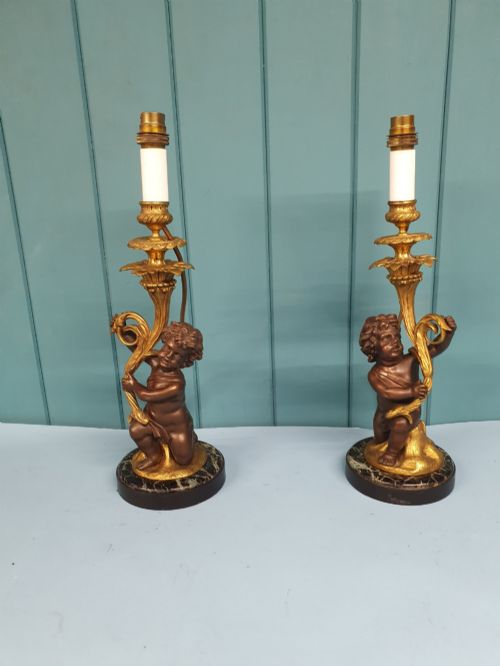
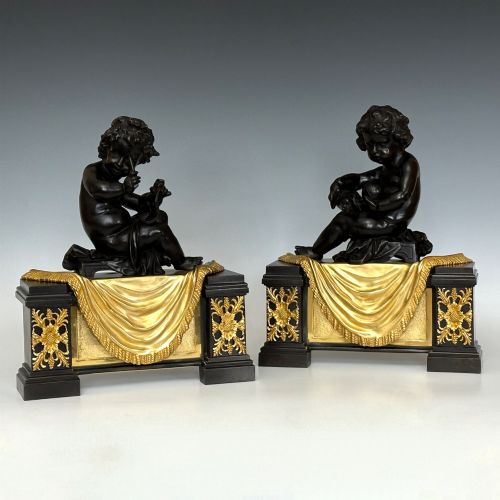
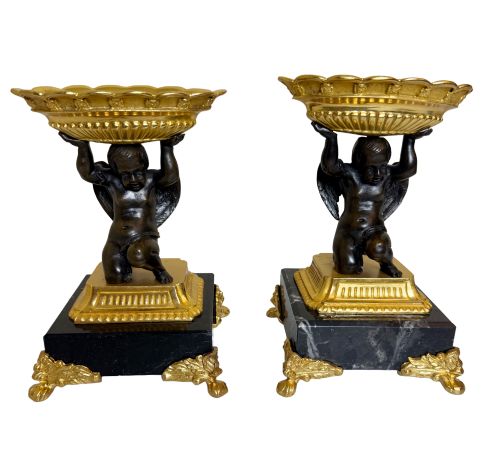
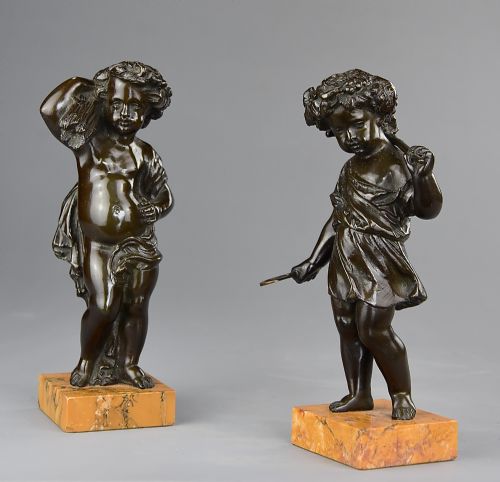
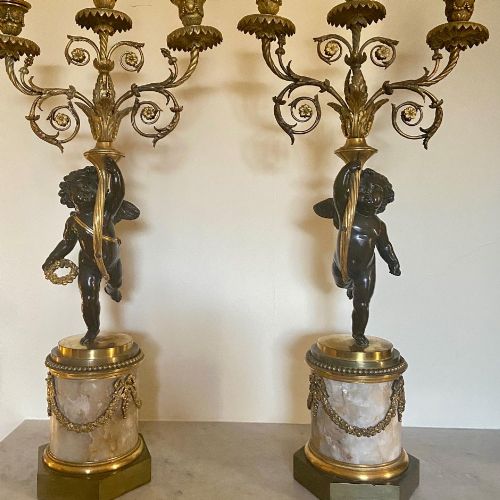
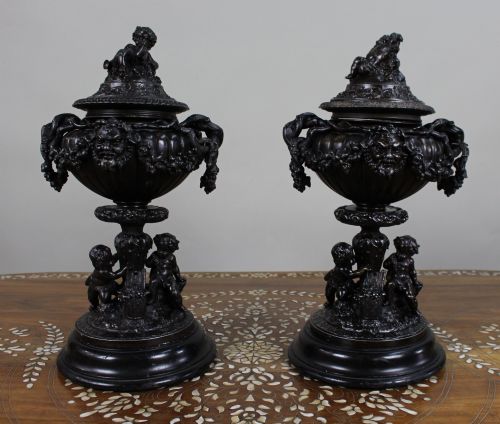
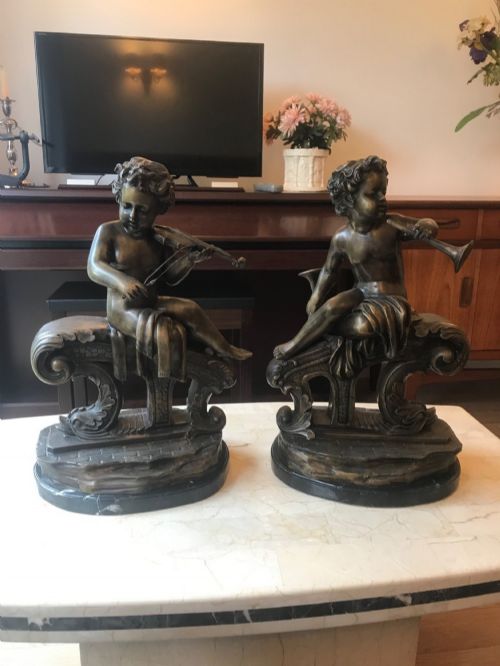
When searching for pair bronze putti, buyers discover sculptural figures of winged infants cast in metal, often mounted on marble bases to serve as decorative lighting, mantel ornaments or fireplace furnishings.
Pair Bronze Putti
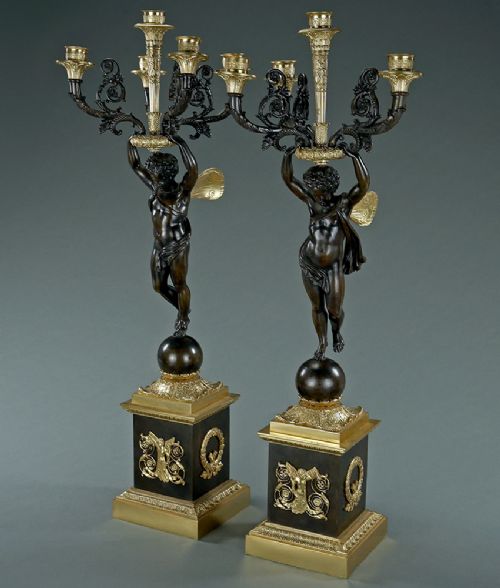
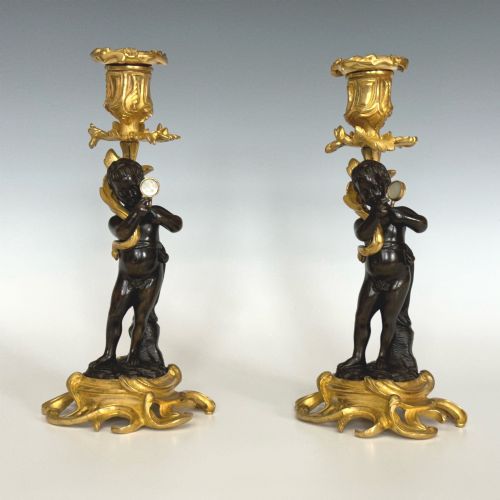
When buyers search for pair bronze putti, they encounter sculptural pairings of infant winged figures derived from classical mythology and Renaissance art. These pieces appear frequently as candelabra, table lamps, and mantel ornaments.
The evidence demonstrates that many examples emerge from nineteenth-century French and Italian workshops, adopting styles such as Rococo Revival, Louis XVI, and Neoclassical designs. Common formats include figures supporting candle nozzles, seated upon marble bases, or incorporated into fireplace chenets.
Materials and construction methods
The pieces listed utilise cast bronze, patinated bronze, and gilt bronze, frequently combined with ormolu mounts and marble plinths. Alternative economic materials such as bronzed spelter also appear in the historical record.
Casting techniques allowed workshops to produce detailed figures of children holding grapes, musical instruments, or harvest symbols. Artisans then chased the metal surfaces and applied patination or gold gilding to highlight anatomical details.
Listings demonstrate a strong presence of nineteenth-century French and Italian manufacture, combining cast bronze with marble bases.
Factors influencing execution and finish
Quality separates through the crispness of the metal chasing and the depth of the casting finish. Superior examples display refined facial expressions, well-defined hair, and articulate musculature on the infant figures.
The integration of secondary materials also dictates standard, where solid marble bases and fire-gilded ormolu mounts signify superior workshop output compared to painted spelter alternatives.
Claude Michael Clodion·Francois Redmond·K and O·Dumond
The Pair Bronze Putti Glossary
- Putti
- Plural of putto, representing a chubby, winged infant figure derived from classical art. These figures frequently appear in European sculpture and decorative metalwork.
- Ormolu
- Gilded bronze produced by applying a mercury and gold amalgam to a bronze base. This technique creates a rich golden finish characteristic of French decorative arts.
- Chenet
- An alternative term for a firedog or fireplace andiron. Pairs of these metal supports sit on the hearth to hold logs.
- Tazza
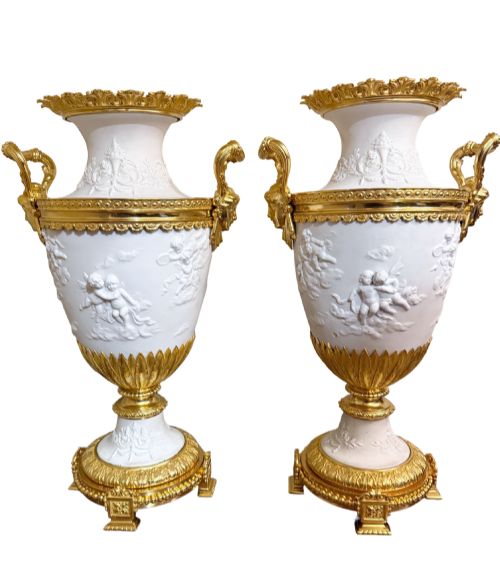
- A shallow saucer-like dish mounted on a stem and foot. These decorative vessels frequently feature classical relief decoration.
- Patination
- The surface coloration achieved naturally through age or artificially through chemical treatments on bronze. This process enhances the visual depth of sculptural details.
Pair Bronze Putti: Frequently Asked Questions
What are pair bronze putti?
These decorative objects are matched figural sculptures depicting winged infants, commonly cast in bronze or brass. They frequently incorporate functional elements such as candleholders, lamps, or wall lights.
Originating largely from nineteenth-century European workshops, they reflect classical and revival design movements. Buyers encounter them mounted on stone bases or integrated into larger furniture accessories.
How were they used historically?
Historically, these items served practical lighting functions as candelabra, torchère lamps, and wall sconces in domestic interiors. Their figurative designs provided ambient illumination while displaying classical refinement.
Other variations acted as decorative mantel ornaments, paperweights, or architectural fireplace chenets. Their placement in pairs created symmetrical arrangements popular in period rooms.
How do I date these pieces?
Dating relies upon examining casting methods, material combinations, and stylistic revival cues. Nineteenth-century examples often feature heavy patinated bronze combined with Sienna or white marble bases.
Twentieth-century iterations transition toward adapted electrical lighting fixtures and alternative base metals like spelter. Maker signatures or workshop stamps can provide further chronological context.
How should I clean bronze figures?
Maintenance requires gentle dusting with a soft, dry cloth to prevent the accumulation of dirt within recessed areas. Avoid abrasive cleaners or chemical polishes that can strip original patination or gilding.
Preserving the surface finish ensures the historical integrity and visual depth of the metalwork remain intact over time.