

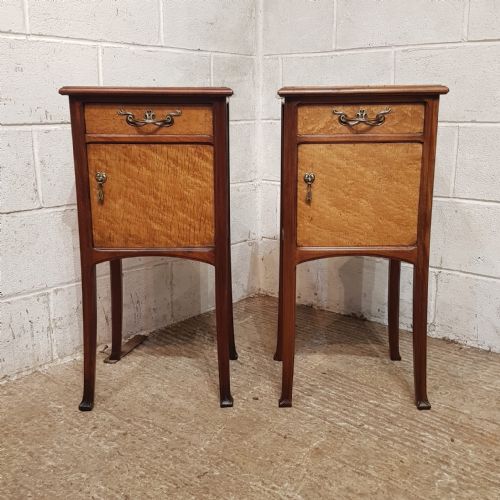
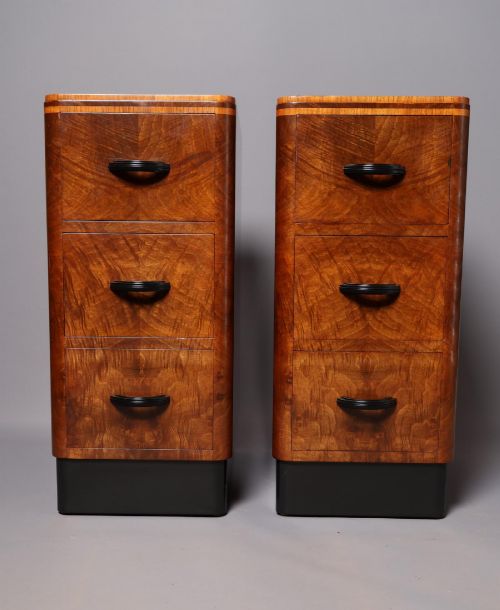
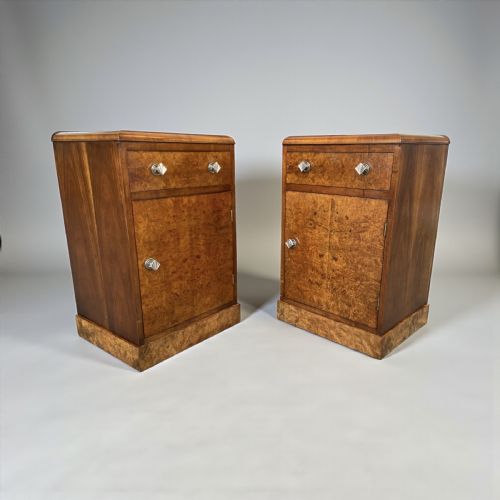


Pair Art Deco Cabinets
When you search for pair art deco cabinets, you are tracking down matching storage pieces designed with geometric clarity.
Pair Art Deco Cabinets
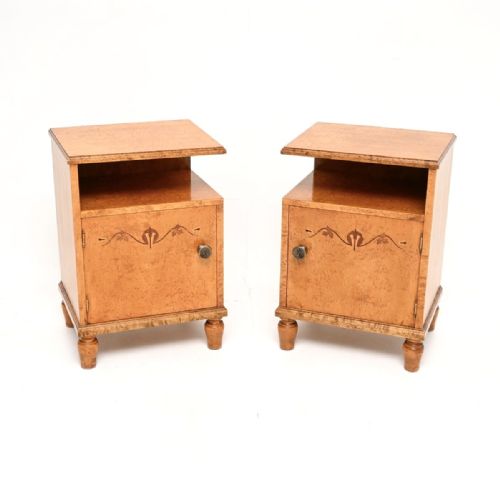
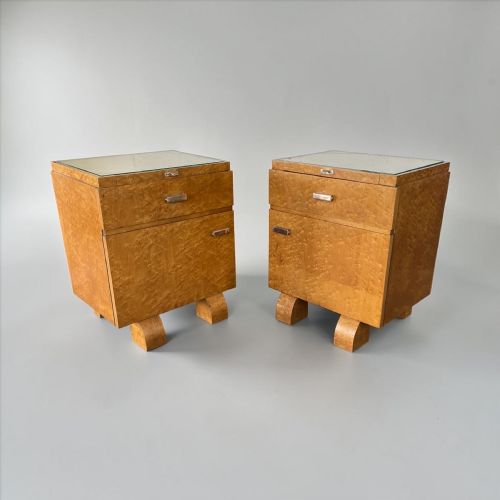
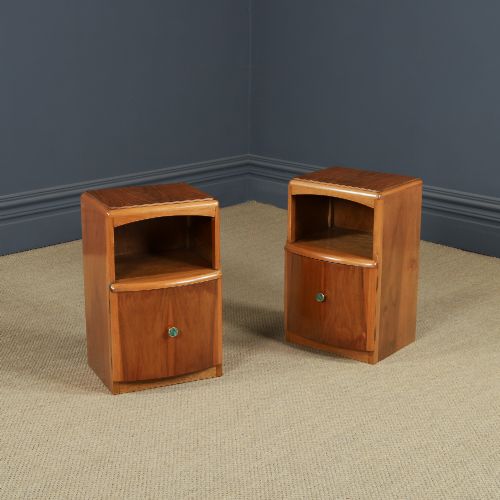
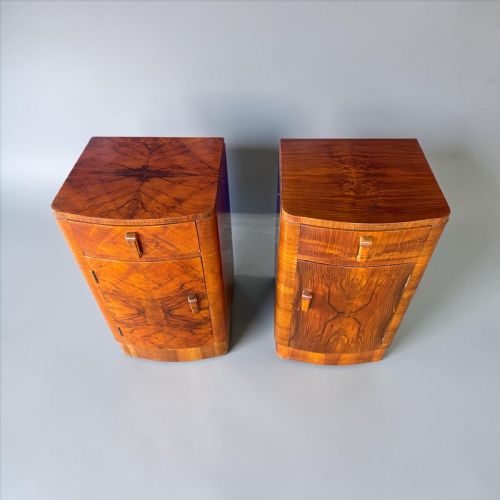
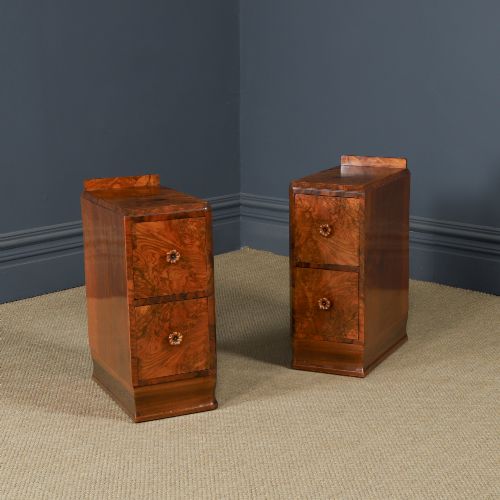
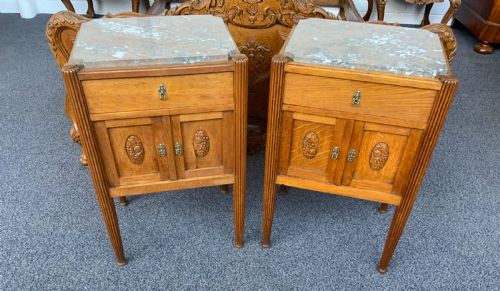
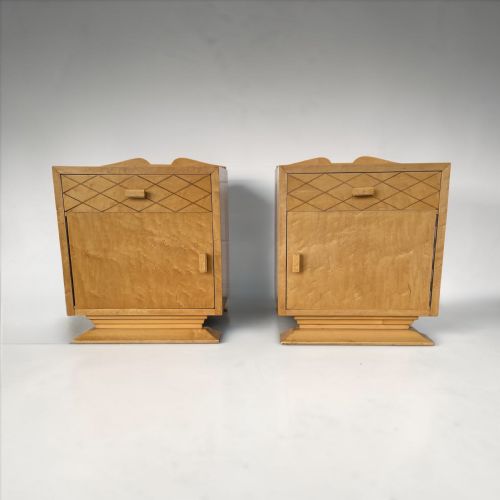
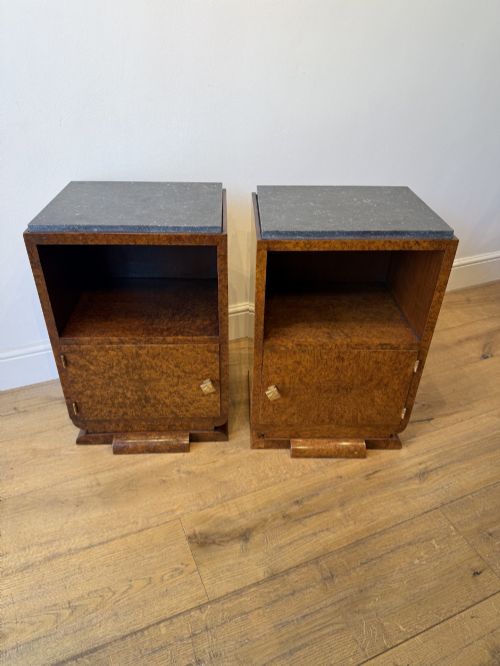
When searching for pair art deco cabinets, collectors typically encounter matched pairs of bedside tables, nightstands, and small storage chests dating principally from the interwar decades. These dual forms serve domestic spaces symmetrically, often flanking a bed or positioned as companion lamp stands in a reception room.
The selection spans English, French, Italian, and Scandinavian workshops, reflecting diverse regional interpretations of the modernist movement. Alongside compact bedside cupboards, the category occasionally embraces taller display cabinets, bookcases, and wardrobes designed in identical sets.
The dominant style draws on interwar intercontinental influences, prioritising clean silhouettes, symmetrical grain patterns, and restrained ornamentation. These matching pieces deliver both functional bedside storage and a cohesive design statement rooted in the early twentieth century.
How they were made
Cabinet makers utilised solid structural timbers such as oak, mahogany, and beech as stable foundations for decorative surfaces. These carcases were then faced with fine wood veneers, allowing craftsmen to display complex timber grains across the matching doors and drawer fronts.
The application of burr walnut, birdseye maple, satinwood, and blonde maple created rich, swirling patterns that defined the visual rhythm of the movement. Selected examples incorporated contrasting brass hardware, glass panels, or fitted marble tops to enhance the durability and finish of the pieces.
Many bedside nightstands include concealed pull-out writing shelves originally intended for morning tea orders.
What varies in quality
The standard of execution rests heavily on the selection and matching of wood veneers across both units. Superior examples demonstrate mirrored grain patterns that flow seamlessly from one door or drawer to its partner, maintaining exact symmetry between the pair.
Construction methods also dictate grade, distinguishing mass-produced commercial outputs from bespoke studio creations. Fine joinery, substantial timber thicknesses, and integrated architectural details elevate individual pairs far above standard utility items.
Maurice Adams·Hille·Jules Leleu
The Pair Art Deco Cabinets Glossary
- Veneer
- A thin slice of decorative wood applied over a stable secondary timber carcase. This technique allowed cabinet makers to utilise expensive timbers efficiently while creating symmetrical patterns.
- Burr walnut
- A prized timber harvested from the growth deformations of a walnut tree, yielding swirling, knotty grain patterns. It remains a hallmark of luxury interwar furniture design.
- Birdseye maple
- A figured maple timber displaying small, circular patterns resembling tiny eyes within the grain. Craftsmen bleached or polished this wood to achieve pale, luminous surfaces.
- Carcase
- The foundational structural body of a cabinet or chest upon which doors, drawers, and decorative veneers are mounted. Sound carcase construction ensures long-term stability for matching pairs.
Pair Art Deco Cabinets: Frequently Asked Questions
Are these always sold as matching pairs?
Most listings present identical sets created together in the workshop to flank a bed or balance a room layout.
Buyers occasionally find near pairs assembled later, where proportions and timbers closely align despite originating from separate commissions.
How do I identify French pieces?
French examples frequently incorporate contrasting exotic veneers like mahogany or rosewood alongside heavier marble tops.
Their proportions often lean toward bolder geometric curves and more dramatic hardware compared to contemporary English designs.
Where should I place them?
While traditionally built as bedside companions for lamps and nighttime storage, these versatile units function equally well as small side tables in living spaces.
Their compact footprints allow them to serve as display surfaces in narrow hallways or landings without overcrowding the room.
What maintenance do they need?
Preserving these veneered surfaces requires minimal moisture and protection from direct sunlight to prevent timber fading and veneer lifting.
Regular dusting with a dry cloth keeps the polished grain stable without stripping historical wax layers.