




Pair Chalices
These pair antique chalices bring ritual ceremony and historic gravitas directly to your sideboard, combining centuries of metalwork and glass artistry in matching duos.
Pair Chalices
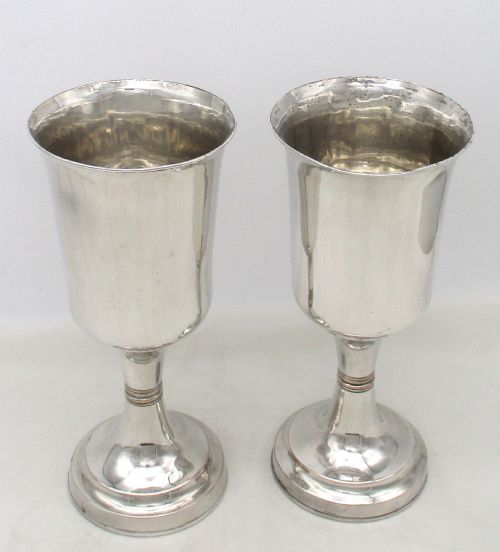
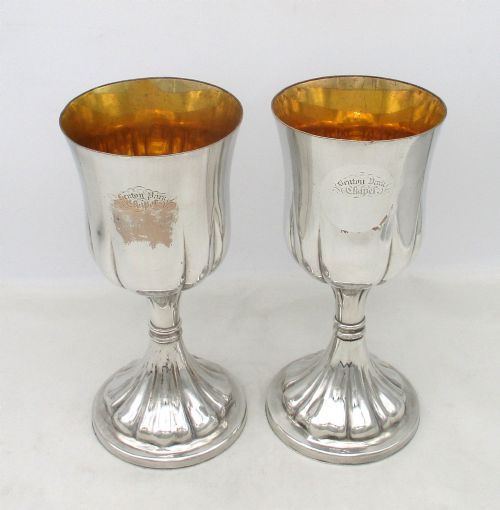
When you search for pair antique chalices, you enter a domain of matched drinking vessels, ceremonial cups, and devotional vessels spanning the eighteenth and nineteenth centuries. The listings show a strong presence of ecclesiastical forms, notably Old Sheffield plated church chalices and communion goblets from the eighteen-forties, alongside secular drinking vessels.
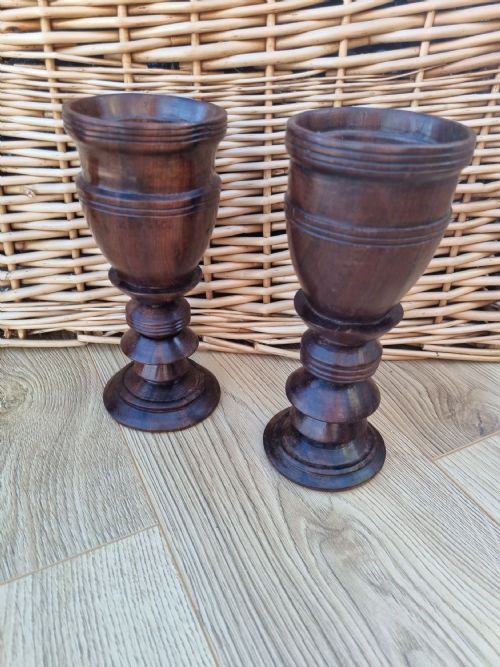
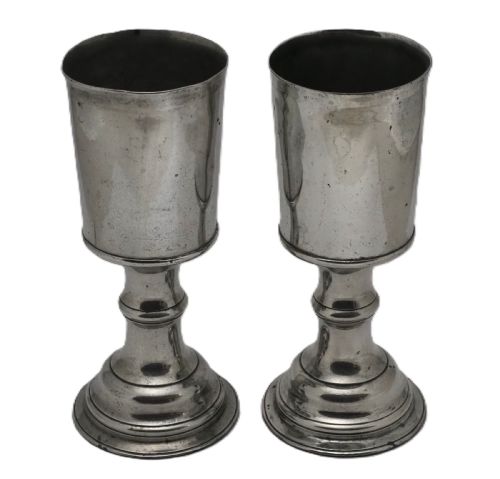
The materials and forms vary widely from domestic turned wood and Irish pewter to grander gilt bronze Grand Tour urns and Bohemian enamelled glass. You are most likely to encounter nineteenth-century metalwork and glass pairings, reflecting the period's taste for altar garniture, commemorative drinking cups, and decorative pedestal bowls.
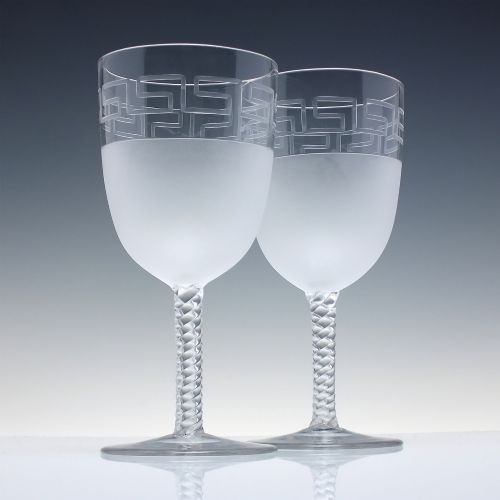
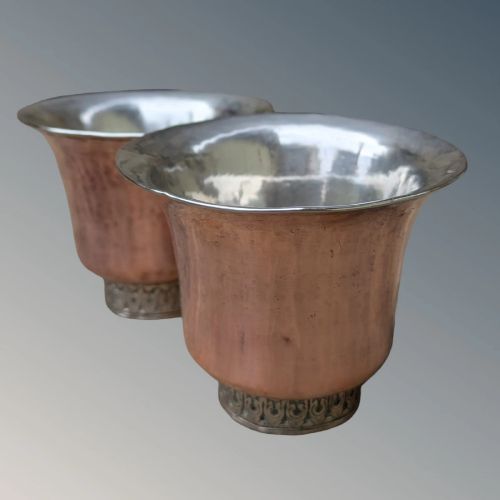
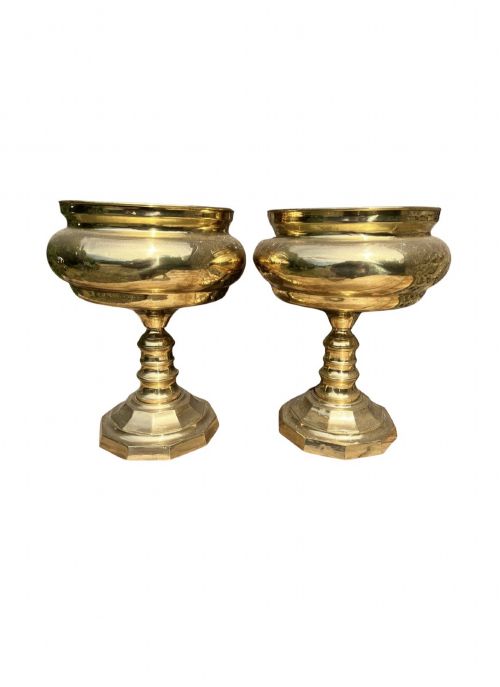
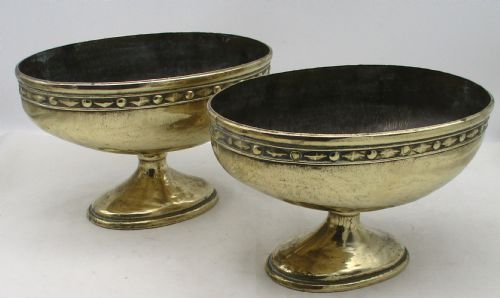
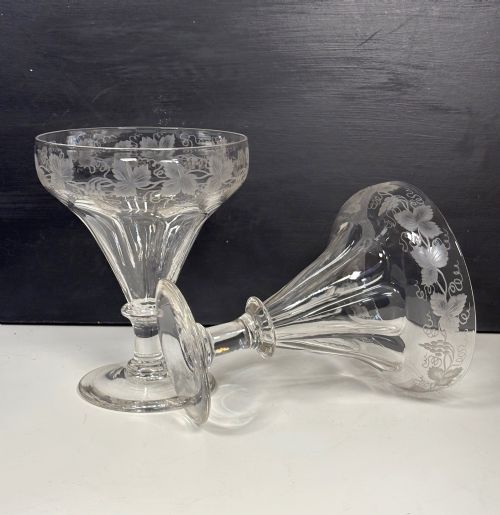
Beyond church plate, the selection includes decorative brass goblets, Tibetan drinking vessels, and English glass wine goblets from the mid-eighteenth century. Each pair preserves a symmetrical design intended for display or ritual use, maintaining the matching proportions valued by historical makers.
How they were made
Metals dominate the selection, utilising Old Sheffield plate, sterling silver, copper, brass, bronze, and pewter formed through traditional smithing and casting techniques. Old Sheffield plate combines a thin layer of silver fused to a copper base, visible in church chalices where the underlying metal emerges subtly at high-wear rims.
Pair Chalices Retail Price Guide 2026
Typical asking prices for pair chalices among the pieces listed under this phrase on Sellingantiques today, from the lower quarter to the upper quarter. They describe what is for sale here now, not the wider market.
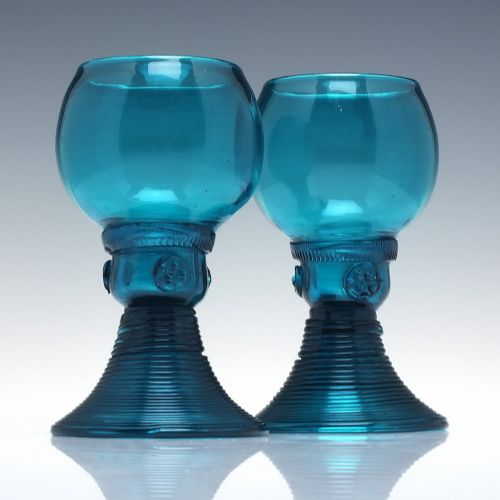
The listings span the eighteenth and nineteenth centuries, featuring materials from copper, silver plate, and sterling silver to turned fruit wood and Bohemian glass.
What varies in quality
Quality rests in the crispness of casting detail, the weight of the metal or glass in the hand, and the integrity of the surface finish. Fine church chalices and communion goblets display precise baluster stems and cleanly soldered junctions where the bowl meets the foot.
For plated and gilt items, the preservation of the original surface layer distinguishes finer survivals from heavily polished or re-plated alternatives. Glassware quality is judged by the depth of the wheel-cut engraving, the clarity of the metal, and the richness of any applied gilding or enamel work.
The Pair Chalices Glossary
- Old Sheffield Plate
- An early composite metal made by fusing a sheet of silver onto a thicker copper base. This technique preceded modern electroplating and leaves a distinctive edge where the base metal shows.
- Altar Garniture
- A matching set of decorative objects, such as vases or chalices, placed upon or near a church altar. These pieces were often produced in brass or plated metals during the nineteenth century.
- Grand Tour
- A cultural journey undertaken by wealthy young Europeans in the eighteenth and nineteenth centuries to study classical art. Souvenirs included bronze urns and classical goblets influenced by ancient ruins.
- Baluster Stem
- A supporting column on a drinking vessel shaped like an architectural baluster, featuring swollen curves and rings. This form frequently appears on eighteenth-century English glass goblets.
- Communion Chalice
- A sacred cup used during the Christian Eucharist service, designed with a deep bowl, a knop on the stem for secure holding, and a wide spreading foot for stability.
Pair Chalices: Frequently Asked Questions
How were these chalices used?
Many of these vessels served liturgical functions in church services, specifically for administering sacramental wine during Holy Communion. Others were designed as secular drinking vessels, decorative urns, or display pieces for grand dining rooms.
Secular pairs often functioned as ceremonial loving cups or commemorative goblets. Over time, their role shifted from active dining or worship to decorative display within domestic interiors.
How do I care for antique metal chalices?
Metal vessels require gentle handling and minimal cleaning to preserve their historic surfaces. Avoid aggressive commercial dips, particularly on Old Sheffield plate where harsh chemicals can strip the silver layer from the copper core.
Dust them regularly with a soft cloth and store them away from damp environments. If polishing is necessary for brass or silver, use a non-abrasive cream applied sparingly with a soft cloth.
What is Old Sheffield plate?
Old Sheffield plate is an early form of plated metal produced by fusing a thin sheet of silver to a copper ingot and rolling them together into sheets. This method was widely used before the invention of electroplating in the nineteenth century.
Pieces made this way exhibit a warm tone where the copper underlies the silver, particularly around seams and high points. This manufacturing technique dates primarily from the eighteenth and nineteenth centuries.
How do I identify eighteenth-century glass?
Eighteenth-century glass goblets generally display heavier metal with characteristic air twists or knopped stems formed by hand manipulation. Pontil marks on the undersides indicate the glass was snapped off a blowing iron before being ground smooth.
The glass handles differently than modern factory-made alternatives, often showing slight irregularities and minor bubbles trapped within the material during the blowing process.
Can I use these for drinking?
While historic chalices and goblets were built for liquid use, many owners prefer to keep them for display due to their age and material composition. Pewter, older silver plates, and antique glasses require careful assessment before contact with food or drink.
If you choose to use them, wash them by hand in warm soapy water without soaking. Avoid acidic beverages that might react with older metal surfaces or exposed base metals.