







Vintage Silver Chalice Cup
These vintage silver chalice cup pieces range from ecclesiastical vessels to cocktail goblets, offering solid metal forms designed for ceremony, sport, and celebration.
Vintage Silver Chalice Cup
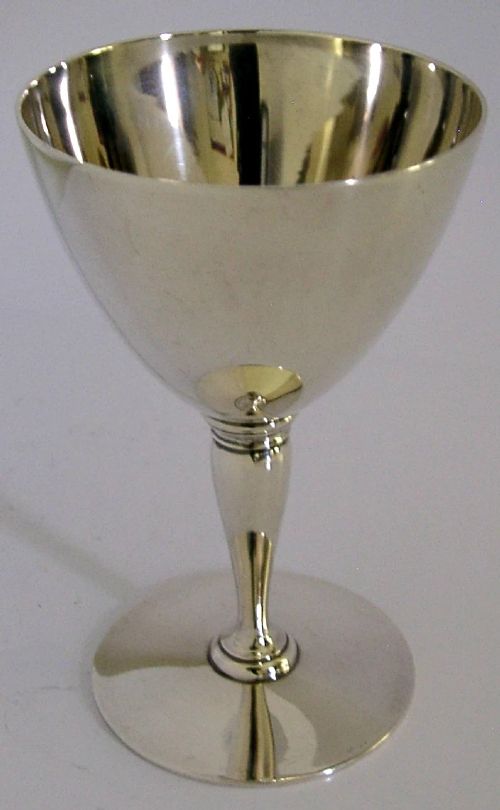
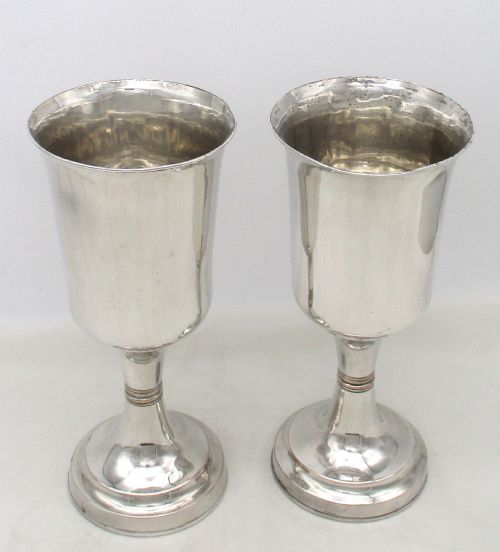
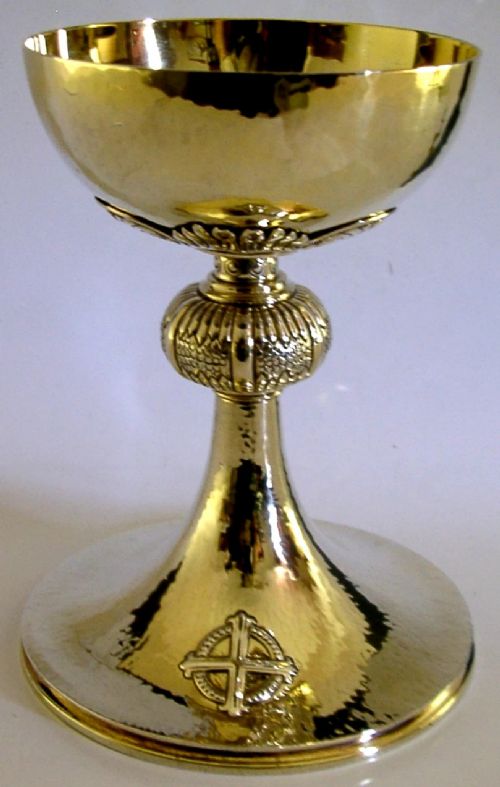
A vintage silver chalice cup encompasses a broad family of footed drinking vessels, religious vessels, and presentation pieces spanning multiple centuries. Buyers searching this phrase encounter everything from heavy church plate and ecclesiastical vessels to secular cocktail glasses, sporting trophies, and ritual cups.
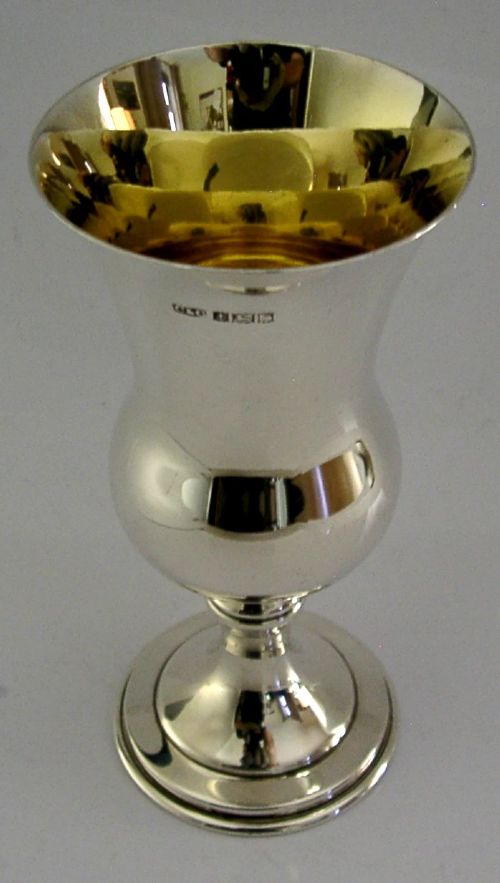
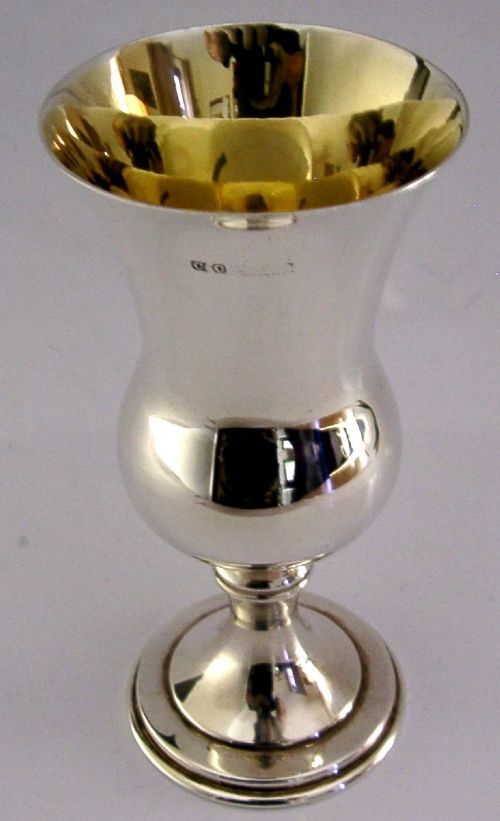
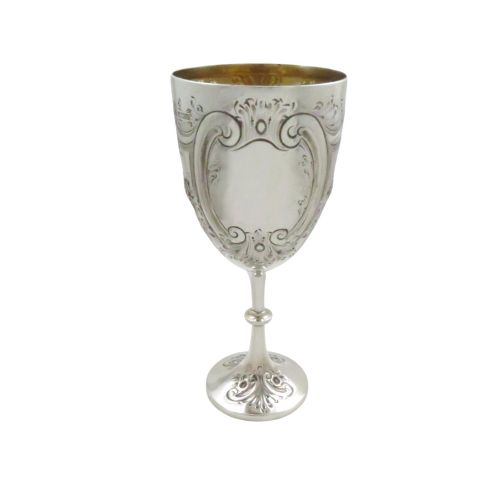
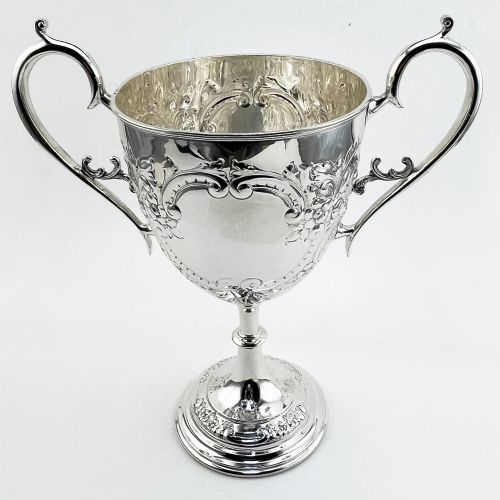
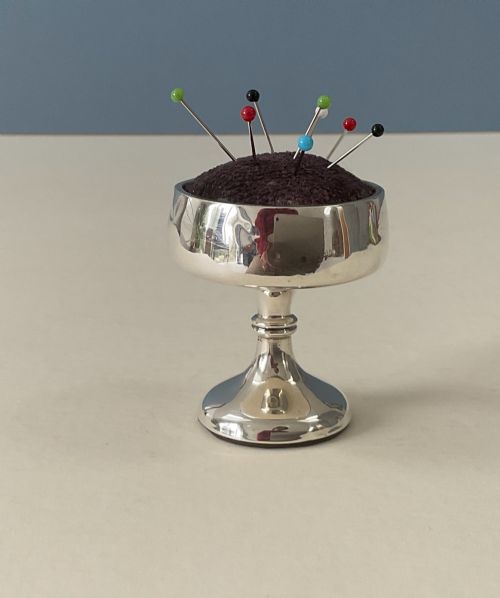
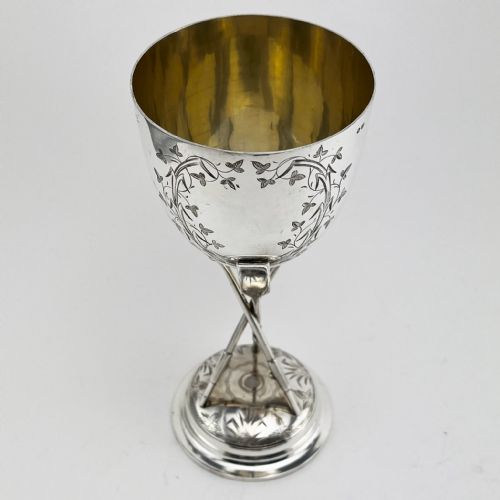
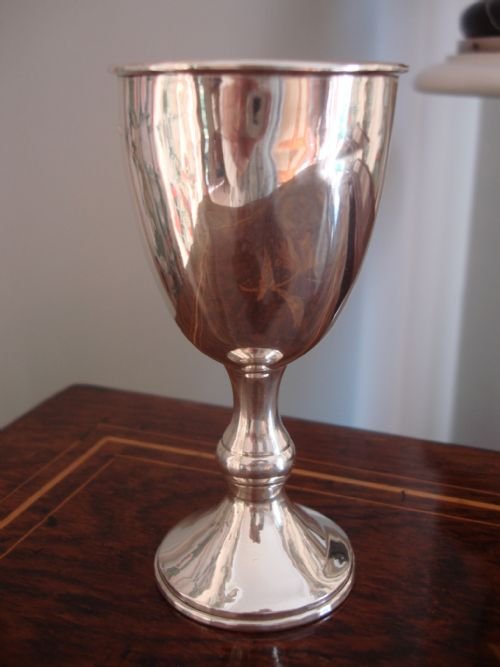
The selection on this page demonstrates remarkable variety across form and origin, moving between English sterling silver, Old Sheffield Plate, Chinese Export pieces, and Russian silver. Shapes shift fluidly from tall church chalices and loving cups down to delicate Kiddush cups and novelty pin cushions styled as miniature goblets.
Most examples lean towards formal British design periods such as Georgian, Victorian, Edwardian, and Art Deco, alongside specific mid-century ecclesiastical items. Whether intended for display, ceremonial use, or social drinking, these items retain the distinct weight and presence of traditional silversmithing.
Materials and Construction
Construction relies primarily on sterling silver, silver plate, and Old Sheffield Plate, with occasional use of silver gilt, base metal, pewter, and copper. Makers shaped these metals through traditional techniques of raising, spinning, and casting, often mounting bowls securely onto flared or stepped pedestal feet.
Surface decoration varies widely, incorporating bright-cut engraving, chased motifs, Celtic revival patterns, and smooth polished finishes. Interior gilding appears on several ecclesiastical and ritual cups, providing a contrasting golden layer known as silver gilt within the bowl.
Vintage Silver Chalice Cup Retail Price Guide 2026
Typical asking prices for vintage silver chalice cup among the pieces listed under this phrase on Sellingantiques today, from the lower quarter to the upper quarter. They describe what is for sale here now, not the wider market.
Listings feature items spanning the 18th Century through the 1960s, incorporating materials such as sterling silver, copper, velvet, and base metal.
Evaluating Quality
Quality rests heavily on the weight of the metal and the integrity of the maker's mark or hallmarks stamped into the surface. Substantial gram weights, crisp detailing in engraved or chased decoration, and balanced proportions distinguish finer workshops from standard commercial production.
The precision of the pedestal foot and the clean alignment of the stem dictate the overall elegance of the piece. Superior craftsmanship shows in the seamless joining of components and the preservation of original surface textures without excessive polishing.
TIFFANY & Co·William Eaton·James Deakin & Sons·Joseph Rodgers & Sons
The Vintage Silver Chalice Cup Glossary
- Sterling silver
- An alloy containing a high proportion of pure silver combined with other metals to ensure durability. This standard metal forms the foundation of many high-end goblets and trophies.
- Old Sheffield plate
- An early form of composite metal made by fusing a thin sheet of silver onto a thicker copper base. It appears frequently in pieces dating from the eighteenth and nineteenth centuries.
- Silver gilt
- Sterling silver that has been coated with a thin layer of gold on its surface. This technique was commonly applied to the interiors of chalices and ritual cups for practical and decorative effect.
- Kiddush cup
- A ritual goblet used in Jewish households for sanctifying the Sabbath and festivals. These vessels often feature distinctive regional ornamentation and Hebrew inscriptions.
- Loving cup
- A large drinking vessel equipped with multiple handles, designed to be passed around a company of people. They frequently served as presentation pieces or civic awards.
Vintage Silver Chalice Cup: Frequently Asked Questions
What is the difference between a chalice and a goblet?
A chalice traditionally denotes a sacred vessel used in religious ceremonies, usually featuring an internal gilding and a formal ecclesiastical design. A goblet generally serves a secular function for dining or drinking, though the terms often overlap in antique classifications.
Both share the fundamental structure of a bowl raised on a stem and foot, but their historical context and decorative vocabulary tend to separate church plate from domestic barware.
How were silver trophy cups used?
Silver trophy cups served as prizes for athletic competitions, rowing regattas, and hunting events. Winners displayed these substantial pieces in homes or clubs as symbols of achievement.
Many examples carry engraved inscriptions detailing the specific event, date, and recipient, adding a distinct historical narrative to the physical object.
Are silver plated items considered antique?
Silver plated items hold a legitimate place in antique collections, particularly when produced through early methods like Old Sheffield plating. These pieces offer the visual appeal of solid silver combined with historical manufacturing techniques.
Makers utilised base metals and copper beneath a layer of silver to create accessible yet durable tableware and presentation vessels during the eighteenth and nineteenth centuries.
How do I identify the period of a silver cup?
Dating relies primarily on official hallmarks, maker's marks, and stylistic indicators such as Georgian bright-cut engraving or Art Deco geometric lines. Assay office stamps and date letters provide precise chronological markers for British sterling pieces.
When hallmarks are absent, stylistic cues, weight distribution, and construction methods help narrow down the manufacturing era to specific decades or centuries.