

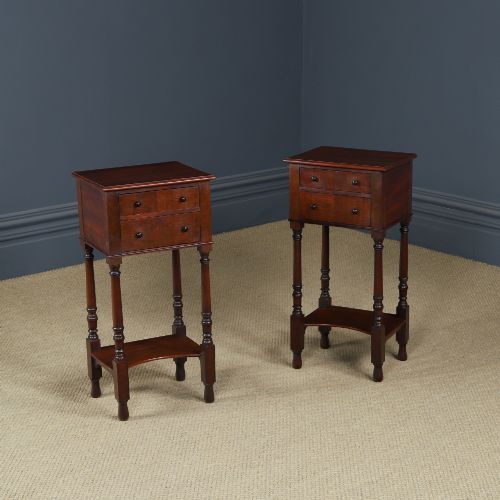
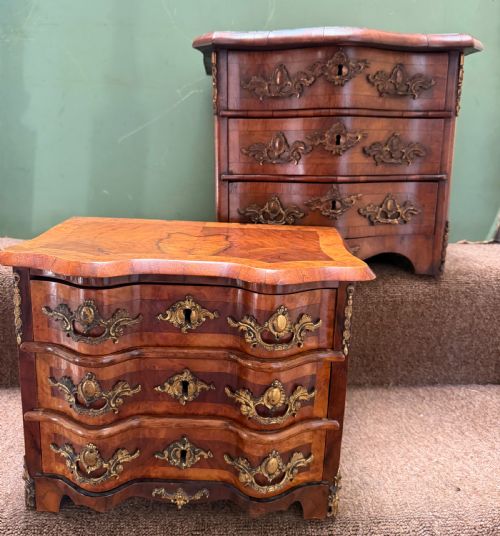
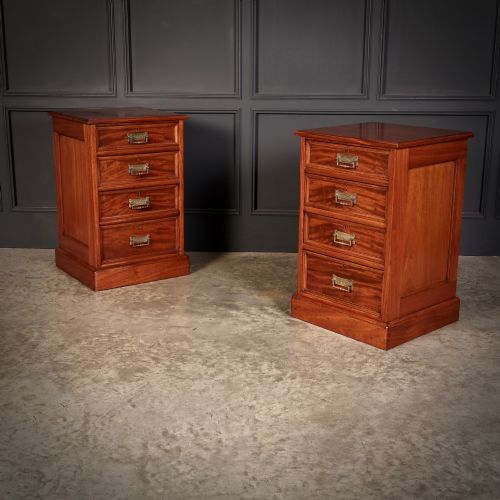
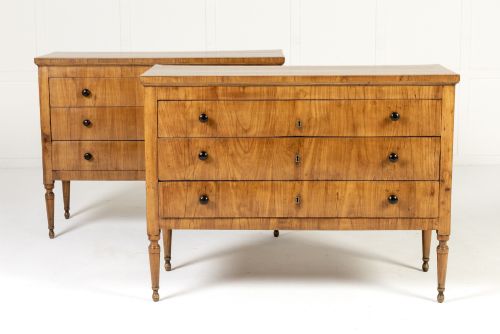
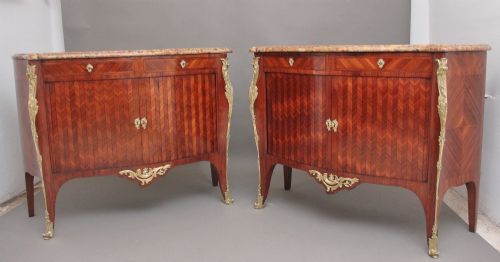
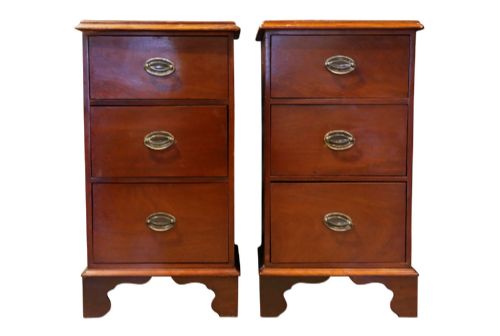
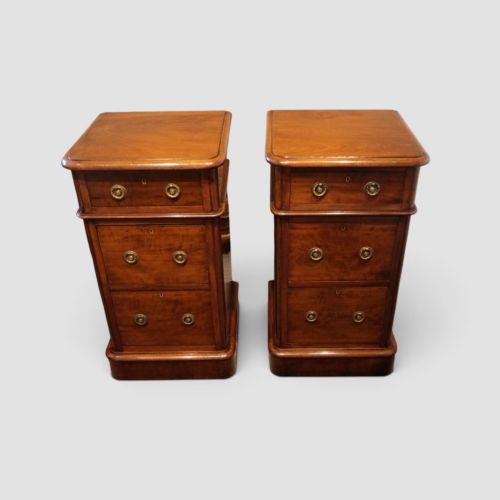
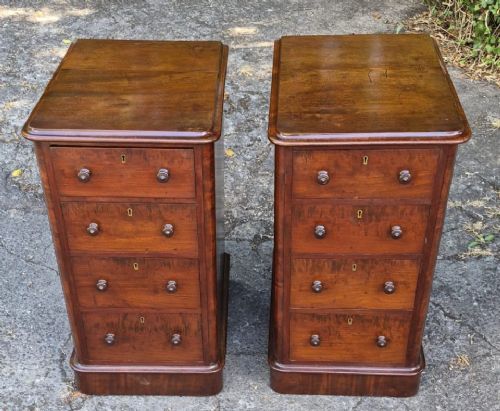
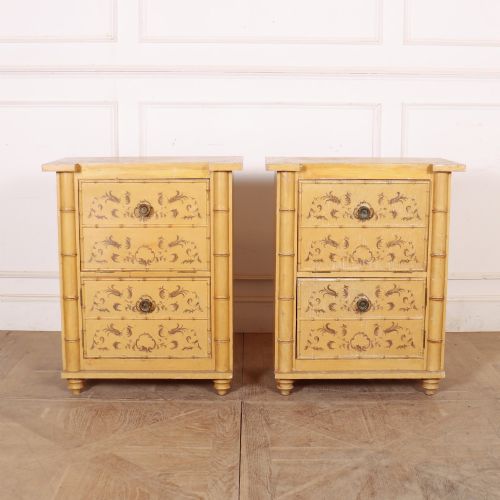

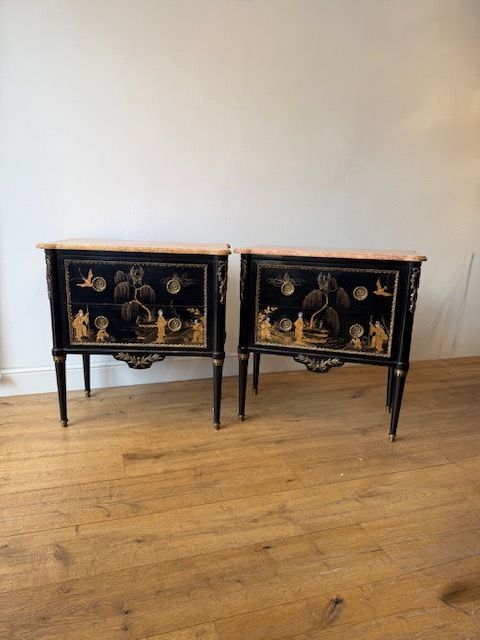
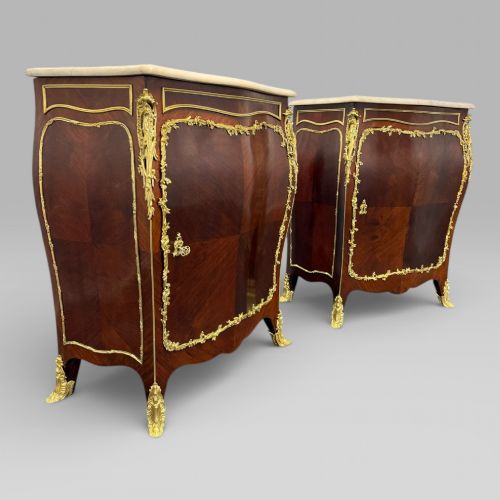
Pair 19th Century Chests
Pair 19th century chests unite symmetry and practical storage, offering matching utility through centuries-old cabinetmaking.
Pair 19th Century Chests
Forms extend beyond standard drawers into specialist items like collectors cabinets, cellarettes, and apothecary chests. Swedish painted and Gustavian pieces add lighter country finishes to the heavier mahogany and walnut iterations.
Materials and Construction
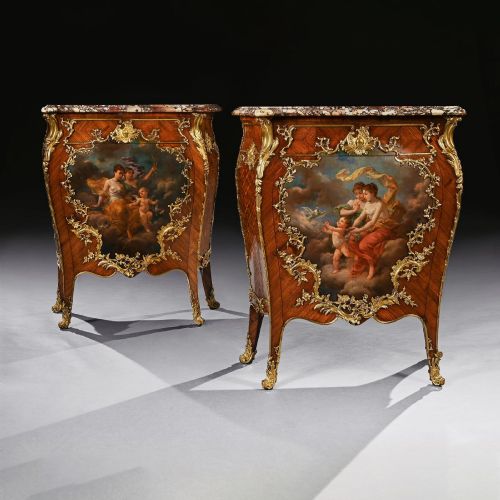
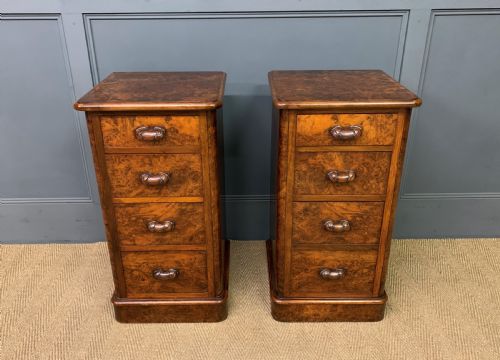
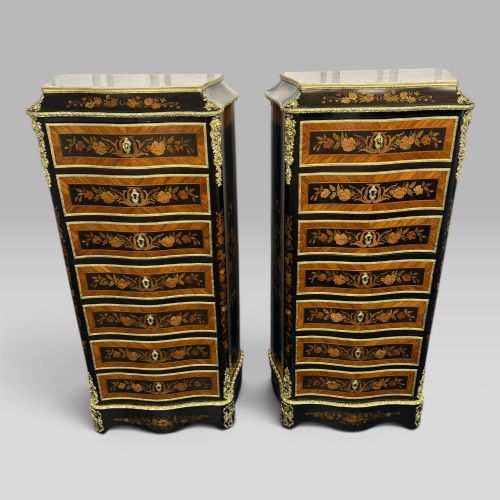
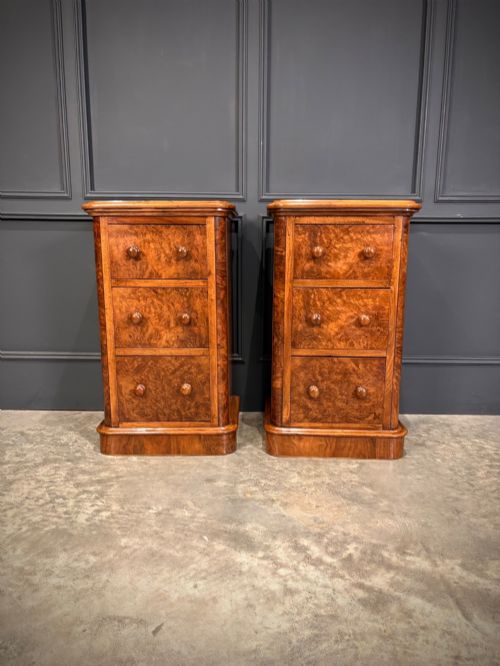
Cabinetmakers relied on dense hardwoods like mahogany, walnut, and oak, often enhanced with kingwood veneers, burr figuring, or parquetry. Secondary woods such as pine appear in carcases and drawer linings.
Metal mounts in brass and ormolu provide structural reinforcement and decorative accents, while marble tops offer durable, polished surfaces on French commodes and bedside cabinets.
Pair 19th Century Chests Retail Price Guide 2026
Typical asking prices for pair 19th century chests among the pieces listed under this phrase on Sellingantiques today, from the lower quarter to the upper quarter. They describe what is for sale here now, not the wider market.
Listings feature extensive Swedish painted and Gustavian country furniture alongside formal Victorian mahogany and walnut pieces.
Assessing Quality and Execution
Superior examples demonstrate precision in timber selection, matching grain patterns symmetrically across both matching carcases. The integration of mounts, hand-cut dovetails, and original hardware dictates the standing of each piece.
Modifications or adaptations, such as altered heights or replaced tops, distinguish entirely original suites from those altered over long periods of domestic use.
E. Kahn·Elkington & Co
The Pair 19th Century Chests Glossary
- Commode
- A low French chest of drawers or cabinet standing on legs, typically featuring decorative veneers or painted surfaces.
- Ormolu
- Gilded bronze mounts applied to furniture for decorative effect, common on French 19th-century pieces.
- Parquetry
- Geometric patterns of inlaid wood veneer arranged across drawer fronts or cabinet tops.
- Bombe
- A swelling, outward-curved contour found on the sides and fronts of continental cabinets and chests.
- Wellington chest
- A tall, narrow chest of drawers secured by a hinged locking side pilaster.
Pair 19th Century Chests: Frequently Asked Questions
Where were pair 19th century chests used?
These matching items primarily served grand bedrooms as bedside lockers or commodes, providing balanced storage flanking a bed.
They also appeared in drawing rooms and specialist libraries as collectors cabinets or small pedestals.
How do I care for antique wood chests?
Keep wooden surfaces away from direct heat sources and strong sunlight to prevent the timber and veneers from drying out or splitting.
Apply natural beeswax occasionally to nourish the grain and maintain a soft, protective finish.
Are matching pairs common from this era?
True matching pairs surviving together from the 19th century remain scarce because furniture was often split up or moved independently over generations.
Bedside cabinets and commodes were originally manufactured as pairs more frequently than larger dressers.