
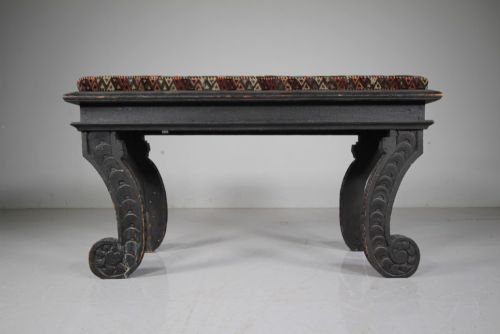
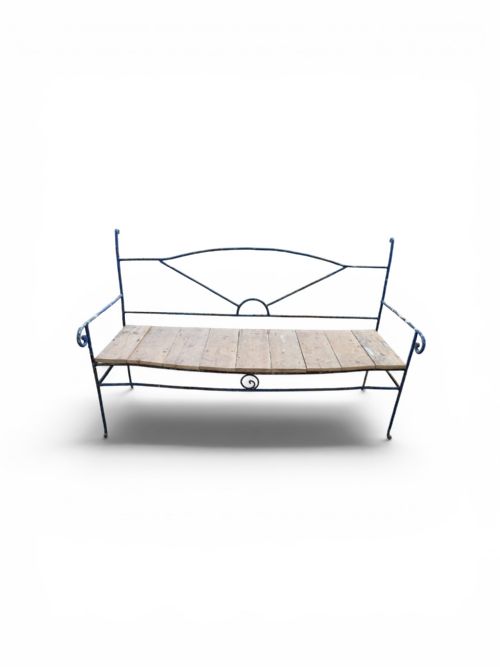
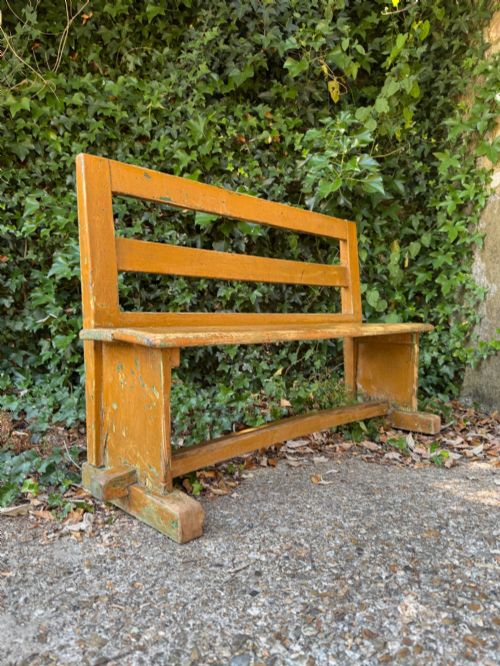
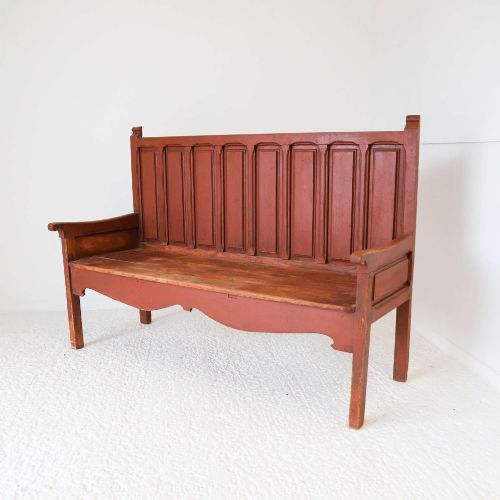
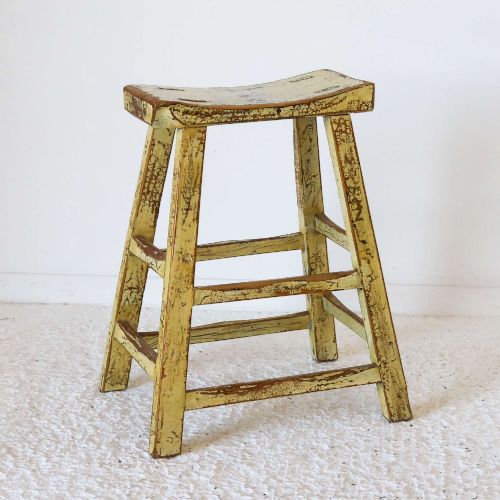
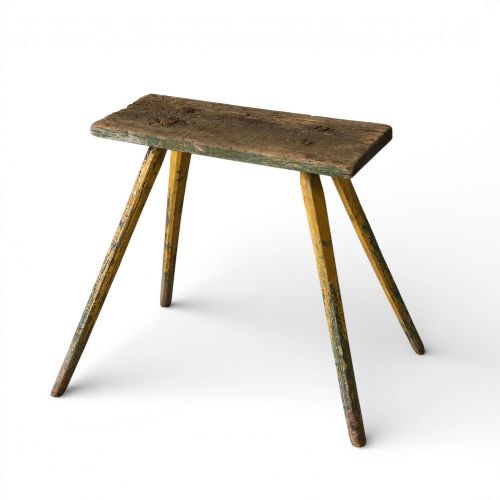
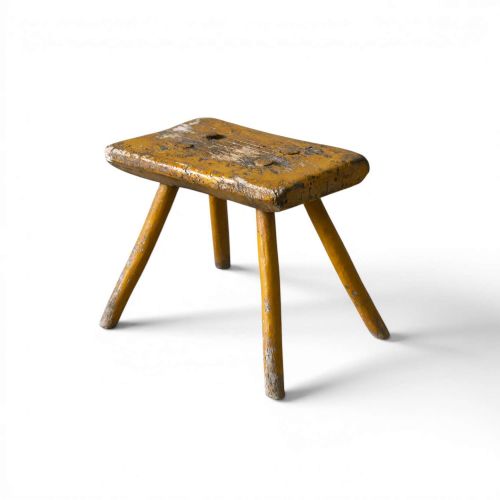
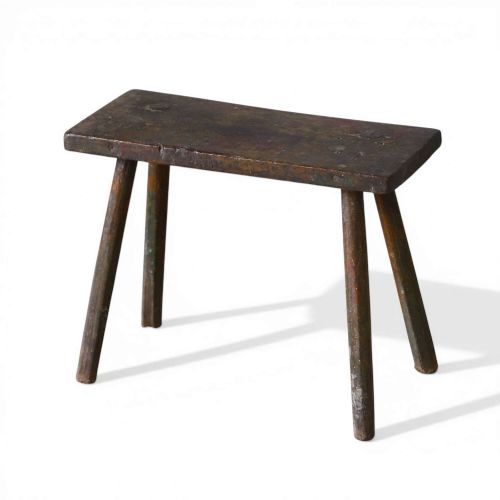
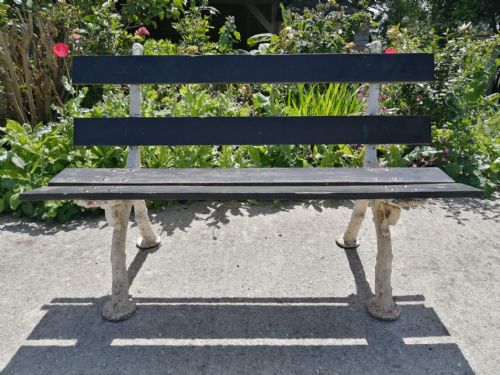
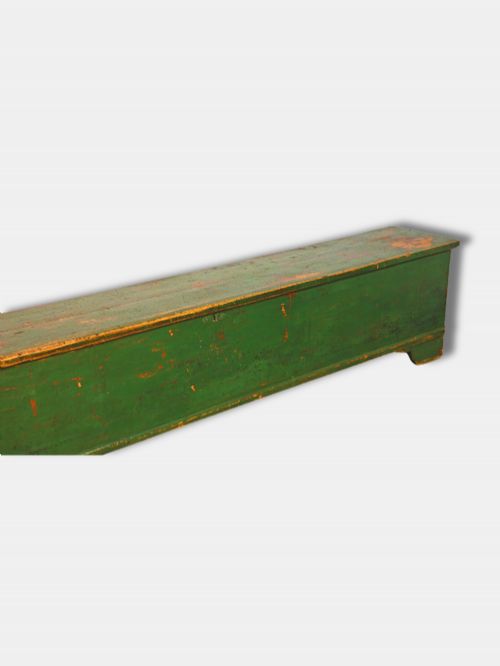
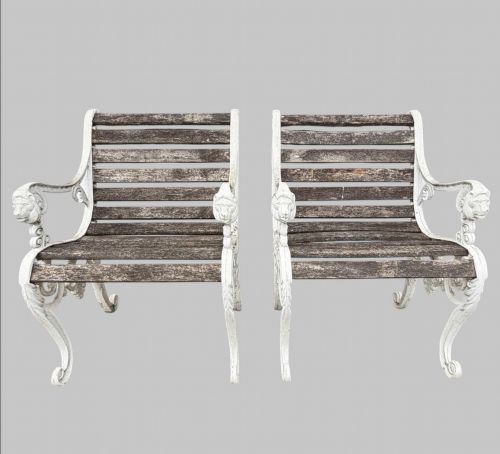
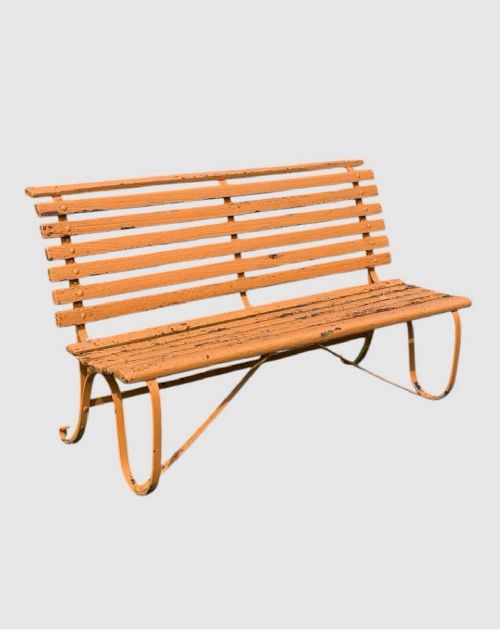
Painted Wooden Bench
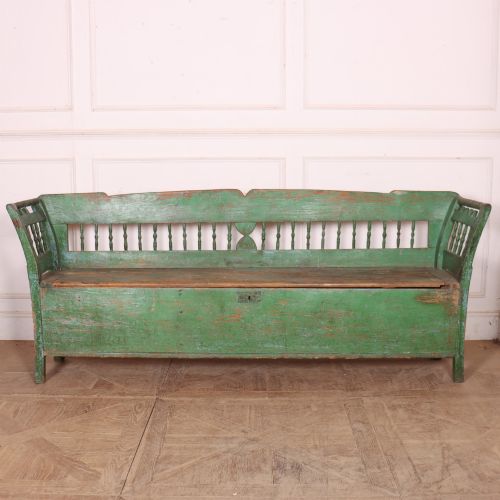
A painted wooden bench offers country seating that brings colour and character into a room.
What these pieces are
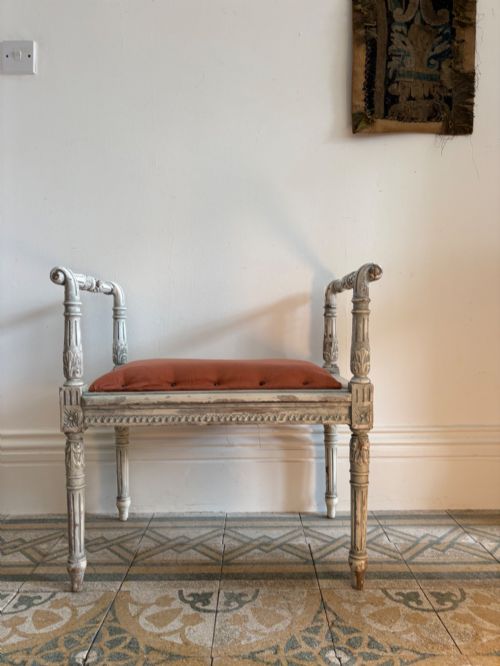
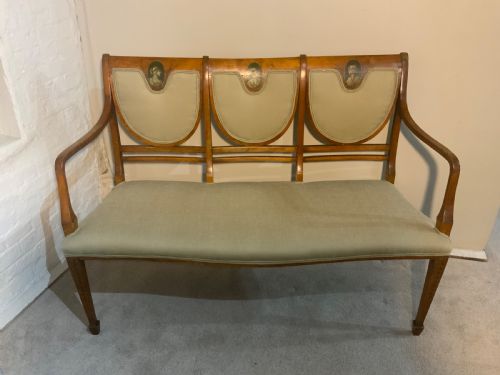
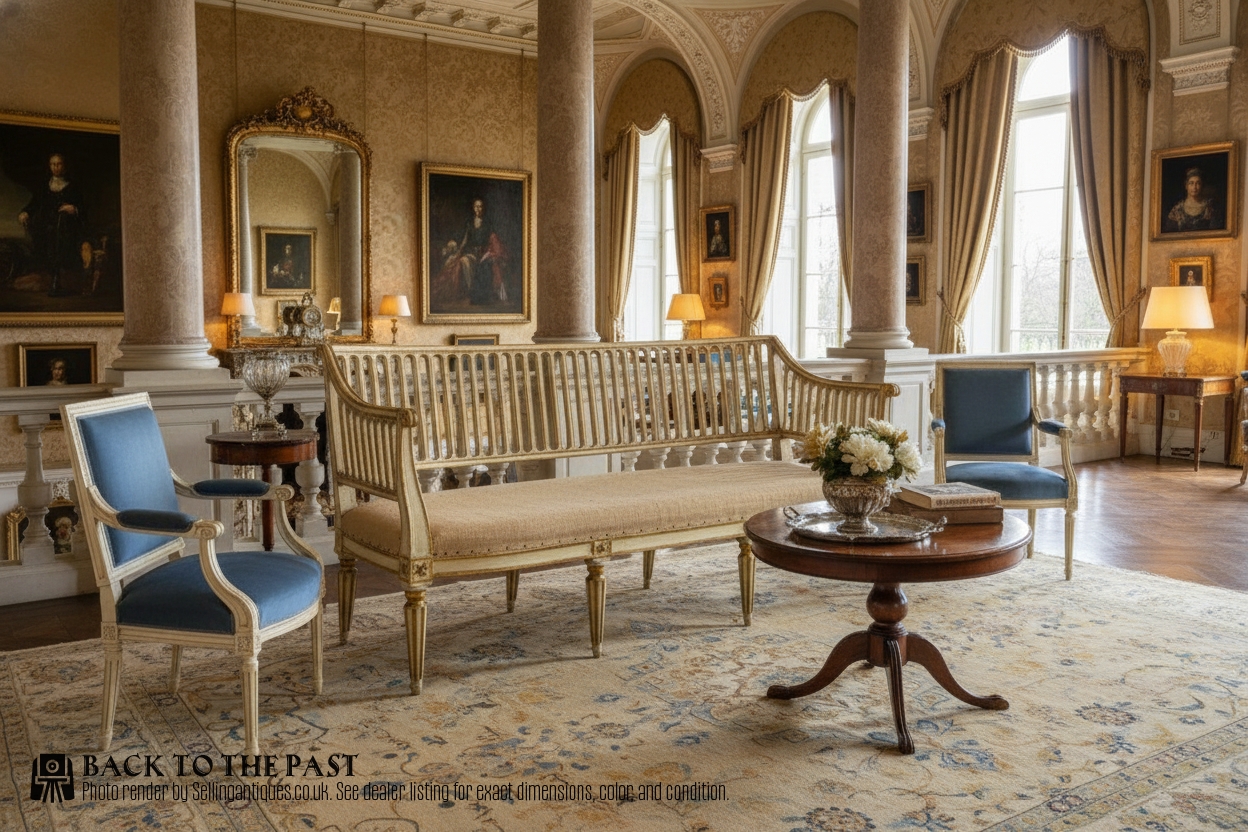
A painted wooden bench brings together practical seating and decorative surface work across several historic periods. The pieces appearing here span Georgian, Victorian, Edwardian, and nineteenth-century European traditions.
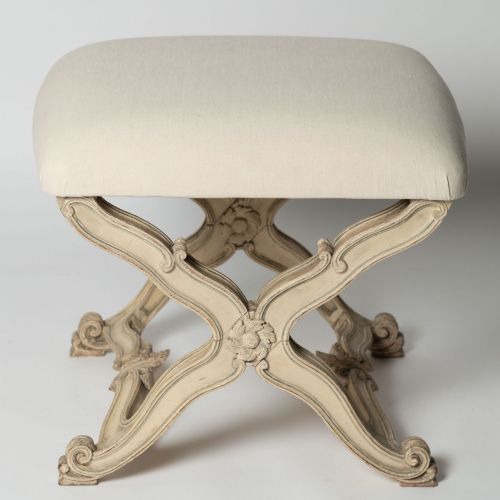
Forms range from simple pine settles and three-seater benches to refined window seats, corner seats, and satinwood sofas. Buyers encounter both rustic folk art styles and more formal Neoclassical or Sheraton Revival designs.
Origins stretch across Britain, Hungary, Sweden, and Italy, reflecting diverse regional domestic traditions. Many examples retain their original painted surfaces, showing patination acquired through decades of household use.
How they were made
Carpenters constructed these seats primarily from solid pine and other utilitarian woods, employing traditional joinery methods suited to domestic furniture. Some finer nineteenth-century pieces incorporate satinwood and delicate gilt detailing alongside the timber framework.
Surfaces received layers of hand-applied paint, sometimes featuring folk art decoration or decorative motifs. Upholstered variants integrated fabric and linen elements into the wooden structures for added comfort.
Retail Price Guide 2026
Typical UK retail prices for painted wooden bench, calculated from the Sellingantiques database of over a million retail prices indexed since 2003. This retail price guide relies exclusively on Sellingantiques data; no external sources or auction records are used, so the figures do not describe the wider market.
Some nineteenth-century railway benches occasionally escape the station platform to find unexpected retirement in domestic hallways.
What varies in quality
The standard of a painted wooden bench rests on the preservation of its original surface finish and the integrity of the timber. Pieces retaining untouched early paintwork command greater interest than those subjected to later redecoration.
Construction methods and decorative ambition also divide the range, separating simple country workshop output from sophisticated urban cabinet work or finely executed folk art.
The Painted Wooden Bench Glossary
- Settle
- A wooden bench featuring a high back, solid arms, and often a storage box beneath the seat. It provided draught-proofing in older domestic halls.
- Satinwood
- A durable, light-coloured timber native to Sri Lanka and India, highly favoured for fine cabinet making during the Georgian and revival periods.
- Folk art
- Decorative and utilitarian objects made within a regional tradition by self-taught or local artisans, often characterised by vibrant painted motifs.
- Window seat
- A long, narrow seating form designed specifically to fit within the recess of a domestic window.
- Patina
- The surface sheen and textural change developed by wood and paint through age and handling.
Frequently Asked Questions
Where did people use these benches?
Historic households placed these seats in hallways, kitchens, and formal rooms depending on their decorative refinement. Simple pine settles stood in farmhouses to block cold draughts near hearths.
Finer satinwood and decorated window seats occupied reception rooms and parlours where guests gathered. Their placement reflected both the social status of the home and the practical need for sturdy seating.
How do I identify original paint?
Original paint surfaces show natural wear, craquelure, and subtle colour fading consistent with age and domestic use. Pigments adhere tightly to the timber grain without modern synthetic gloss layers.
Examination under close light often reveals multiple historic layers or the gentle softening of edges where hands rested over generations.
Are these benches comfortable for daily use?
Most historic wooden benches offer firm, upright seating without modern cushioning unless upholstered fabric variants are chosen. Their proportions suit brief periods of sitting in hallways or dining spaces.
Adding loose squab cushions allows buyers to adapt firmer wooden bases for extended relaxation without altering the antique frame.
How do regional styles differ?
Regional pieces display distinct carpentry traditions and decorative vocabularies tied to their country of origin. Swedish and Hungarian examples often showcase lively folk art patterns and bright painted finishes.
British Georgian and Victorian pieces tend to rely on structural form, timber selection, or restrained neoclassical motifs rather than exuberant surface painting.