

Painted Wood Table
When you search for a painted wood table, you open a diverse path through centuries of decorative finishes and domestic forms.
Painted Wood Table
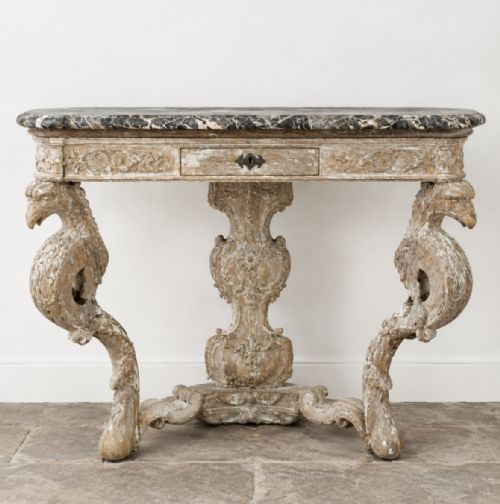
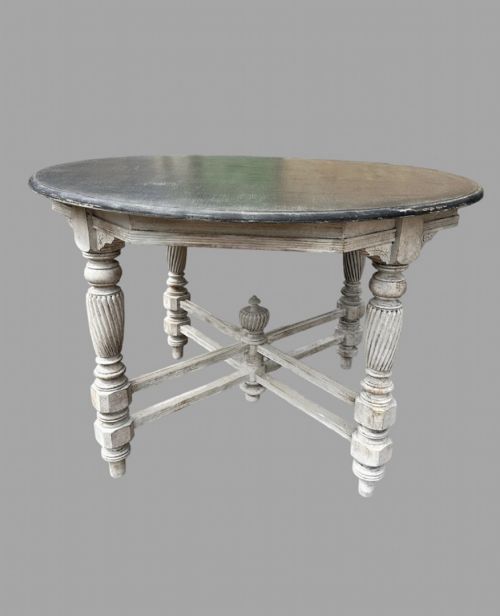
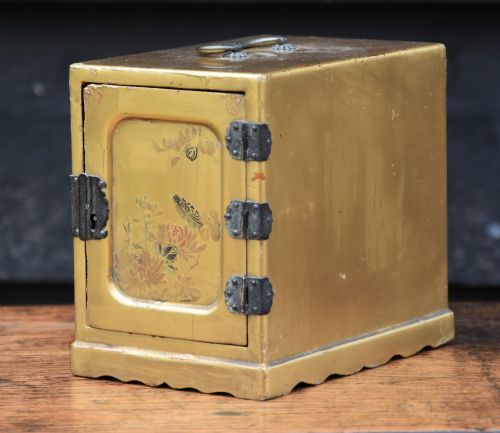
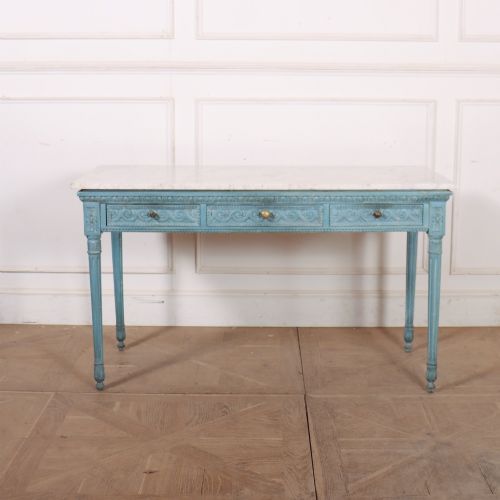
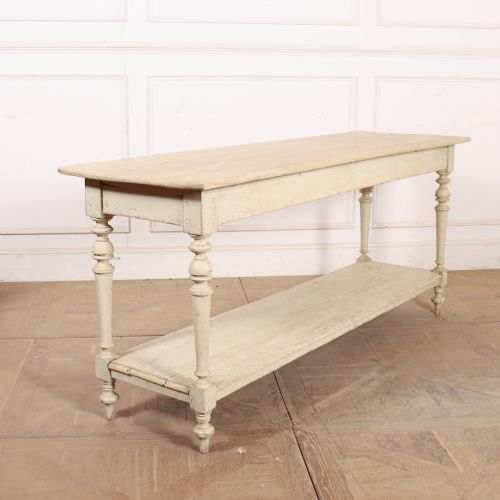
A painted wood table encompasses a wide variety of domestic furniture designed for display, support, and utility across domestic spaces. When browsing this selection, you encounter forms ranging from grand console tables and occasional pieces to compact bedside cabinets and coffee tables.
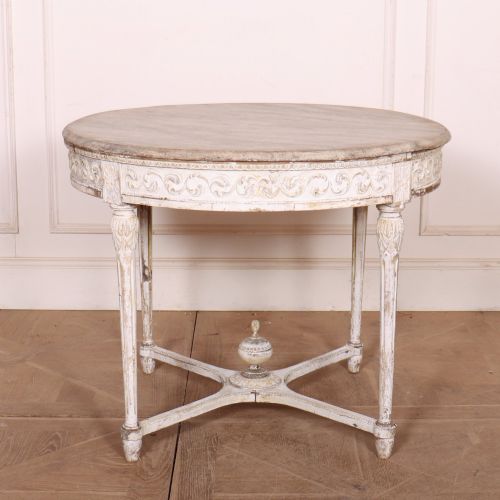
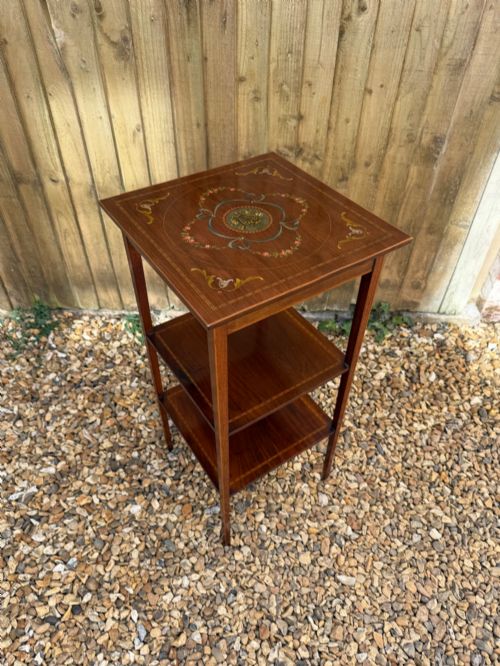
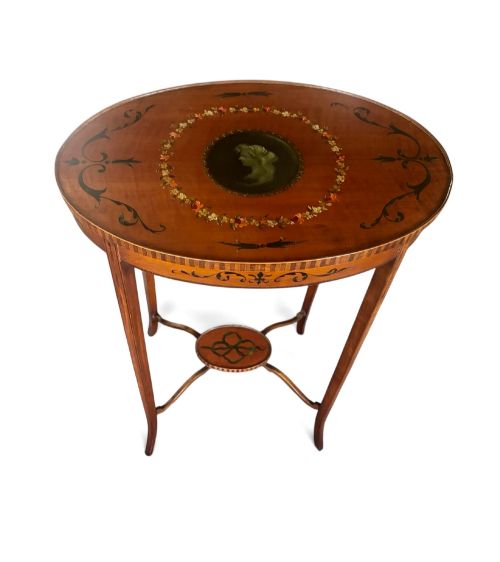
The regional diversity spans from 18th-century Gustavian and Swedish country pieces to refined Edwardian satinwood items and French provincial designs. These surfaces carry historical pigments, lacquers, and floral motifs applied directly to the timber base.
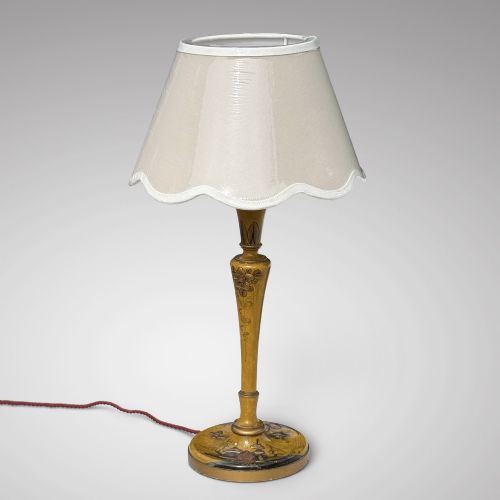
Console tables, lamp tables, and card tables dominate the current selection, reflecting how historic makers adapted painted decoration to suit formal drawing rooms and intimate chambers alike.
Materials and construction methods
Makers utilised solid timbers such as pine, fruitwood, oak, and mahogany as the foundational structure, frequently pairing them with finer veneers like satinwood for decorative surfaces. These carcases were then prepared for surface ornament through careful priming and smoothing.
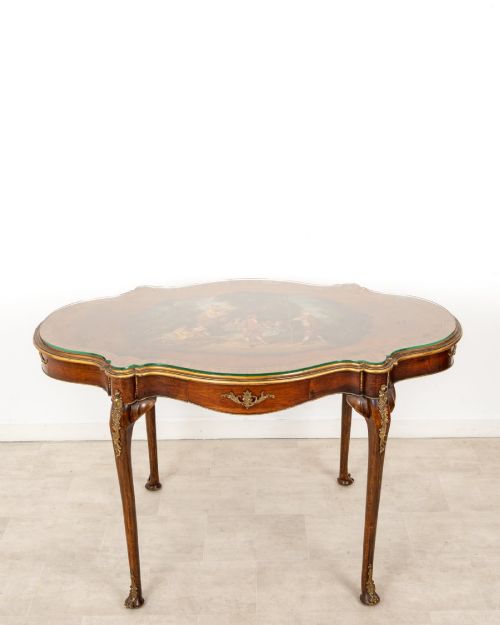
The decorative layer relied on traditional paint, lacquer, and gold leaf applied by hand, often featuring intricate floral motifs or chinoiserie scenes. Protective clear coats or wax finishes were subsequently layered over the paint to seal the artwork against daily wear.
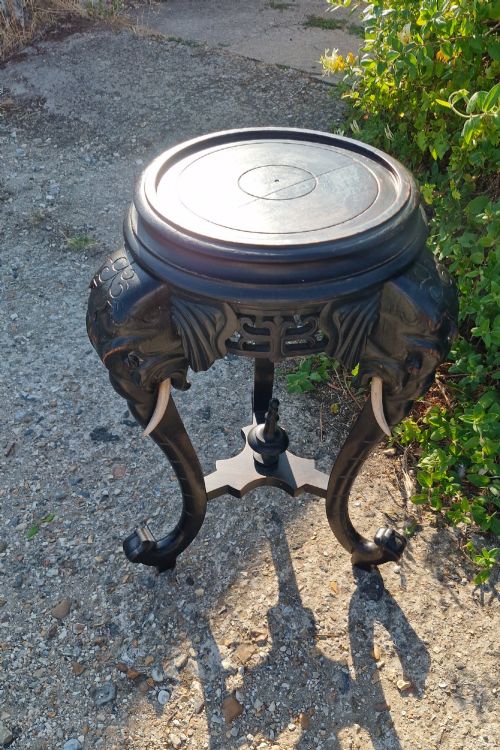
One Victorian example includes painted wooden tusks on an elephant table.
Distinctions in quality and execution
The standard of a painted wood table rests primarily on the finesse of the brushwork and the preservation of the original decorative scheme. Pieces featuring delicate, hand-painted botanical details or crisp chinoiserie demonstrate a significantly higher level of artisan skill than simpler, utilitarian applications.
Structural integrity and timber selection also divide everyday furniture from superior examples. Fine grain matching beneath the paint, precise joinery in drawers and legs, and the retention of authentic period pigments elevate an object's standing.
Gillows
The Painted Wood Table Glossary
- Chinoiserie
- European interpretations of Chinese and East Asian artistic traditions, popular in decorative paintwork on furniture during the 18th and early 20th centuries. This style frequently incorporates motifs of landscapes, figures, and pagodas rendered in lacquer or fine pigments.
- Console table
- A table designed to stand against a wall, traditionally supported by wall brackets or console legs. These pieces often feature elaborate painted decoration or gilding as they were meant for formal display.
- Satinwood
- A durable, yellowish timber native to India and Ceylon, prized for its lustrous grain and smooth texture. It served as a favoured canvas for delicate painted floral swags and neo-classical motifs during the Georgian and Edwardian periods.
- Demi-lune
- A half-moon shape characteristic of card and console tables built to fit flush against a wall. This profile allowed makers to save floor space while providing an expansive surface for decorative painted panels.
- Étagere
- A small open shelving unit or side table with multiple tiers used for displaying small decorative objects. Continental examples often combined painted wood frames with gilded accents.
Painted Wood Table: Frequently Asked Questions
What rooms suit a painted wood table best?
These pieces find natural homes in hallways, drawing rooms, and bedrooms where their decorative surfaces can catch the light. Compact lamp tables and bedside cabinets add character to intimate corners without overwhelming the floor plan.
Larger console tables work well against plain walls in dining areas or reception rooms, acting as focal points that display lamps, ceramics, or books.
How do I care for antique painted surfaces?
Maintain the finish by dusting gently with a dry, soft cloth and avoiding chemical polishes that can degrade historic paint layers. Keep the furniture away from direct sunlight and steady heat sources to prevent the wood from shifting and the paint from cracking.
Wax should be applied sparingly and only if the specific finish calls for it, consulting a specialist if the piece retains its original lacquer.
How can I tell the period of the paint?
Examine the craquelure, pigment depth, and the way the paint has integrated into the wood grain over time. Hand-mixed historic pigments often show subtle variations in tone that modern synthetic paints fail to replicate.
Tool marks on the underlying timber and the type of primer used beneath the topcoat also offer clues to the approximate decade of manufacture.
Were these tables always used for display?
While many occasional and console tables served purely aesthetic purposes, others fulfilled specific domestic tasks. Card tables accommodated evening games, and work tables held sewing equipment and writing materials.
The inclusion of drawers, folding tops, or hinged compartments indicates the practical function intended by the original maker.