

Polychrome Painted Table
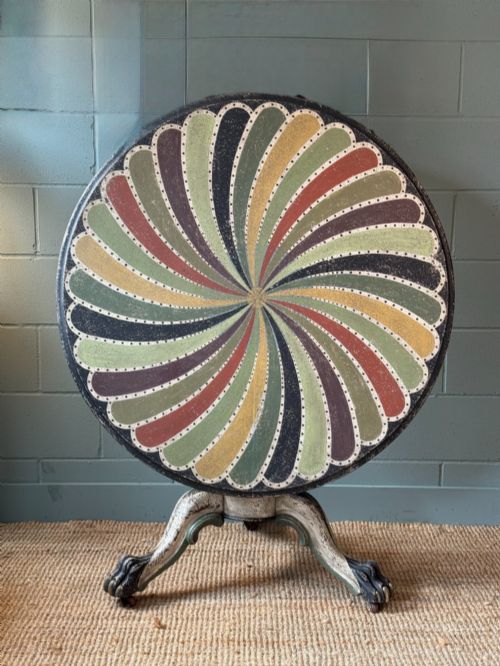
These pieces for a polychrome painted table bring vibrant pigments and diverse stylistic traditions from the nineteenth and early twentieth centuries into a room.
Polychrome Painted Table
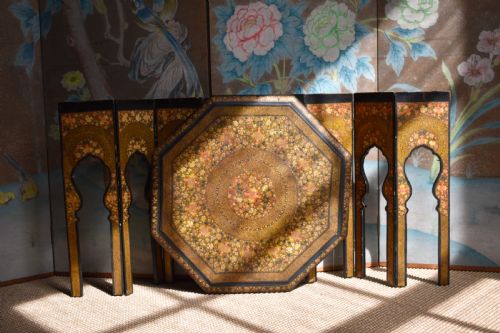
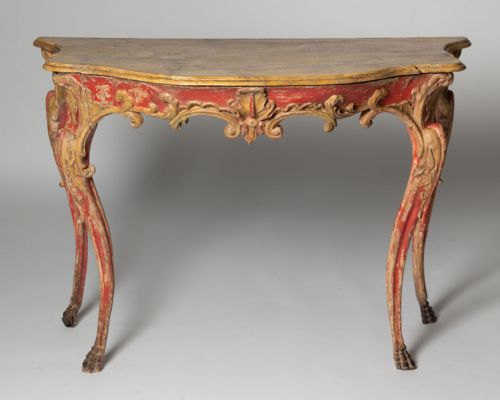
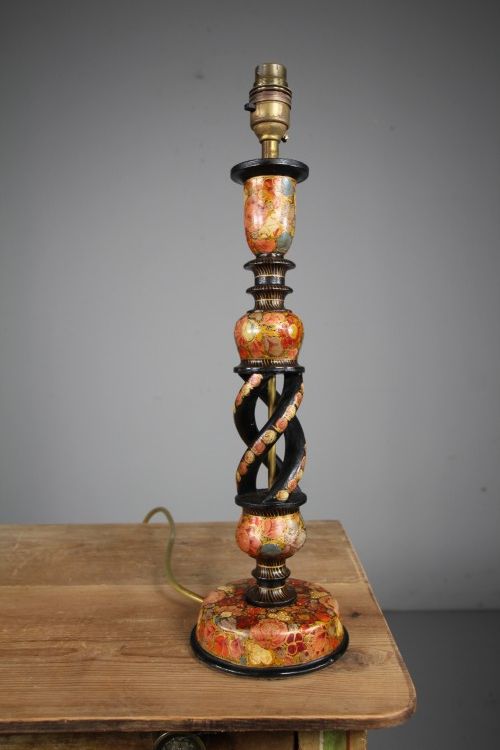
A polychrome painted table covers occasional surfaces, console designs, and tilt-top pieces originating from varied regional workshops. The selection frequently includes Italian console tables with painted decoration, Venetian side tables, and carved wooden tables from Kashmiri traditions.
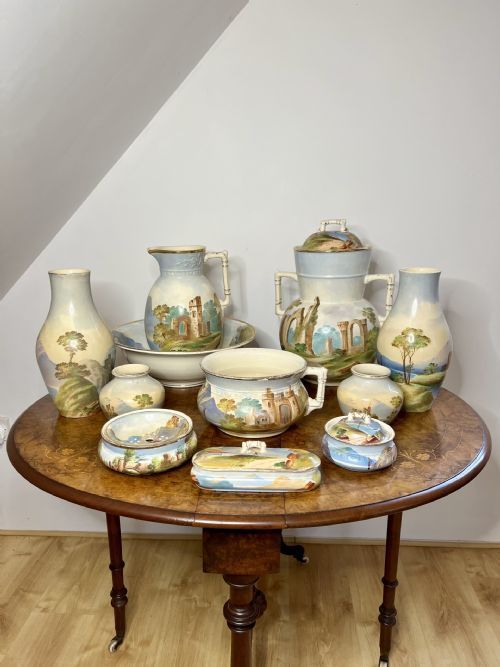
The periods span the Victorian era and the early twentieth century, showing influences from Rococo Revival to Chinoiserie and Orientalism. Buyers encounter both European painted wood surfaces and imported Asian decorative items adapted into furniture.
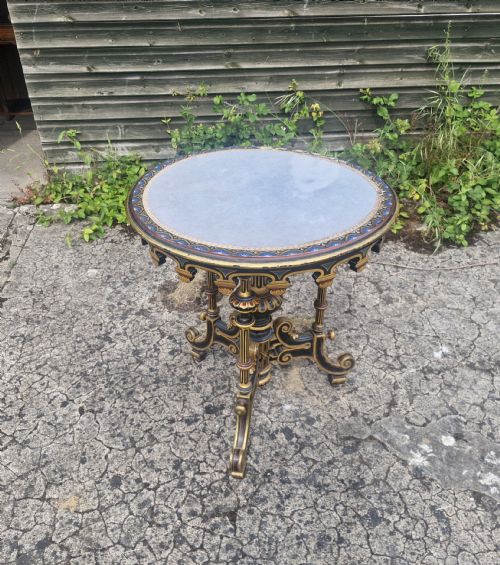
Side tables and occasional tables dominate the selection, often carrying floral motifs, lacquered finishes, or later hand-painted petal designs. These items serve as functional display pieces with distinct historical ornament.
Materials and Technique
Makers utilised wood as the primary structural material, frequently applying gesso, lacquer, and oil-based paints to build up decorated surfaces. Gold leaf accents and brass mounts appear across European and Asian examples to highlight specific structural details.
Techniques combine traditional woodworking with detailed hand-painting, deploying multiple pigment layers to achieve rich polychromatic effects. Artisans employed surface varnishes and protective coatings over the painted designs to preserve the pigments on tables and occasional furniture.
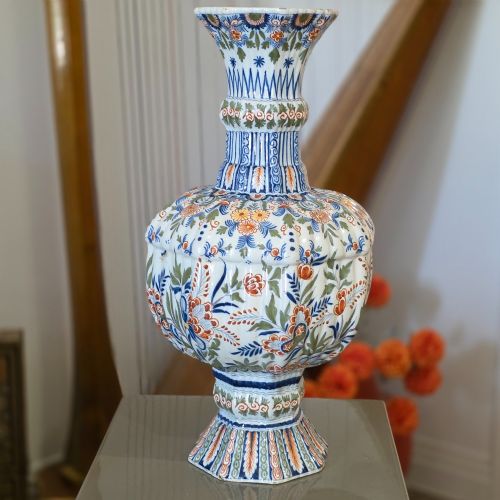
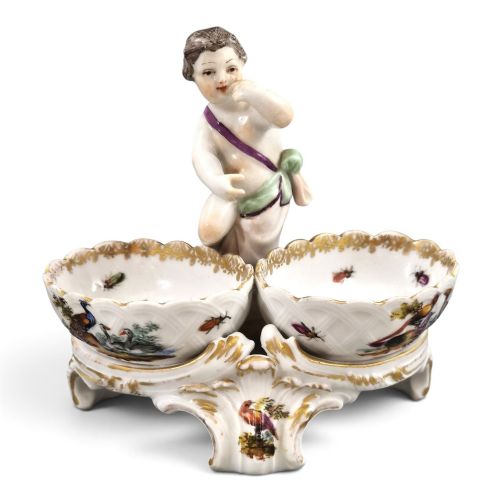
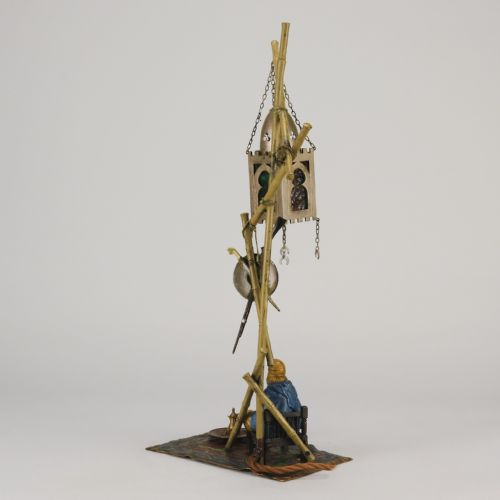
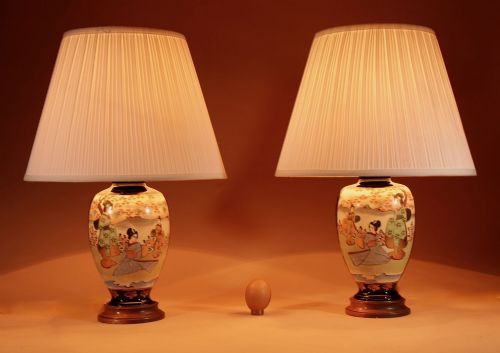
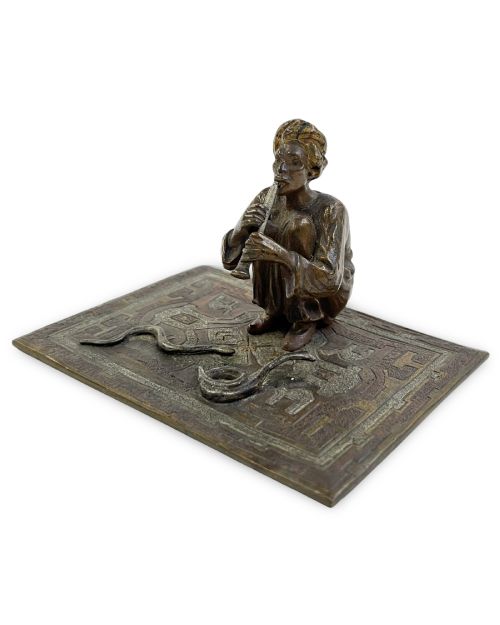
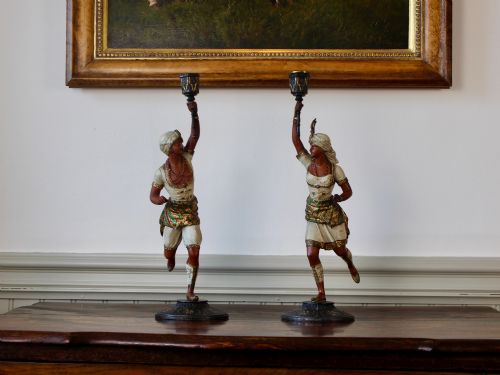
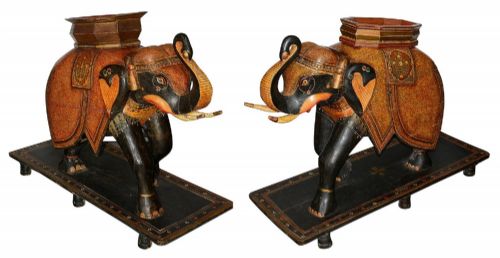
Elephants carved in wood and lacquer share the room with delicate porcelain figures and bronze snake charmers.
Craftsmanship and Execution
Quality rests in the precision of the hand-painted details and the stability of the underlying wooden construction. Superior examples display confident brushwork and harmonious colour palettes that remain integrated with the form of the table.
The execution of decorative motifs, whether floral arrangements or regional patterns, determines the refinement of the piece. Tables with crisp detailing and intact surface finishes stand apart from items showing heavy later overpainting or structural compromise.
Franz Bergman·Franz Xaver Bergman·Miles Mason·Pauly et Cie
The Polychrome Painted Table Glossary
- Polychrome
- Decorated in multiple colours. This term describes surfaces painted or glazed with a diverse palette of pigments.
- Gesso
- A plaster mixture used as a smooth base for painting on wood. It provides an even surface for detailed polychrome decoration.
- Chinoiserie
- European decorative style reflecting Chinese artistic traditions. It appears on furniture and ceramics through motifs like figures, pavilions, and landscapes.
- Tilt-top
- A table mechanism allowing the surface to pivot vertically when not in use. This space-saving design was common in nineteenth-century occasional tables.
- Lacquer
- A clear or coloured varnish applied in multiple coats to wood. It creates a durable, glossy finish characteristic of Asian and European decorative pieces.
Polychrome Painted Table: Frequently Asked Questions
What periods do these painted tables come from?
The listings encompass items produced during the nineteenth century, the Victorian period, and the early twentieth century up to the 1930s. Workshops across Europe and Asia contributed to this stylistic range.
Specific decades represented include the 1860s, 1880s, 1890s, and the 1920s, reflecting diverse regional tastes and manufacturing techniques from each era.
How do I care for a painted wooden surface?
Keep painted tables away from direct sunlight and excessive heat sources to prevent the pigments from fading and the wood from warping. Dust the surface gently with a dry, soft cloth.
Avoid using harsh chemical cleaners, polishes, or abrasive cloths that can damage the historical paint layers and protective varnishes.
What is the difference between Italian and Kashmiri tables?
Italian tables in this selection frequently utilise Neoclassical or Rococo Revival forms, occasionally incorporating specimen marble tops or Venetian painted motifs. They reflect European classical traditions.
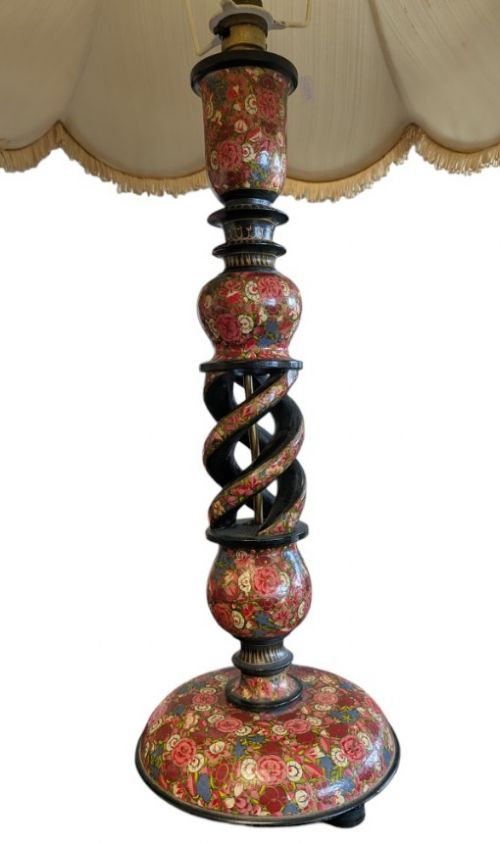
Kashmiri tables typically feature intricate carved wood and lacquer work with distinct regional patterns, showcasing traditional craftsmanship from the Indian subcontinent.
Where were these occasional tables used historically?
Historically, these small tables served functional roles in drawing rooms, parlours, and salons for holding decorative objects, lamps, or writing materials. Their portable sizes allowed them to be moved easily around reception rooms.
Today, they function as accent furniture in modern interiors, providing a practical surface while introducing historical colour and pattern to a room.