




Painted Wood Plant Stand
These painted wood plant stand pieces lift greenery to eye level, bringing height and decorative colour to a room.
Painted Wood Plant Stand
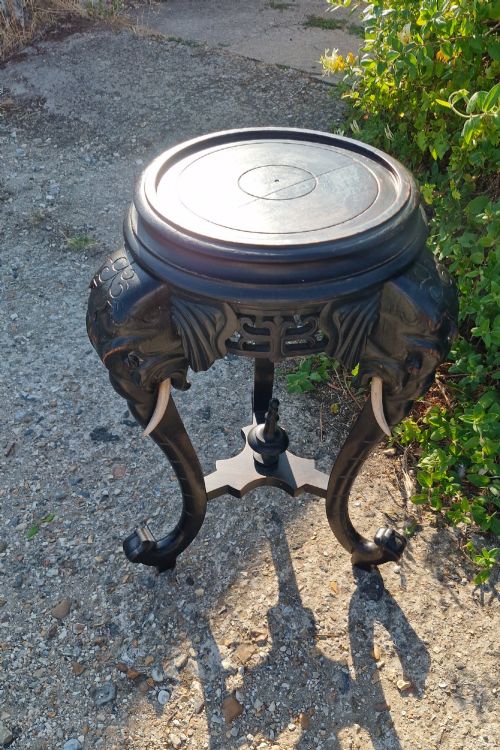
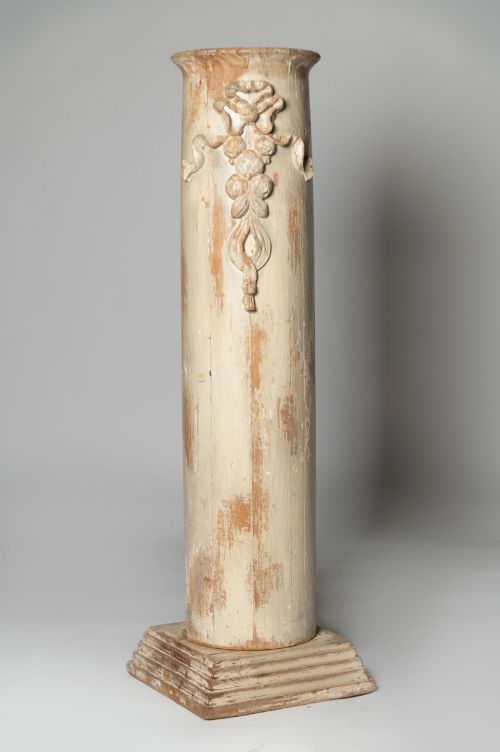
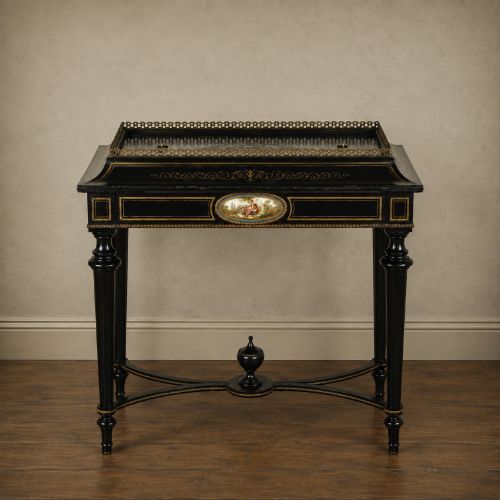
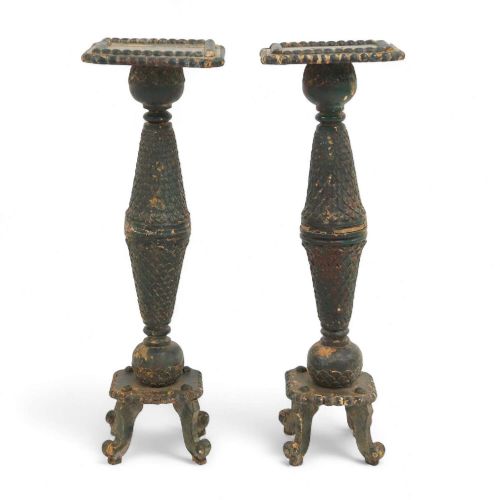
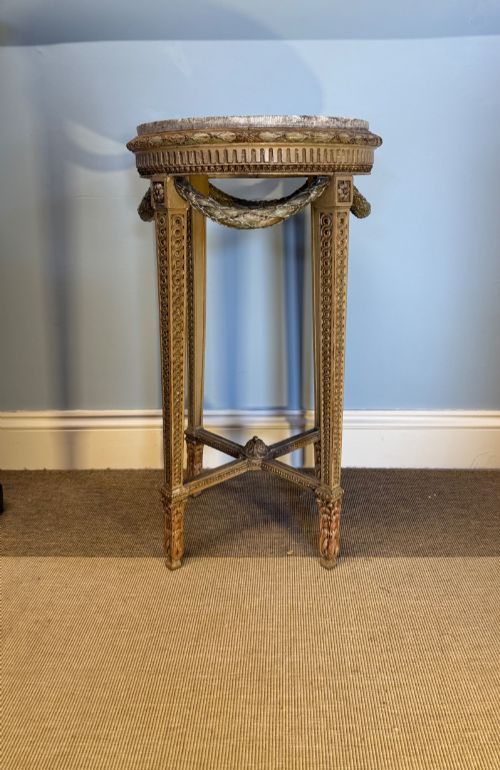
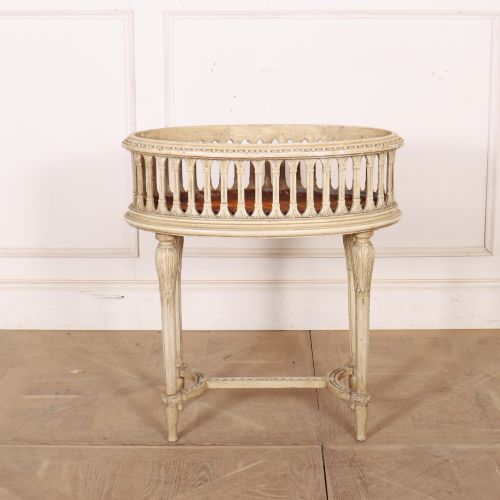
A painted wood plant stand elevates pots and urns, taking the form of columns, pedestals, torchières, and small occasional tables. Buyers seeking this phrase encounter Victorian pieces alongside 19th-century French and Italian examples designed to support jardinières.
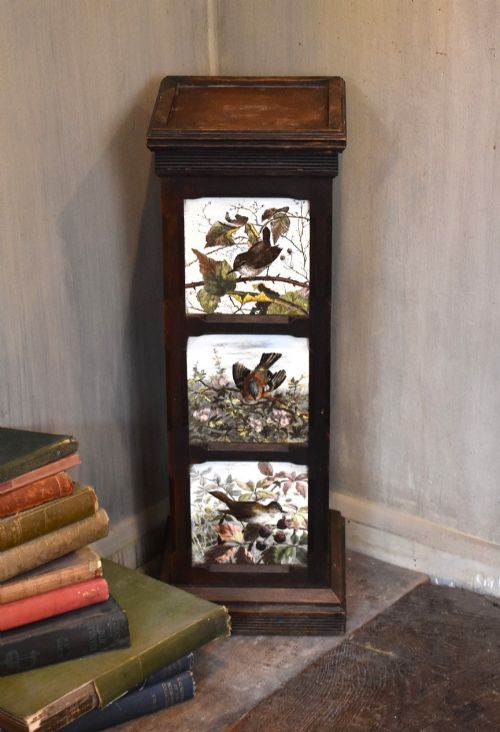
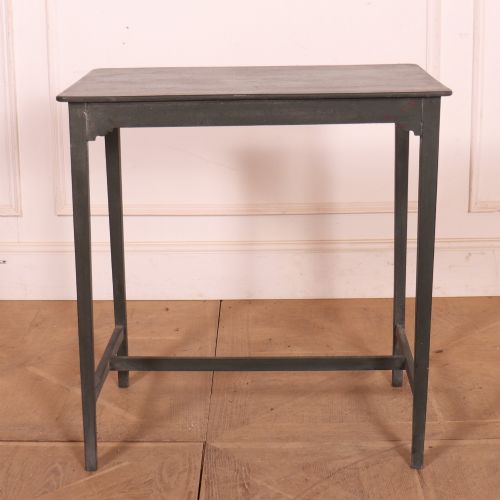
The selection ranges from tall architectural columns and sculptural pedestals to three-tier tripod tables and side tables. Many incorporate specialised tops of marble or feature surfaces prepared for plants.
Origins vary across English country workshops, French chateaus, and Anglo-Indian or Kashmiri studios, spanning the 18th century through the 1920s.
Materials and construction
Carved and turned timber forms the structural core of these stands, often utilising pine, oak, mahogany, or ash beneath the surface decoration. Craftsmen built columns and pedestals to bear vertical weight while maintaining slender proportions.
Surfaces received layers of paint, gesso, gold leaf, lacquer, or faux finishes to imitate more costly marbles and exotic woods. Artisans applied original green paint, ebonised treatments, or intricate floral motifs in the French, Gustavian, or Neoclassical taste.
Specialised tops integrated inset marble slabs or tiled surfaces to withstand damp soil and water splashes from potted plants and jardinières.
Periods represented span the 18th century through the 1930s, including Victorian, Edwardian, and Gustavian examples.
Assessing quality and finish
The integrity of the decorative surface distinguishes finer examples, noting whether original paint survives beneath later decoration or if surfaces show authentic patination. Faux marble and grain-painted finishes demand precise handwork to convince the eye.
Architectural proportions and stability dictate worth in tall columns and torchières, where slender turned shafts must meet heavy bases without wobble. Carved details, such as those on animal supports or moulded capitals, separate standard utility items from decorative showpieces.
Marguerite
The Painted Wood Plant Stand Glossary
- Torchere
- A tall ornamental stand designed to hold a light or a plant. These slender columns often feature carved wood and painted or gilded surfaces.
- Jardiniere
- An ornamental pot or stand for holding flowers and plants. They frequently appear with waterproof marble tops or protective tile insets.
- Gesso
- A plaster-like mixture applied to wood surfaces to create a smooth base for paint or gilding. It allows for crisp moulding and decorative relief work.
- Vernis Martin
- A type of European lacquer finish mimicking Asian lacquerwork. It is named after the French brothers who perfected the clear, glossy varnish.
- Pedestal
- A structural support or column base for a bust, urn, or plant stand. Examples range from plain cylindrical shafts to ornate Neoclassical columns.
Painted Wood Plant Stand: Frequently Asked Questions
What is a plant stand used for?
These pieces elevate potted greenery, flowers, and sculptural vases to improve room proportions and display botany effectively.
They serve practical roles beside seating or in corners where vertical height breaks up horizontal furniture lines.
Are these stands strong enough for heavy pots?
Most are constructed from sturdy timbers like oak, pine, or ash with wide bases designed to bear significant downward weight.
Columns and heavy torchières offer high stability, though slender tripod tables suit lighter flora.
How do I date a painted wooden stand?
Dating relies on stylistic clues, construction methods, and the medium of the paintwork, ranging from Victorian ebonising to earlier Neoclassical motifs.
Examining the underlying wood species and wear patterns helps place pieces within the nineteenth or early twentieth centuries.