


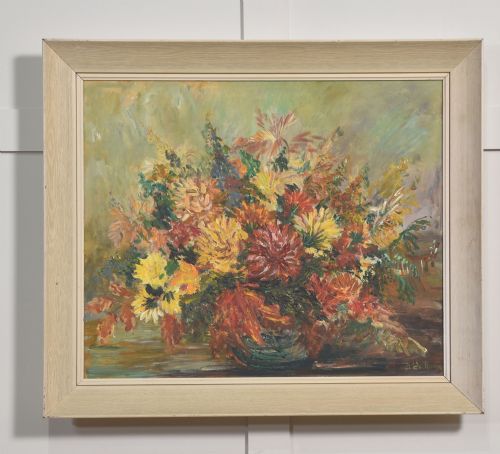
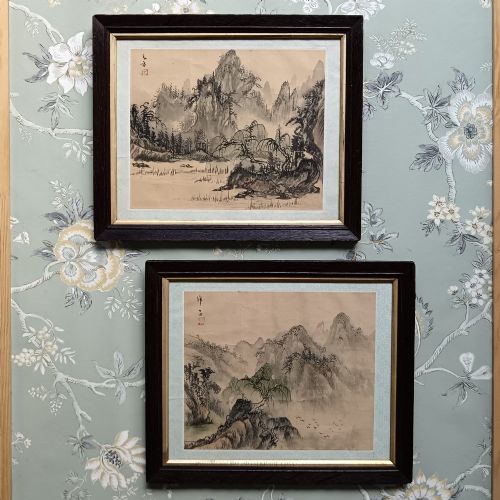
Painted Wood Framed Artwork
Painted wood framed artwork consists of paintings and portraits created on panels, canvas, or paper housed within timber surrounds, ranging from the seventeenth century to the mid-twentieth century.
Painted Wood Framed Artwork
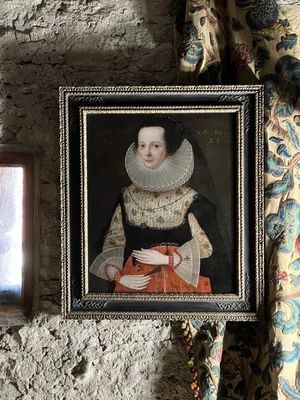
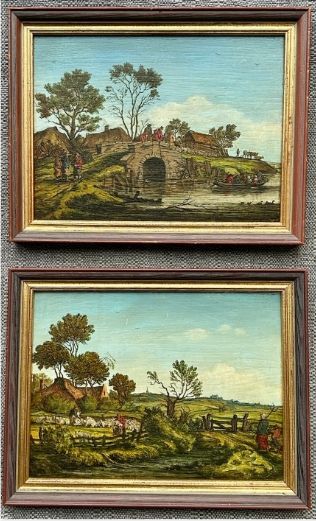
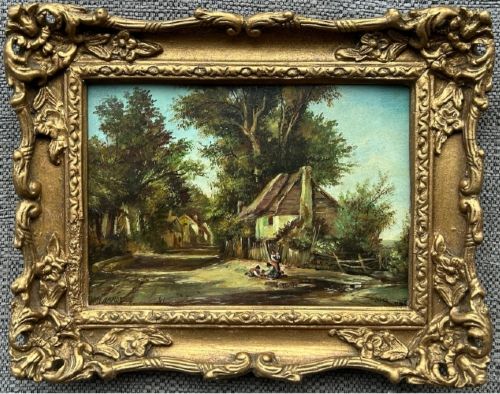
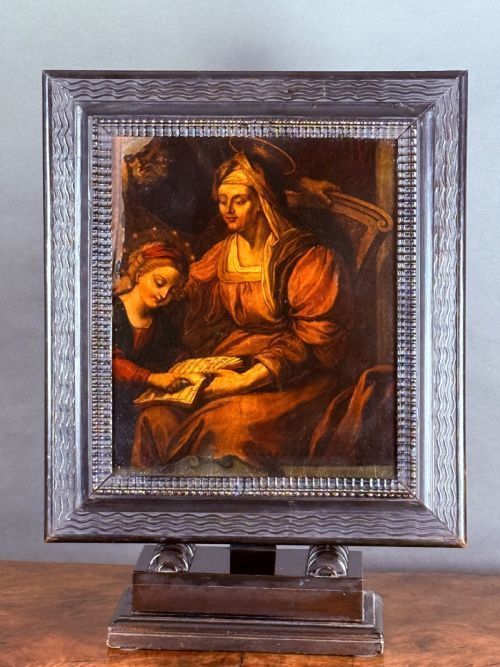
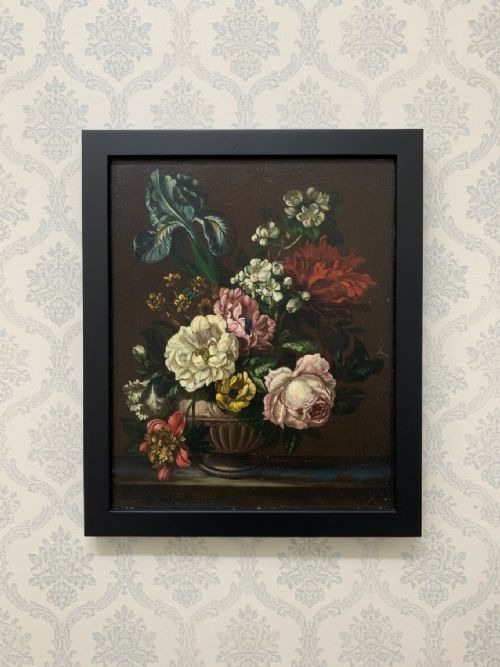
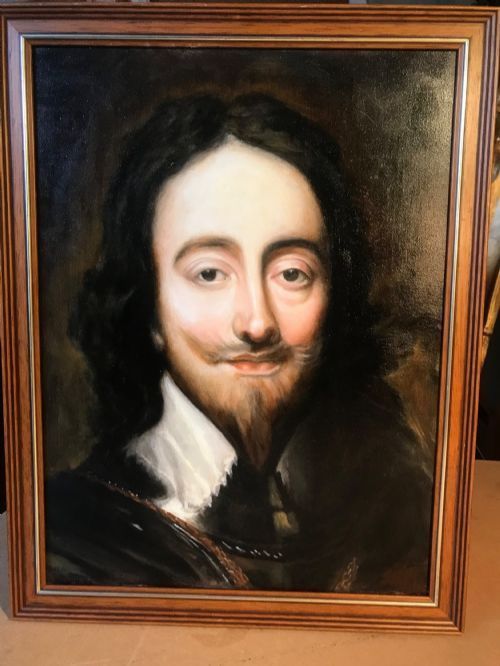
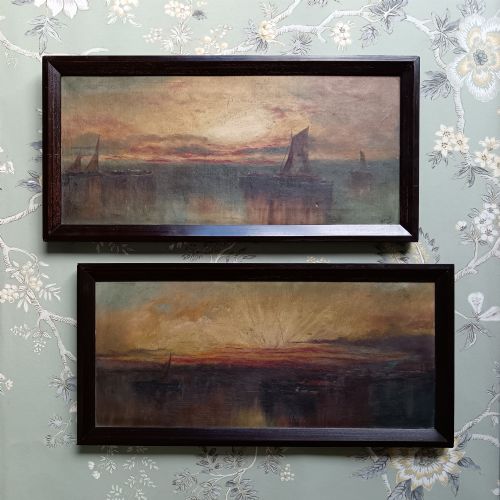
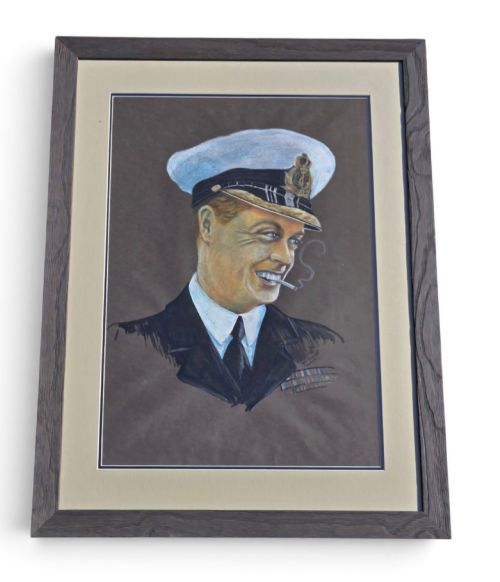
Painted wood framed artwork encompasses a variety of historical visual pieces, including oil paintings, watercolours, pastels, and reverse glass paintings held within wooden frames. When searching for painted wood framed artwork, buyers encounter pieces dating from the seventeenth, eighteenth, nineteenth, and early twentieth centuries, alongside mid-twentieth-century examples.
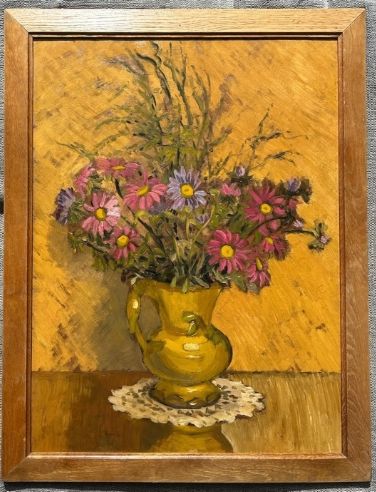
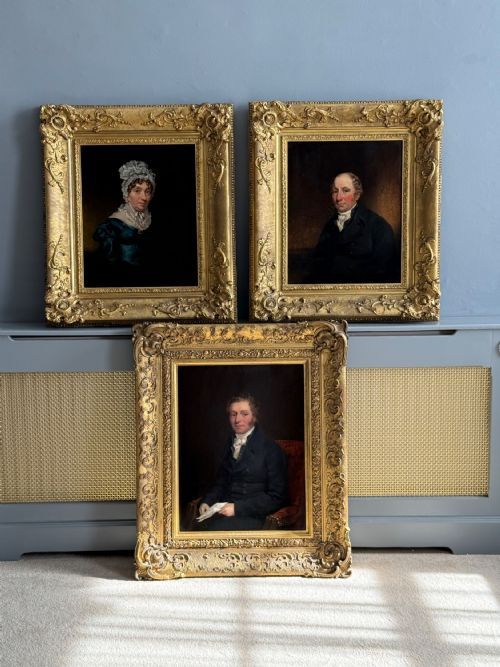
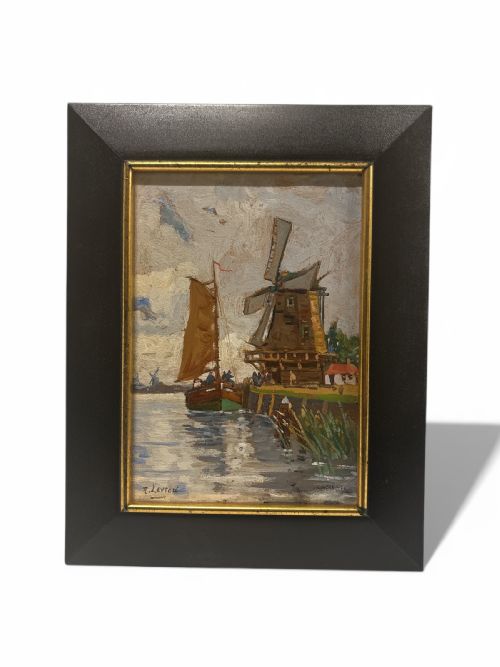
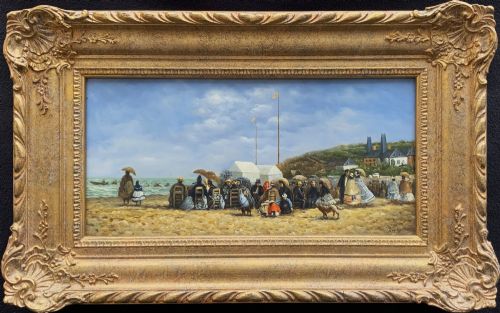
The subjects span formal portraiture, botanical studies, marine scenes, still lifes, and architectural landscapes created by various schools and individual artists. These works frequently utilise wood panels, canvas, board, and paper as primary supports housed within period timber frames.
Originating from British, French, Dutch, and Italian contexts, these items reflect diverse historical aesthetics ranging from Baroque and Regency to Impressionist and Naive Art styles. Buyers select these pieces to acquire historical visual works complete with their original or period-appropriate wooden surrounds.
How Painted Wood Framed Artwork Was Made
Makers produced these works using oil paint, watercolour, or pastel applied to prepared surfaces such as wood panels, stretched canvas, boards, silk, and heavy paper. Selected pieces employ reverse glass painting and mezzotint techniques, demonstrating specialised historical media handling.
The supporting frames are constructed from timber, occasionally accented with gold leaf or structured using specific woods like rosewood to complement the artwork contained within. Artisans matched the physical housing directly to the pictorial medium to ensure stability and aesthetic harmony.
Painted Wood Framed Artwork Retail Price Guide 2026
Typical asking prices for painted wood framed artwork among the pieces listed under this phrase on Sellingantiques today, from the lower quarter to the upper quarter. They describe what is for sale here now, not the wider market.
Listings feature works spanning the seventeenth century to 1960, utilising wood, canvas, paper, glass, oil paint, gold leaf, and watercolour.
What Varies in Quality
The standard of execution in the painted surface distinguishes the distinction between average and superior examples, seen in the precision of portrait detailing, brushwork control, and compositional balance. Works by documented academic painters or established regional schools demonstrate superior draughtsmanship compared to simpler unsigned studies.
The integrity and originality of the wooden frame significantly influence the overall standard, particularly when the surround retains its period gilding, matching timber grain, and primary construction. Complete pieces that preserve their original framing materials offer greater historical cohesion.
Joseph Clover RA·Michelangelo Meucci·Stephen Samuel Lewin·Frank Watson Wood
The Painted Wood Framed Artwork Glossary
- Oil on Panel
- A painting executed with oil-based pigments directly upon a prepared wooden board. This support provides a rigid surface often utilised in earlier centuries.
- Reverse Glass Painting
- An artwork created by applying pigment directly to the back side of a glass sheet so the final image is viewed through the front. This delicate technique produces a distinct glossy finish.
- Pastel
- A dry drawing medium composed of powdered pigment and a binder, shaped into sticks. It produces velvety colours frequently utilised for historical portraits on paper.
- Regency
- A British stylistic period spanning the early nineteenth century, characterised by classical restraint and elegance. Pieces from this era often reflect neoclassical design influences.
- Still Life
- An artwork depicting inanimate subject matter, typically commonplace objects such as flowers, fruit, or game birds. These compositions highlight the artist's ability to render light and texture.
Painted Wood Framed Artwork: Frequently Asked Questions
How do I date a wooden frame?
Dating relies on examining the timber species, construction joinery, and surface finishes such as period gilding or original polish. Changes in moulding profiles across centuries help align the frame with the period of the artwork it houses.
Many pieces retain their original surrounds, though replacement frames from subsequent historical periods also occur frequently within the selection.
What is a reverse glass painting?
A reverse glass painting is created by painting directly onto the rear surface of a glass pane, requiring the artist to apply fine details and foreground elements first before the background layers. This method results in a preserved, glossy image viewed through the front glass.
Historical examples often depict religious or decorative subjects from the seventeenth and eighteenth centuries.
Where should I hang these artworks?
These pieces suit traditional living spaces, studies, and hallways where stable environmental conditions protect historical wood and paint media. Avoid placement in direct sunlight or areas with high humidity to prevent timber warping and pigment fading.
Matching the period of the frame to surrounding interior elements helps integrate the artwork into domestic spaces.
How do I identify oil on panel pieces?
Oil on panel works feature pigment applied to a solid wooden support rather than flexible canvas, often revealing subtle wood grain texture under magnification. This rigid medium was favoured by artists from the seventeenth century through to the modern era for its durable painting surface.
Examining the reverse side of the board frequently reveals historical maker stamps, grain direction, and panel preparation marks.