

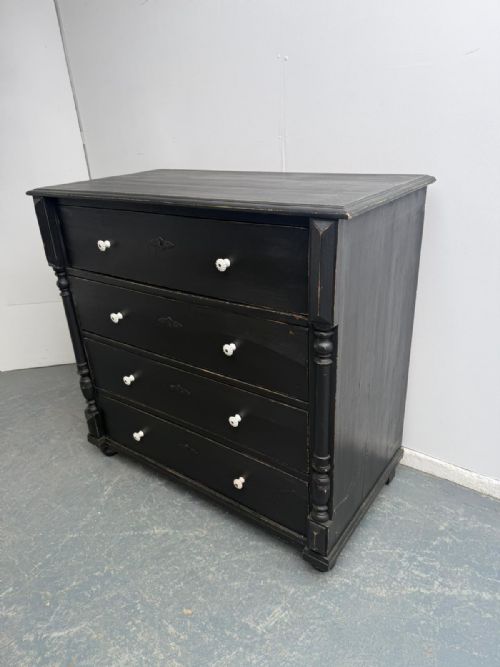
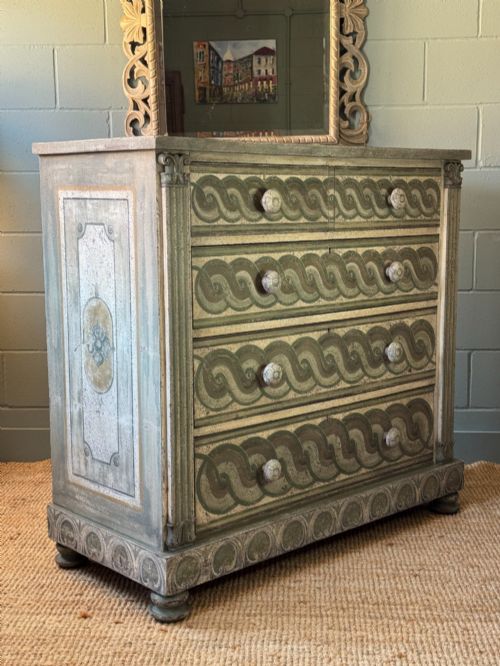


Painted Wood Commode Chest
A painted wood commode chest provides practical storage with decorative painted surfaces originating from various European traditions.
Painted Wood Commode Chest
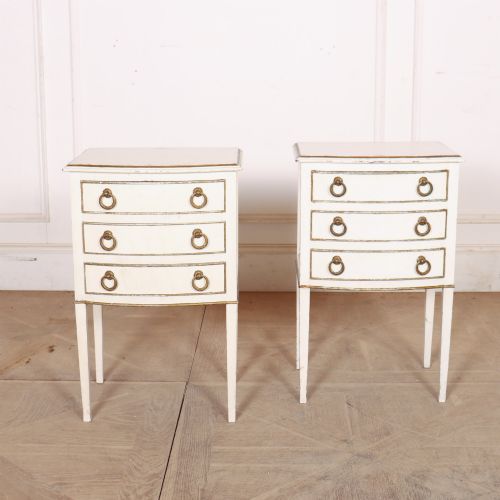
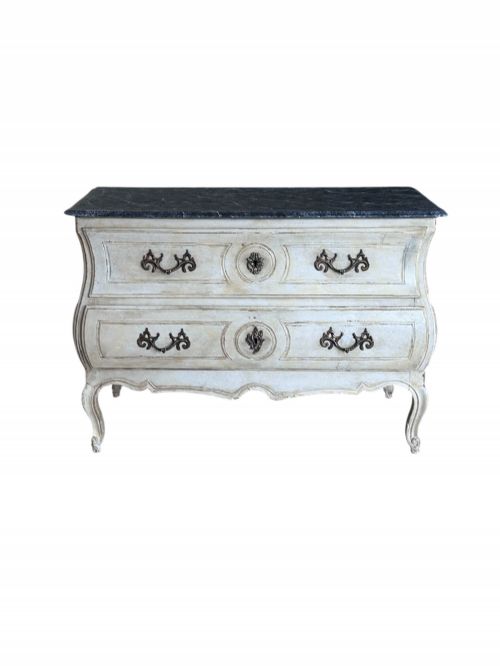
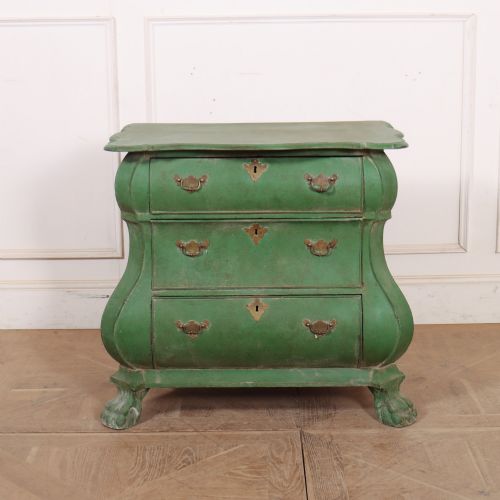
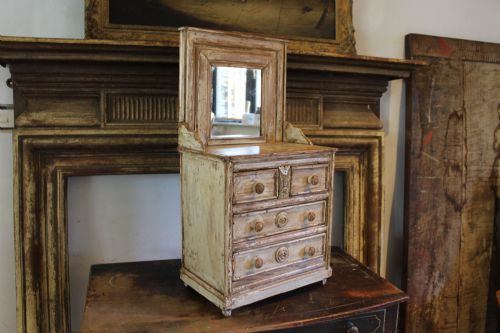
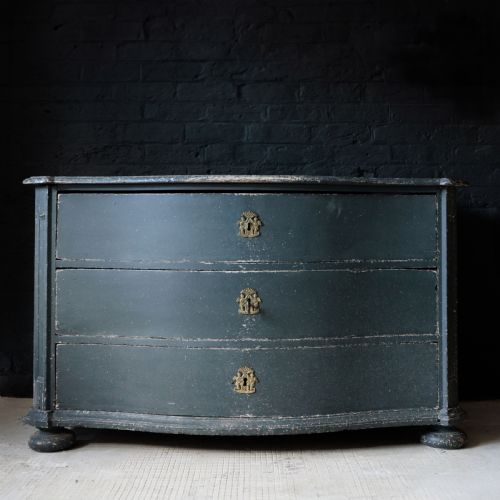
A painted wood commode chest combines structural drawer storage with decorative surface treatments, frequently seen in forms ranging from compact bedside tables to larger serpentine and bombe shapes. When searching for a painted wood commode chest, buyers encounter items originating from English, French, Italian, Scandinavian, and Spanish workshops spanning the eighteenth, nineteenth, and early twentieth centuries.
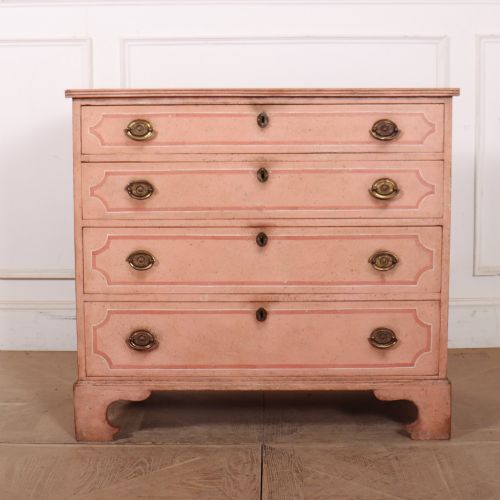
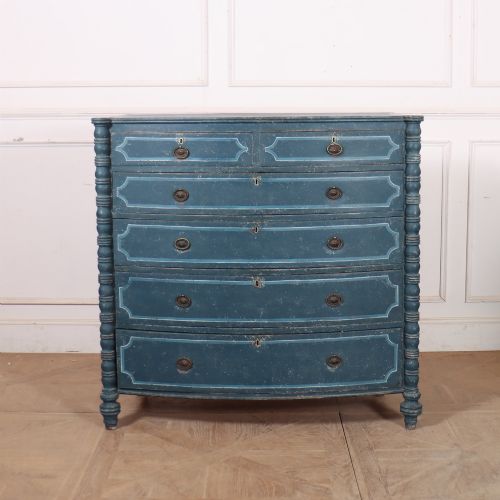
The selection includes regional interpretations such as Gustavian Swedish chests, French provincial commodes, and English bowfront designs. These pieces function primarily as functional storage furniture while serving as decorative focal points within a room.
How they were made
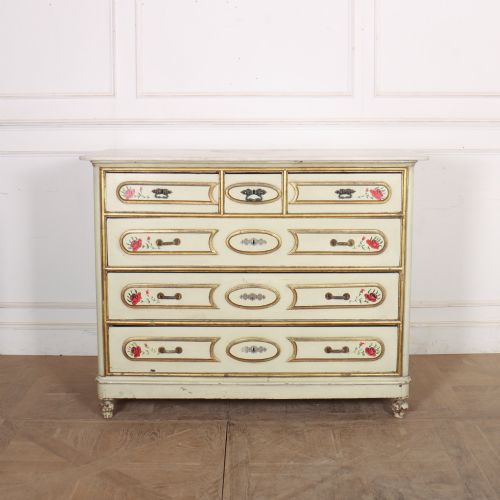
Constructed predominantly from pine, oak, and general timber substrates, these pieces utilise traditional joinery methods suited to chest and commode production. Surfaces receive layers of paint, gesso, and sometimes giltwood detailing, occasionally incorporating simulated finishes like faux marble or birch.
Hardware elements frequently include brass fixtures, whilst select tops feature applied marble slabs. The decorative schemes involve hand-painted scenes, scumbled paint effects, or plain painted coatings applied over wood.
Some nineteenth-century chests were made in miniature proportions specifically as apprentice pieces.
What varies in quality
Quality differences emerge in the execution of the painted decoration, ranging from simple monochrome or scumbled coatings to detailed Venetian scenes and gilt accents. The integrity of the underlying timber construction and the preservation of original paint layers distinguish superior examples.
Proportion and form also determine distinction, with shaped fronts like serpentine and bombe profiles requiring advanced cabinetmaking skill compared to straight-fronted variants.
GEMLA FABRIKERS
The Painted Wood Commode Chest Glossary
- Bombe
- A bulging, outward-curving chest profile popular in continental European furniture design. This swelling shape requires specialised curved drawer construction.
- Serpentine
- A front profile characterised by a convex centre flanked by concave curves. This undulating line appears frequently on eighteenth and nineteenth-century commodes.
- Scumbled
- A painting technique involving the layering of opaque or semi-opaque colour over a different base coat to create mottled texture. It is commonly found on pine country furniture.
- Gesso
- A plaster-like mixture applied to wood surfaces to prepare them for painting or gilding. It provides a smooth ground for decorative work.
- Gustavian
- The Swedish interpretation of French neoclassical and rococo styles, known for lighter proportions and restrained painted decoration. These pieces often feature pale grey, white, or cream palettes.
Painted Wood Commode Chest: Frequently Asked Questions
Where did these chests originate?
These pieces originate from across Europe, with distinct regional styles represented by English, French, Italian, Spanish, and Scandinavian workshops.
Craftsmen in each country adapted local furniture forms, such as French commodes or Swedish chests, using regional timbers and decorative painting traditions.
How do I clean a painted wood surface?
Painted wooden surfaces require gentle dusting with a soft, dry cloth to prevent accumulation of dirt.
Avoid harsh chemical cleaners or excess moisture, which can damage aged paint layers, gesso, and historic finishes.
What is the difference between a commode and a chest of drawers?
The terms are often used interchangeably in historical listings to describe low furniture fitted with multiple drawers.
Traditionally, a commode refers to a continental European low chest or cabinet, whilst chest of drawers frequently describes British forms.
Are the painted finishes original?
Many listings specify original paint or scumbled surfaces, while others feature decorative treatments applied during specific periods.
Examining the wear patterns and underlying timber helps determine the age and history of the surface coating.