




Antique Painted Side Chest
An antique painted side chest brings decorative surface work and practical storage into a room, offering both painted finishes and compact proportions.
Antique Painted Side Chest
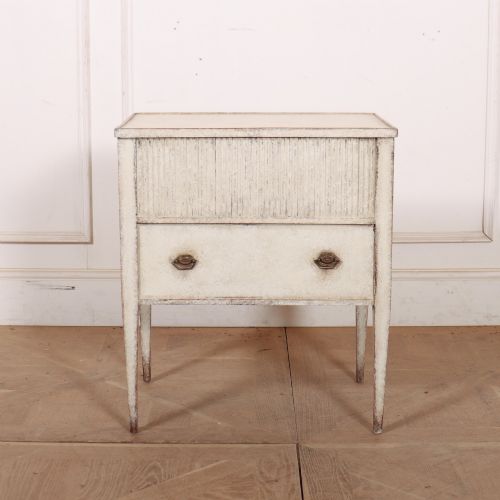
When you search for an antique painted side chest, you encounter a variety of forms including commodes, bedside tables, cabinets, and lowboys. These pieces date from the eighteenth century through to the early twentieth century, originating from English, French, Swedish, Dutch, Italian, and Chinese workshops.
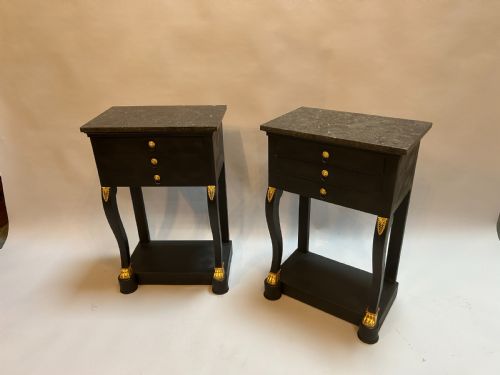
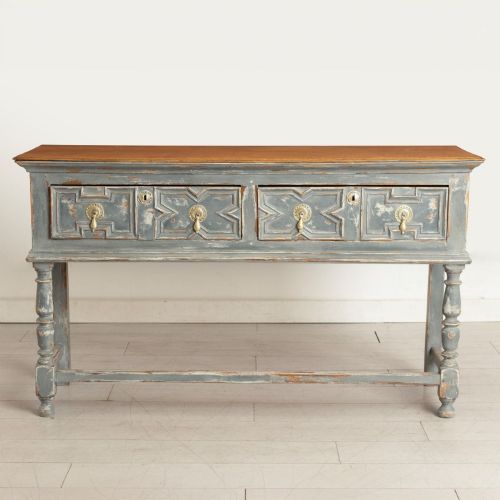
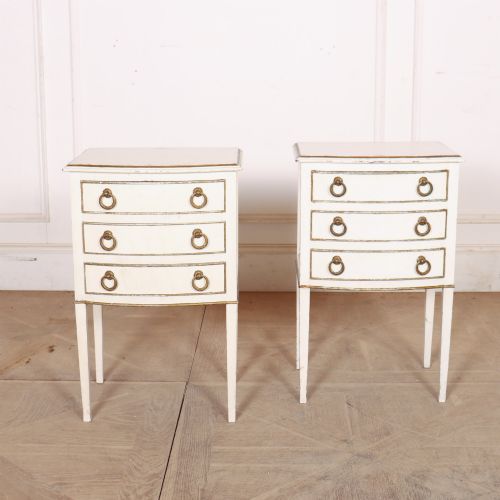
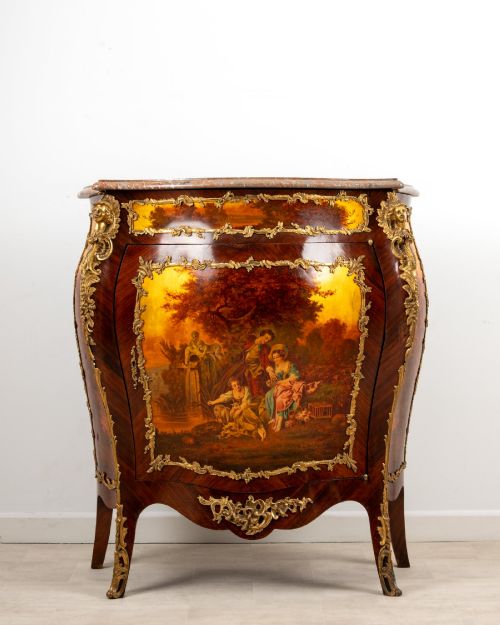
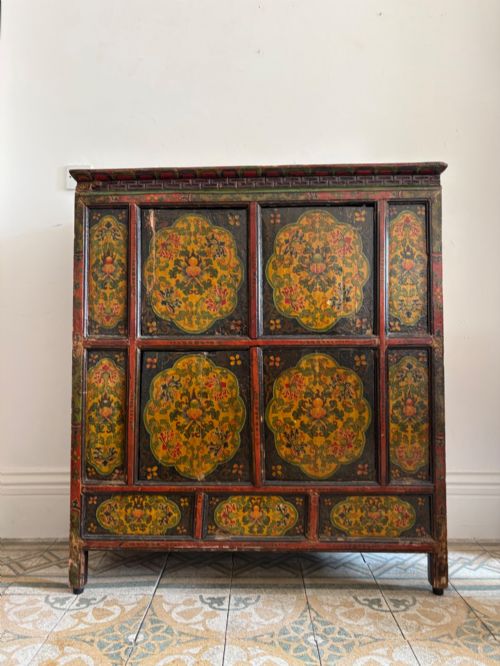
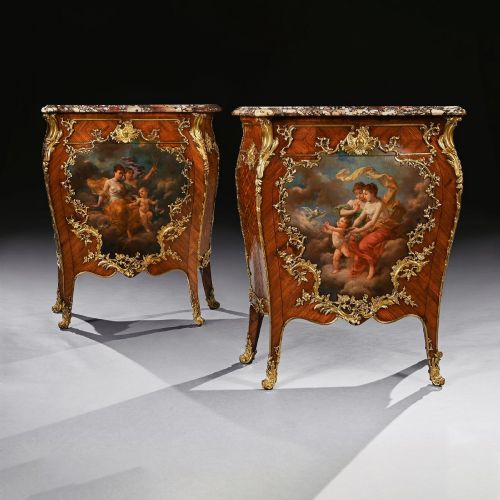
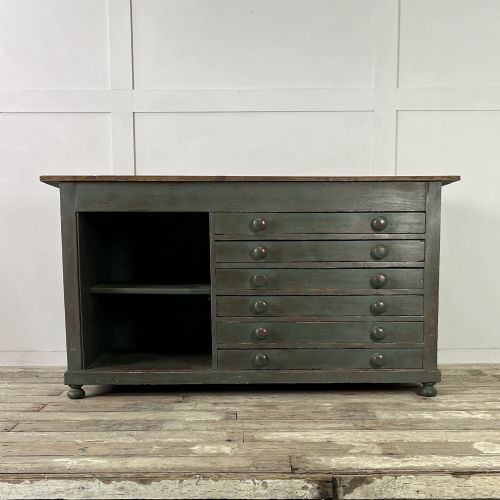
The selection ranges from neoclassical Swedish serpentine commodes and French Vernis Martin bombé cabinets to Victorian pine shop fittings and Chinoiserie side cabinets. Most examples combine painted wood structures with specific decorative motifs, hardware mounts, or marble tops.
Materials and construction
Makers utilised woods such as pine, oak, and exotic veneers over structural frames, often applying layered paint, lacquer, or gilt details directly to the surface. Many pieces incorporate brass, bronze, or ormolu mounts to accent corners, handles, and legs.
Surfaces frequently feature hand-painted floral decoration, Chinoiserie scenes, or simulated finishes designed to mimic more expensive materials. Structural assembly relies on period joinery appropriate to the cabinet or chest form, whether regional European or Asian workshop traditions.
A twenty-five drawer shop fitting from Hungary proves that sorting inventory was once a serious administrative art.
Distinctions in quality
The finesse of the painted surface work dictates much of the distinction between pieces, ranging from simple utilitarian coats on pine shop fittings to intricate floral compositions and Vernis Martin techniques. The presence of original decorative schemes, rather than later overpainting, heavily influences the character of the object.
Hardware selection and secondary materials also separate standard utilitarian items from high-status furniture. The inclusion of cast or gilt bronze mounts, fitted marble tops, and refined cabinet proportions reflects the original commission level of the commode or side cabinet.
The Antique Painted Side Chest Glossary
- Commode
- A low French chest of drawers or cabinet standing on legs, popular in eighteenth and nineteenth-century formal interiors. These pieces often feature serpentine fronts and marble tops.
- Vernis Martin
- A simulated Japanese lacquer finish developed in France, using translucent resin varnishes over painted decoration. This technique created glossy, durable surfaces on luxury cabinets and commodes.
- Chinoiserie
- European artistic style reflecting Chinese aesthetic traditions, featuring painted motifs of figures, landscapes, and pavilions. It appeared frequently on side cabinets and chests during the eighteenth and nineteenth centuries.
- Serpentine
- A furniture front or top shaped with a curving contour that bulges outward in the centre and recesses at the sides. This profile demands advanced woodworking skill and appears on finer commodes.
- Lowboy
- A small eighteenth or nineteenth-century side table with drawers, raised on relatively tall legs. They served various domestic functions as dressing or serving tables.
Antique Painted Side Chest: Frequently Asked Questions
What is a side chest?
A side chest is a compact storage furniture piece designed to sit against a wall in a hallway, bedroom, or living space. These pieces provide surface display space alongside drawer or cabinet storage.
They encompass commodes, bedside cabinets, and lowboys from various European and Asian traditions. Their painted finishes distinguish them from standard polished wood furniture.
How do I date an antique painted chest?
Dating relies on examining construction methods, wood types, hardware, and the style of the painted decoration. Structural materials like pine or oak indicate regional workshop practices of specific eras.
Stylistic markers such as neoclassical lines, French Empire details, or Victorian pine construction help narrow the period of manufacture. Original surface finishes provide further clues to the decade of creation.
Are painted chests durable for daily use?
Most antique painted chests are built from solid timber like pine or hardwood and remain sturdy for everyday placement. Their surfaces require gentle care to protect historical paint or lacquer layers from moisture and impact.
Using coasters and avoiding direct harsh sunlight preserves the decorative motifs. Routine dusting keeps the painted woodwork in stable condition.
Where were these painted cabinets made?
The pieces originate from diverse geographic workshops across Europe and Asia. Examples include Swedish Gustavian pieces, French commodes, Dutch cabinets, and Chinese lacquer work.
Regional preferences dictated the forms, from functional shop fittings in Hungary to decorative parlour cabinets in England. Each region utilised local timber species and distinct painting traditions.