


Regency Painted Dresser
A regency painted dresser is a sturdy storage piece defined by surface finish, most often found in pine or softwood from the nineteenth century.
Regency Painted Dresser
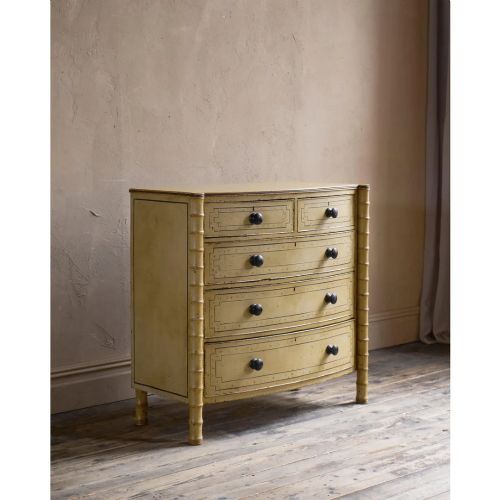
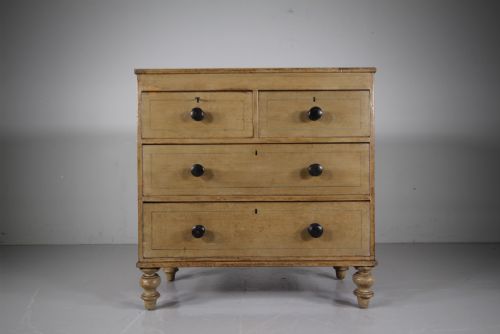
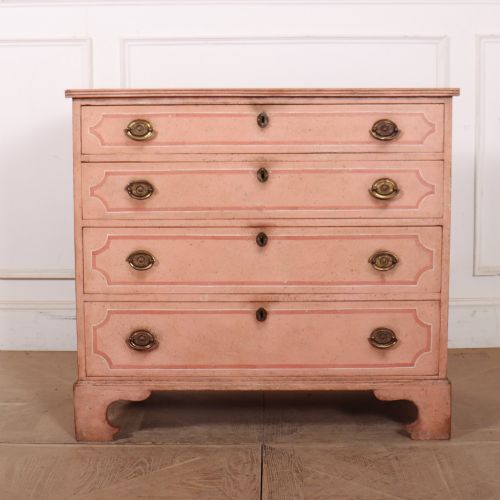
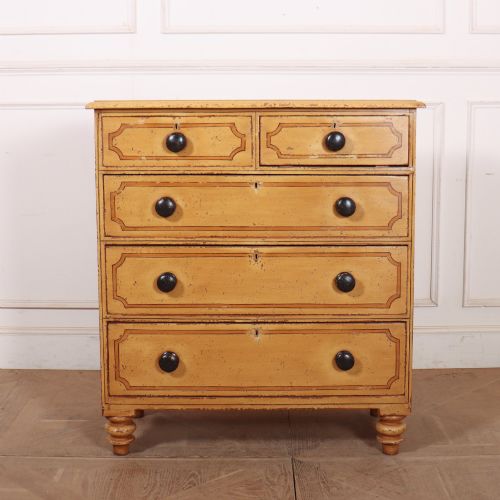
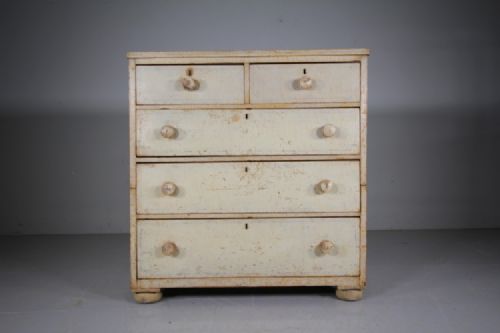
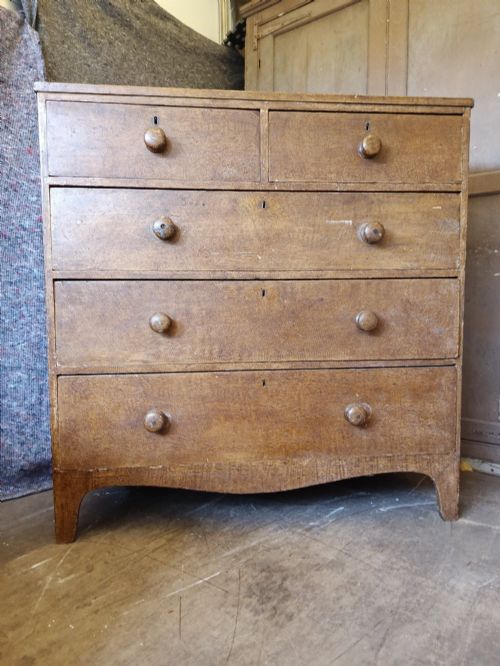
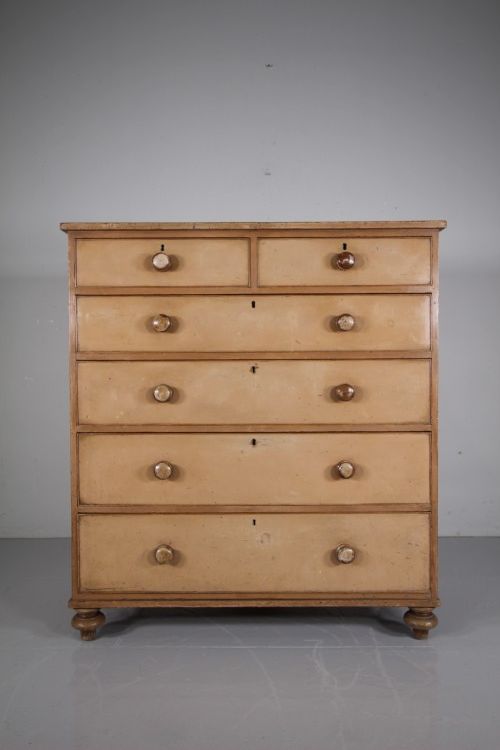
When you search for a regency painted dresser, you are looking for functional timber furniture carrying historical surface decoration rather than plain polished wood. The examples seen on this page span chests of drawers, side cabinets, and dresser bases originating mainly in the nineteenth century and the Georgian era.
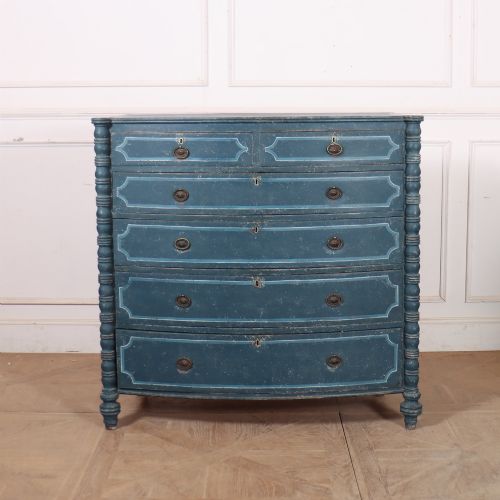
You will most frequently meet pieces constructed from pine, softwood, and timber that feature painted or simulated finishes such as faux bamboo and ebonised details. Forms range from straight-fronted chests to bowfront designs and breakfront bases, sometimes retaining early or original paint schemes.
The styles recorded in the archive and current listings blend formal Regency lines with English country and French chateau influences. Whether configured as a dressing table or a display dresser cupboard, each item offers period storage rooted in practical domestic use.
Materials and construction methods
Makers relied on accessible native timbers like pine and softwood as the primary substrate for these painted pieces, often selecting materials that accepted decorative pigments readily. Construction involved traditional joining techniques for the carcase and drawers, occasionally utilising brass hardware for pulls and escutcheons.
The defining characteristic is the surface treatment itself, which includes hand-painted detailing, simulated rosewood, and chinoiserie motifs applied over a prepared wooden base. Some larger examples were constructed in two parts to facilitate movement and placement within domestic interiors.
Evaluating the standard of execution
Quality in these painted pieces rests heavily on the survival and integrity of the original surface decoration. Pieces retaining untouched early paint or sophisticated simulated wood graining sit higher in the tier than those carrying later or heavy-handed overpainting.
Subtlety of form and proportion also dictates the hierarchy, distinguishing well-balanced bowfront chests and breakfront bases from plain utilitarian work. Attention to detail in secondary elements like brass mounts and drawer construction separates standard workshop output from finer examples.
The Regency Painted Dresser Glossary
- Bowfront
- A curved front section on a chest of drawers or cabinet that swells outward in the centre. This shape was popular during the Georgian and Regency periods to soften rigid lines.
- Faux Bamboo
- A decorative carving and painting technique where wooden furniture is shaped and finished to imitate natural bamboo stalks. It reflects a taste for exotic and orientalist design.
- Breakfront
- A piece of furniture whose front projects forward in sections, typically with the central portion advancing ahead of the sides. This architectural arrangement adds depth to side cabinets and dresser bases.
- Ebonised
- Wood finished with a dark stain or black lacquer to imitate expensive ebony. It was frequently used on Regency furniture to create sharp contrast.
- Chinoiserie
- European theatrical interpretation of Chinese and East Asian artistic traditions, expressed here through painted motifs on display dressers. The style enjoyed revivals throughout the Georgian and nineteenth centuries.
Regency Painted Dresser: Frequently Asked Questions
What is a painted dresser base?
A dresser base is the lower portion of a traditional kitchen or dining room dresser, featuring cupboards or drawers without the upper plate rack.
These pieces served as heavy-duty storage furniture in English country homes and were frequently finished in paint to protect the softer woods used in their construction.
How do I identify original paint?
Original paint surfaces typically show consistent craquelure, natural wear patterns, and multiple microscopic layers of pigment that correspond to the age of the timber underneath.
Inspect corners, recesses, and hidden areas where modern touch-ups are less likely to have been applied over older finishes.
Where were these pieces used?
These items belonged in domestic settings ranging from formal bedrooms to country house hallways and parlours, serving as chests of drawers, side cabinets, or dressing tables.
Their painted finishes allowed them to brighten darker rooms or imitate more costly exotic woods without the expense of imported materials.
Are two-part chests common?
Larger chests of drawers and dresser bases were occasionally manufactured in two separate stacking sections to allow easier transport through narrow stairwells and doorways.
This division is a structural feature noted in period listings and does not diminish the integrity of the piece if the sections match in wear and timber.