
Painted Wood Cabinet
When you search for a painted wood cabinet, you enter a diverse field of storage furniture ranging from delicate display vitrines to sturdy pine dressers.
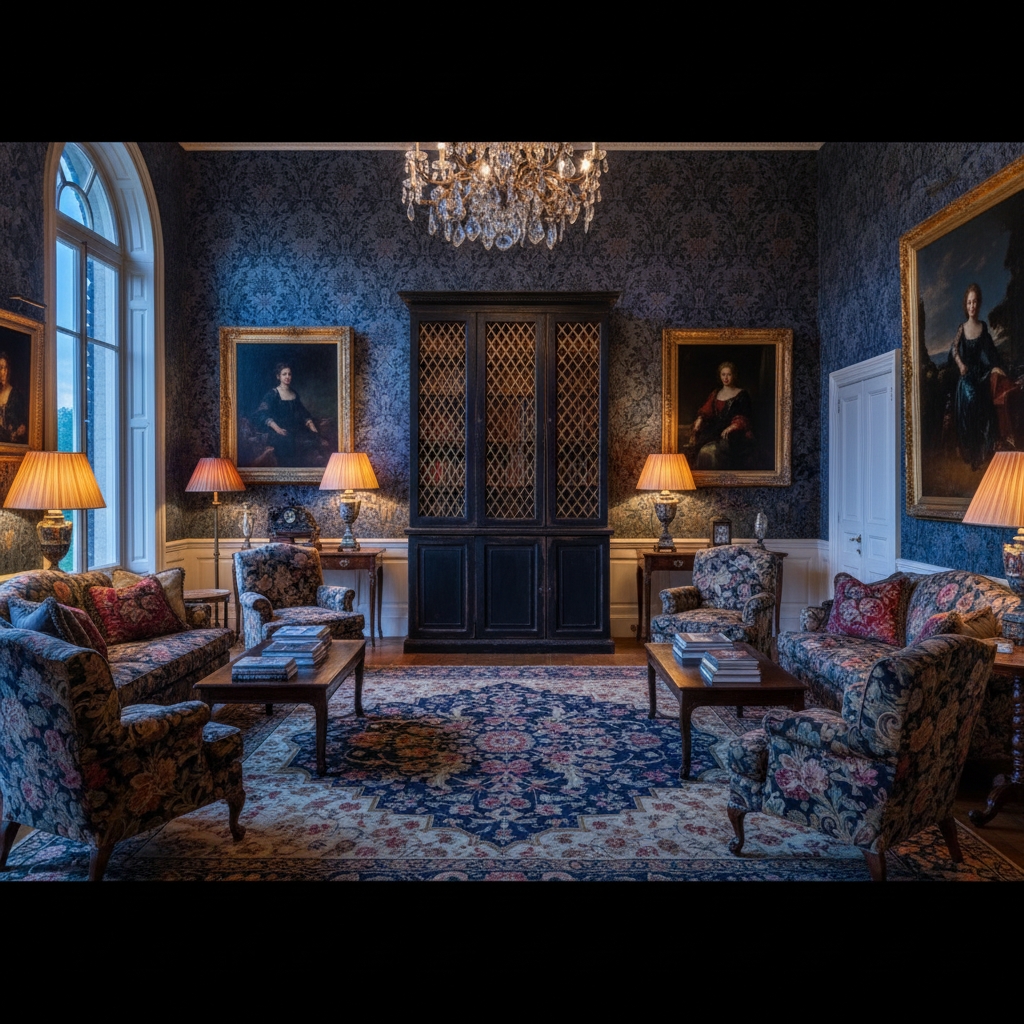
Painted Wood Cabinet
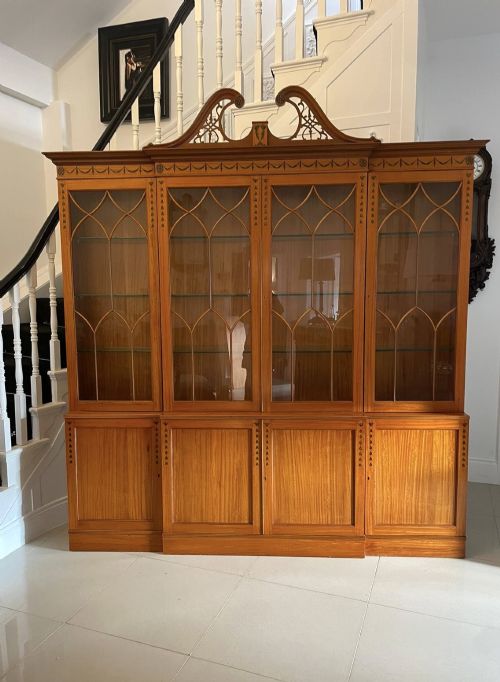
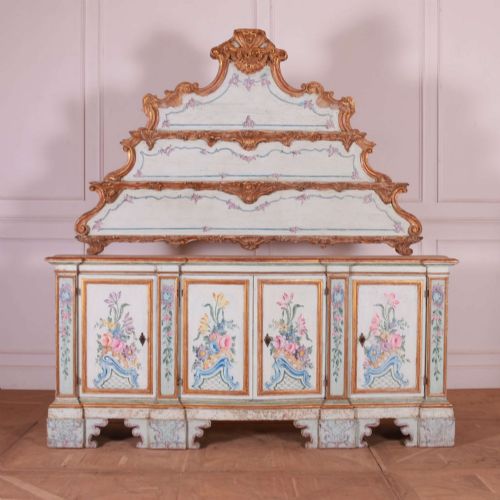
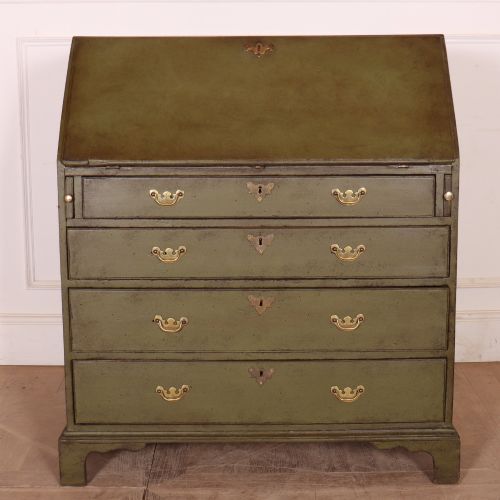
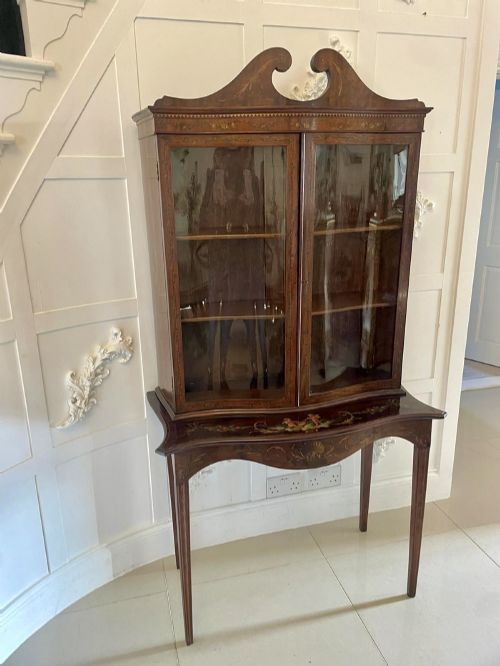
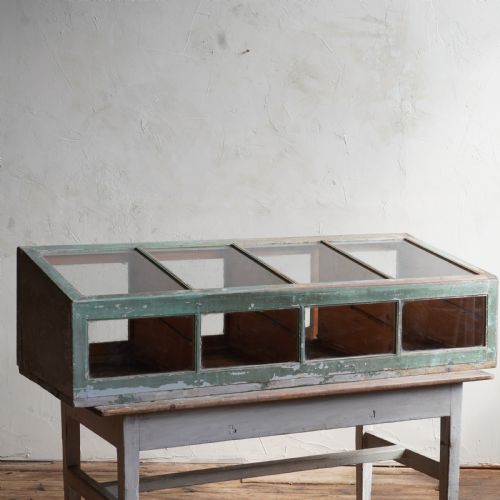
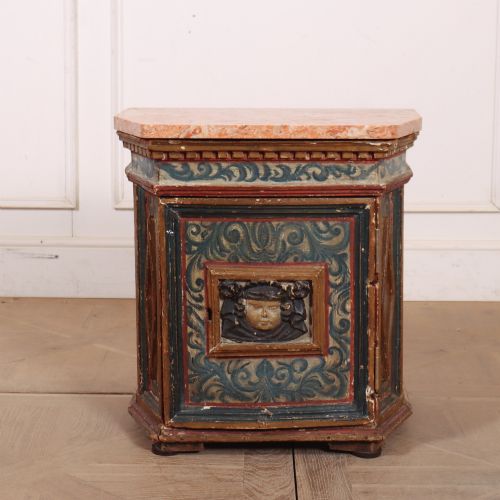
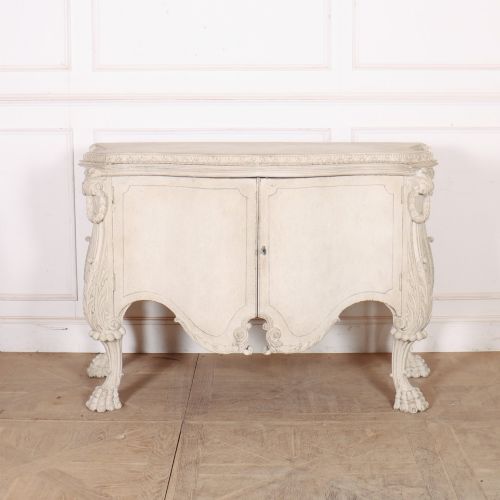
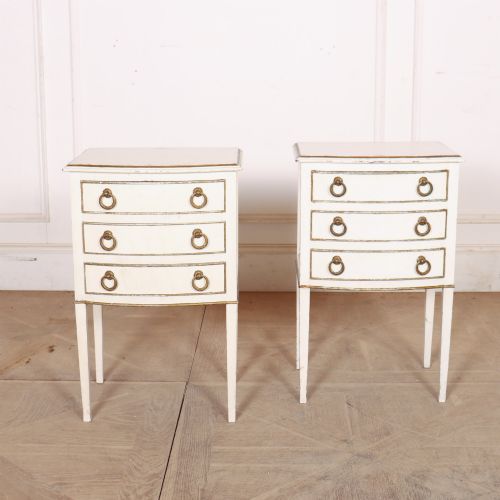
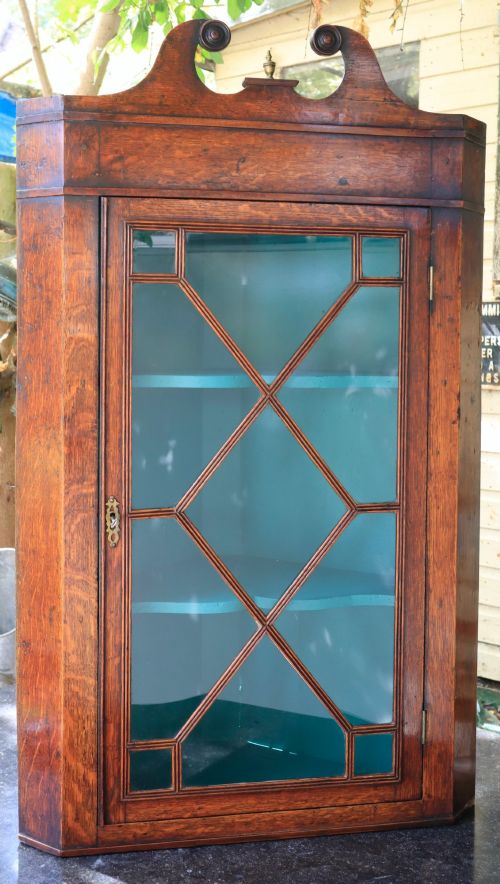
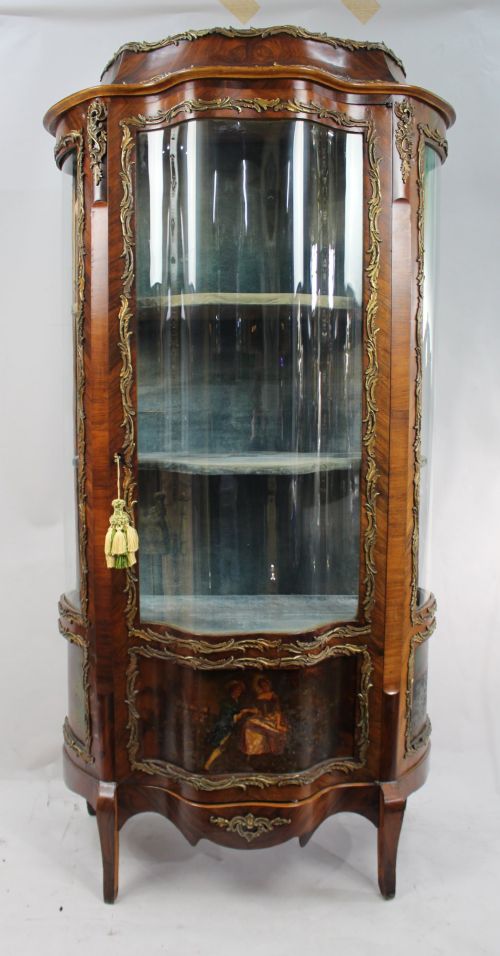
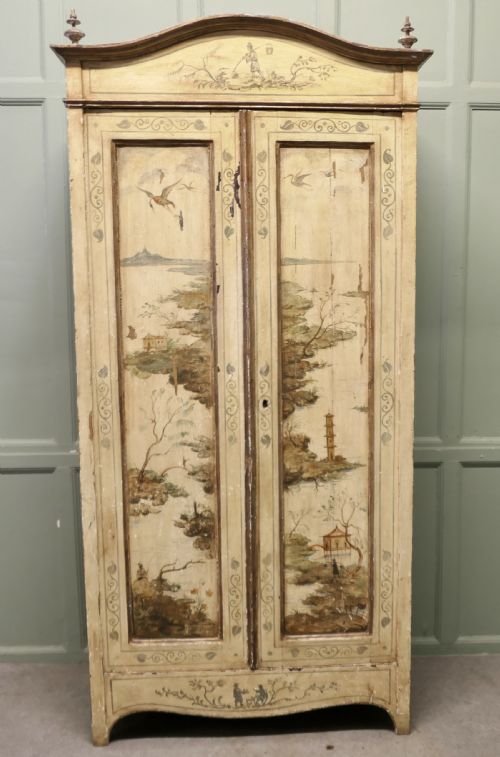
A painted wood cabinet serves primarily for domestic storage and display, encompassing forms such as corner cupboards, bedside chests, and large breakfront bookcases. Buyers searching this phrase encounter pieces spanning multiple centuries, from eighteenth-century Italian apothecary cupboards to Edwardian satinwood vitrines.
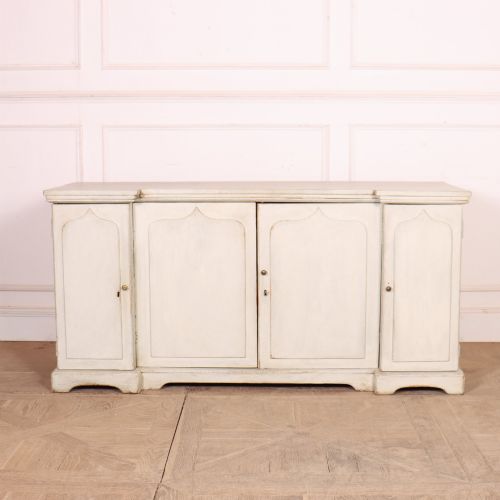
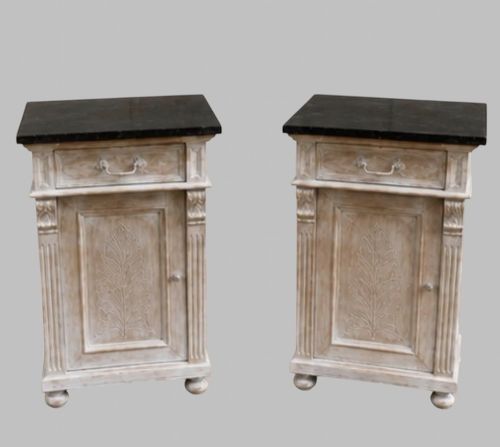
The selection includes regional styles like French provincial bedside tables, Dutch cabinets, and English country pine cupboards. Display cabinets often feature glass doors or astral glazing, while utility pieces take the form of linen cupboards or sideboards.
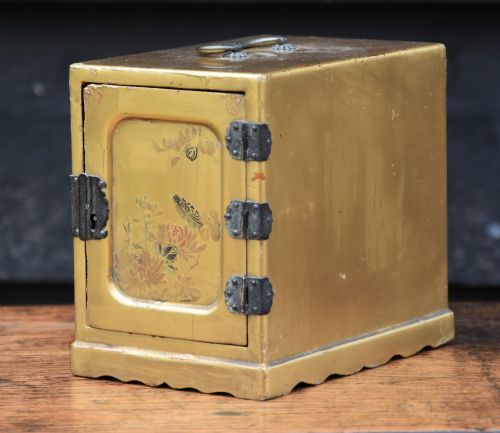
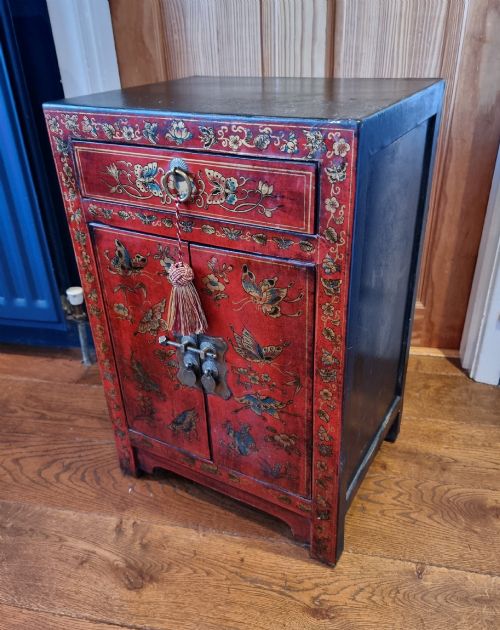
Asian influences appear through Chinese red lacquer marriage cabinets and Japanese gilt lacquer jewellery boxes. Indian almirahs and Tibetan floral decorated storage units add further variety to the available forms.
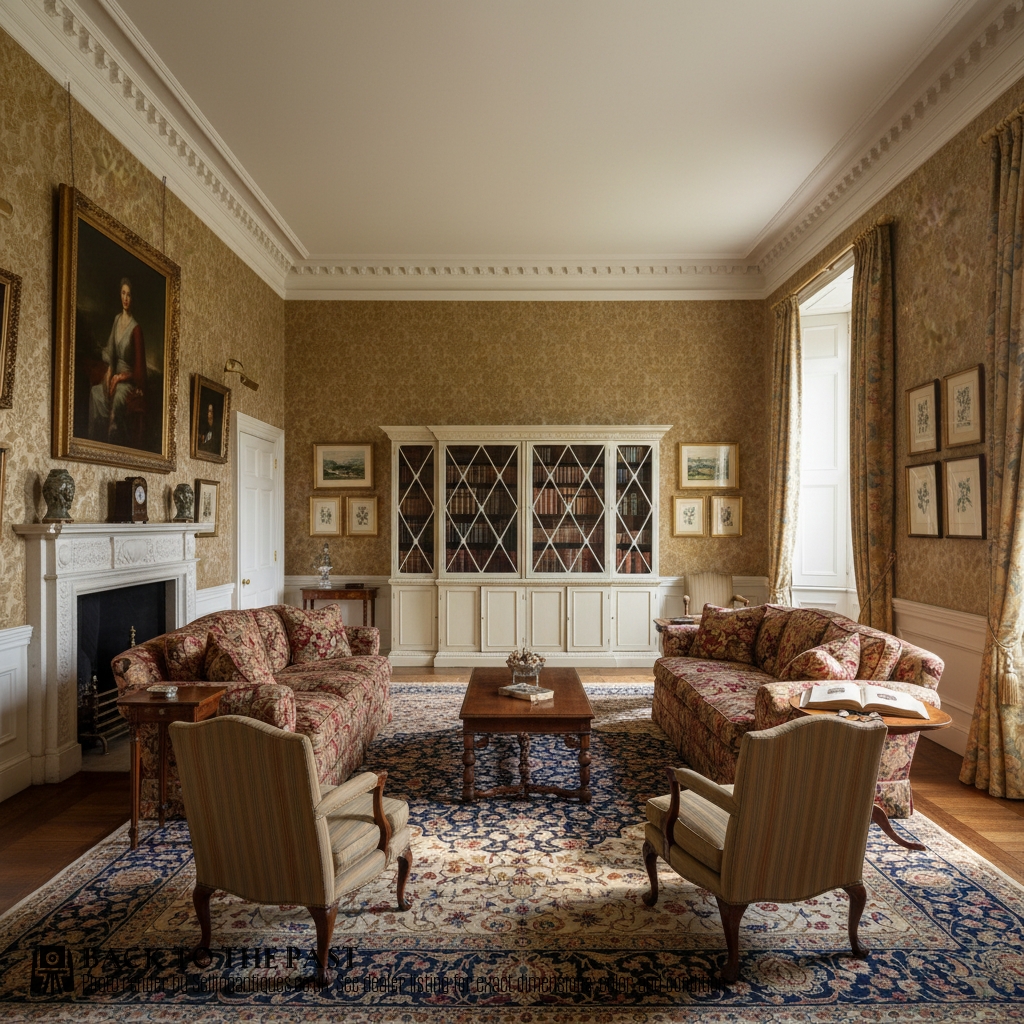
How They Were Made
Construction relies heavily on timbers such as pine, mahogany, and satinwood, frequently enhanced with applied paint or lacquer finishes. Brass hardware, iron fittings, and glass panes appear across display cabinets and sideboards.
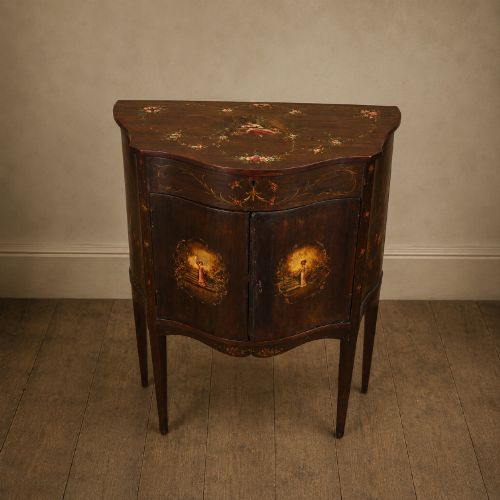
Decorative techniques include hand-painted floral motifs, Chinoiserie outdoor scenes, neo-classical details, and simulated rosewood paint effects. Vernis Martin panels and gilt lacquer provide specialised decorative surfaces on French and Asian examples.
Listings span periods from the 18th century through to the Edwardian era, utilising materials including pine, mahogany, satinwood, and glass.
What Varies In Quality
The standard of a painted wood cabinet depends heavily on the preservation of its original surface decoration versus later overpainting. Finely executed hand-painted motifs, such as neo-classical details or delicate floral work, elevate a piece above standard utility items.
Structural execution also dictates worth, visible in the joinery of breakfront displays, the clarity of astral glazing, and the integration of secondary woods like mahogany and satinwood. Original hardware, locks, and intact glass panes contribute to overall integrity.
The Painted Wood Cabinet Glossary
- Astral Glazing
- A method of dividing glass panes within a door using thin wooden bars called astragal bars. This technique is frequently seen on Georgian and Victorian display cabinets.
- Breakfront
- A piece of furniture where the central section projects forward from the flanking outer sections. This architectural arrangement creates depth in large display cabinets and sideboards.
- Vitrine
- A glass-fronted cabinet designed specifically for displaying fine objects or porcelain. These pieces often incorporate painted satinwood or gilt decoration.
- Vernis Martin
- A type of simulated Japanese lacquer developed in eighteenth-century France using resin varnishes. It appears on decorative panels of fine antique cabinets.
- Chinoiserie
- European theatrical interpretations of Chinese and East Asian artistic traditions, involving painted or lacquered outdoor scenes. This style gained popularity during various periods including the Edwardian era.
Painted Wood Cabinet: Frequently Asked Questions
How do I date a painted cabinet?
Dating relies on examining construction methods, timber choices, and the style of the painted decoration. Secondary woods and hardware often provide clues to the manufacturing period.
Comparison with documented examples from eras such as the Georgian or Edwardian periods helps narrow down the decade of creation.
What is the difference between a vitrine and a display cabinet?
A vitrine typically emphasises glass panels on multiple sides for maximum visibility of contents. These are frequently lighter pieces intended for delicate ornaments.
Standard display cabinets may combine enclosed wooden storage with glazed upper sections for a more robust furniture form.
Are painted finishes usually original?
Many pieces retain their original surface decoration, while others underwent repainting during subsequent decorative revivals. Examining the craquelure, wear patterns, and underlying timber helps determine originality.
Original painted decoration generally commands greater interest from collectors than later overpainted surfaces.
Where were corner cabinets used?
Corner cupboards and cabinets were designed to utilise awkward wall junctions in dining rooms, parlours, and bedrooms. They maximised floor space while providing accessible storage for tableware or linens.
Georgian and Victorian homes frequently incorporated these architectural wall units into domestic interiors.