


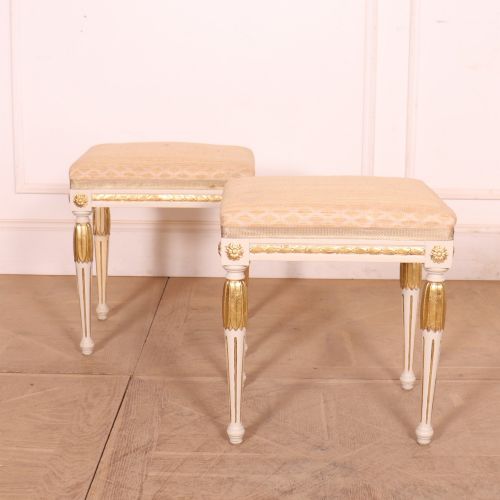

Painted Wood Bench
A painted wood bench offers a practical seat with the charm of aged colour, ranging from rustic pine to refined French forms.
Painted Wood Bench
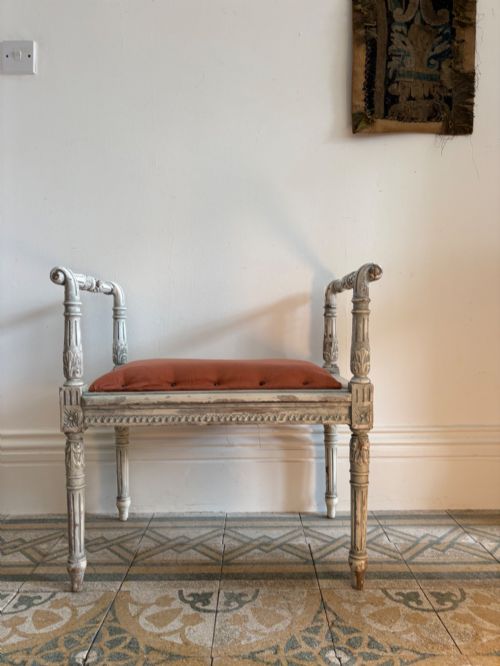
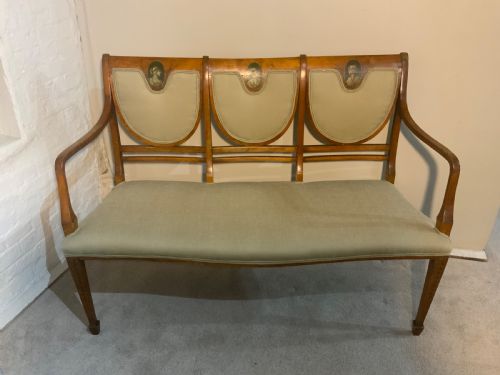
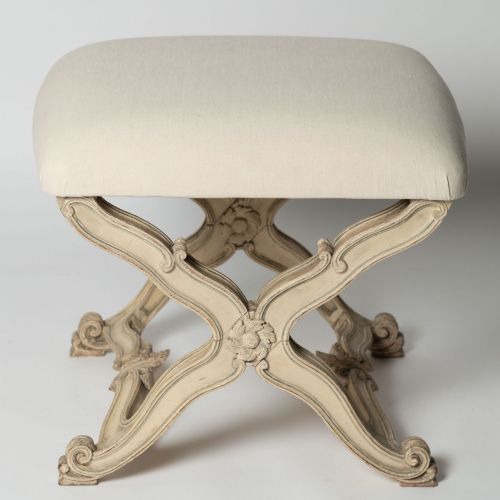
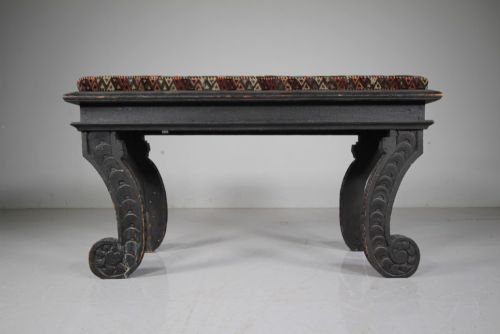
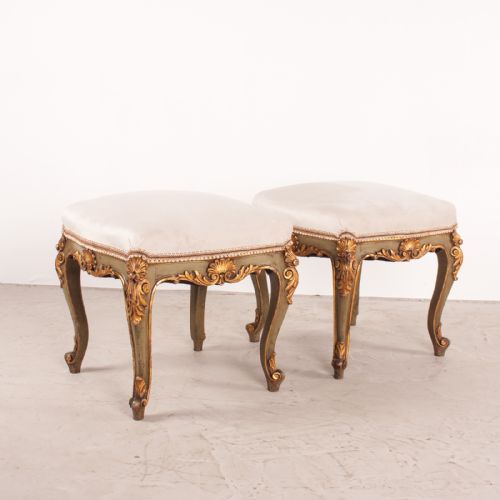
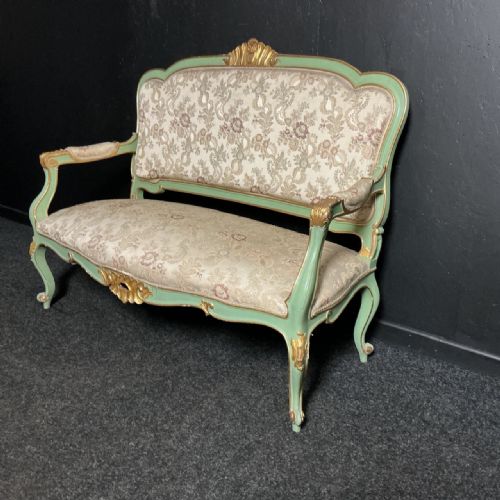
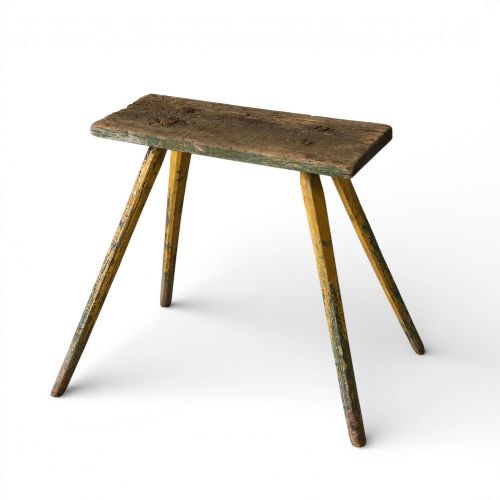
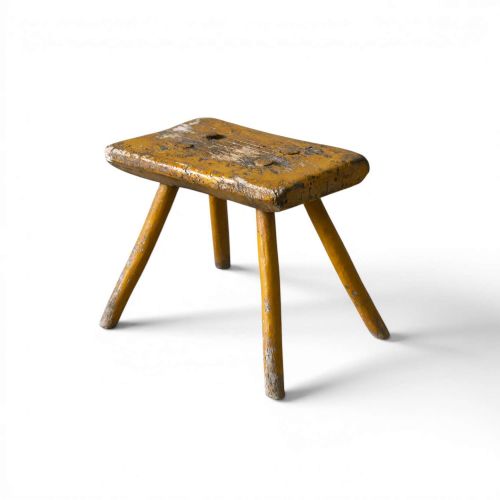
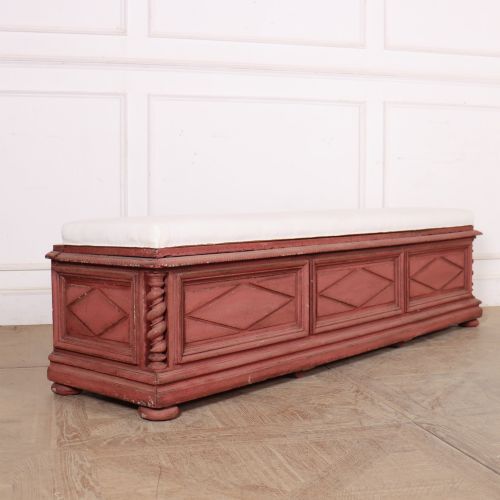
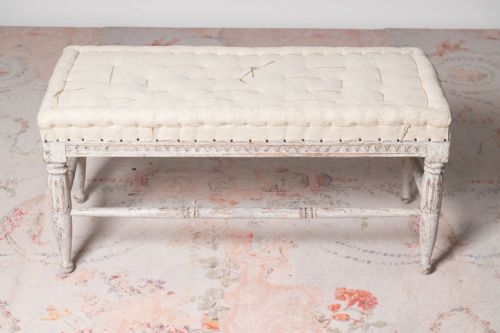
When you search for a painted wood bench, you discover a diverse selection of seating that spans simple milking stools, window seats and long Swedish settees. These pieces bridge utilitarian function and decorative design, often carrying layers of historic paint in tones of white, grey or ochre.
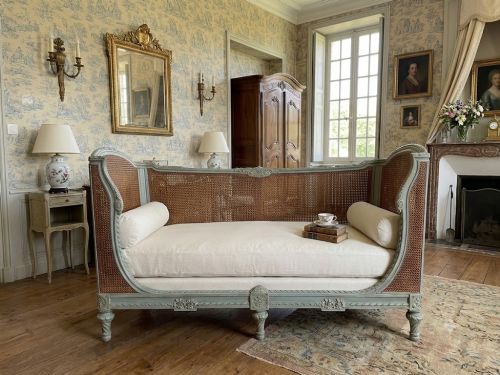
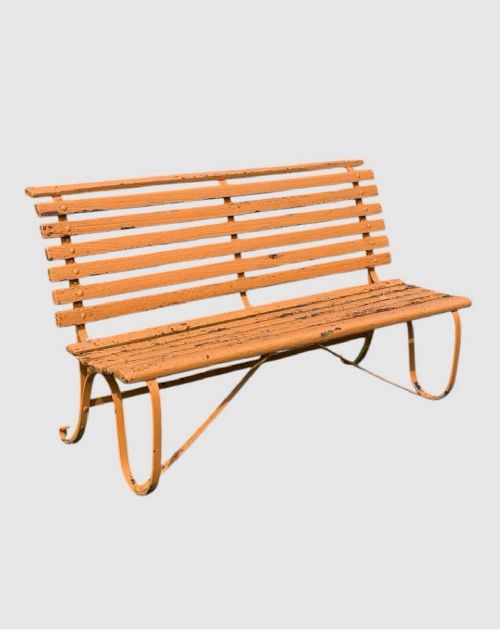
You are most likely to encounter 19th-century French and Swedish examples on this page, alongside English pine window seats and garden benches. Forms range from compact footstools and corner sofas to grand neoclassical daybeds and storage benches.
How they were made
Cabinetmakers and joiners constructed these frames using timber such as pine, beech and satinwood, shaping structural elements to suit Gustavian, Regency or Louis XVI styles. Surfaces received coats of paint, sometimes layered with gilding or left to weather outdoors.
Upholstered variants incorporate silk, linen and cane seating inserts supported by carved wooden rails, fluted legs or iron framework.
Keep an eye out for sculptural wooden elephant seats complete with carved tusks.
What varies in quality
The distinction between ordinary and exceptional pieces rests upon the authenticity of the surface finish and the integrity of the timber frame. Original period paintwork that retains its natural patina holds greater interest than later decorative overpainting.
Proportion, refined carving on legs and rails, and the harmony of structural joints elevate finer salon settees above straightforward utilitarian seating.
The Painted Wood Bench Glossary
- Gustavian
- A Swedish neoclassical design style characterised by restrained symmetry, pale painted finishes and carved fluting. It emerged during the late eighteenth century under royal influence.
- Canapé
- A French term for an upholstered sofa or settee, frequently featuring an exposed wooden frame and decorative backrest. These pieces often reflect Louis XV or Louis XVI aesthetics.
- Settle
- A traditional wooden bench with a high back, solid arms and often a box compartment beneath the seat for storage. They served to keep draughts away from people seated near fires.
- Bergere
- An enclosed upholstered armchair or settee with wooden sides filled with cane or upholstery. It provides a comfortable seat with a formal silhouette.
Painted Wood Bench: Frequently Asked Questions
How do I date a painted bench?
Dating relies upon examining the timber construction, tool marks, and the chemical composition of the paint layers. Stylistic details such as fluted legs or neoclassical motifs also point to specific periods like the Regency or the nineteenth century.
Secondary indicators include the wear patterns on the wood and the presence of period upholstery techniques beneath the fabric.
Are these benches suitable for daily use?
Most antique wooden benches and window seats remain sturdy enough for everyday seating when placed in dry indoor environments. Garden benches built with cast iron and wood withstand outdoor placement better than interior upholstered pieces.
Careful consideration of joint stability helps determine whether a delicate nineteenth-century settee suits a high-traffic hallway or a quiet corner.
What is original paint?
Original paint refers to the initial decorative or protective coating applied to the timber when the piece was first manufactured. This surface develops a natural crackle and softening over decades of exposure and cleaning.
Distinguishing original finishes from later decorative overpainting requires looking for embedded wear and consistent ageing across the entire wooden structure.
Where were these benches used?
These seating forms served varied roles across domestic and public spaces, from grand French salons and Swedish dining rooms to English potting sheds and railway platforms. Window seats occupied narrow recesses to provide views and resting spots.
Smaller milking stools and low benches offered portable seating for rural workers and domestic staff alike.