
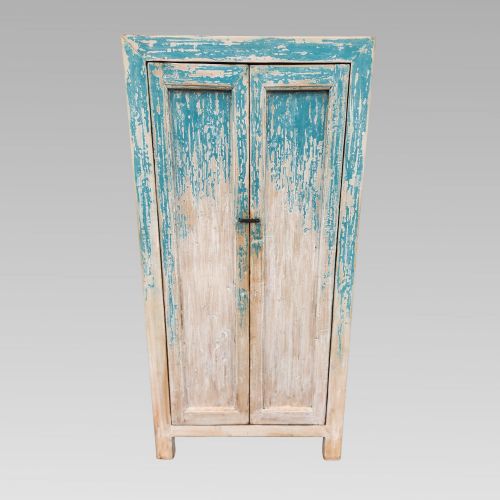
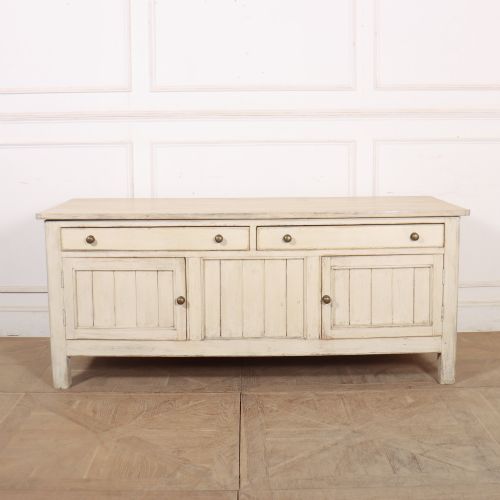


Painted Timber Storage Cupboard
These painted timber storage cupboard examples bring character and practical utility to a room through regional finishes and sturdy wood construction.
Painted Timber Storage Cupboard
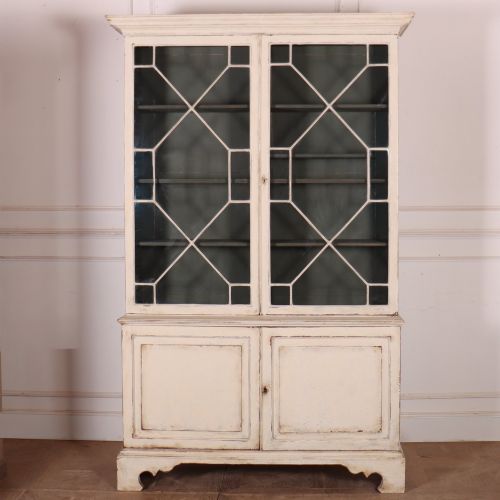
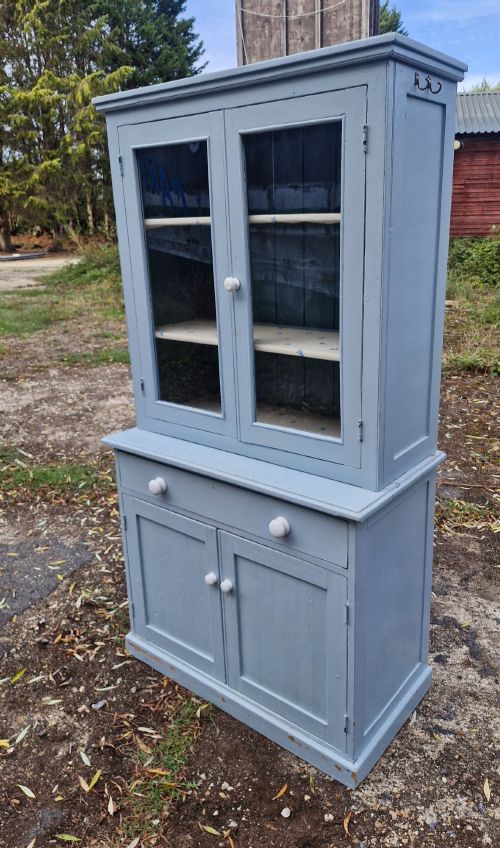
A painted timber storage cupboard serves as a functional place to store household goods while displaying traditional decorative surfaces. The selection ranges from English country housekeeper pieces to continental European folk art cabinets and Indian storage cupboards.
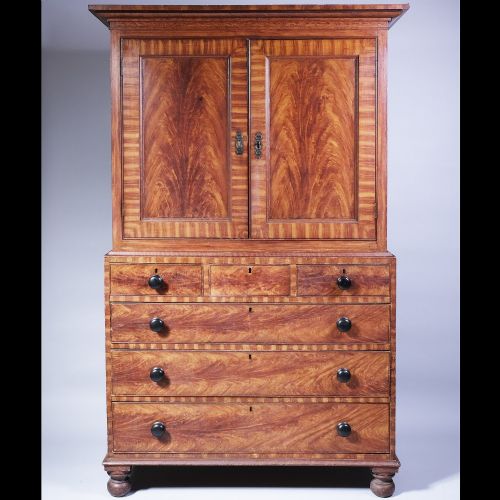
Most items on this page fall into the nineteenth century or early twentieth century categories, constructed from pine, cedar, or general wood. Buyers encounter kitchen cupboards, dresser bases, glazed bookcases, and large wardrobes with significant storage capacity.
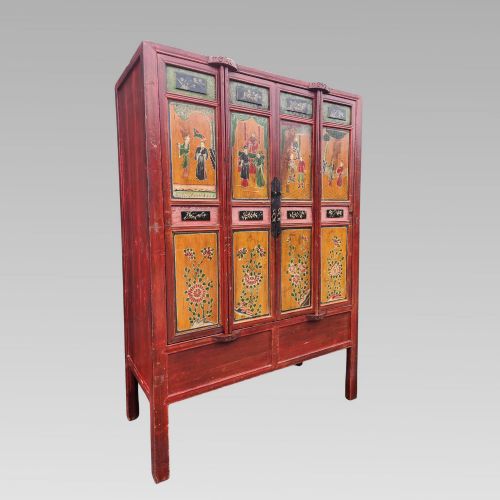
Regional variations span English country house styles, Italian polychrome finishes, Chinoiserie oriental red cabinets, and Swedish Gustavian designs. Each object reflects the domestic requirements and aesthetic preferences of its original location.
Construction and surface methods
Makers utilised solid timbers such as pine, cedar, and mixed wood to build heavy carcases designed for daily domestic use. Joinery typically involved traditional panel and frame construction to accommodate natural wood movement over decades.
Surfaces received various decorative treatments, including scumble glaze, polychrome pigment, and traditional layered paint applications. Iron and brass hardware such as hinges and latches completed the functional assembly of doors and drawers.
Marriage cabinets carried bright red pigments to ensure good fortune for newlyweds, proving that early storage could double as a cheerful blessing.
Evaluating craftsmanship and condition
Quality rests upon the originality of the painted surface and the integrity of the timber frame. Pieces retaining their early or original paint layer command greater interest than those stripped or heavily refinished later.
Proportion and structural balance distinguish standard utility items from finer regional examples. Well-executed decorative brushwork and surviving period ironwork or brass fittings elevate the overall standard of the piece.
The Painted Timber Storage Cupboard Glossary
- Scumble painted
- A decorative technique where a translucent glaze is manipulated over a lighter base coat to imitate wood grain or create texture. This finish appears frequently on nineteenth-century utility furniture.
- Polychrome
- Decorated in multiple colours. This term often describes continental European and Italian storage pieces featuring pictorial or floral motifs.
- Dresser base
- A low sideboard or cabinet with drawers and cupboards, historically used for food preparation and storage in kitchens. These form a major subcategory of the items listed here.
- Chinoiserie
- European imitation and adaptation of Chinese artistic traditions, typically featuring painted motifs on contrasting background colours. It appears on distinct oriental storage marriage cabinets.
- Gustavian
- The Swedish interpretation of French neoclassical style, characterised by lighter proportions and pale painted finishes. These cabinets offer a restrained decorative presence.
Painted Timber Storage Cupboard: Frequently Asked Questions
What is a housekeeper cupboard?
A housekeeper cupboard is a large storage furniture piece historically used in substantial homes to store linens, dry goods, or tableware. They typically feature panelled doors enclosing interior shelves or hanging space.
These pieces were designed for heavy domestic utility and provide substantial volume for modern storage needs.
How do I date a painted cupboard?
Dating relies upon examining the construction methods, nail types, timber species, and the characteristics of the paint layers. Earlier items from the eighteenth century show hand-planed surfaces and forged iron hardware.
Later nineteenth and twentieth-century examples incorporate machine-sawn timber and different fastening techniques while retaining period aesthetic traits.
Are painted finishes original?
Determining original paint involves looking for natural wear patterns, underlying crackle, and integration between the wood substrate and the pigment layers. Many pieces retain layers applied during their working life rather than recent decoration.
Close inspection under natural light reveals whether the paint surface corresponds to the age of the underlying timber carcase.
Where were these cupboards used?
These storage pieces served in domestic kitchens, sculleries, bedrooms, and school environments across Britain, Europe, and Asia. Institutional examples also exist from facilities like schools and large estates.
Today, buyers place them in kitchens, living rooms, and hallways as focal storage furniture.