



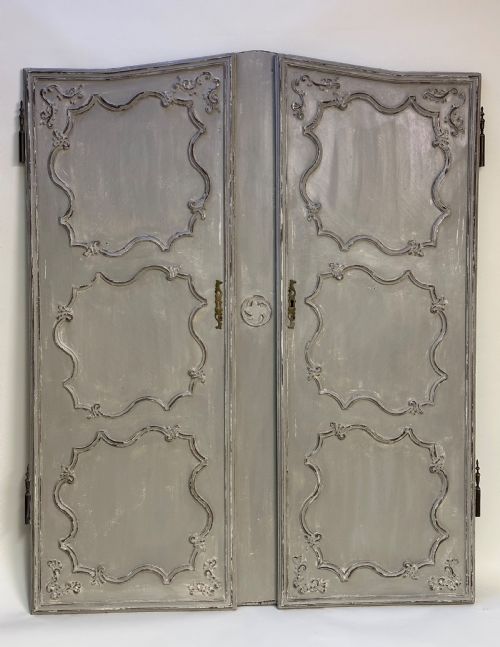
Painted Timber Carved Panels
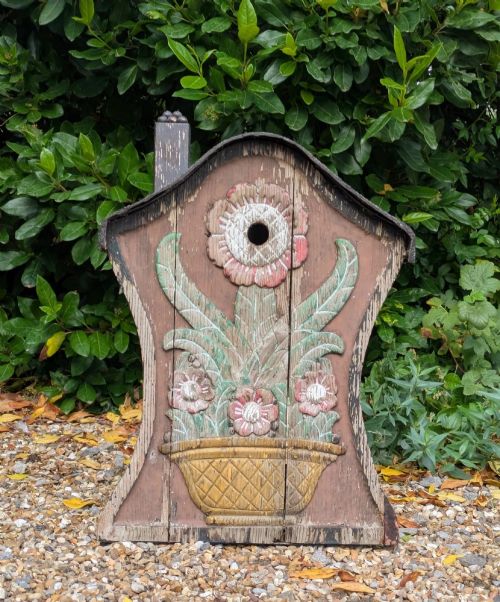
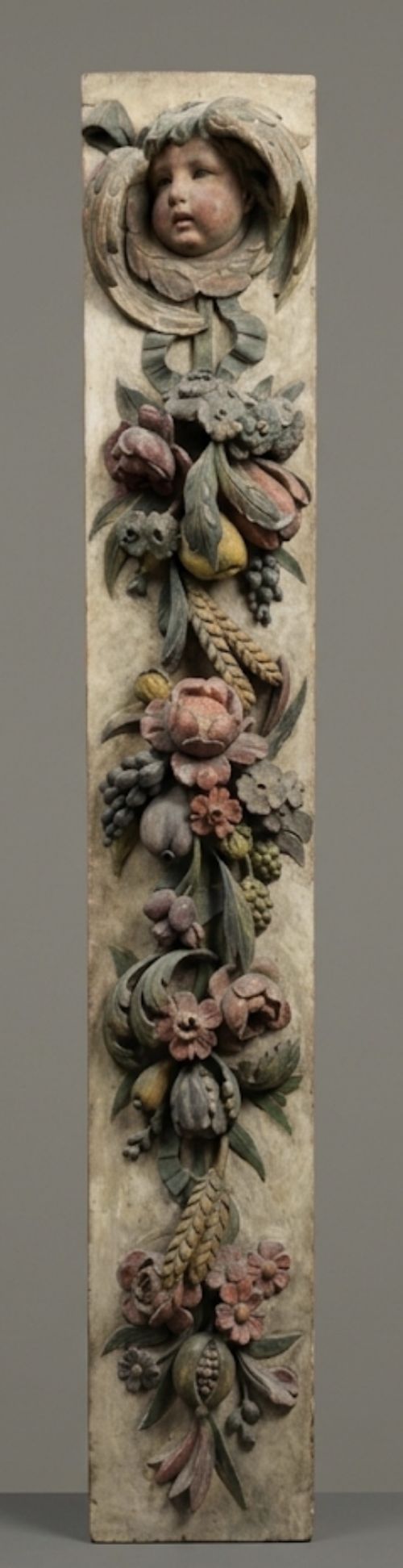
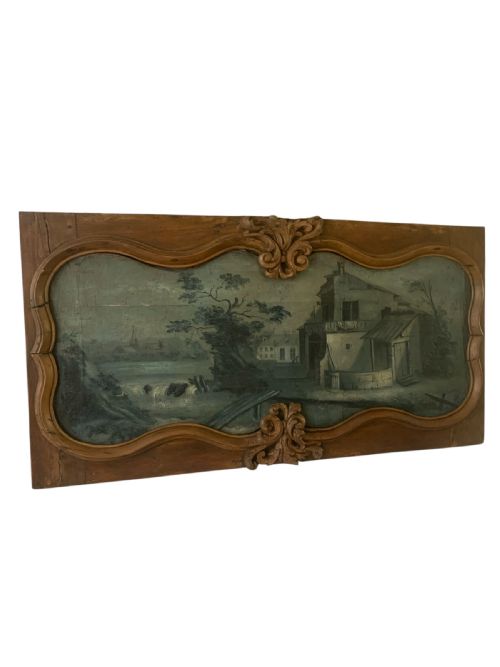
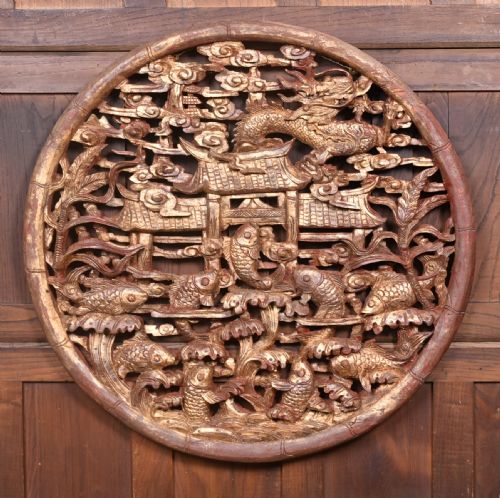
These painted timber carved panels bring historic architectural salvage, folk art and wall relief carving into the home with rich decorative surfaces.
Painted Timber Carved Panels
When you search for painted timber carved panels, you encounter a diverse selection of architectural salvage, wall plaques and structural fragments sourced from various international traditions. The examples found here span from the seventeenth century through the early twentieth century, encompassing everything from Chinese cart doors and Sicilian cart fragments to French provincial bed panels and English fairground boards.
Most pieces on this page originate as functional architectural elements or transport fixtures repurposed for interior display. You will regularly find wall relief carvings, overdoor panels and decorated heraldic boards that showcase the intersection of woodwork and decorative painting across different global regions.
Materials and construction methods
The foundation of these items is timber and wood, shaped through traditional carving techniques to create three-dimensional surface relief. Artisans applied layers of paint, pigment and occasionally gold leaf over gesso to enhance the carved details.
Many items retain their original surface treatments, displaying the weathering of age alongside the deliberate application of folk art motifs or classical ornamentation.
Some panels spent decades attached to fairground carousels and Sicilian carts before finding a quiet retirement indoors.
Assessing quality and craftsmanship
Quality in these carvings rests upon the depth and precision of the woodwork combined with the integrity of the original painted surface. Superior pieces exhibit confident, expressive chisel work that integrates harmoniously with the applied pigments.
The preservation of genuine historical surfaces, rather than modern repainting, distinguishes finer examples. The relationship between the structural timber and the decorative scheme determines the overall visual impact of each piece.
The Painted Timber Carved Panels Glossary
- Architectural salvage
- Building components rescued from demolition or alteration for reuse as decorative objects. These items often retain traces of their original structural context.
- Polychrome
- Decorated in multiple colours. This term describes surfaces featuring various applied pigments or paints.
- Gesso
- A plaster mix applied to wood as a smooth base for painting or gilding. It provides a durable ground for fine artistic detail.
- Heraldic panel
- A board displaying armorial bearings or family crests. These panels served as symbols of lineage and status in historic interiors.
- Folk art
- Utilitarian or decorative objects created by self-taught or traditional artisans. These pieces reflect regional cultural practices rather than academic fine art standards.
Painted Timber Carved Panels: Frequently Asked Questions
How were painted carved panels originally used?
These pieces served as functional architectural elements, furniture components, or transport decorations before entering the decorative market. Many functioned as overdoors, cart fragments, or structural doors within domestic and public buildings.
Over time, their decorative qualities prompted their removal and preservation as standalone wall art and architectural ornaments.
How do I hang a heavy wooden panel?
Mounting heavy timber panels requires securing the weight directly into wall studs or using heavy-duty French cleats. The structural integrity of the wooden frame or backplate must be assessed before installation.
Consulting a professional installer ensures the piece remains safely supported on the wall surface.
How can I tell the age of a carved panel?
Dating relies on examining tool marks, wood shrinkage, and the composition of the underlying paint layers. Hand-cut joinery and period-specific decorative motifs offer strong clues to the era of manufacture.
Comparing the style against documented regional woodwork helps narrow down the production period.
Should I clean the painted surface?
Gentle dusting with a dry, soft cloth is generally sufficient for maintaining historic painted timber. Avoid liquid cleaners or solvents that might lift original pigments or historic gesso.
Professional conservation advice should be sought if the surface requires deeper cleaning or stabilization.