





Painted Pottery Vases
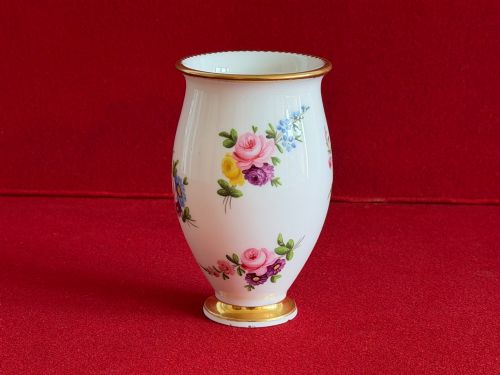
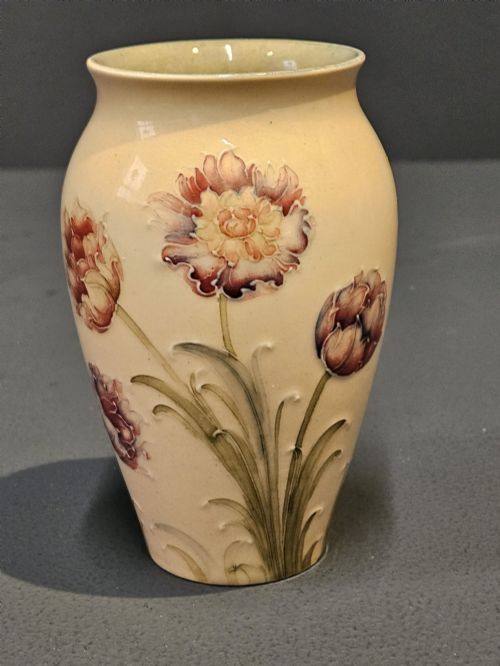
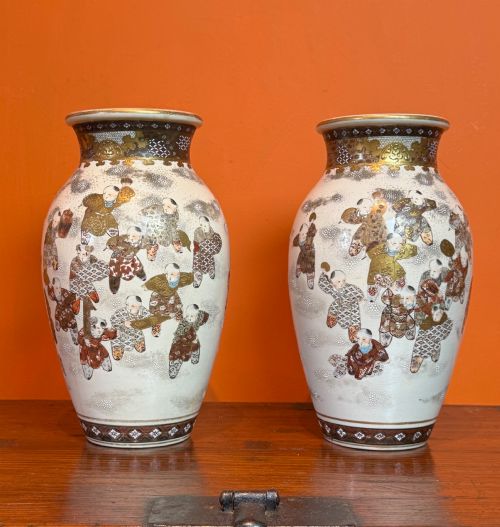
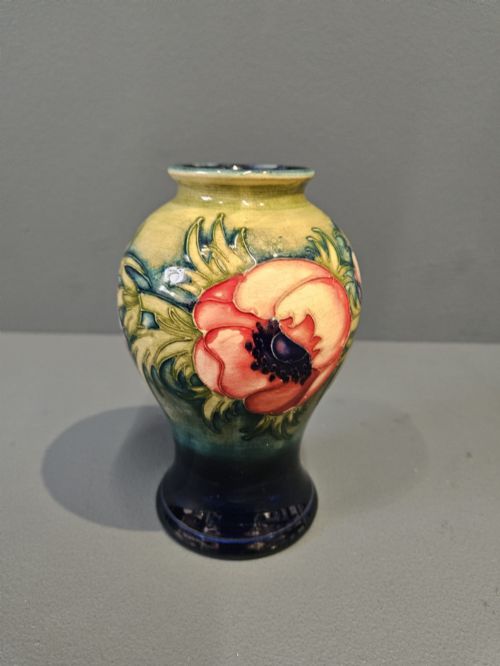
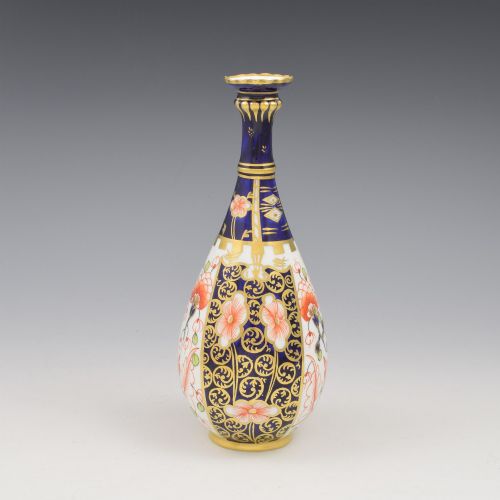
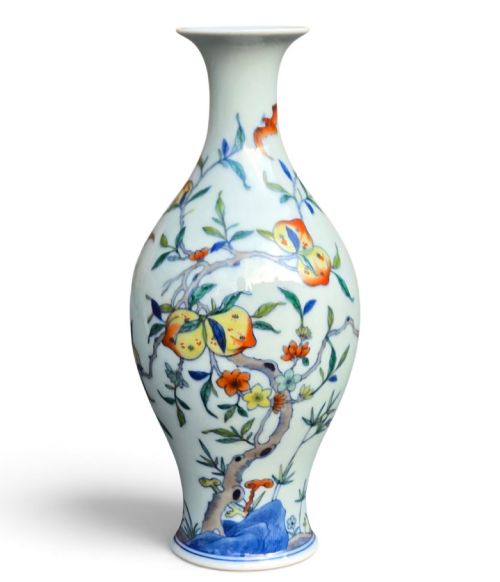
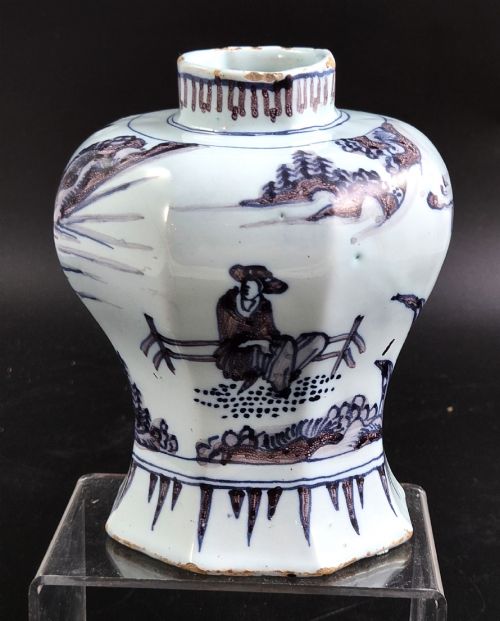
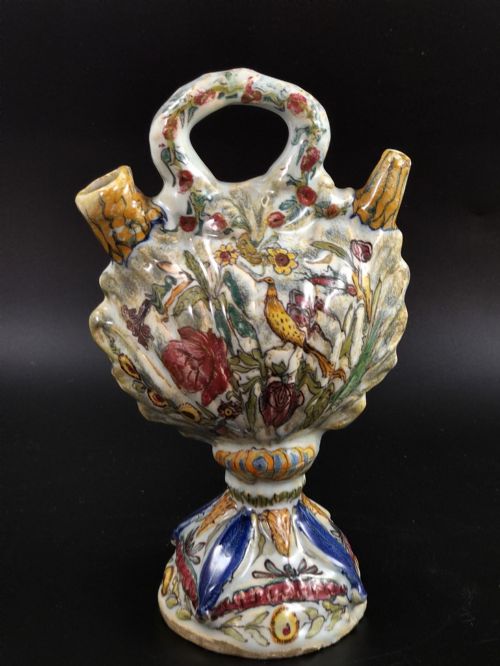
These painted pottery vases bring together centuries of global ceramic artistry, offering colourful hand-painted designs from Delftware to Japanese Satsuma and Moorcroft.
Painted Pottery Vases
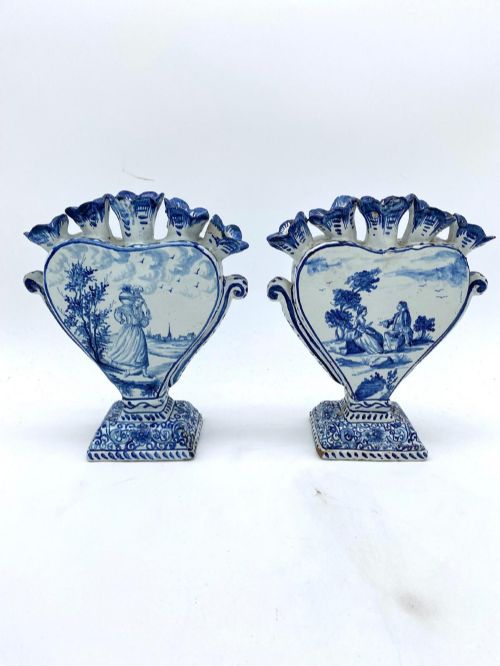
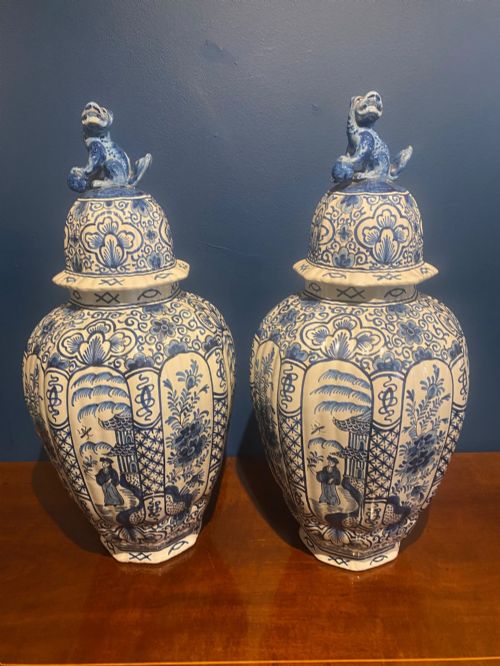
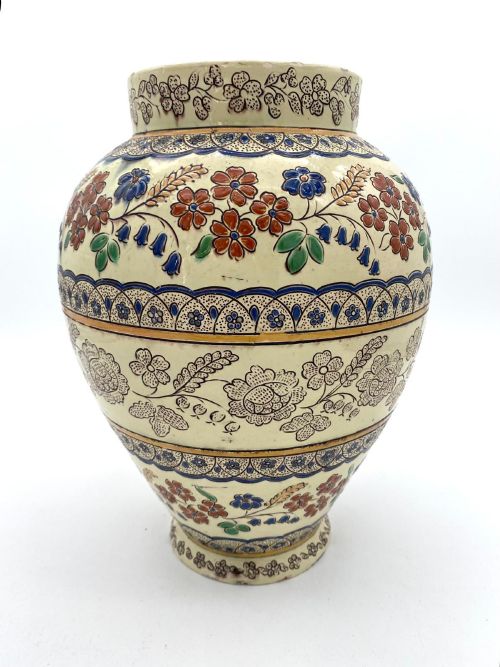
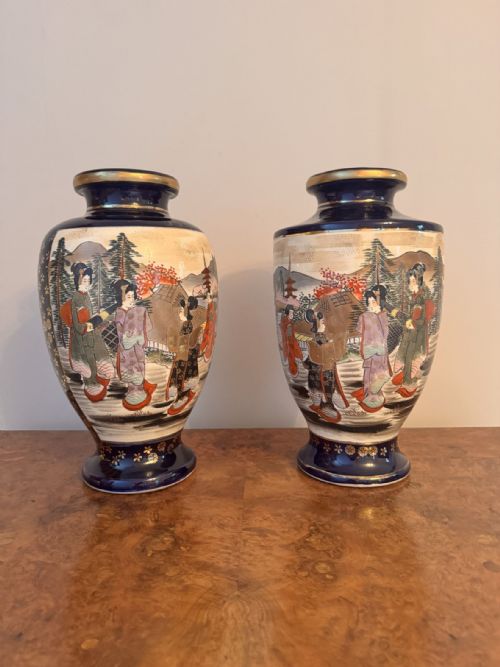
Painted pottery vases encompass earthenware, porcelain, and tin-glazed vessels spanning from the seventeenth century through the Art Deco era. When you search for painted pottery vases, you encounter diverse regional traditions including Dutch Delftware, English Moorcroft, Japanese Satsuma, and French faience.
The selection here ranges from grand nineteenth-century pairs and garnitures to eighteenth-century blue and white baluster vessels and early twentieth-century earthenware. Forms vary widely from standard vases and urns to pilgrim flasks, ewers, and tulipieres.
How they were made
Potters shaped these vessels from earthenware, ceramic, and porcelain bodies before applying tin glaze, enamel, or standard liquid glazes. Artisans then hand-painted intricate motifs directly onto the surface, sometimes incorporating gold leaf or copper-red pigments.
Many pieces underwent high-temperature kiln firings to set the underglaze cobalt or polychrome enamels, while others utilised specialised lustre techniques or intricate transfer and hand-finishing combinations.
Painted Pottery Vases Retail Price Guide 2026
Typical asking prices for painted pottery vases among the pieces listed under this phrase on Sellingantiques today, from the lower quarter to the upper quarter. They describe what is for sale here now, not the wider market.
Several vessels depict traditional Chinese scholars alongside Japanese mythical beasts, proving historical potters enjoyed imaginative cross-cultural mashups.
What varies in quality
Quality rests in the precision of the hand-painting, the complexity of the polychrome or underglaze palette, and the crispness of the moulded form. Finer works display meticulous brushwork in detailed figure scenes or botanical studies rather than repetitive stamped patterns.
The reputation of the pottery or studio, alongside the retention of original covers or matching garniture sets, distinguishes standard production pieces from exceptional collector items.
Moorcroft·Wemyss·Royal Crown Derby·Doulton Lambeth·Jacob Petit·Cantagalli·Fourmaintraux-Courquin
The Painted Pottery Vases Glossary
- Delftware
- Tin-glazed earthenware originating from the Netherlands, traditionally decorated in blue and white or polychrome designs.
- Satsuma
- Japanese earthenware pottery featuring a crackle-glaze finish and ornate polychrome and gilt decoration.
- Faience
- European tin-glazed earthenware, particularly associated with French and Italian pottery traditions.
- Baluster
- A vase form with a rounded body that tapers toward the neck, resembling a architectural baluster.
- Tulipiere
- A specialised vessel featuring multiple spouts designed specifically for holding and displaying cut tulips.
Painted Pottery Vases: Frequently Asked Questions
How do I date an antique vase?
Dating relies on stylistic markers, materials, and maker marks stamped or painted on the base. Comparing the glaze type and decorative motifs against known production periods helps narrow down the decade.
Items from the eighteenth century often feature distinct tin-glaze properties and hand-mixed pigments, whereas twentieth-century pieces display cleaner manufacturing standards and modern studio signatures.
What is the difference between earthenware and porcelain?
Earthenware is a porous, opaque pottery body fired at lower temperatures, requiring a glaze to achieve water tightness. Porcelain is a vitrified, dense ceramic made from kaolin that rings when struck and is often translucent.
Both materials serve as canvases for painted pottery vases, though porcelain typically permits finer, more delicate line work during painting.
How should I display antique ceramic vases?
Place vases in stable locations away from direct sunlight and heavy foot traffic to protect delicate painted surfaces and enamel work. Ensure shelves or tables offer a level, secure surface to prevent accidental tipping.
Pairing pieces from similar periods or matching colour palettes creates a cohesive display, whether showcasing single vessels or multi-piece garnitures.
Are painted pottery vases waterproof?
Many historical tin-glazed earthenware and ceramic vases are porous or have hairline crazing in the glaze. Using them for fresh flowers with standing water can sometimes cause moisture damage to the antique body.
It is safer to place a small glass insert inside the vase if you intend to use it for live floral arrangements.