

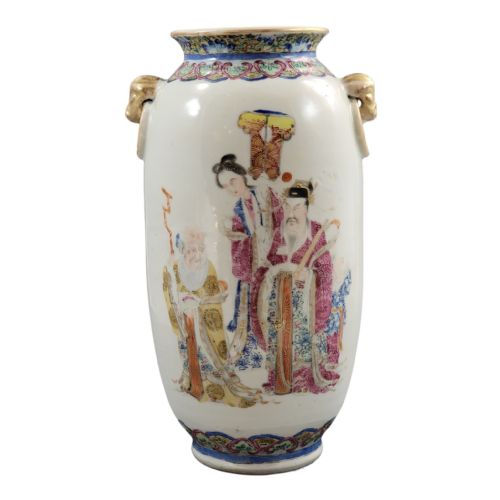


Painted Porcelain Figure Vase
A painted porcelain figure vase marries sculptural form with detailed ceramic painting, bringing narrative scenes and figures directly into the vessel.
Painted Porcelain Figure Vase
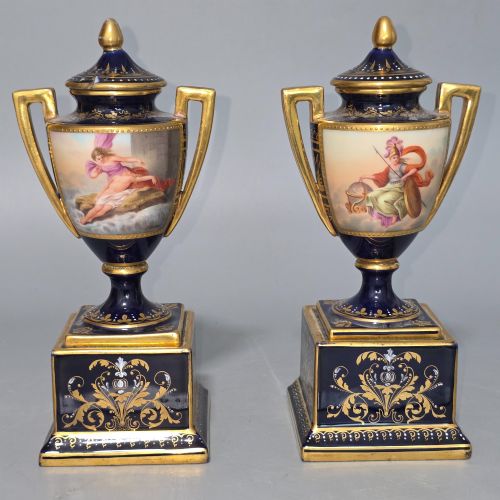
A painted porcelain figure vase combines traditional ceramic vessels with painted human figures, immortals, or scenes, often taking the form of amphorae, cylindrical vases, or centrepiece urns. When searching for a painted porcelain figure vase, buyers encounter pieces originating from nineteenth-century European factories and Asian kilns.
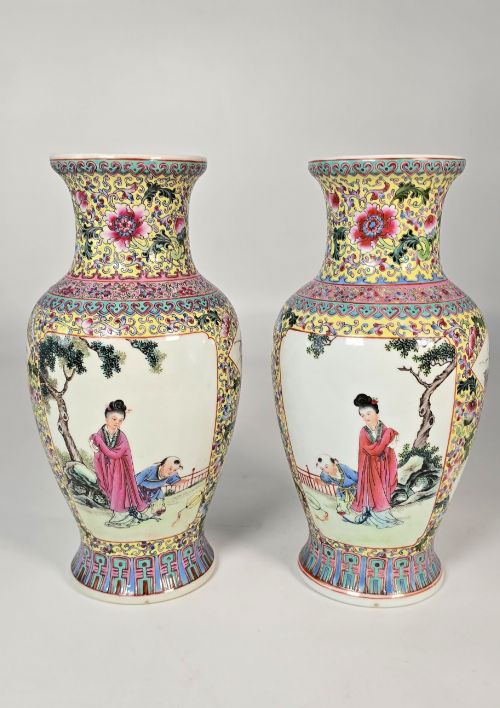
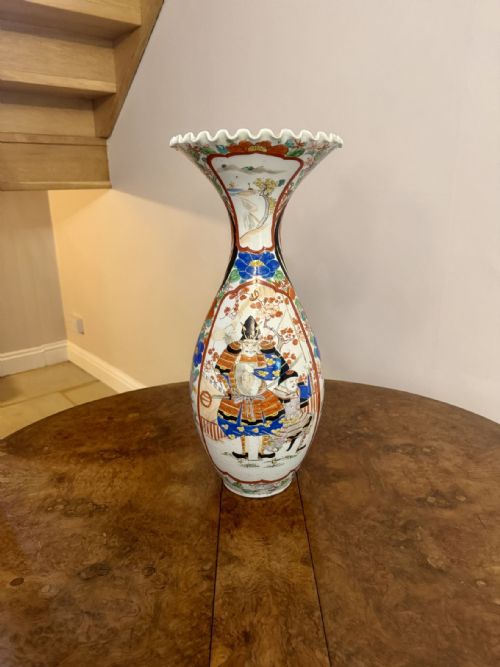
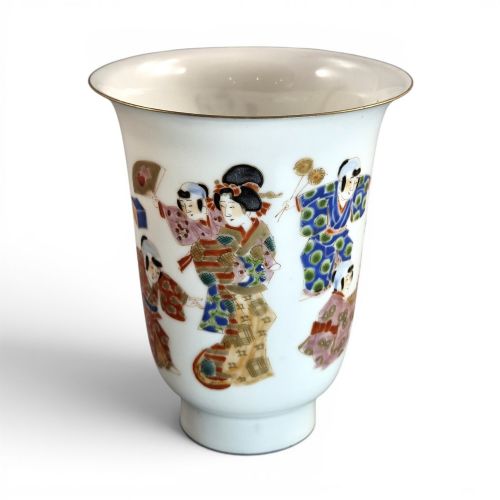
The selections span diverse aesthetics, from Chinese famille rose and blue and white wares to Japanese Satsuma and Kutani productions, alongside European Vienna and Staffordshire pieces. These items frequently incorporate figural groups or narrative panels integrated directly into the body of the vase.
Vessels range from large decorative urns and lidded jars to smaller brush pots and table lamps adapted from earlier forms. The nineteenth century yields the highest concentration of examples, mixing Victorian tastes with Meiji period and Qing dynasty traditions.
How They Were Made
Potters shaped the porcelain, earthenware, or bisque bodies by hand or mould before applying initial glazes and underglaze pigments. Overglaze enamel, gold leaf, and gilt details were then added in subsequent firings to fix the intricate colours and metallic highlights.
Painters utilised fine brushes to render human figures, robes, and landscape details with high precision, particularly visible in Satsuma, Kutani, and famille rose pieces. Enamels were layered over the fired glaze to create raised textures and rich visual depth across the surface.
Several nineteenth-century scholars and immortals found themselves permanently retired onto porcelain brush pots to watch over desks.
What Varies in Quality
The clarity and execution of the hand-painted figures set the finest examples apart from standard production, separating precise brushwork from hurried decoration. Finer pieces demonstrate careful attention to facial expressions, drapery folds, and the integration of gold leaf.
Material preparation and firing control influence the finish of the glaze and the vibrancy of the enamels, determining whether the surface retains crisp details or shows blurring. The balance between the sculptural form of the vase and the painted narrative dictates the overall visual success of the piece.
F Koller·Gao Hengsheng·Samuel Alcock·Vion et Baury·Hichozan Shinpo
The Painted Porcelain Figure Vase Glossary
- Famille rose
- A major palette of Chinese ceramic glazes introduced in the Qing dynasty, distinguished by opaque pink or rose enamels. This technique allowed artists to paint subtle tonal gradations on robes and floral motifs.
- Satsuma
- A type of earthenware originating from Japan, typically featuring a ivory-coloured, crackled glaze. Artisans decorated these surfaces heavily with polychrome enamels and gold leaf depicting figural scenes.
- Bisque
- Unglazed porcelain fired once to a porous, matte state that resembles marble. It appears frequently in nineteenth-century European figural groups and decorative vases.
- Kutani
- Japanese porcelain or pottery characterised by bold, colourful overglaze designs. Greens, blues, and reds often dominate these vibrant compositions.
- Amphora
- A two-handled jar with a narrow neck used since antiquity for storage or display. Victorian revival makers adopted this classical shape for decorative porcelain vessels.
Painted Porcelain Figure Vase: Frequently Asked Questions
What is a painted porcelain figure vase?
A painted porcelain figure vase is a ceramic vessel decorated with hand-painted human figures, historical characters, or mythological scenes. These pieces combine sculptural pottery forms with detailed enamel work.
They serve primarily as decorative objects, centrepieces, or converted table lamps. Collectors prize them for the narrative detail captured on the ceramic surface.
How do I identify Chinese and Japanese pieces?
Chinese pieces often feature famille rose or blue and white palettes depicting scholars, immortals, and narrative court scenes. Japanese examples frequently utilise Satsuma earthenware or Kutani porcelain with dense gilding.
Examining the base marks, glaze characteristics, and painting style helps distinguish between the various Asian traditions. Nineteenth-century pieces often reflect specific regional export styles.
Were these vases used or displayed?
Most painted porcelain figure vases were created as ornamental items for display in nineteenth-century drawing rooms and parlours. Their delicate overglaze enamels and gold leaf meant they functioned primarily as visual centrepieces.
Some forms, such as brush pots or lidded jars, held scholar's implements or dry goods before entering the collector market. Later examples were frequently adapted into table lamps.
How should I care for antique porcelain?
Clean antique porcelain gently with a dry microfiber cloth to remove dust from the surface. Avoid using harsh chemical cleaners or abrasive materials that could damage the overglaze enamels and gold leaf.
Keep pieces away from direct sunlight to prevent the painted colours from fading over time. Secure unstable lids or converted lamp fittings carefully during handling.