
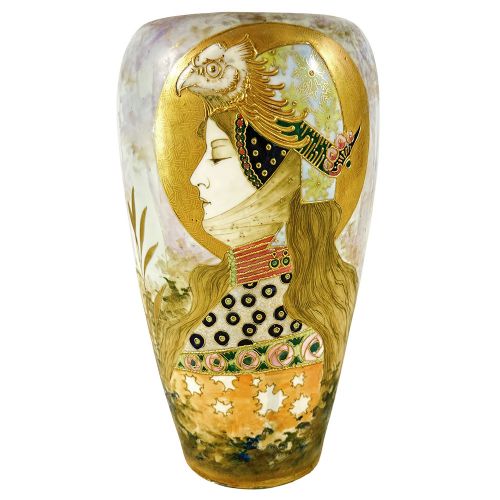
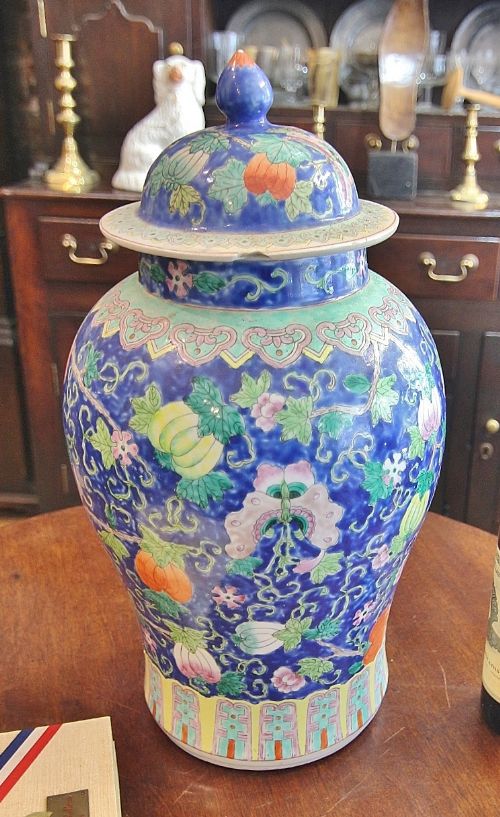
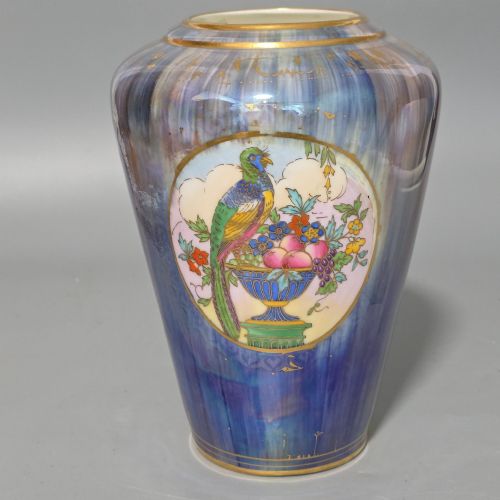
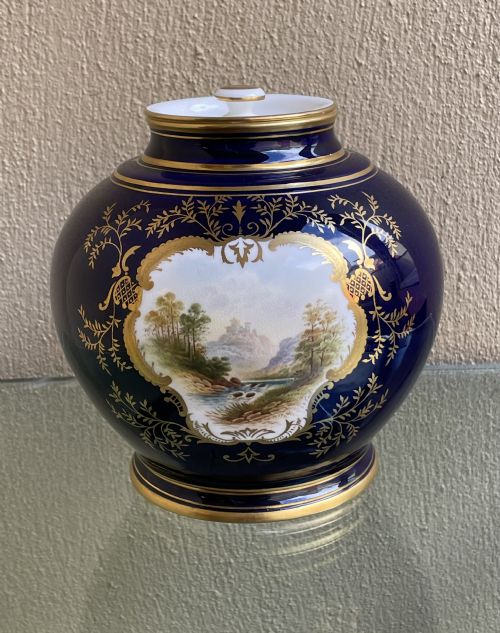


Painted Porcelain Display Urn
A painted porcelain display urn brings decorative presence to a room, offering intricate hand-painted detail and classical form.
Painted Porcelain Display Urn
When you search for a painted porcelain display urn, you encounter vessels created for visual impact rather than utilitarian service. These objects span various forms, including decorative vases, covered ginger jars, and monumental floor pieces.
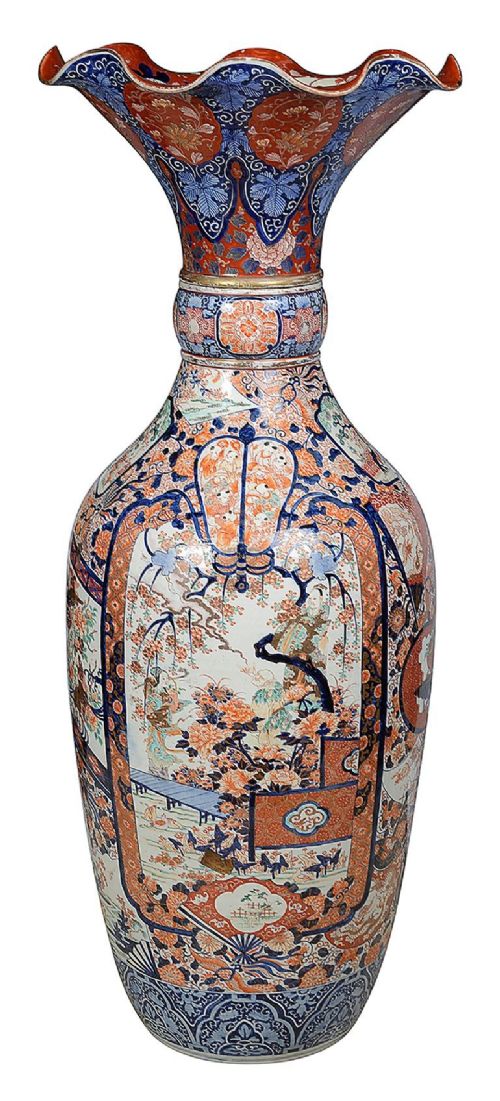
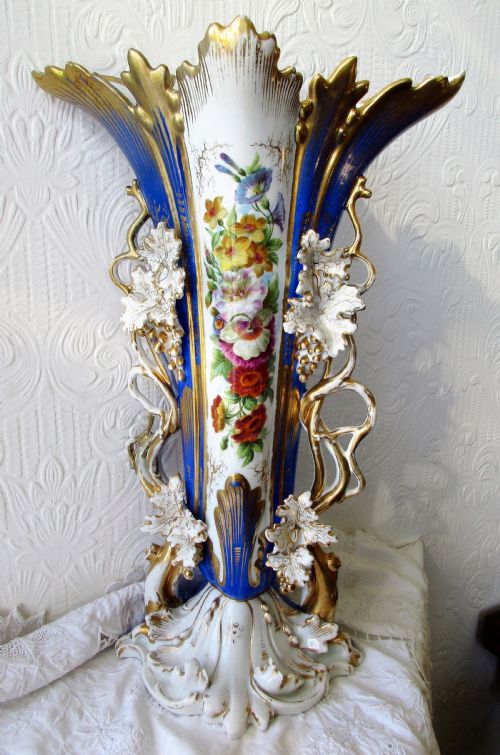
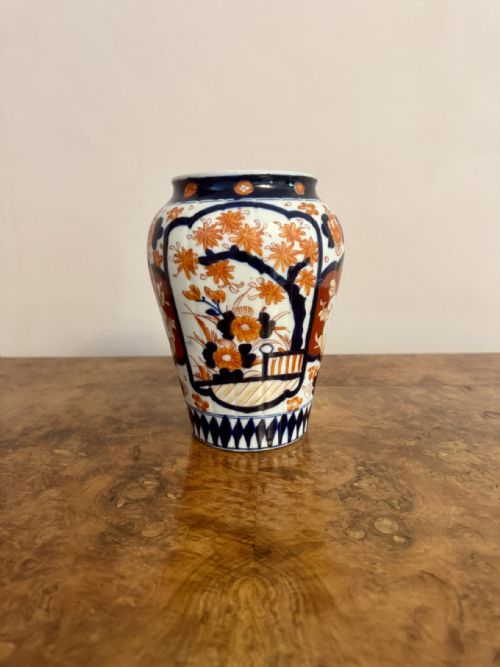
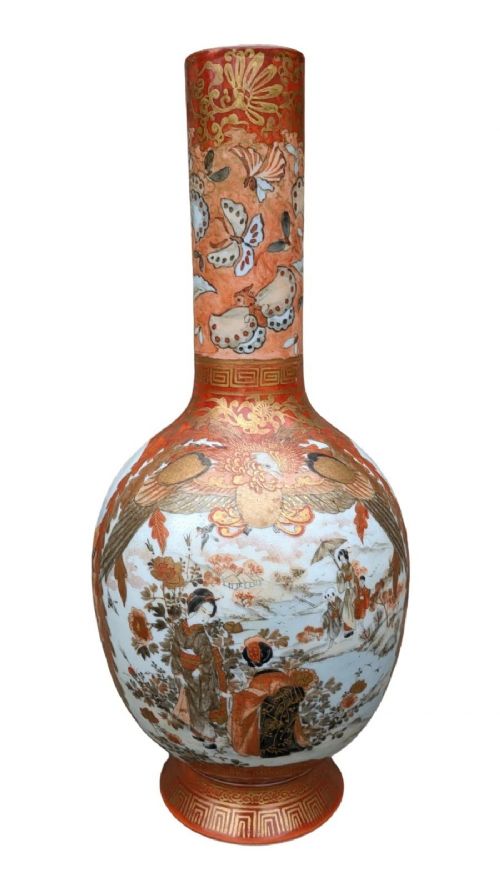
The selections on this page draw heavily from nineteenth-century Japanese production, alongside English factories and continental European kilns. Examples range from miniature Satsuma wares to large Imari jars and classical Vienna urns.
Makers utilised traditional porcelain, earthenware, and opaque glass bodies, decorating surfaces with enamel, gold leaf, and cobalt blue. Many pieces exhibit distinct regional styles, moving from Meiji period motifs to Rococo Revival and Art Nouveau curves.
How They Were Made
Potters shaped these vessels using fine porcelain and earthenware clays, often throwing them on a wheel or moulding them into complex multi-part forms with handles and covers. Craftsmen then applied glazes, enamels, and paint layers before firing the pieces in kilns to fix the colours.
Surface decoration frequently involved meticulous hand-painting combined with gold leaf, gilt highlights, and raised enamel work. Certain pieces integrated specialised techniques such as lacquer applied over black paint or intricate lustre finishes.
What Varies in Quality
The standard of a painted porcelain display urn rests upon the execution of its hand-painted details and the crispness of the gilt work. Master painters achieved finer lines, more balanced figural processions, and richer tonal gradations than secondary workshops.
Proportion and scale also define the hierarchy of these objects, particularly in monumental or exhibition-piece vessels where symmetry and potting precision require advanced technical skill. Well-preserved enamel surfaces and fully intact covers elevate the integrity of the piece.
Nicholas Kannhauser for Reissner Stellmacher and Kessel·Minton·Coalport·Royal Vienna·Royal Worcester
The Painted Porcelain Display Urn Glossary
- Satsuma
- A type of earthenware from Japan featuring a crackle glaze and elaborate polychrome and gilt decoration. These pieces often depict figural processions or landscapes.
- Imari
- A style of Japanese porcelain characterised by a palette of underglaze blue, iron red, gold, and supplementary colours. Designs typically incorporate floral and geometric motifs.
- Doucai
- A Chinese porcelain technique involving underglaze blue outlines filled in with overglaze enamels. This method creates a contrasting, vibrant surface pattern.
- Lustre
- A type of ceramic glaze that produces a metallic or iridescent sheen upon firing. Makers utilised this to catch the light on decorative vessels.
- Chinoiserie
- European artistic style reflecting Chinese motifs and decorative techniques. Artisans applied these designs to ceramics, furniture, and interiors.
Painted Porcelain Display Urn: Frequently Asked Questions
How were display urns used?
These vessels served primarily as decorative focal points within nineteenth-century interiors, placed on mantelpieces, pedestals, or console tables to demonstrate the owner's taste. Unlike utilitarian kitchen vessels, their purpose was purely visual.
Larger covered examples and ginger jars also functioned to hold pot pourri or simply to occupy empty architectural spaces in grand rooms.
How do I clean my painted urn?
Dust the surface gently with a soft, dry brush to remove particulate matter without disturbing fragile enamel or gilt layers. Avoid harsh chemical cleaners or abrasive cloths that can strip surface decoration.
Keep these pieces away from direct sunlight and damp environments to protect the integrity of the glaze and gold leaf over time.
How do I tell Japanese Satsuma from Imari?
Satsuma wares feature a distinct ivory-coloured earthenware body covered in a fine network of crackled glaze, usually painted with dense figural or floral scenes enhanced by gold. Imari pieces utilise a harder porcelain body and rely on a bolder palette dominated by cobalt blue and iron red.
Examining the base and the weight of the vessel helps clarify the distinction between the porous earthenware of Satsuma and the resonant porcelain of Imari.
What is the Meiji period?
The Meiji period spans the late nineteenth and early twentieth centuries in Japan, marking an era of rapid modernisation and flourishing export arts. Ceramics from this time often display extraordinary technical precision and intricate detail.
Objects bearing Meiji signatures frequently reflect both traditional Japanese iconography and influences from Western trade markets.