

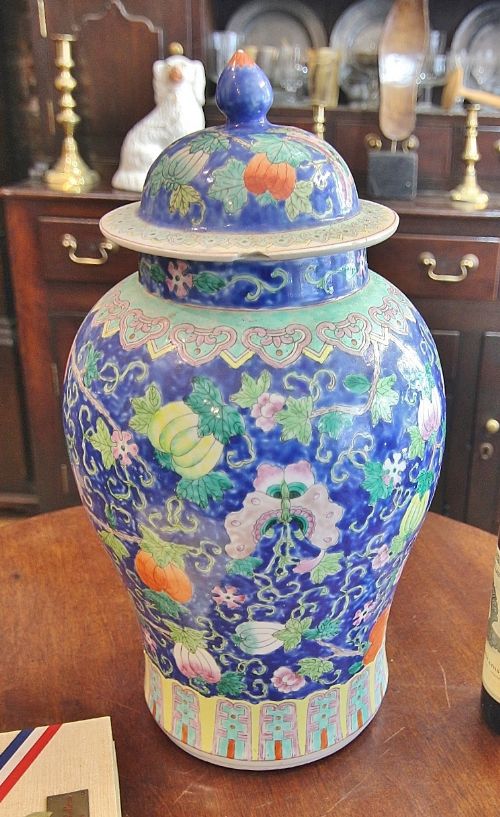
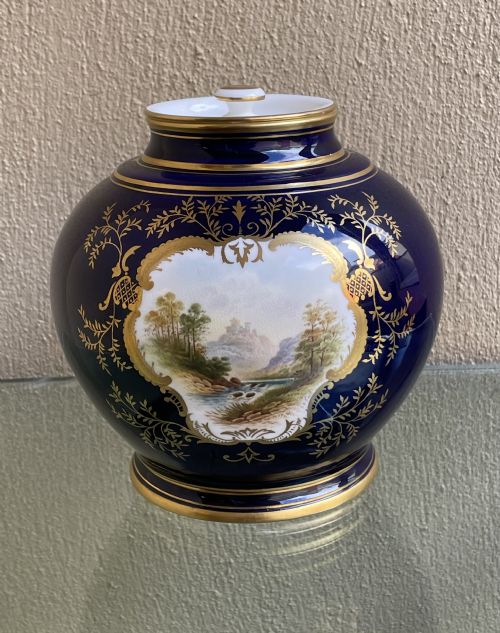


Painted Porcelain Display Jar
A painted porcelain display jar brings centuries of international artistry into a room, offering striking form and intricate surface detail.
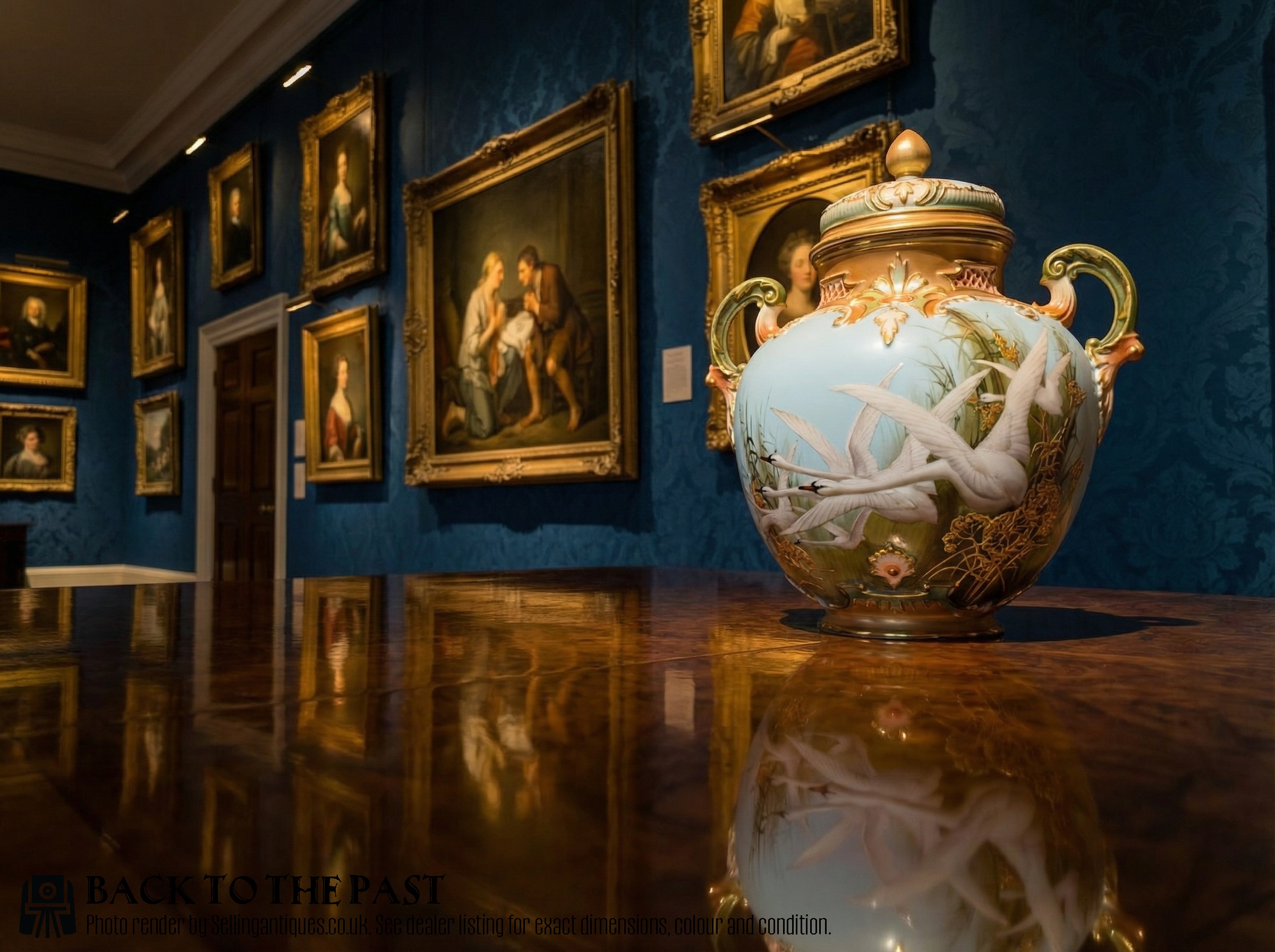
Painted Porcelain Display Jar
A painted porcelain display jar represents a diverse group of large vessels, vases, apothecary jars, ginger jars, and decorative urns collected for their ornamental presence. When exploring painted porcelain display jars, a buyer encounters pieces originating from 17th century Dutch Delft workshops up to 20th century Chinese and English kilns.
Materials and production methods
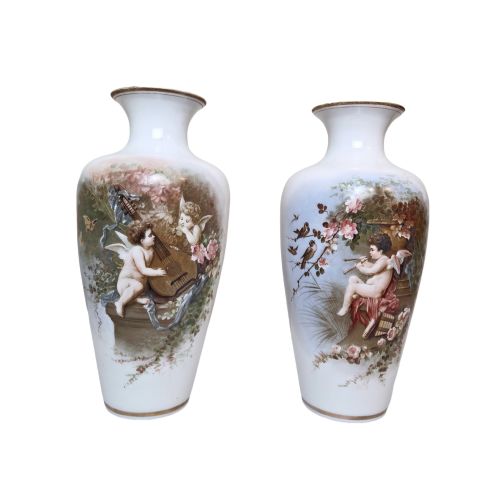
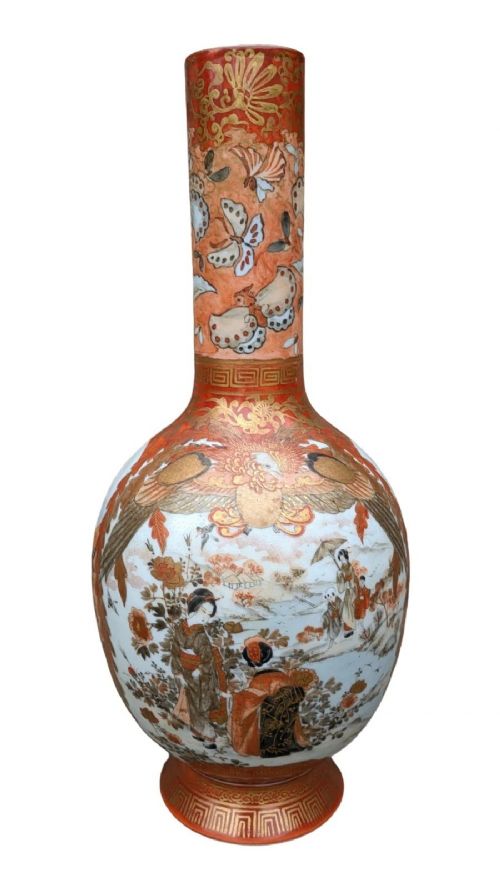
Makers shaped ceramic bodies using porcelain, tin-glazed earthenware, and fine clay before applying underglaze cobalt pigment, enamel colours, and slip painting. Artisans frequently integrated gold leaf and heavy gilt detailing to accentuate hand-painted motifs of birds, flowers, dragons, and figurative scenes.
Firing techniques varied from high-temperature kilns used for Chinese and Japanese porcelains to lower-firing earthenware methods employed in Dutch Baroque and Victorian European traditions. Protective glazes sealed the pigments, creating durable, lustrous surfaces designed to preserve the intricate painted designs.
Painted Porcelain Display Jar Retail Price Guide 2026
Typical asking prices for painted porcelain display jar among the pieces listed under this phrase on Sellingantiques today, from the lower quarter to the upper quarter. They describe what is for sale here now, not the wider market.
Several jars retain their original covers after surviving centuries of household dusting.
Distinctions in quality and execution
Quality rests upon the precision of the brushwork and the complexity of the painted composition, distinguishing factory-produced wares from master-painted studio pieces. Finer examples display meticulous control over cobalt blue pigments, polychrome enamels, and the application of genuine gold leaf.
The sophistication of the ceramic potting, the crispness of moulded relief details, and the preservation of the original glaze and gilding determine the standing of each piece. Superior items maintain intact covers and uncompromised surface decoration across large, ambitious forms.
Coalport·Tokyo Taizan·Royal Worcester
The Painted Porcelain Display Jar Glossary
- Imari
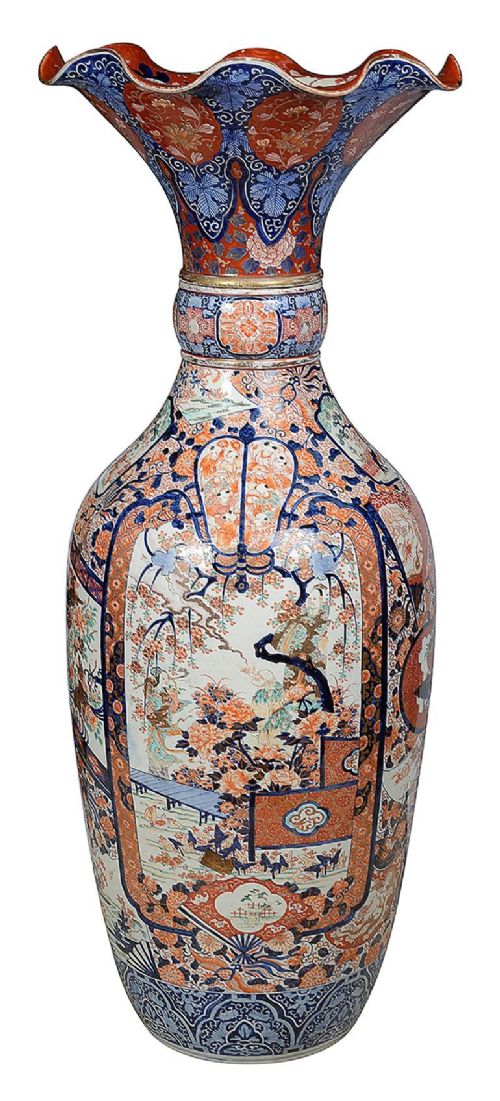
- A style of Japanese porcelain decorated in underglaze blue, iron red, and gold, named after the port from which these goods were shipped. This aesthetic heavily influenced European ceramic production during the Baroque and Victorian eras.
- Chinoiserie
- A European artistic style reflecting Chinese motifs and decorative techniques, seen clearly in 17th century Dutch Delft blue and white wares. Artisans adapted traditional Asian landscapes and flora into local ceramic forms.
- Apothecary jar
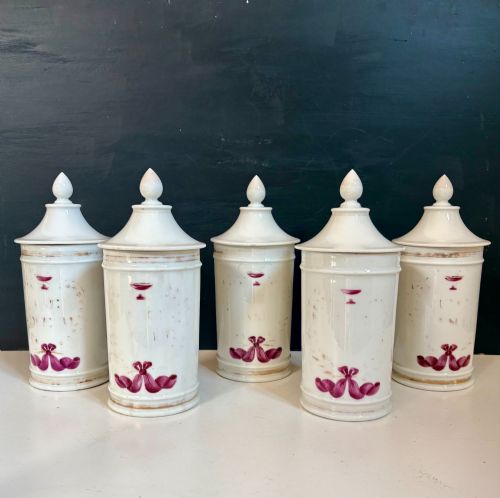
- A vessel traditionally utilised by chemists and pharmacists to store dried herbs, medicines, and spices. These lidded containers frequently feature painted labels or decorative heraldic and botanical panels.
- Doucai
- A Chinese porcelain technique involving underglaze blue outlines filled in with contrasting overglaze enamels. This method requires multiple kiln firings to achieve its vibrant chromatic finish.
- Pot pourri
- A decorative lidded vase or jar pierced to allow the scent of dried flowers and spices to diffuse into a room. Factories such as Royal Worcester produced elaborate examples featuring hand-painted natural subjects.
Painted Porcelain Display Jar: Frequently Asked Questions
What is a painted porcelain display jar?
These pieces are large decorative vessels, ginger jars, urns, and apothecary containers fashioned from ceramic and porcelain. They feature hand-painted glazes, enamels, and gilding originating from various Asian and European traditions.
Collectors prize them for their bold scale, intricate surface artwork, and ability to anchor the design of a room as standalone decorative objects.
How were these jars used historically?
Many vessels served practical storage roles in households and apothecary shops, containing dry goods, medicines, spices, or scented botanical mixtures. Others were created strictly as ornamental centrepieces and floor vases to display wealth and artistic taste.
Over time, functional pieces transitioned into pure display items, prized primarily for the survival of their painted decoration and original covers.
How can I tell Japanese Imari from Chinese porcelain?
Japanese Imari typically employs a distinct palette of deep cobalt blue, rusty iron red, and heavy gold highlights painted over a crisp white porcelain body. The decorative layouts often feature dense floral and panel motifs inspired by textile designs.
Chinese export and decorative wares, such as Doucai or Qing dynasty jars, rely on different pigment combinations and traditional brushwork depicting dragons, landscapes, and imperial symbols.