
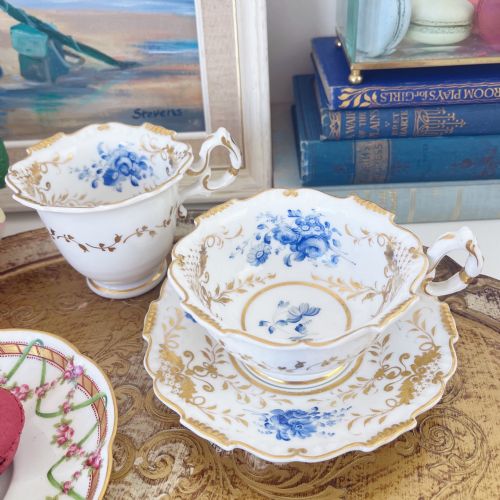
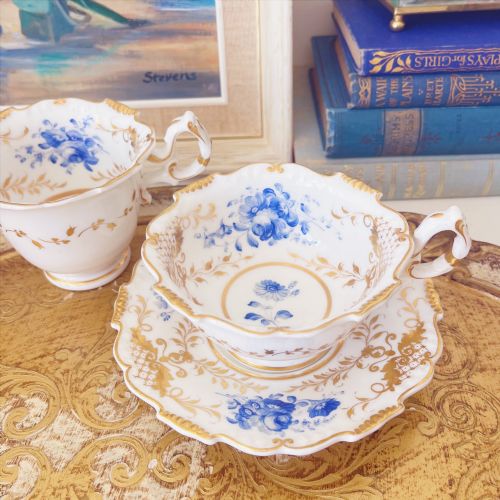
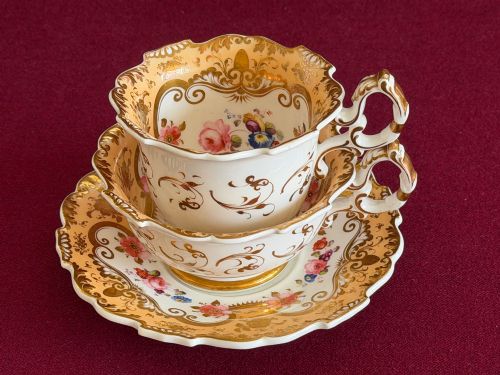
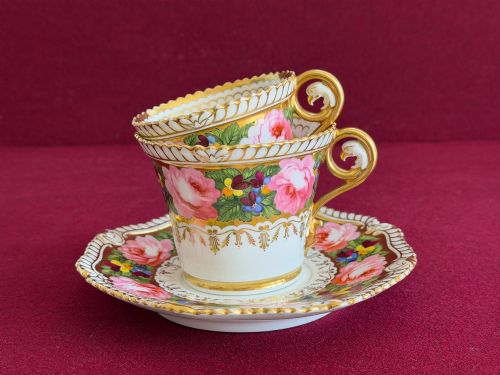

Painted Porcelain Cup Saucer
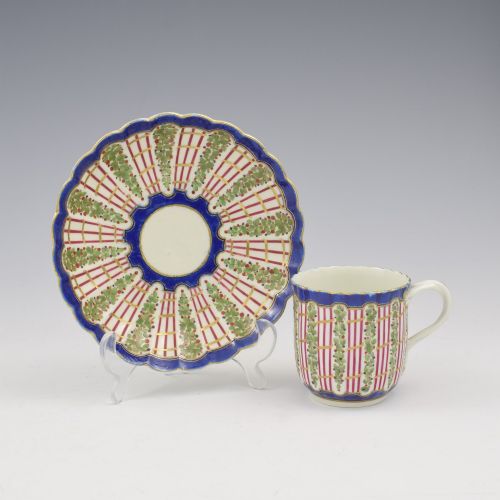
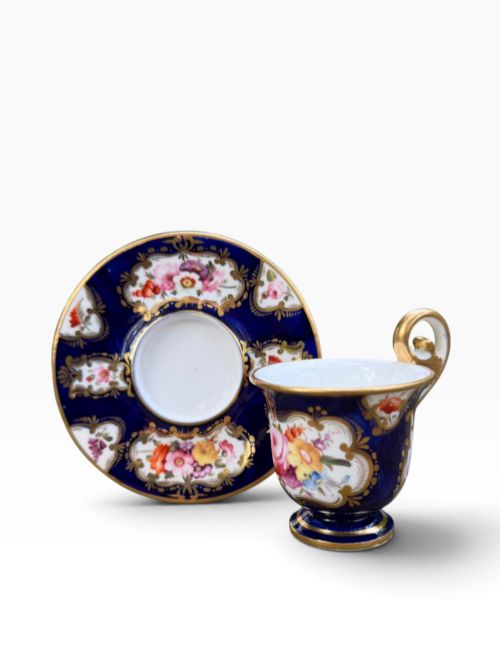
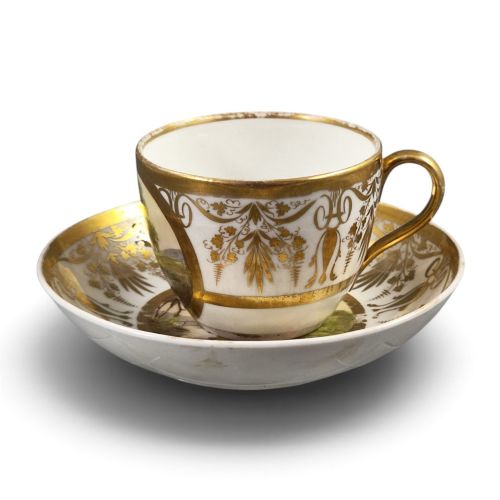
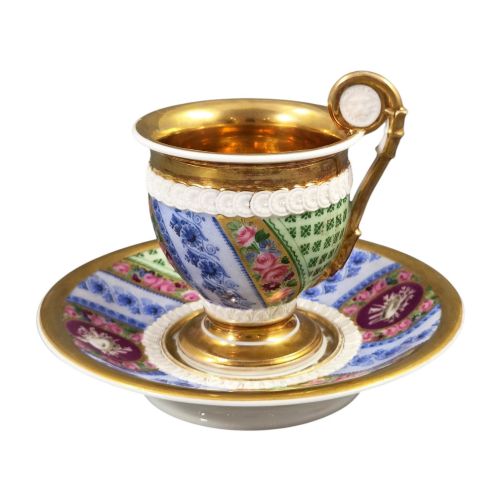
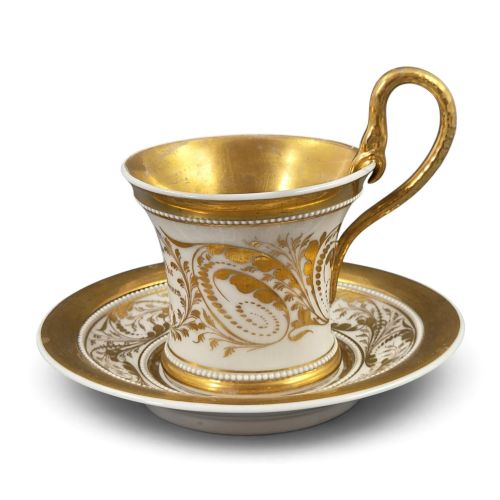
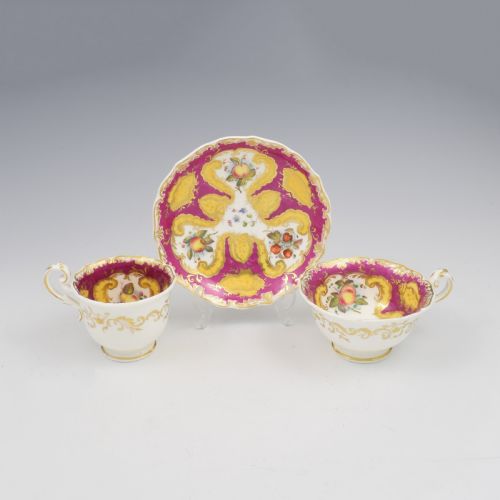
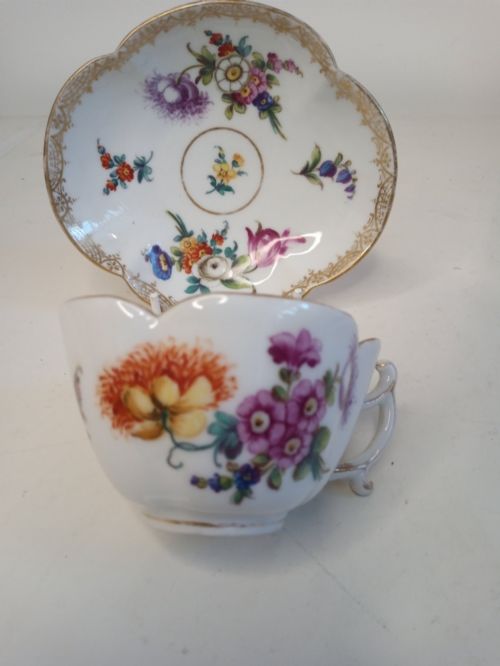
When you search for a painted porcelain cup saucer, you enter a world of delicate hand-decorated drinking vessels spanning multiple centuries and ceramic traditions.
Painted Porcelain Cup Saucer
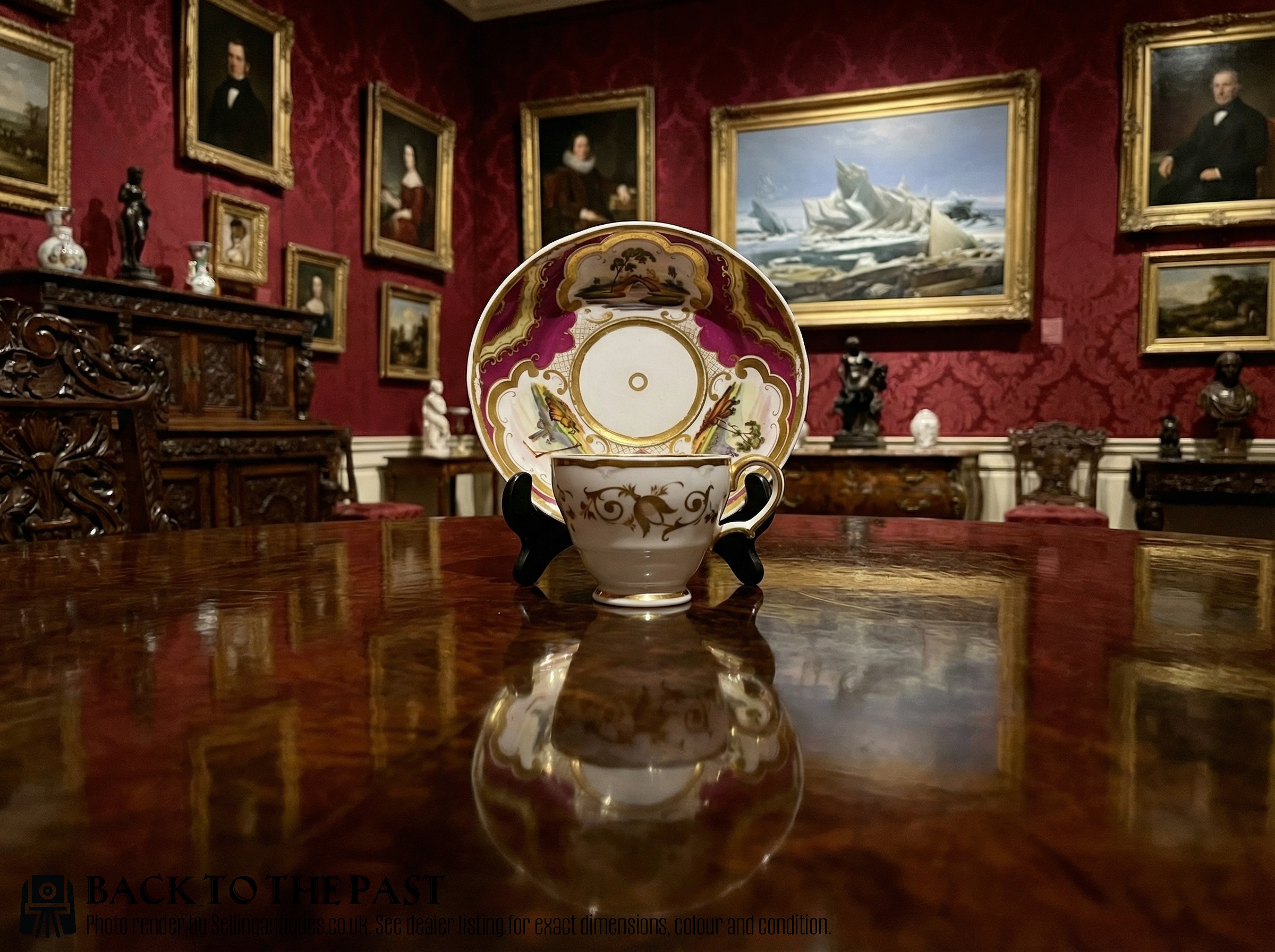
A painted porcelain cup saucer set comprises matching or companion drinking vessels designed for tea, coffee, or chocolate. These pieces range from solitary cabinet display items to components of larger breakfast sets and tea services.
The selection on this page leans heavily toward 18th-century, Regency, and 19th-century English factories such as Worcester, Coalport, and Davenport, alongside continental porcelain from Meissen, Sèvres, Berlin, and Paris.
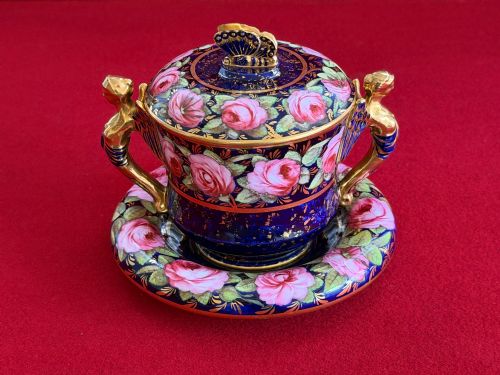
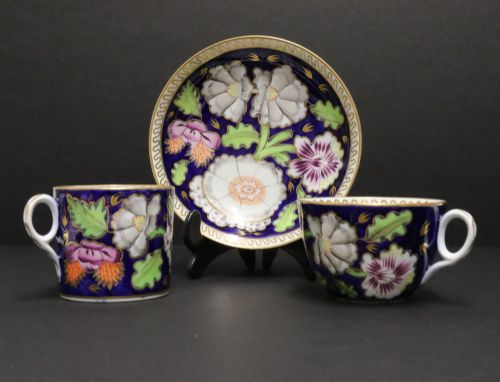
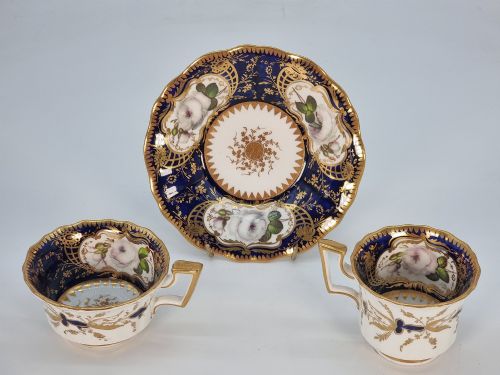
Forms vary from standard teacups and saucers to specialised chocolate cups with covers, coffee cans, and multi-piece trios that include matching side plates.
How They Were Made
Potters utilised soft-paste porcelain, hard-paste porcelain, and bone china as the ceramic base, shaping them manually or on wheels before initial firing.
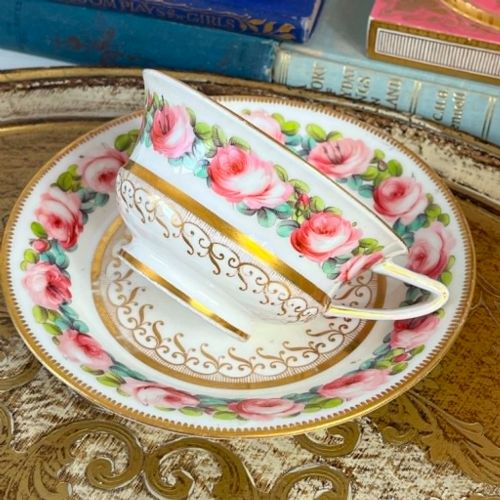
Artisans applied polychrome enamel pigments and gold leaf by hand, often executing detailed botanical, landscape, or avian motifs before a secondary kiln firing to fix the decoration.
Some antique cups feature lion mask handles that peer out from beneath the rim to steady your morning brew.
What Varies in Quality
The standard of a painted porcelain cup saucer depends largely on the precision of the hand-painting and the complexity of the gilding. Superior examples display intricate brushwork, such as finely detailed feathering on birds or nuanced shading on floral panels, executed by named decorators or skilled factory hands.
The body of the ceramic itself also dictates quality, with thinner, more translucent porcelain bodies and well-balanced forms representing superior manufacturing effort compared to heavier, thickly cast utilitarian wares.
H & R Daniel·Chamberlain Worcester·Spode·Coalport·KPM Berlin·Flight Barr & Barr·Royal Worcester·Meissen
The Painted Porcelain Cup Saucer Glossary
- Cabinet cup
- A decorative cup and saucer intended for display rather than everyday use, often featuring elaborate hand-painted landscapes or portraits.
- Trio
- A matching set comprising a teacup, a coffee cup or coffee can, and a saucer.
- Soft-paste porcelain
- An artificial porcelain body composed of clay and glass frit, fired at lower temperatures than hard-paste porcelain and common in 18th-century English factories.
- Hard-paste porcelain
- A true porcelain made from kaolin and petuntse, offering high durability and a bright white body.
- Gilding
- The application of gold leaf or powdered gold to the rims, handles, and borders of ceramic pieces.
Painted Porcelain Cup Saucer: Frequently Asked Questions
What is a coffee can?
A coffee can is a straight-sided cylindrical cup without a traditional curved handle, designed specifically for serving strong black coffee in the late 18th and early 19th centuries.
These pieces typically accompanied a matching saucer and formed part of a gentleman's morning service or a larger drawing-room tea set.
How do I care for antique porcelain?
Antique porcelain requires gentle hand washing in lukewarm water with mild soap, avoiding dishwashers and harsh scouring pads that can damage the enamel and wear away the gold leaf.
Store pieces safely in a stable cabinet away from direct sunlight and sudden temperature shifts to protect the glaze.
How do I identify factory marks?
Factory marks are typically painted, impressed, or printed on the underside of the saucer or the base of the cup. These symbols can include crescent moons, script initials, or crests that correspond to specific production periods.
Many early pieces remain unmarked, requiring attribution based on paste composition, shape, and painting style.
What is the difference between a tea cup and a coffee cup?
Tea cups from the historical periods represented here are generally wider and shallower, designed to let hot tea cool rapidly. Coffee cups and cans are deeper and narrower to retain the heat of smaller portions of coffee.
Trios often included both cup styles alongside a single shared saucer.