


Painted Porcelain Compote
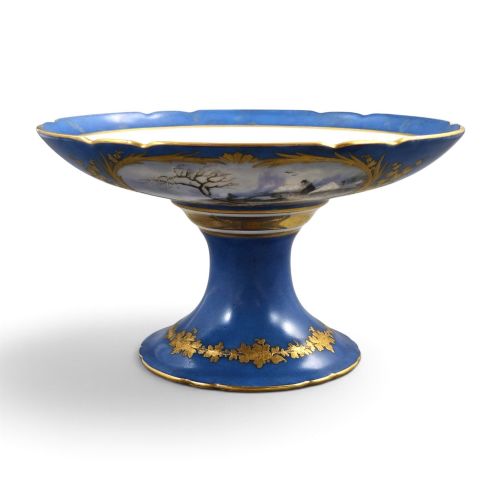
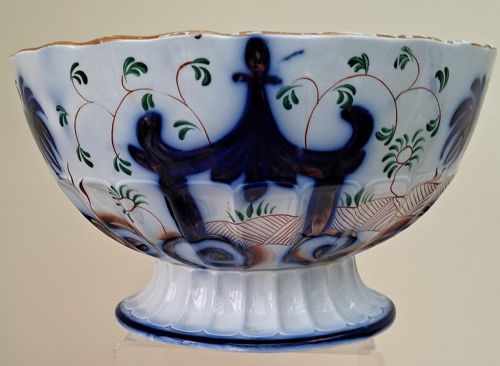
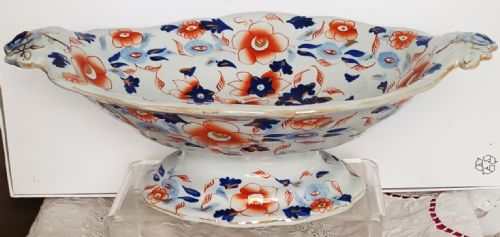
A painted porcelain compote is a raised fruit dish or centrepiece, bringing hand-painted scenes and gilded porcelain to the table.
Painted Porcelain Compote
A painted porcelain compote serves as a raised vessel for fruit or as a table centrepiece, combining footed bowls with decorative painting. When you search for painted porcelain compote, you encounter pieces intended for display or dessert service.
The selection ranges across the nineteenth century, taking forms such as footed bowls, tazzas, and pedestal dishes. English and continental makers produced these items in styles spanning Georgian, Regency, Victorian, and Edwardian periods.
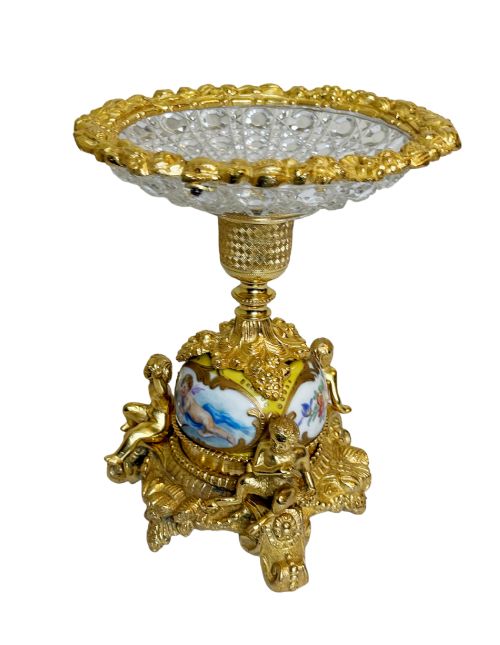
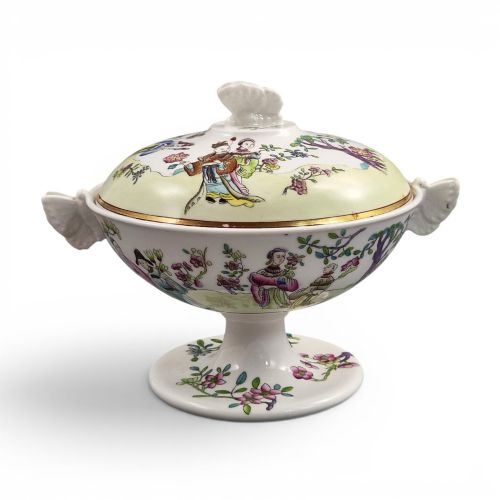
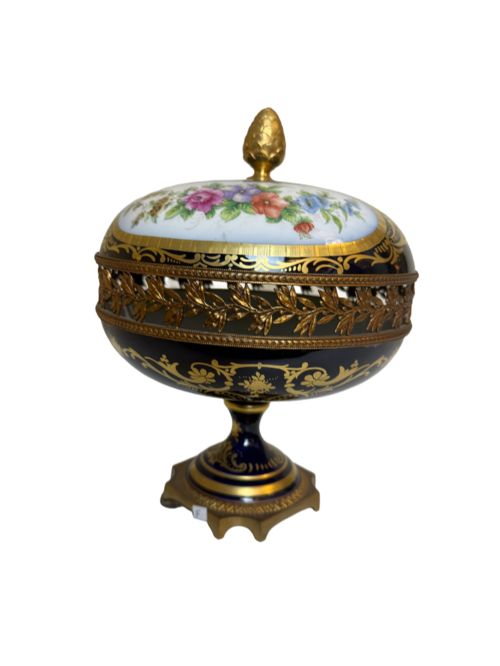
Most examples meet you on this page in porcelain, ironstone, or ceramic, often elevated on pedestals or mounted with gilt bronze and ormolu. They frequently feature hand-painted floral motifs, Chinoiserie patterns, or sculptural cherubs.
How they were made
Potters shaped these vessels from porcelain, felspar porcelain, or ironstone, forming pedestals, footed bowls, and lidded dishes. Applied elements like butterfly handles or cherubs were modelled separately before firing.
Makers applied hand-painted decoration, ranging from botanical studies like orchids to Mandarin Chinoiserie patterns and scenic views. Gilding with gold leaf or gilt lines finished the rims and footed bases.
Some pieces incorporate metal mounts in gilt bronze or ormolu, joining the ceramic bowl to a stable base or adding decorative handles. These combinations reflect the French Rococo Revival and Victorian tastes of the nineteenth century.
Listings span the nineteenth and early twentieth centuries, featuring porcelain, ironstone, and ceramic materials mounted in gilt bronze and ormolu.
What varies in quality
The refinement of the hand-painted detail separates standard output from finer studio work. Precision in botanical or figurative painting indicates the skill of the artist involved.
The integration of the ceramic body with mounts of gilt bronze or ormolu demonstrates the standard of construction. Heavier casting and secure mounting elevate the piece.
The complexity of the form, such as sculpted cherubs or pedestal bases with butterfly handles, dictates the ambition of the original design.
John Ridgway·Thomas Moorcroft for E.J.D Bodley·Royal Worcester·Schierholz·Samson
The Painted Porcelain Compote Glossary
- Comport
- A raised dish or bowl used for serving fruit or sweets at dessert. It stands on a foot or pedestal above the table surface.
- Tazza
- A shallow saucer-shaped dish mounted on a stem and foot. It functions similarly to a compote for display and serving.
- Ormolu
- Gilded bronze used for mounts, handles, and feet on ceramic vessels. It provides decorative support in nineteenth-century designs.
- Gilt
- A thin layer of gold applied to the surface of porcelain or metal. It highlights rims, handles, and painted borders.
- Chinoiserie
- European decorative style reflecting Chinese artistic motifs. Painted scenes often feature figures, pagodas, and exotic landscapes.
Painted Porcelain Compote: Frequently Asked Questions
What was a painted porcelain compote used for?
These vessels served as elevated fruit stands or centrepieces during dessert courses in grand dining rooms. They held fresh fruit, sweetmeats, or confectioneries.
Beyond dining, they functioned as decorative objects on sideboards and tables, displaying painted scenes and gilded porcelain to guests.
How do I tell a Georgian compote from a Victorian one?
Georgian and Regency pieces often show neoclassical influences or early Chinoiserie patterns, utilising ironstone or felspar porcelain bodies. Forms tend to follow cleaner classical lines.
Victorian examples frequently embrace Rococo Revival styles with heavier gilding, sculptural cherubs, and elaborate floral painting. Metal mounts and vibrant colours become more common in the later nineteenth century.
Are these compotes safe for serving food?
Most antique compotes are treated as display pieces rather than everyday tableware due to their age and delicate painted surfaces. Historic glazes and gold leaf can wear down with frequent washing.
If used for serving, they require gentle hand washing without abrasive cleaners to preserve the hand-painted enamel and gilding.
What styles are common in these centrepieces?
French and Victorian Rococo Revival styles dominate, featuring asymmetrical scrolls, naturalistic flowers, and applied cherubs. Regency and Georgian styles appear with simpler classical proportions and transfer or hand-painted patterns.
Victorian Aesthetic Movement pieces introduce alternative motifs, while continental factories like those in Limoges and Germany brought varied continental tastes to the form.