



Painted Porcelain Bedside Light
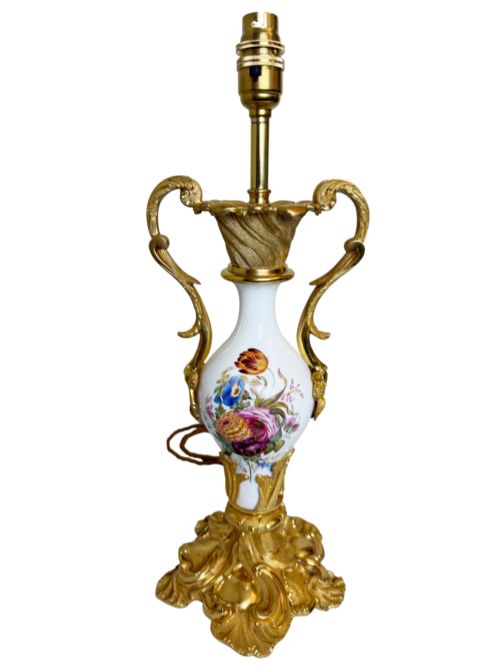
These painted porcelain bedside light examples combine hand-painted ceramics with brass or ormolu mounts to illuminate your room with historic charm.
Painted Porcelain Bedside Light
When you search for a painted porcelain bedside light, you encounter ceramic vessels converted into lamps spanning the nineteenth century up to the nineteen-twenties. These pieces range from Chinese export ginger jars and vases to European factory wares mounted for domestic illumination.
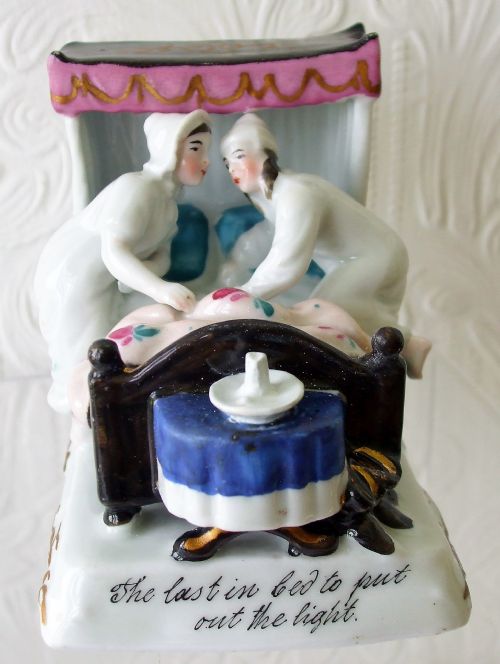
The most common formats on this page are table lamps formed from baluster vases, ginger jars, and figurative fairings. They frequently appear as matched pairs or individual decorative statements featuring hand-painted floral, foliate, or pictorial scenes.
Origins stretch across French establishments like Sèvres and Gien, German porcelain works, and Japanese Satsuma, Kutani, and Fukagawa production. Chinese export porcelain forms a significant portion of the selection, often paired with French ormolu or gilt bronze mounts.
Materials and construction methods
Makers utilised fired porcelain as the primary body, applying hand-painted enamel decoration in palettes including blue and white, Famille Rose, and Famille Verte. Cobalt blue grounds and polychrome motifs were glazed and fired before mounting.
Metalwork components such as ormolu, gilt bronze, and brass were cast and chased to form bases, collars, and mounts that secured the porcelain vessels. Fabric and silk elements complete the upper portions where shades are fitted.
Listings span the nineteenth century up to nineteen-twenty, incorporating porcelain, brass, silk, and ormolu materials across Chinoiserie, Rococo Revival, and Art Deco styles.
Markers of distinction in painted porcelain
Quality rests in the crispness of the hand-painted brushwork and the depth of the enamel colours fired onto the porcelain body. Finer examples display meticulous detail in figurative or floral scenes without blurring or surface pooling.
The integration of the metal mounts dictates the overall elegance of the piece. Heavy, finely chased ormolu or gilt bronze mounts that complement the contours of the ceramic demonstrate superior craftsmanship compared to simpler brass fittings.
The Painted Porcelain Bedside Light Glossary
- Ormolu
- Gilded bronze applied to the mounts and bases of porcelain vessels. This technique adds decorative weight and a rich metallic finish to nineteenth-century lighting.
- Famille Rose
- A palette of Chinese porcelain enamels dominated by opaque pink or rose colours. Introduced in the eighteenth century, this style continued to influence later porcelain production.
- Baluster
- A vase form with a rounded body that tapers toward the neck. This shape provides a stable and visually balanced base for lamp conversions.
- Fairing
- Small Victorian ceramic novelty ornaments depicting domestic scenes or humorous narratives. These figures often capture popular social themes of the nineteenth century.
Painted Porcelain Bedside Light: Frequently Asked Questions
How do I clean my painted porcelain lamp?
Dust the porcelain surface gently with a soft, dry cloth to prevent accumulation. Avoid harsh chemical cleaners that might damage the hand-painted enamels.
Polish the brass or ormolu mounts sparingly using a specialist metal cleaner applied with a cotton bud. Keep moisture away from any electrical components during the cleaning process.
Were these lamps originally made for electricity?
Almost all nineteenth-century and early twentieth-century porcelain lamps started life as vases, jars, or decorative ornaments. They were subsequently converted into lamps by drilling the base or fitting internal wiring.
Metal mounts were often adapted to hold electrical fittings securely without permanently harming the ceramic body. This conversion process allows historic porcelain to serve a functional purpose in modern interiors.
How do I identify French Sèvres style pieces?
French Sèvres style pieces typically feature rich cobalt blue grounds, known as bleu royale, combined with elaborate gilt ormolu mounts. The hand-painted panels often depict pastoral scenes or floral bouquets framed in raised gold.
These decorative elements mimic the luxury output of the historic royal French manufactory. They reflect the nineteenth-century revival taste for ornate continental decorative arts.
What is the difference between Satsuma and Kutani ware?
Satsuma ware is characterised by a warm, ivory-coloured crackle glaze decorated with detailed polychrome enamels and raised gold. It originates from Satsuma province in Japan and focuses on intricate pictorial scenes.
Kutani ware often employs a bolder palette dominated by greens, blues, and purples, sometimes featuring red and gold designs. Both Japanese styles were widely exported to Europe during the nineteenth century.