
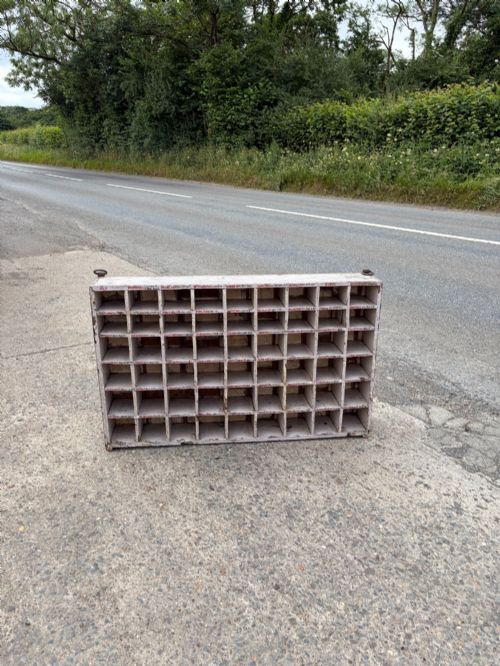
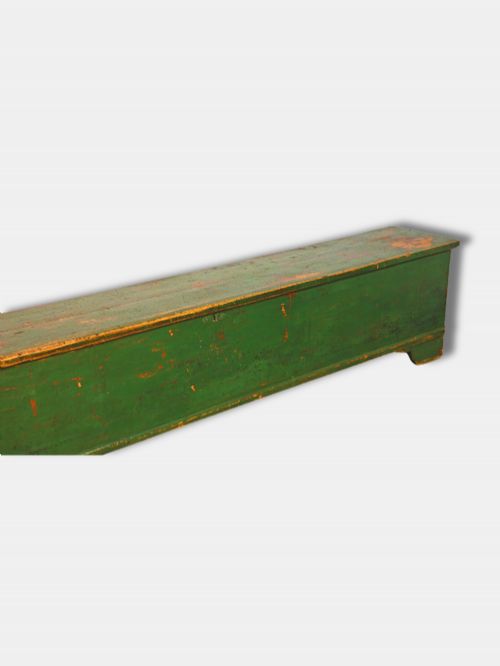
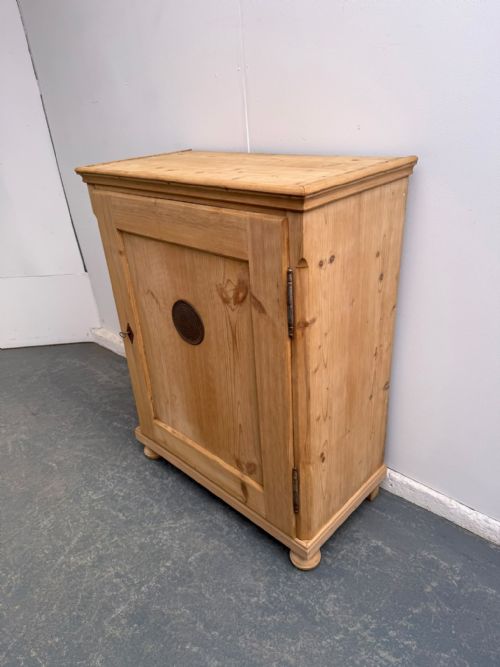
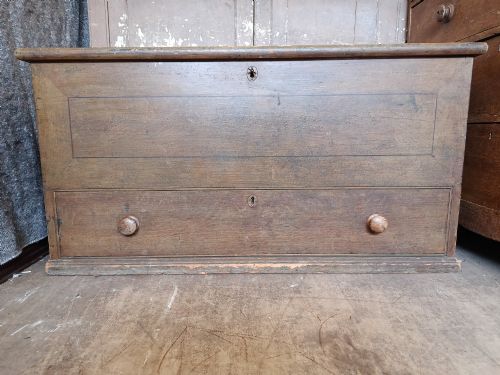



Painted Pine Storage Box
A painted pine storage box brings functional folk charm and rich colour to any room, offering robust storage with genuine historic character.
What They Are
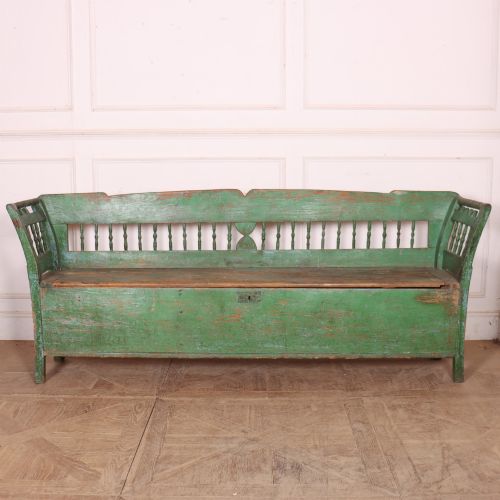
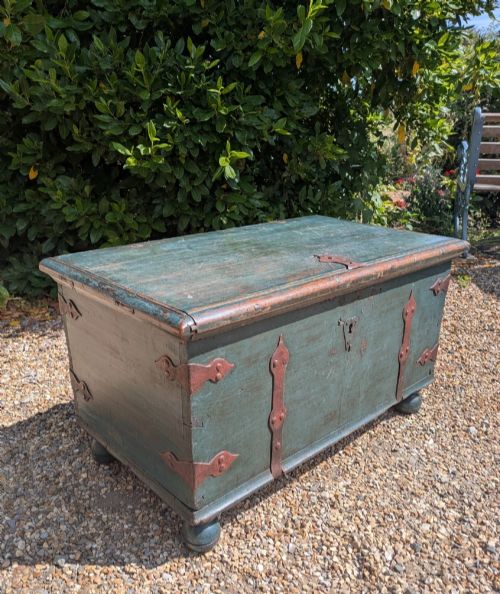
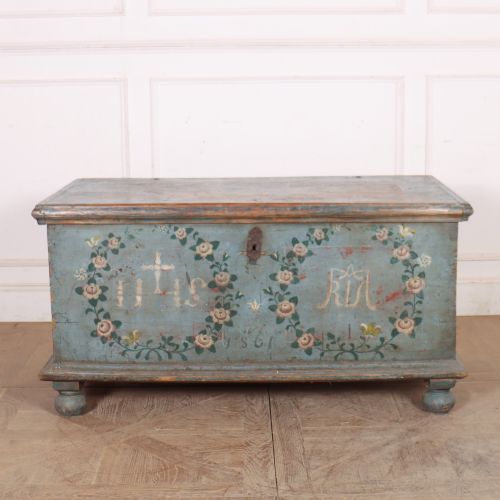
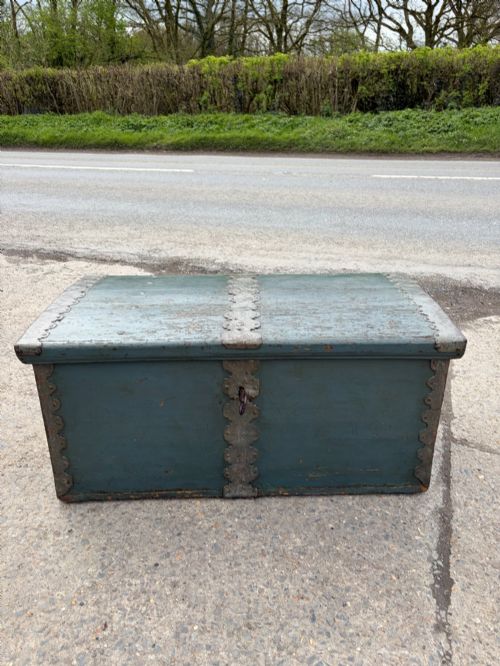
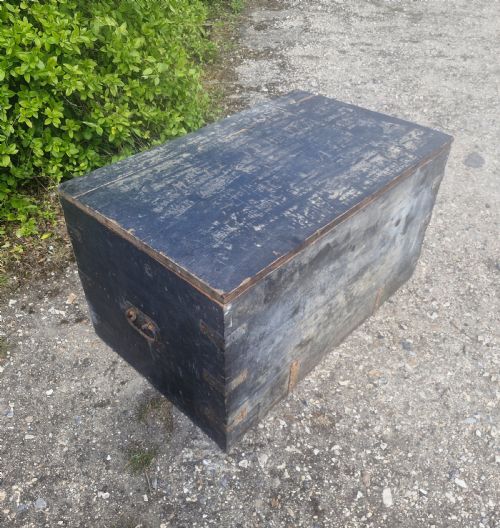
A painted pine storage box provides sturdy containment while displaying regional decorative traditions from across Europe and Britain. These pieces range from small dome top boxes to larger mule chests with fitted internal spaces.
The inventory on this page spans the Georgian period through the nineteenth century, including specific items dated around eighteen ninety. Buyers encounter styles such as Scandinavian country, Hungarian folk art, and rustic Victorian pieces.
Forms include traditional coffers and trunks alongside smaller domestic boxes. Each piece serves as both a practical household container and a display of historic surface decoration.
How They Were Made
Joiners constructed these pieces using solid pine timber, selected for its availability and workability in regional workshops. Surfaces received applications of pigment and paint to protect the wood and create decorative schemes.
Hardware components such as iron and brass provided functional reinforcement for hinges, locks, and carrying handles. Hand application methods left visible brushwork and tooling marks across the timber and painted surfaces.
Retail Price Guide 2026
Typical UK retail prices for painted pine storage box, calculated from the Sellingantiques database of over a million retail prices indexed since 2003. This retail price guide relies exclusively on Sellingantiques data; no external sources or auction records are used, so the figures do not describe the wider market.
Current listings feature nineteenth-century pine, iron, and brass across Scandinavian, Hungarian, and Victorian styles.
What Varies in Quality
Quality rests upon the originality of the painted surface and the integrity of the pine construction. Pieces retaining their initial pigment without extensive modern overpainting command greater interest from collectors.
The sophistication of the folk art ornamentation distinguishes simpler utilitarian trunks from masterwork Scandinavian and Hungarian chests. Structural survival of original iron and brass hardware also influences the standing of each piece.
The Painted Pine Storage Box Glossary
- Mule chest
- A storage chest featuring one or more drawers beneath the main internal compartment. This form bridges the traditional coffer and the modern chest of drawers.
- Dome top
- A curved lid construction designed to shed water and provide extra internal headroom. This profile is frequently seen on smaller travelling and storage trunks.
- Folk art
- Decorative work produced within a traditional community culture rather than academic artistic circles. These pieces reflect local aesthetic preferences and inherited motifs.
- Pigment
- The raw colouring material mixed into a binder to create the paint layers found on these boxes. Natural earth and mineral sources provided the hues for nineteenth-century surfaces.
Frequently Asked Questions
How were these boxes used originally?
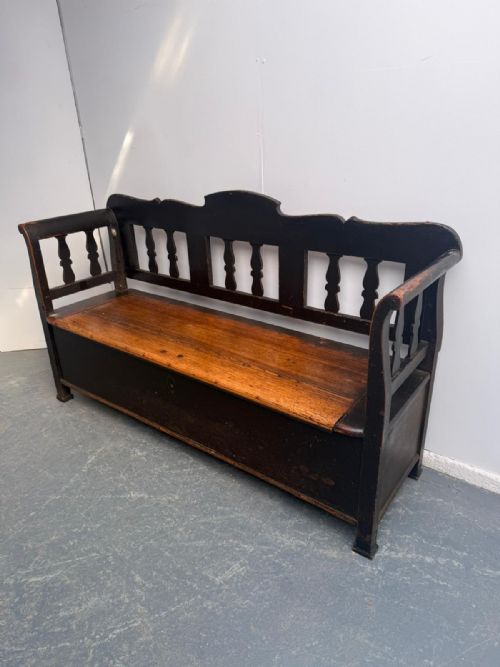
Households utilised them to store textiles, blankets, clothing, and valuable personal possessions safely away from damp and dust. Their robust construction often allowed them to double as seating benches.
Travellers and merchants also used smaller lidded trunks to transport belongings securely on coaches and early rail services.
How do I date a painted box?
Dating relies on examining construction methods, timber characteristics, and the chemical composition of the paint layers. Hand-cut iron nails, dovetail joints, and historic wear patterns offer key chronological clues.
Stylistic motifs also point to specific eras, such as the distinctive floral patterns found on Hungarian folk art pieces from the nineteenth century.
How do I live with one?
Position your box in a living room as a coffee table or at the foot of a bed for extra linen storage. Keep them away from direct heat sources and strong sunlight to protect the historic paint.
Allow the natural surface patination to breathe by avoiding harsh modern chemical polishes and abrasive cleaning methods.