



Painted Pine Dresser Glazed
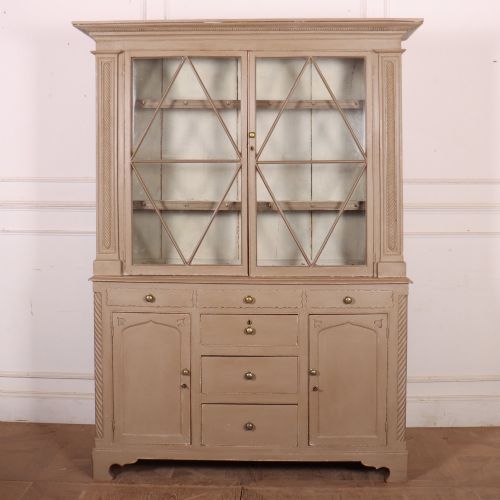
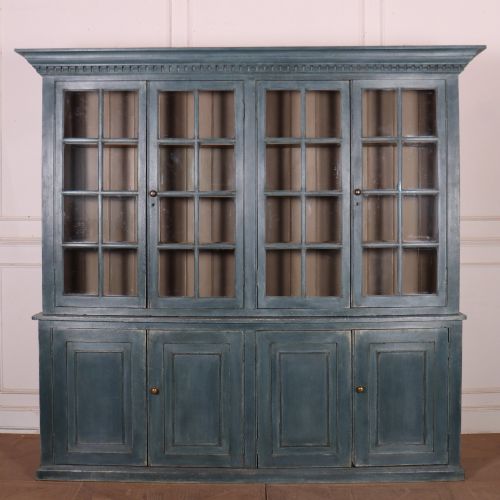
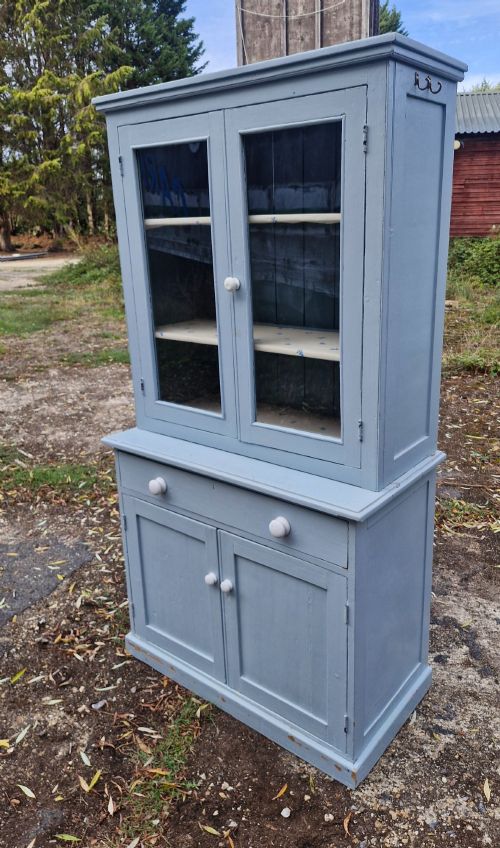
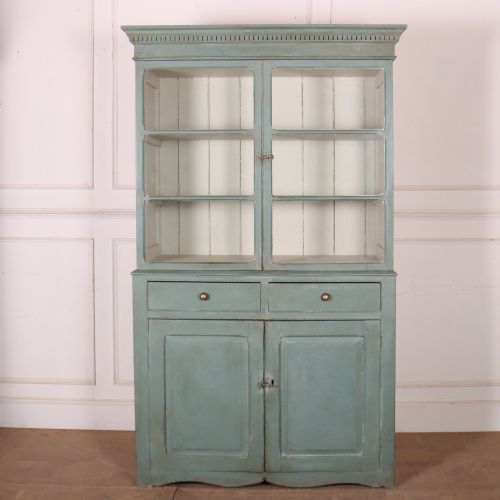
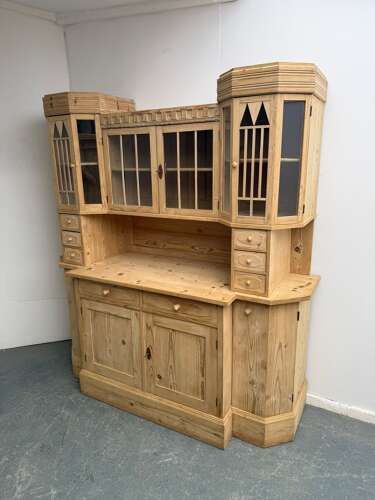
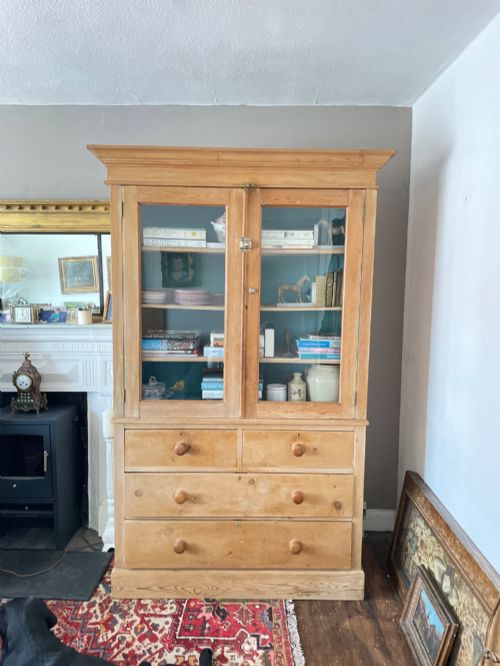
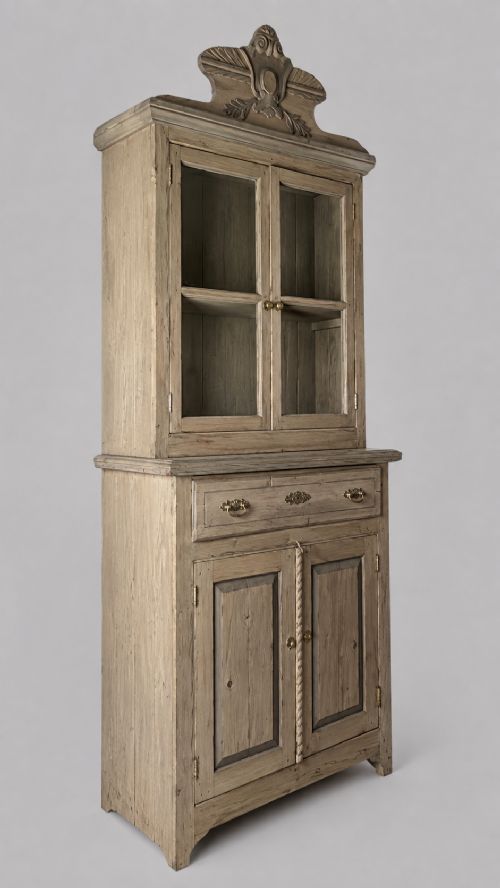
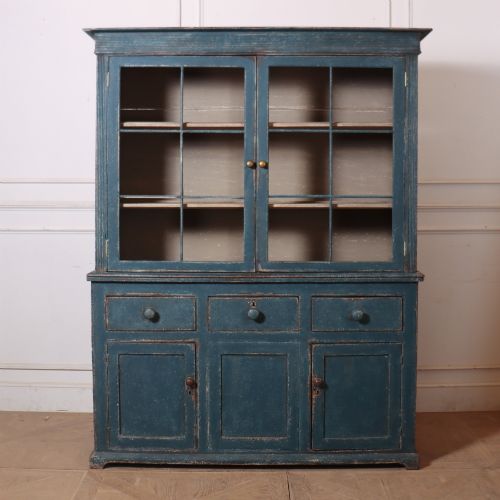
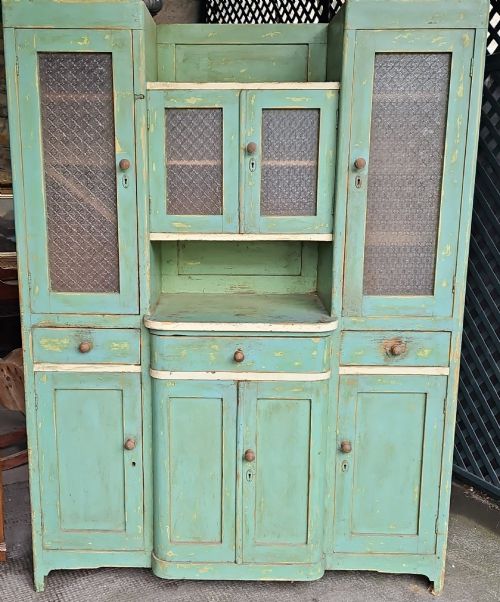
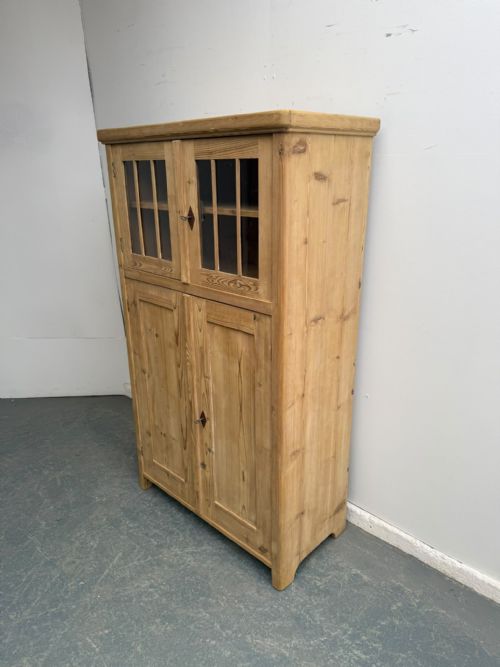
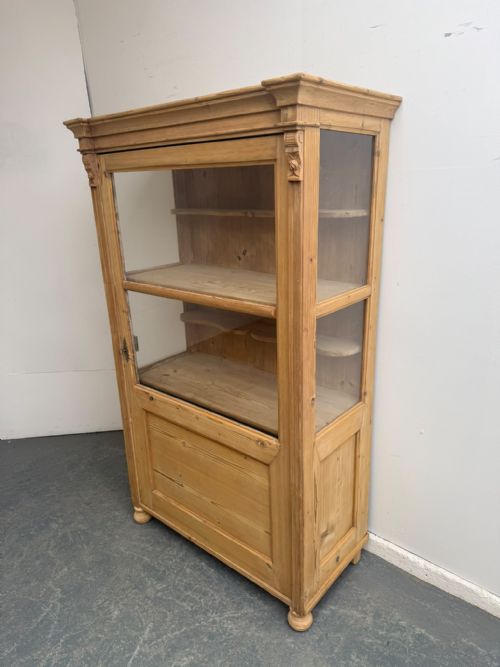
A painted pine dresser glazed offers practical kitchen storage combined with a display space for china, bringing country character to a room.
Painted Pine Dresser Glazed
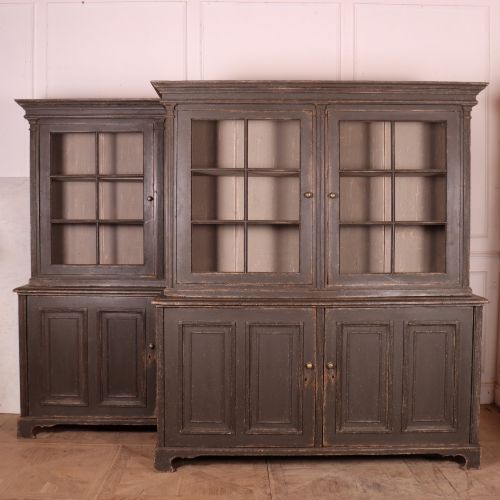
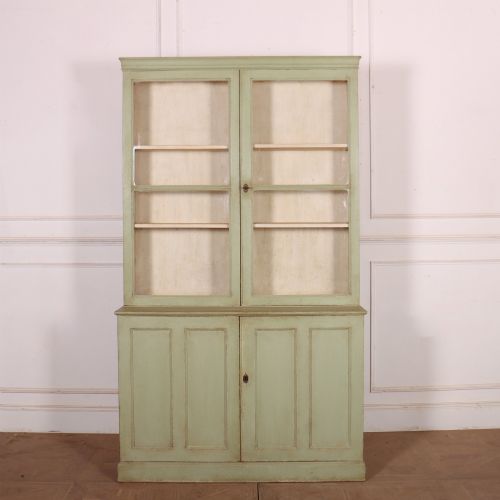
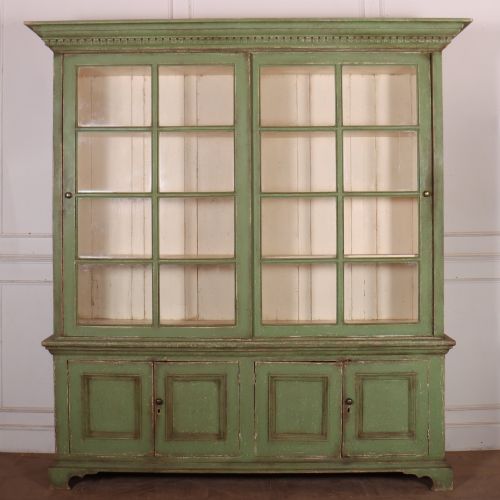
A painted pine dresser glazed combines a lower storage section of cupboards or drawers with an upper glazed cabinet, serving as a functional piece for domestic spaces. These items appear in regional British, Irish, and continental styles, including West Country, Scottish, and French provincial designs.
The pieces on this page span the eighteenth, nineteenth, and early twentieth centuries, encompassing Victorian, Edwardian, and Arts and Crafts periods. Most examples divide into two sections for ease of movement, housing shelves behind glass doors in the upper portion.
Materials and construction
Construction relies primarily on pine timber, frequently finished with paint, scumble, or wax surfaces. Glass panes set into wooden frames form the upper cabinet doors, while metal or brass hardware secures doors and drawers.
Joinery methods reflect traditional cabinet-making practices suited to domestic furniture of the period. Surfaces often show layers of historic paint finishes, sometimes revealing cream, teal, or other regional colour choices beneath subsequent coats.
Painted Pine Dresser Glazed Retail Price Guide 2026
Typical asking prices for painted pine dresser glazed among the pieces listed under this phrase on Sellingantiques today, from the lower quarter to the upper quarter. They describe what is for sale here now, not the wider market.
Several cupboards arrived with hidden layers of teal and cream paint waiting patiently beneath decades of honest kitchen wear.
Aspects of quality
Quality rests on the integrity of the timber framing, the proportion of the two sections, and the survival of original glass and hardware. Pieces exhibiting untouched regional paint surfaces hold distinct interest compared to those stripped or repeatedly painted.
Proportion and scale dictate the visual presence of each cabinet, with larger breakfront or four-door examples offering substantial architectural weight. The balance between the solid lower base and the glazed upper section determines the overall harmony of the design.
The Painted Pine Dresser Glazed Glossary
- Glazed cupboard
- A storage piece featuring glass-fronted doors designed for displaying ceramics or books while protecting them from dust.
- Scumble pine
- Pine wood treated with a translucent glaze layer manipulated with tools to create decorative grain effects over a painted ground.
- Breakfront
- A cabinet design where the central section projects forward from the flanking outer sections, adding depth to the facade.
- Two-piece dresser
- A tall storage unit constructed in a separate upper and lower carcase to facilitate transport and placement in domestic rooms.
Painted Pine Dresser Glazed: Frequently Asked Questions
How do I clean a painted pine surface?
Dust surfaces regularly with a soft, dry cloth to prevent dirt accumulation on the painted finish. Avoid harsh chemical cleaners that can soften or strip historic paint layers.
For stubborn marks, use a slightly damp cloth with mild soap, drying the wood immediately afterwards. Preserving the existing patina maintains the character of the piece.
Can I separate the two parts for transport?
Most large examples divide into an upper glazed cabinet and a lower base unit for easier moving. This two-part construction was standard practice to allow transport through narrow doorways.
When reassembling, ensure the structure sits level on the floor so the glazed doors align correctly. Fasten the sections securely if brackets were originally provided.
Where should I place a glazed dresser?
Position the piece away from direct sunlight and radiators to protect the pine timber and glass framing from warping. Dining rooms and kitchens provide traditional settings for displaying tableware and provisions.
Ensure adequate floor space allows the lower cupboard doors and drawers to open fully without obstruction. Wall anchoring is recommended for taller cabinets to ensure stability.
How do I date a nineteenth-century pine piece?
Examine the construction methods, drawer dovetails, and backboards to help determine the period of manufacture. Hand-sawn timber marks and original hardware provide indicators of nineteenth-century origin.
Paint analysis also helps, as certain colours and scumble techniques correspond to Victorian or Edwardian preferences. Comparing regional traits narrows down the likely geographic workshop.