
Painted Pine Dresser Cabinet
A painted pine dresser cabinet brings utilitarian timber and time-softened colour straight into a modern interior.
Painted Pine Dresser Cabinet
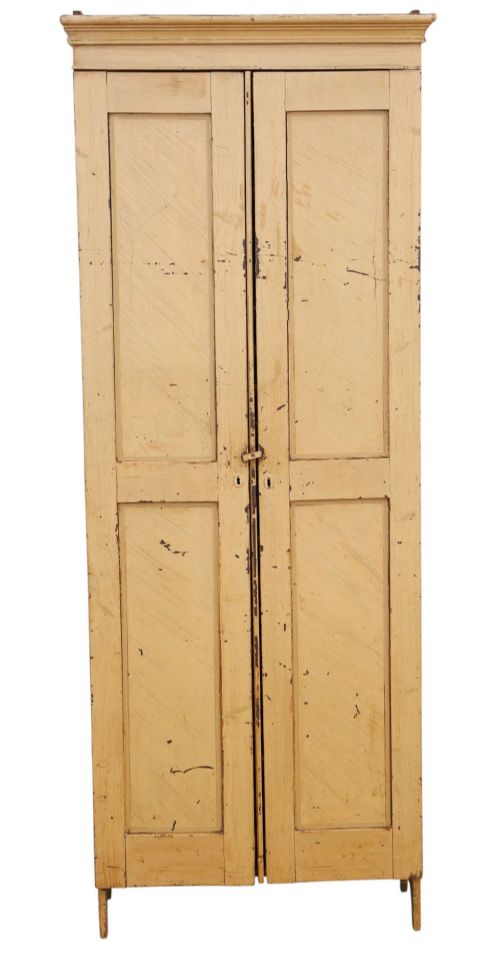
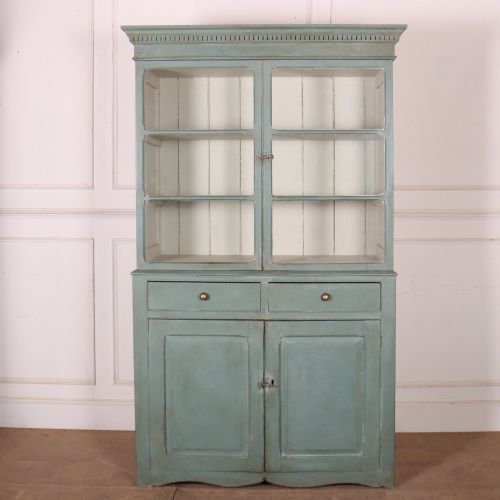
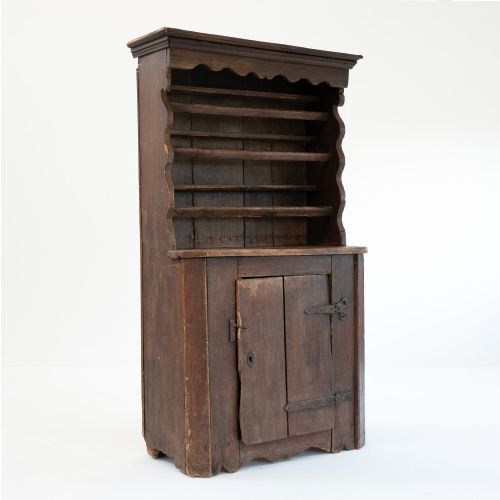
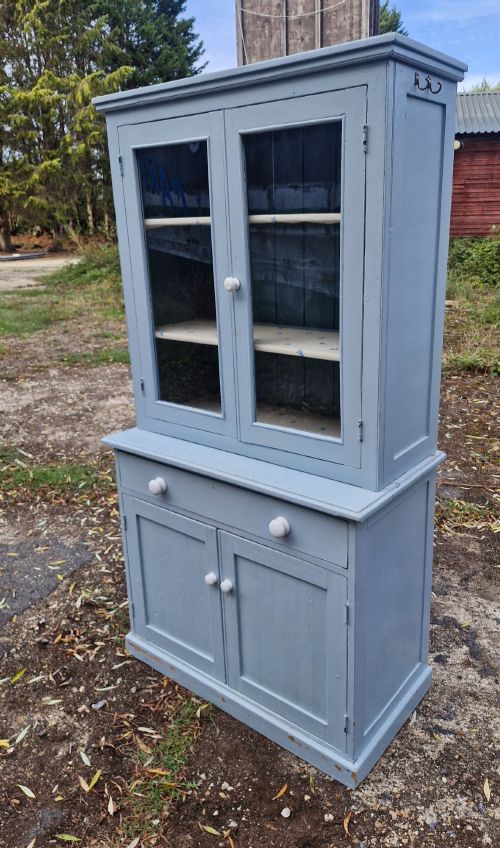
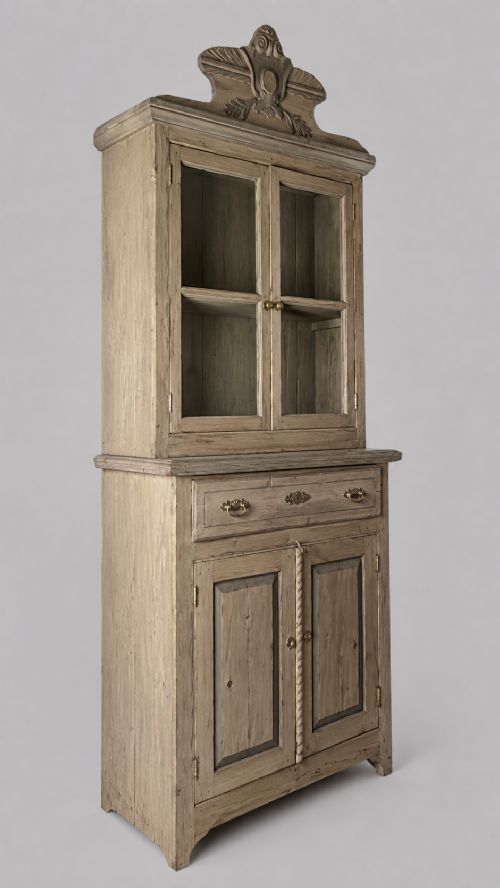
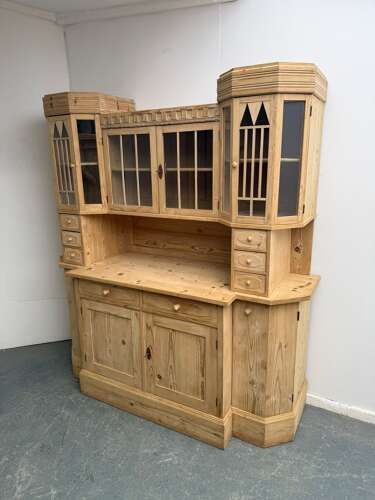
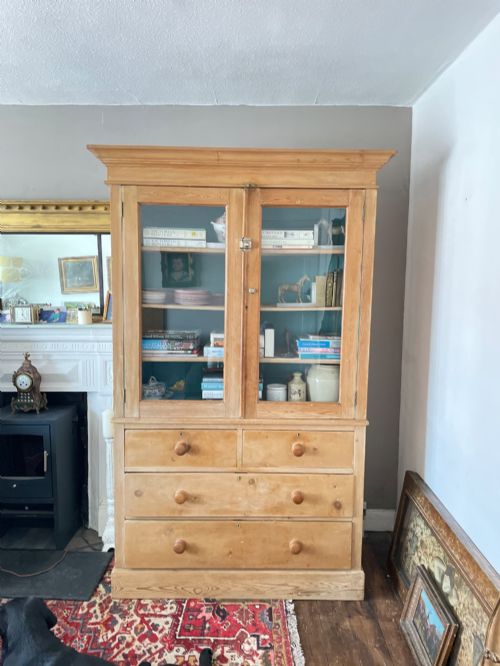
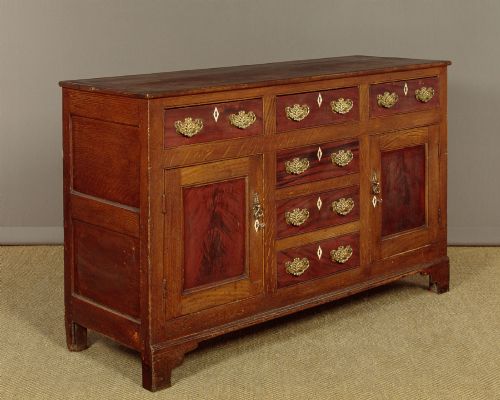
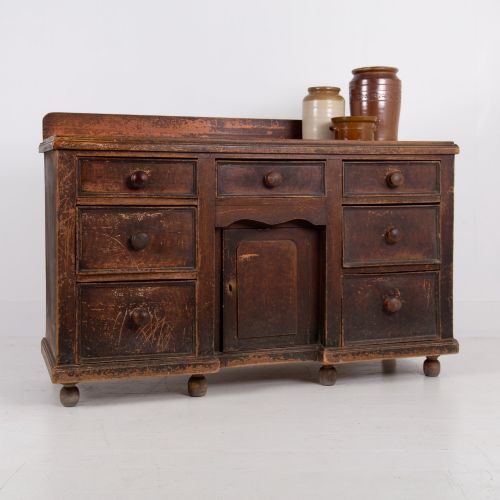
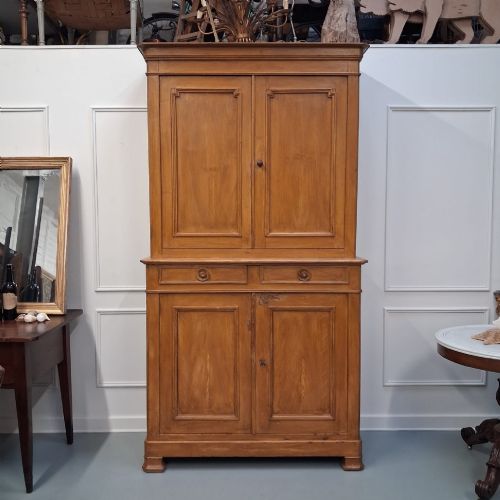
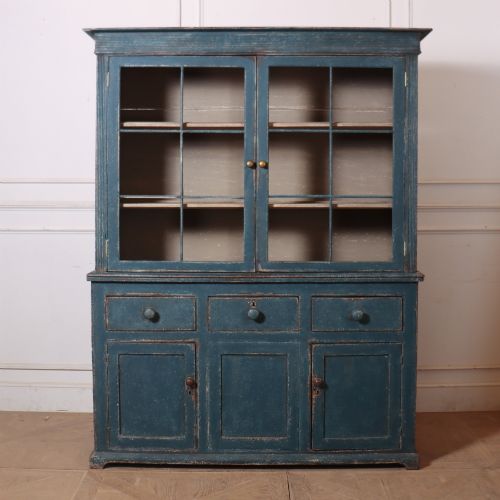
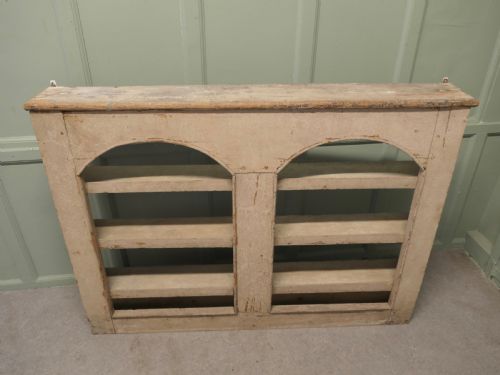
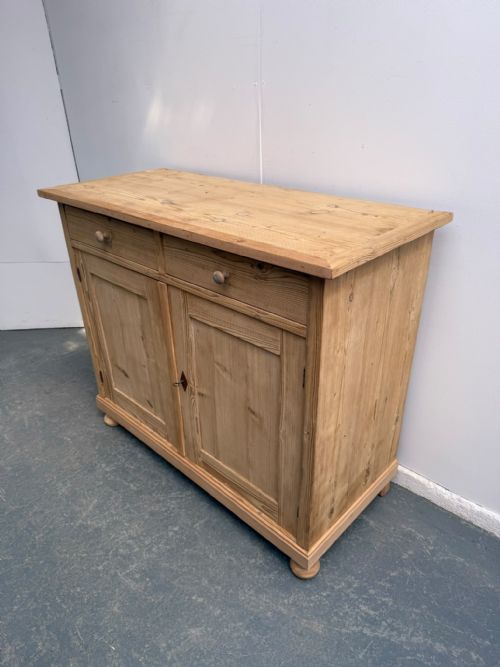
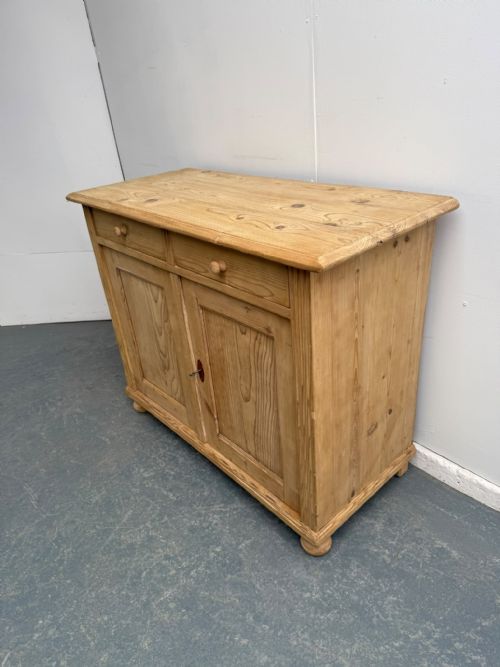
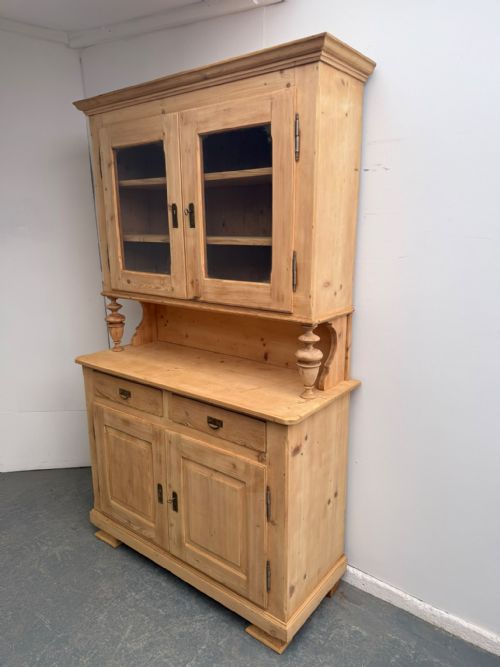
A painted pine dresser cabinet is a domestic storage piece built from softwood and finished with layers of paint, uniting utility with decorative folk character. When you search for a painted pine dresser cabinet, you encounter forms ranging from tall housekeeper's cupboards and glazed display units to low kitchen bases with drawers and doors.
The regional origins of these pieces span English, Scottish, and West Country workshops alongside French, Swedish, Danish, and Hungarian examples. They appear across the Georgian, Victorian, and Edwardian periods, reflecting the practical domestic needs of nineteenth-century farmhouses and country homes.
Materials and construction methods
Makers constructed these cabinets primarily from solid pine, selected for its availability and workability, often joining sections with traditional timber techniques. Hardware such as iron hinges, brass pulls, and ceramic fittings completed the doors and drawers of kitchen dressers and storage cupboards.
Surfaces received finishes of lead or milk-based paints, sometimes preserved across generations in original layers of cream, teal, or neutral tones. Certain tall bookcases and two-part cupboards combined timber frameworks with glazed upper doors to display household ceramics and provisions.
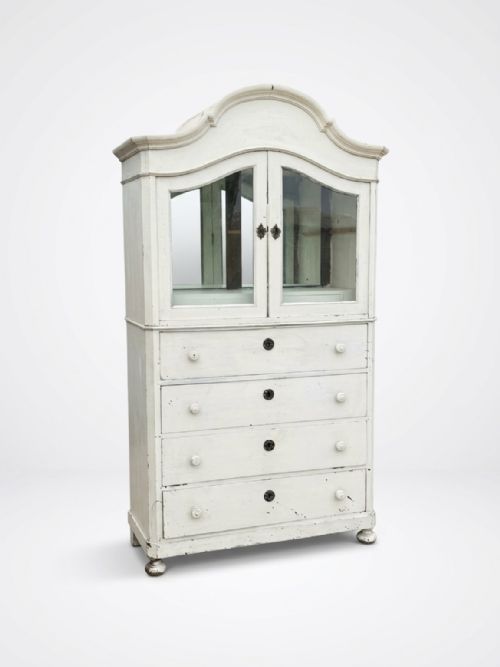
Bonnet-top cabinets gained their cheerful name because their arched hoods resemble eighteenth-century ladies' headwear.
Distinctions in construction and finish
The integrity of the original paint surface distinguishes everyday utilitarian pieces from those retaining untouched historical colouration and patination. Proportion and scale also matter, as narrow bonnet-top cabinets or large two-piece dresser bases demonstrate superior carpentry and balanced design.
Original hardware, intact glass panes, and sound structural joinery indicate better survival through active domestic use. Pieces featuring fitted interior shelving or original boarded backs offer greater authenticity than heavily altered or stripped examples.
The Painted Pine Dresser Cabinet Glossary
- Pine
- A softwood commonly utilised in British and continental furniture making due to its abundance and ease of carving. It accepts paint finishes readily and forms the primary structural timber of country cabinets.
- Dresser base
- The lower section of a kitchen dresser, typically featuring a combination of drawers and panelled doors beneath a wide wooden top. These pieces functioned as functional work surfaces and storage units in domestic kitchens.
- Housekeeper's cupboard
- A large, tall storage cabinet traditionally used for storing linens, dry goods, and tableware in large country houses. They often feature multiple doors enclosing adjustable shelving or banks of internal drawers.
- Glazed cabinet
- A storage unit incorporating glass panels within the upper doors to display china, books, or provisions while protecting them from dust. These often form the upper tier of a two-part kitchen display piece.
- Original paint
- A surface finish applied during the period of manufacture that has survived without subsequent stripping or modern repainting. Collectors prize these surviving layers for their authentic texture and historic colouration.
Painted Pine Dresser Cabinet: Frequently Asked Questions
How are two-part dressers separated?
Two-part dressers consist of an upper glazed cabinet or plate rack that sits unattached or pegged directly onto a lower dresser base. This modular construction allowed easier transport and installation in domestic kitchens.
Lifting the upper section straight up separates the two components safely without damaging the underlying timber joints or painted surfaces.
What is original paint?
Original paint refers to the initial decorative or protective coating applied to the pine timber when the cabinet was first built. These early layers often exhibit craquelure, fading, and subtle variations in tone.
Traces of historical pigments provide evidence of the piece's age and geographical origin, distinguishing untouched surfaces from modern decorative applications.
Where were these cabinets used?
These cabinets served primarily in farmhouses, country cottages, and domestic sculleries for storing provisions, utensils, and tableware. Tall cupboards stood in hallways or linen rooms for household storage.
In modern interiors, they function effectively in kitchens, dining rooms, and living spaces as practical storage furniture.
How do I care for painted pine?
Painted pine surfaces require protection from direct sunlight and excessive moisture to prevent timber shrinkage and flaking paint. Dusting with a dry, soft cloth maintains the finish without introducing harsh chemicals.
Applying occasional specialist wax where the paint has worn helps preserve the exposed pine grain underneath.