
Rustic Painted Storage Chest
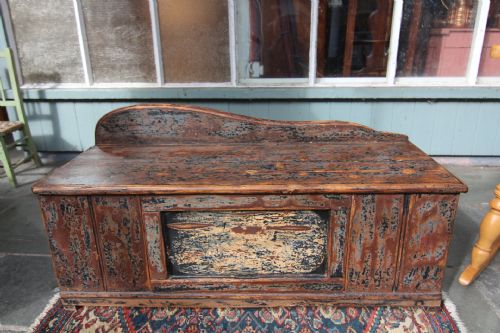
A rustic painted storage chest brings vernacular character and useful timber storage into a room through surviving historic finishes.
Rustic Painted Storage Chest
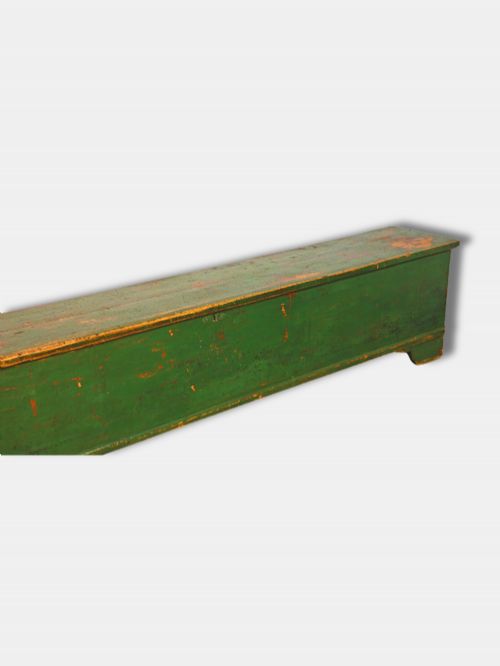
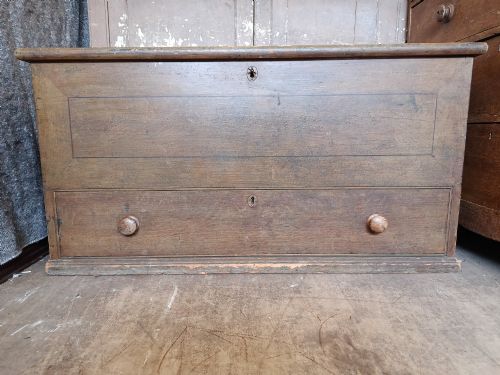
A rustic painted storage chest is a utilitarian domestic container built to hold linens, garments, or household goods while carrying a decorative surface finish. These pieces serve as practical furniture that doubles as a focal point in a hallway or bedroom.
Makers fashioned these utilitarian items using accessible local timbers, finished them with hand-applied paint, scumble glazes, or folk art motifs, and equipped them with robust iron or brass hardware for daily service.
How they were made
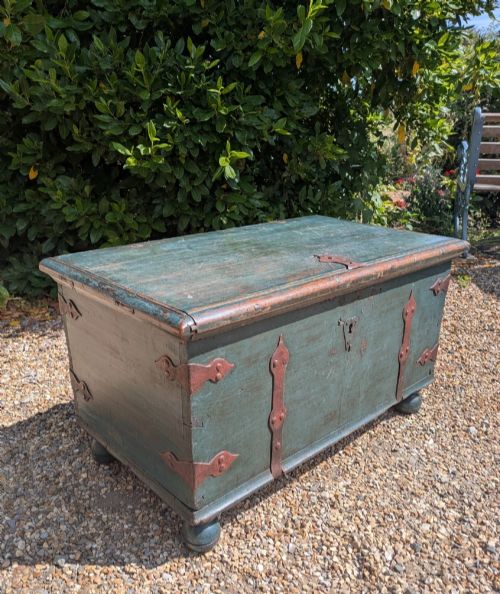
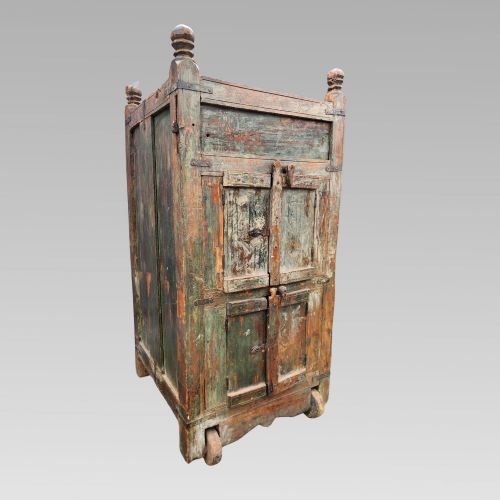
Joiners constructed these objects predominantly from solid pine, utilising board-and-tenon or dovetail joints to build durable carcasses capable of enduring heavy domestic use. Artisans reinforced lids, corners, and hinges with hand-forged iron strapwork or brass fittings to ensure structural longevity.
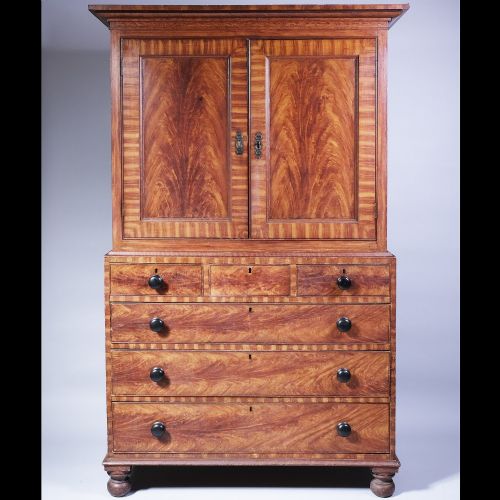
Surfaces received layers of traditional paint, often applied as original polychrome decoration, scumble glazes mimicking finer woods, or solid coats of black, green, blue, and grey. This paint layer sealed the softwood timber while expressing regional folk art traditions and personal aesthetic choices.
The listings span the nineteenth century, including Victorian, Georgian, and Regency eras, constructed primarily from pine and painted wood.
What varies in quality
The distinction between ordinary and exceptional examples rests upon the survival of the original surface finish and the integrity of the timber construction. Pieces retaining untouched, early paintwork carry significantly more historical value than those stripped or subjected to modern repainting.
Proportion, decorative ambition, and hardware execution further separate standard utility boxes from superior folk art specimens. Items featuring deliberate hand-forged iron straps, untouched stencilling, or regional folk motifs demonstrate a higher standard of period craftsmanship.
The Rustic Painted Storage Chest Glossary
- Scumble
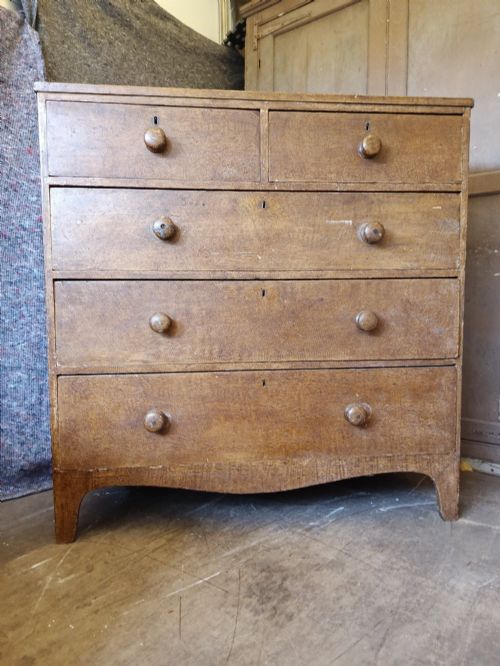
- A decorative painting technique involving the manipulation of translucent glaze over a lighter base colour to simulate wood grain or create textured depth. Cabinetmakers used this method on utilitarian pine to imitate costly hardwoods.
- Mule chest
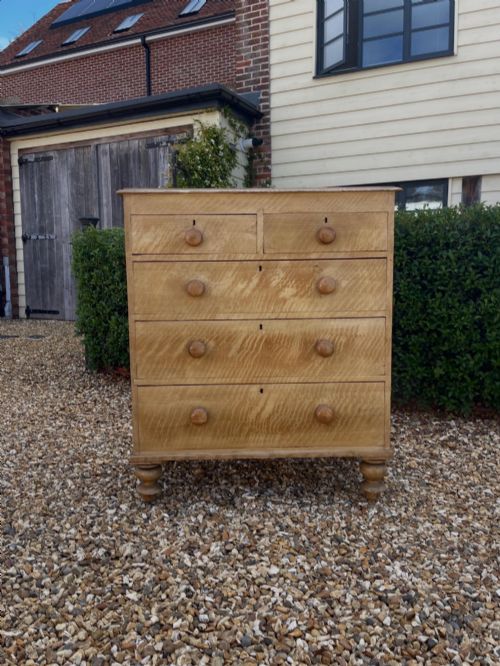
- A traditional storage chest featuring one or more drawers built beneath the main hinged compartment. This hybrid form bridged the evolution from simple blanket boxes to modern drawer chests.
- Strapwork
- Ornamental bands of metal, typically iron or brass, fixed across the exterior of a chest to reinforce structural joints. Smiths forged these elements by hand to secure vulnerable corners and lids.
- Folk art
- Artistic work produced within a traditional community culture, reflecting regional styles rather than academic training. These painted motifs provide insight into nineteenth-century domestic ornamentation.
Rustic Painted Storage Chest: Frequently Asked Questions
What were rustic painted storage chests used for?
Households utilised these lidded boxes and drawer units to store heavy woollen blankets, household linens, and personal apparel in domestic quarters.
Their robust timber construction also allowed them to function as makeshift benches or secure transport trunks during travel.
How do I identify original paint?
Original paint surfaces display natural craquelure, consistent wear patterns, and tonal variations accumulated through generations of exposure.
Inspect corners and recessed mouldings under natural light to verify that the finish matches the age of the underlying softwood carcass.
Where should I place a painted chest?
These pieces suit living rooms, hallways, and bedrooms where they provide enclosed storage alongside surface display space for lamps or ceramics.
Keep them away from direct heat sources and strong sunlight to protect the historic paint layers from drying and fading.
How do I date a nineteenth-century chest?
Dating relies on examining construction methods, such as hand-cut dovetails, forged iron hardware, and regional stylistic markers.
Comparing the typology of the hinges and internal framing against documented nineteenth-century cabinetmaking helps establish the manufacturing era.