

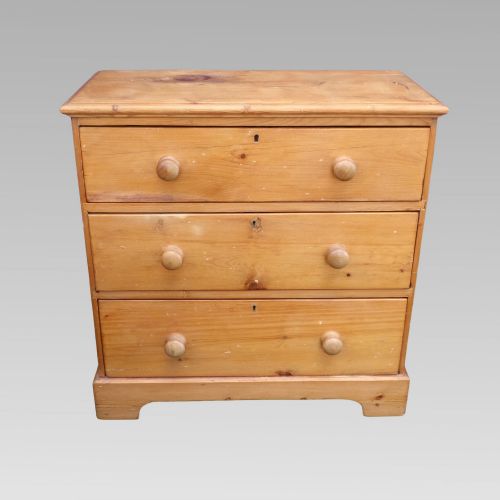


Victorian Turned Knob Chest
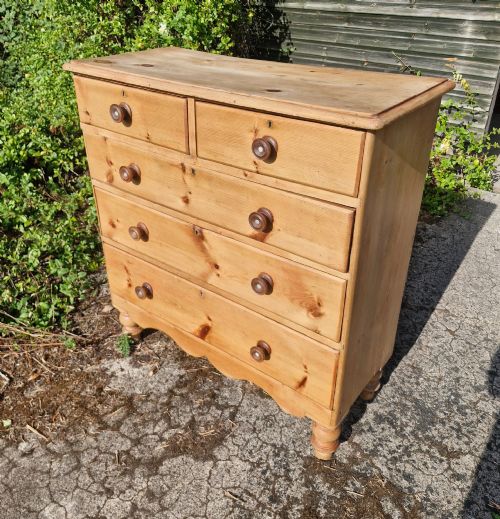
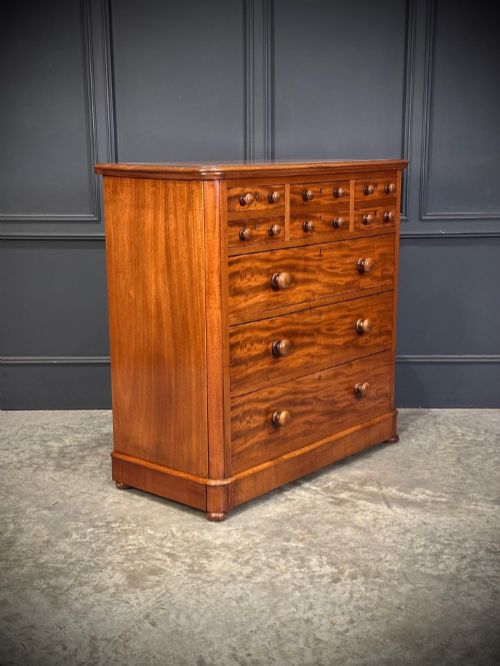
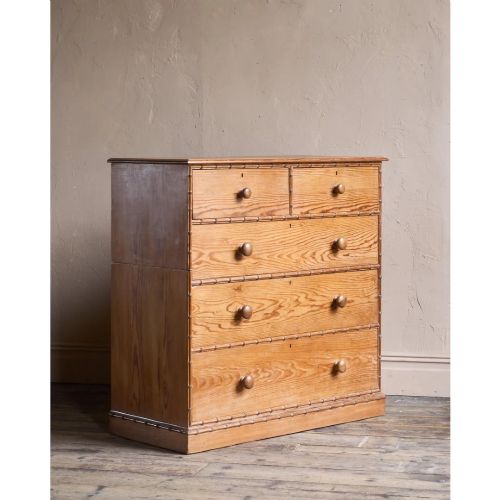
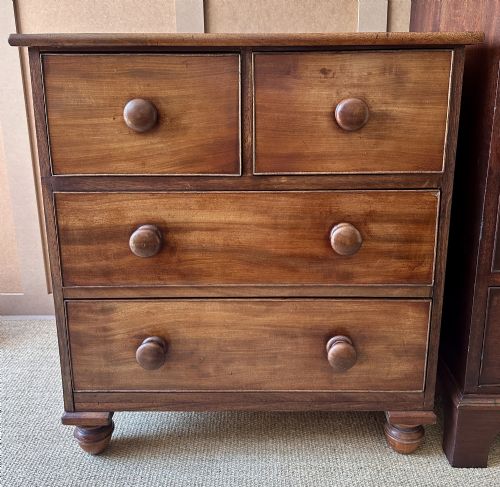
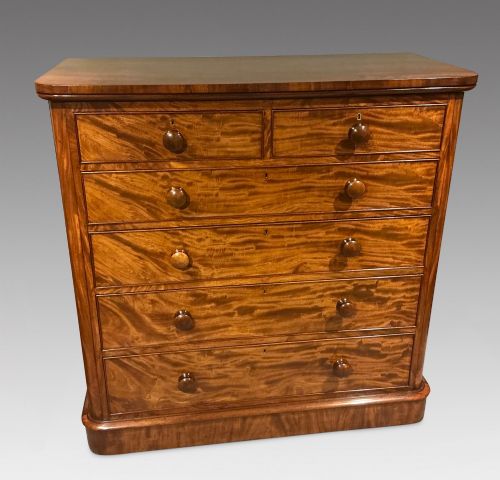
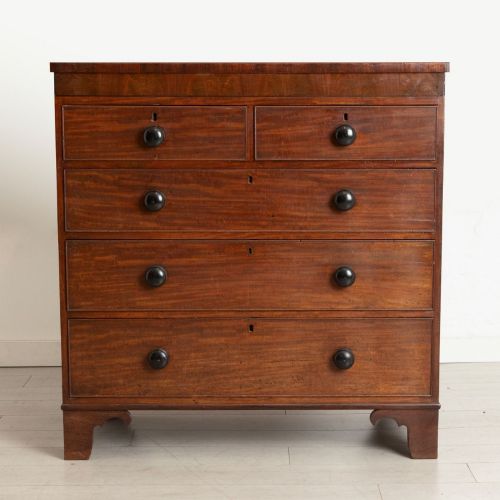
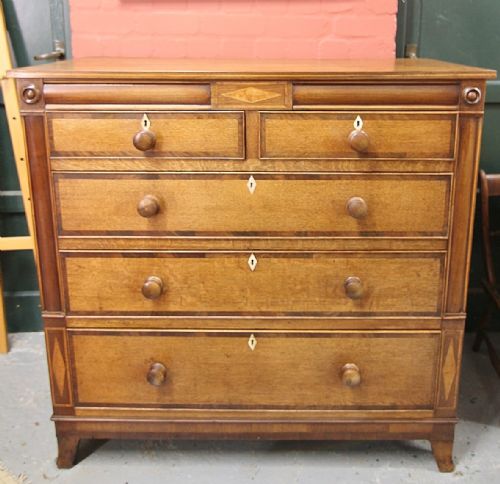
A victorian turned knob chest offers robust nineteenth-century storage, defined by sturdy timber construction and distinct round wooden pulls.
Victorian Turned Knob Chest
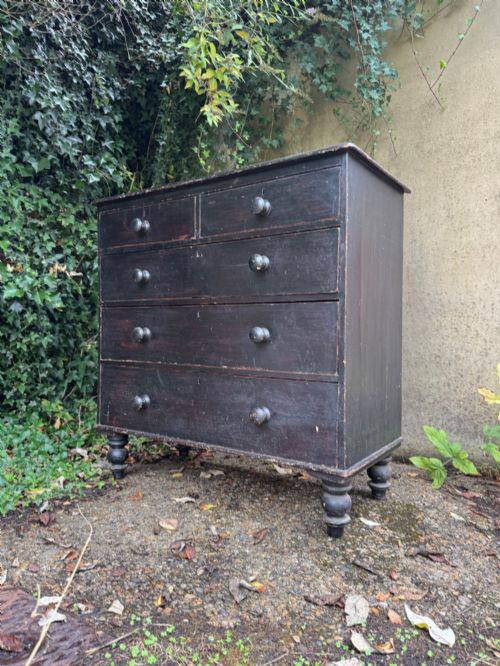
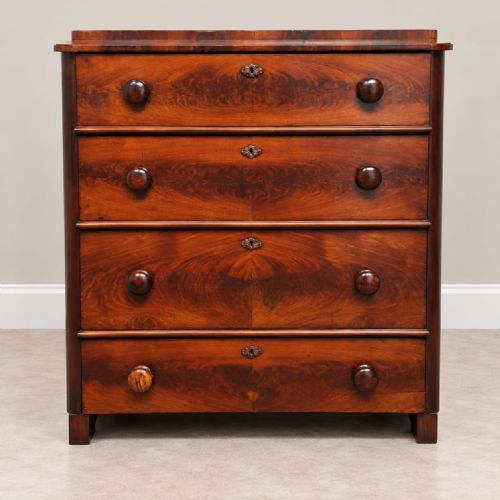
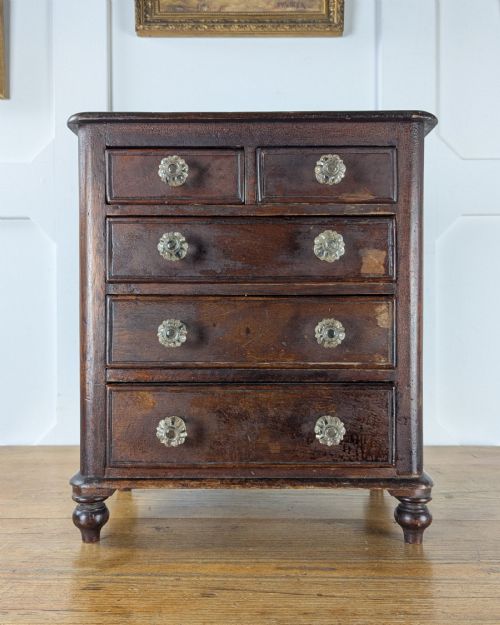
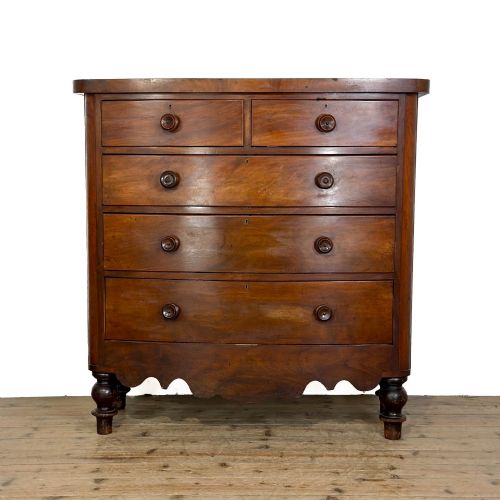
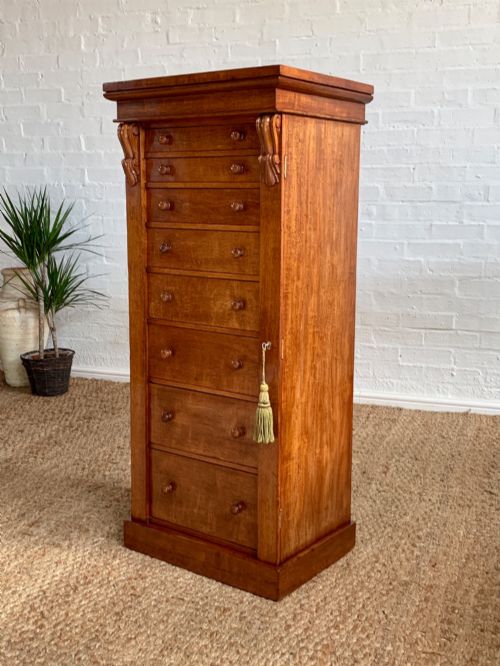
A victorian turned knob chest provides practical storage through stacked drawers housed in mahogany, pine, or figured timbers. Buyers encounter pieces ranging from compact miniature models and bow fronts to tall Wellington chests and large multi-drawer bedroom units.
The aesthetic bridges formal nineteenth-century cabinetmaking and simpler regional utility. Examples span standard upright formats, Scottish multi-drawer configurations, and stripped or painted country finishes.
How they were made
Cabinetmakers constructed these chests predominantly from solid pine and dense mahogany, occasionally incorporating figured veneers for visual depth. Details include turned wooden knobs, turned feet, and functional hardware such as brass keyhole escutcheons, iron fittings, bone inserts, and glass elements.
Joinery techniques relied on traditional timber framing to support heavy drawer loads over decades of daily domestic use. Surfaces were finished with wax polish, traditional paint layers, or left as dry-scraped pine.
Listings feature pine and mahogany across Victorian, Arts & Crafts, and 19th Century periods.
What varies in quality
The refinement of the timber and the retention of original components dictate the standing of an individual chest. Pieces featuring matching figured mahogany veneers or carefully chosen pine boards sit higher in the scale than basic utility variants.
Survival of original turned knobs, matching turned feet, and functional internal locking mechanisms with keys separate standard functional furniture from superior surviving examples.
Howard and Sons
The Victorian Turned Knob Chest Glossary
- Wellington chest
- A tall, slender chest of drawers featuring a hinged locking stile on one side that secures all drawers simultaneously. This form typically includes a bank of shallow drawers beneath a top moulding.
- Bow front
- A convex curved cabinet front that projects outward in a smooth arc. Cabinetmakers utilised this curved profile on mahogany chests to create a more dynamic silhouette.
- Escutcheon
- A protective plate surrounding a keyhole, frequently made from brass or inset with ivory. These plates prevent the timber around the lock from sustaining damage during daily use.
- Apprentice chest
- A small-scale model of a standard chest of drawers produced by a young craftsman to demonstrate skill. These miniature pieces mirror the proportions and joinery of full-sized furniture.
- Dry scraped
- A conservation method where modern paint layers are carefully removed to expose the original historic surface finish underneath. This process reveals the early colour and grain of the underlying pine.
Victorian Turned Knob Chest: Frequently Asked Questions
How were these chests used?
These chests served primarily for storing garments, household linens, and personal valuables within nineteenth-century homes. Larger formats accommodated heavy winter clothing, while smaller variations held undergarments or accessories.
Specialised forms like Wellington chests offered secure storage for documents, and miniature versions functioned as decorative display pieces or salesman samples.
How do I care for a waxed pine chest?
Maintain waxed pine surfaces by applying a traditional beeswax polish sparingly and buffing with a soft cloth to preserve the sheen. Avoid placing timber furniture near direct heat sources or in damp environments to prevent wood movement.
Keep the drawers clean and lightly waxed along their runners to ensure smooth operation without damaging the historic internal timber.
How can I tell early Victorian from later pieces?
Early Victorian pieces from the mid-nineteenth century frequently incorporate dense mahogany, bow fronts, and intricate details like brass escutcheons or ivory insets. Pine variations often display heavier proportions and simpler construction methods.
Later nineteenth-century and early twentieth-century examples shift towards lighter painted finishes, Arts and Crafts influences, or simpler waxed pine surfaces without formal decorative veneers.