
Painted Pine Display Cabinet
A painted pine display cabinet brings useful vertical storage and soft colour to a room, drawing on country workshops and domestic traditions.
Painted Pine Display Cabinet
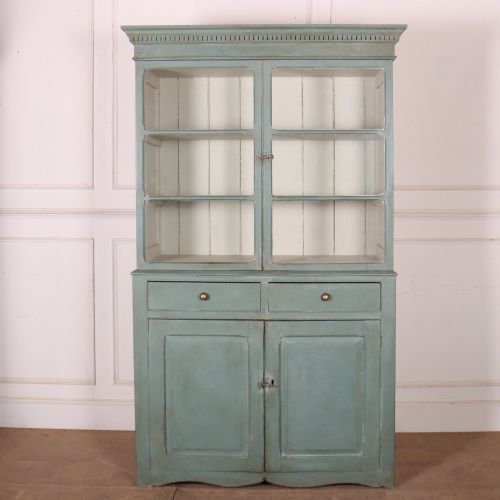
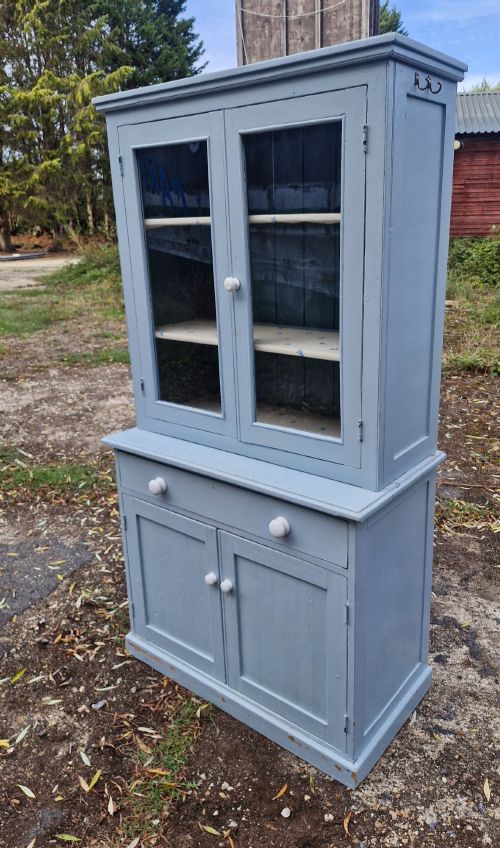
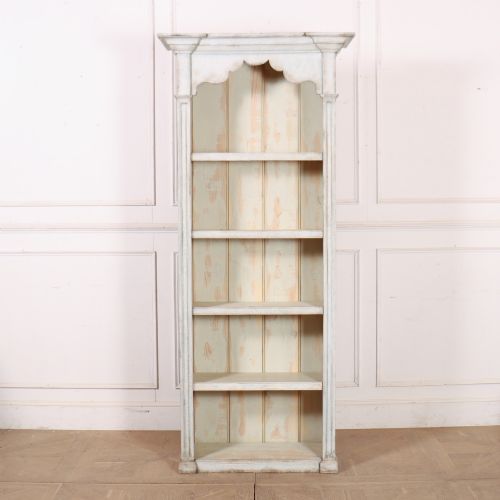
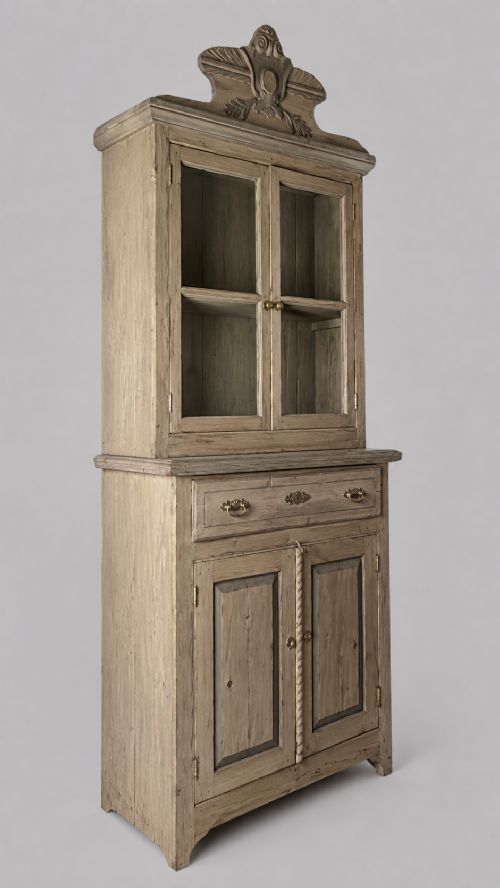
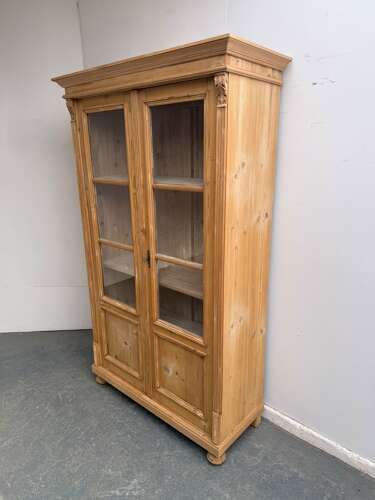
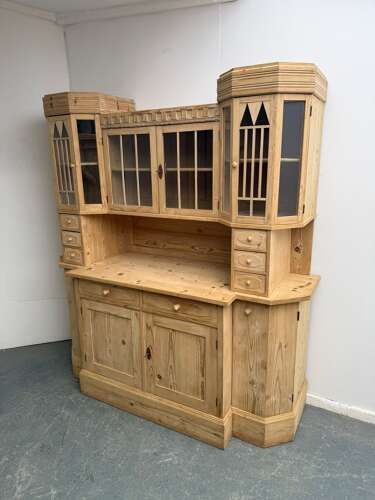
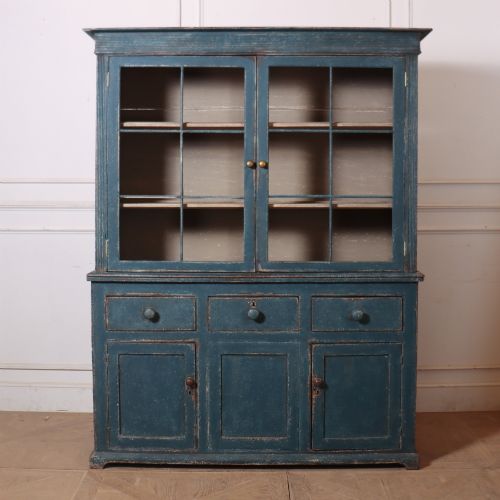
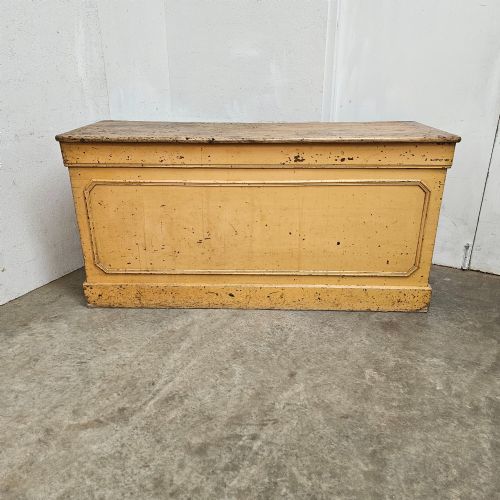
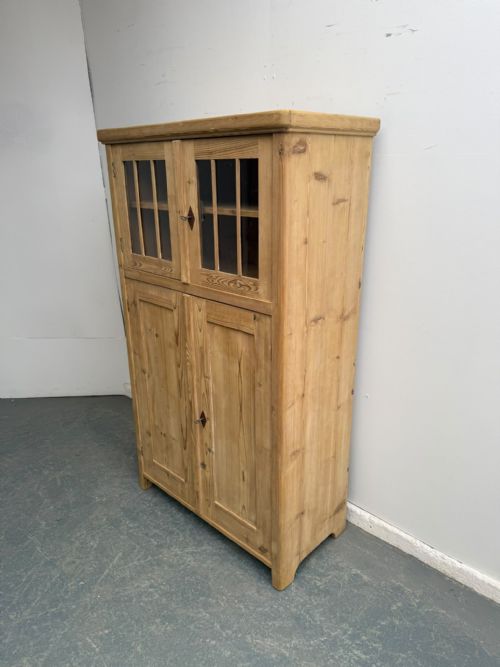
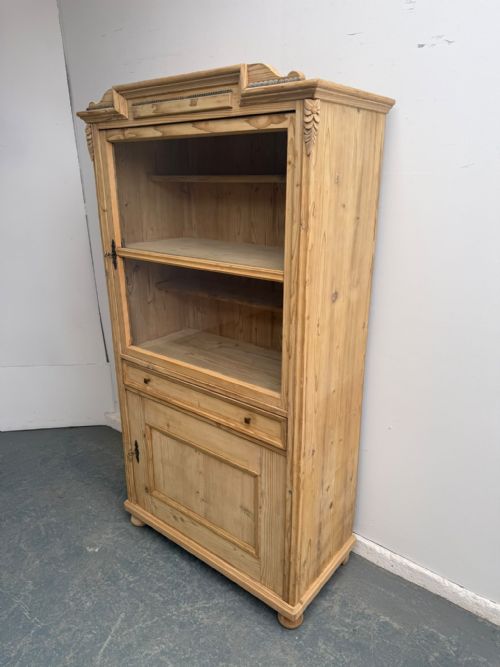
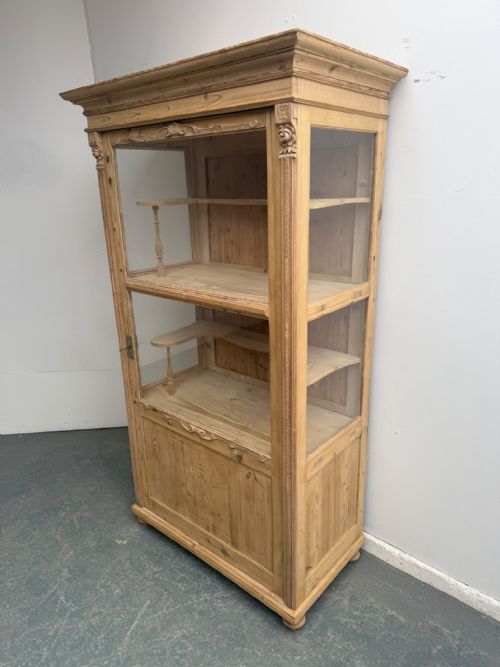
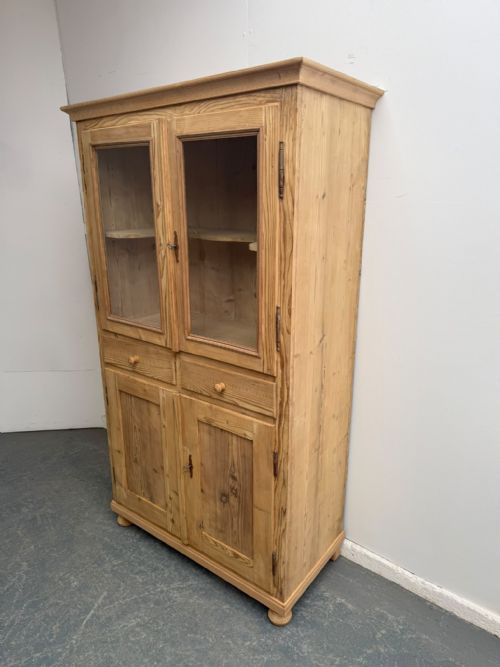
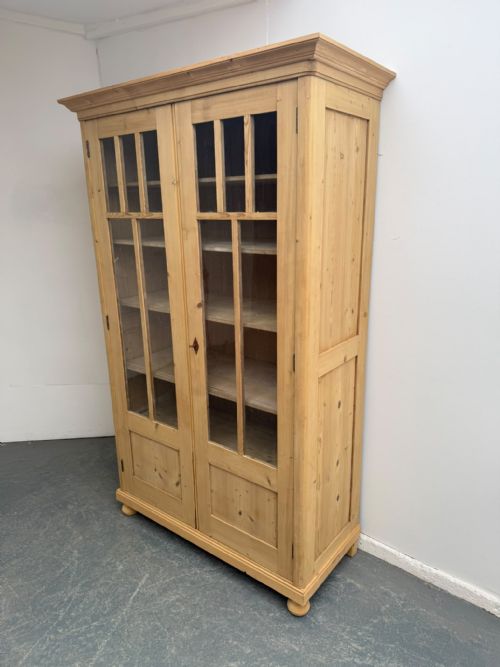
A painted pine display cabinet appears in various regional guises across this selection, from English kitchen dressers and corner cupboards to tall Swedish and French library bookcases. These pieces originate in domestic kitchens, shops, and provincial parlours where timber was plentiful and painted finishes offered a clean, practical surface. Cabinets range from compact two-door storage units and corner cupboards with glazed doors to substantial multi-part dressers and shop fittings with numerous drawers.
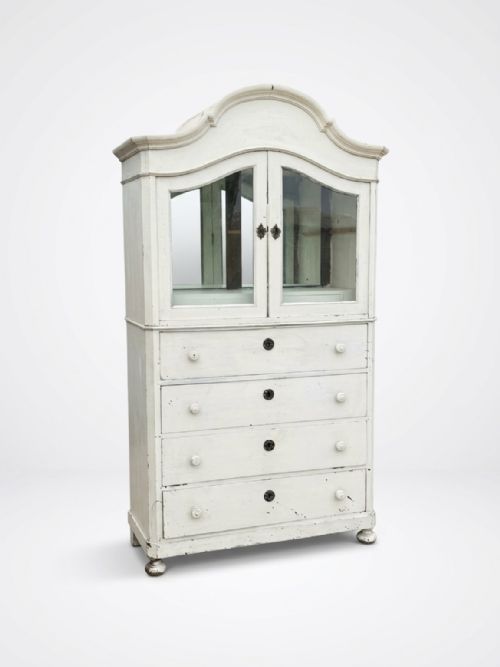
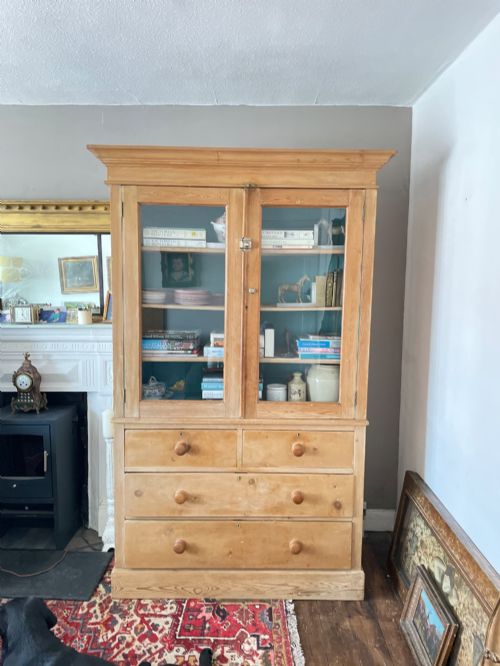
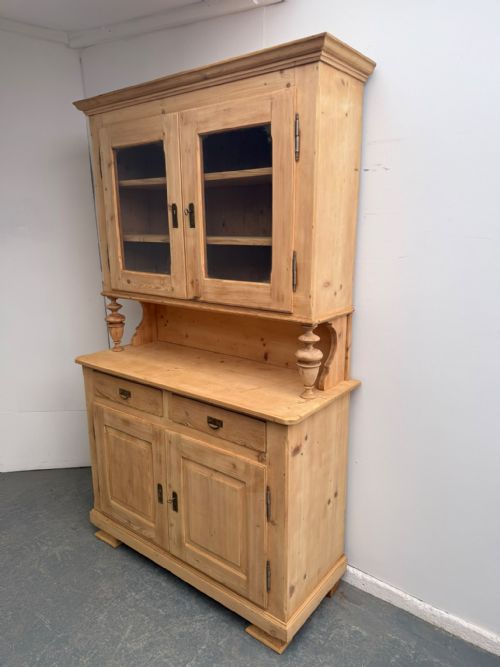
The version most commonly met on this page is the nineteenth-century glazed bookcase or kitchen cabinet, often constructed in two parts for easier movement. Many examples display the character of English country workshops, French provincial houses, or Scandinavian estates, utilising pine as the primary carcass timber. Whether fitted with bonnet tops, open shelves, or glazed upper sections, these items combine display space with enclosed storage.
Materials and Construction
Makers built these cabinets using pine for the main structure, supplemented by glass panels for doors and brass or iron hardware on hinges and latches. Surfaces received layers of paint, sometimes retaining original cream, grey, teal, or white coatings, while other interiors feature contrasting painted highlights behind glazed doors.
Construction techniques include panelled doors, shelving fitted into upper sections, and two-part modular builds that allowed large kitchen dressers and shop fittings to be transported between rooms.
One extraordinary shop fitting listed here contains fifty small drawers, proving that nineteenth-century shopkeepers possessed a very serious organizational streak.
Distinctions in Quality
Quality rests in the survival of original painted surfaces and the integrity of the timber joinery, rather than sleek perfection. Pieces retain distinct value when old or original paint layers remain undisturbed beneath later coats, showing natural wear that reflects decades of domestic use.
Proportion and construction detail elevate certain cabinets above standard utility pieces, such as those with balanced glazed door proportions, cornices like bonnet tops, or fitted interior shelving designed for specific display purposes.
The Painted Pine Display Cabinet Glossary
- Pine
- A softwood commonly used for vernacular furniture due to its availability and ease of working. It takes paint finishes readily.
- Glazed
- Fitted with glass panes in the doors to allow contents to be viewed while protected from dust. This feature characterises display cabinets and bookcases.
- Bonnet top
- An arched or curved upper architectural moulding found on certain cabinets. It adds height and a decorative profile to the piece.
- Breakfront
- A cabinet design where the central section projects forward from the flanking wings. This creates depth and visual rhythm across the facade.
Painted Pine Display Cabinet: Frequently Asked Questions
How do I clean a painted pine cabinet?
Dust surfaces gently with a soft cloth and avoid harsh chemical cleaners that might strip historic paint layers.
Wax polish can be applied sparingly to unpainted timber elements, but consult a professional before attempting to clean delicate or original painted finishes.
Are these cabinets supplied in sections?
Many larger examples, such as kitchen dressers and multi-door bookcases, are constructed in two distinct parts to facilitate transport and placement.
The upper display section simply lifts off the lower base cabinet, making movement between rooms much easier.
What is a two-part kitchen cupboard?
A two-part kitchen cupboard consists of a base cabinet with doors or drawers supporting a separate upper section, usually with glazed doors or open shelves.
This modular design was standard for large furniture, allowing heavy pieces to be carried into homes in manageable segments.
Where were painted pine cabinets used?
These cabinets served in rural kitchens, provincial shops, and domestic parlours for storing tableware, books, and provisions.
Their practical design suited everyday household tasks while providing visible storage for household goods.