




Green Painted Country Cupboard
A green painted country cupboard brings immediate rustic character to a room, offering practical storage wrapped in centuries of provincial charm.
Green Painted Country Cupboard
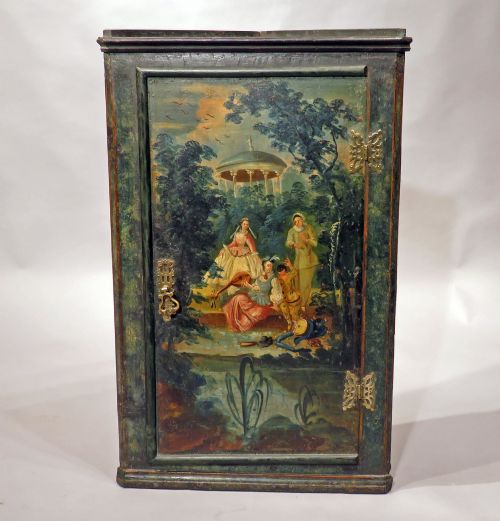
When you search for a green painted country cupboard, you encounter a diverse selection of regional storage furniture spanning several centuries. These pieces originate from various domestic settings, ranging from English farmhouses to Scandinavian homesteads and Dutch provincial houses.
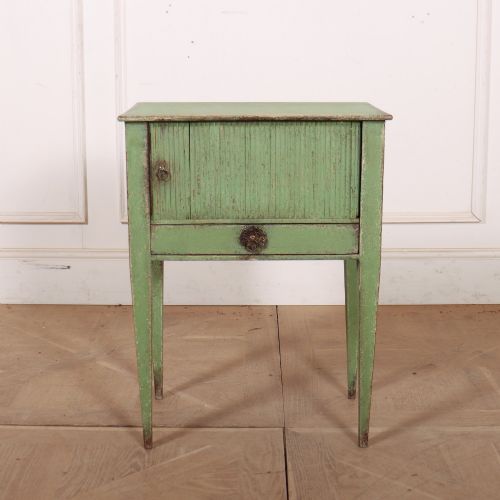
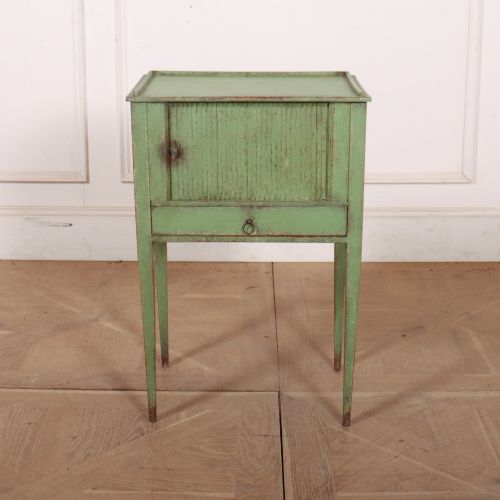
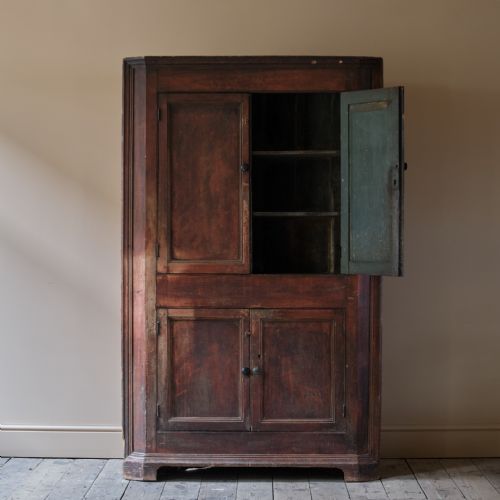
The selection on this page centres predominantly on 18th century and 19th century items, including kitchen dressers, corner cupboards, bedside tables, and large housekeeper's cupboards. Pine and softwood form the structural core of these provincial items, carrying layers of paint that define their aesthetic.
You will find regional variations such as Swedish wall cupboards, Dutch vitrines, Scottish dairy dressers, and English pot board dressers. Each form reflects the specific storage needs of the rural household that originally commissioned or built it.
How they were made
Carpenters and provincial joiners constructed these cupboards primarily using solid pine and softwood planks, assembled with traditional jointing techniques suited to utilitarian furniture. Iron and brass hardware, including hinges, latches, and occasional handles, fastened the doors and secured the contents.
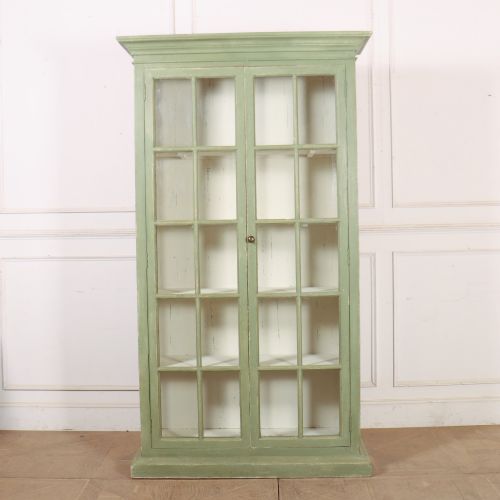
Surfaces were finished with paint, sometimes applied in later periods over older timber or refreshed to suit changing domestic tastes. Glazed panels appeared on specific display cabinets and bookcases, while carved details surfaced on Scandinavian pine pieces.
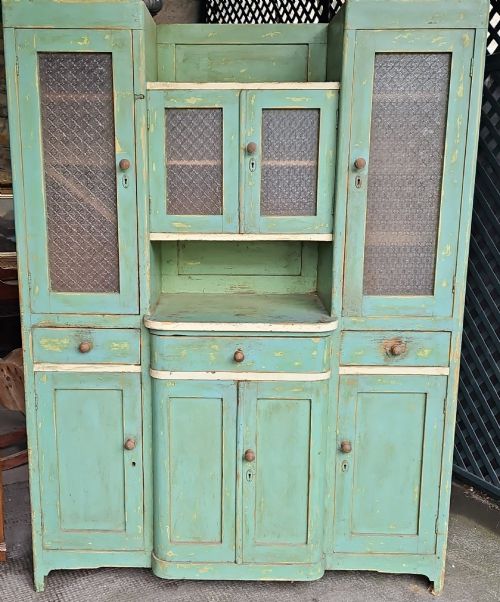
One exceptional Hungarian cupboard arrives with three drawers, a single door, and a thoroughly uninhibited application of green paint.
What varies in quality
The distinction between pieces often lies in the integrity of the original construction and the history of the painted surface. Items retaining their original paint layers hold a different character compared to those painted in later periods, such as Georgian pieces noted as later painted green.
Melissa White
The Green Painted Country Cupboard Glossary
- Pot Board Dresser
- A kitchen dresser featuring an open lower shelf traditionally used for storing pots and heavy kitchenware.
- Housekeeper's Cupboard
- A large storage cabinet historically used for linen, dry goods, and household provisions.
- Corner Cupboard
- A space-saving cabinet designed specifically to fit into the internal corner of a room, available in hanging or standing formats.
- Vitrine
- A glass-fronted cabinet or display case utilised for showing ceramics and glassware.
- Softwood
- Timber derived from conifer trees, such as pine, which was widely employed in provincial and country furniture making.
Green Painted Country Cupboard: Frequently Asked Questions
What is a housekeeper's cupboard?
A housekeeper's cupboard is a substantial storage piece designed for domestic organisation, typically featuring large doors enclosing shelves or drawers for linen and provisions.
These pieces stood in the service areas of large houses or farmhouses as central storage hubs.
How do I identify a country dresser?
A country dresser usually combines lower storage, such as cupboards or drawers, with an upper section of open shelves or a plate rack.
They served as both display areas for best ceramics and practical work surfaces in rural kitchens.
Are these cupboards made of solid wood?
These provincial pieces rely primarily on solid pine and softwood construction, reflecting the readily available timber used by regional cabinetmakers.
Joinery techniques prioritised sturdy utility over decorative veneering.
What is the difference between an 18th and 19th century cupboard?
Eighteenth century cupboards often display simpler, heavier proportions and earlier regional jointing methods, while 19th century examples frequently introduce glazed doors or varied provincial revival styles.
Paint history also shifts across these eras, with some earlier carcasses receiving green paint in later periods.