

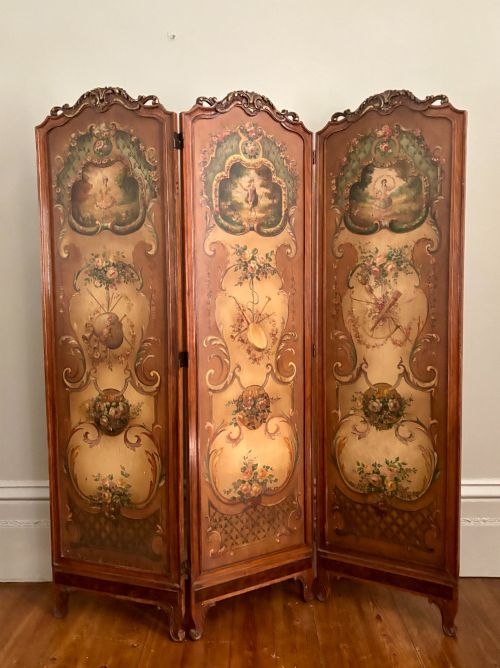
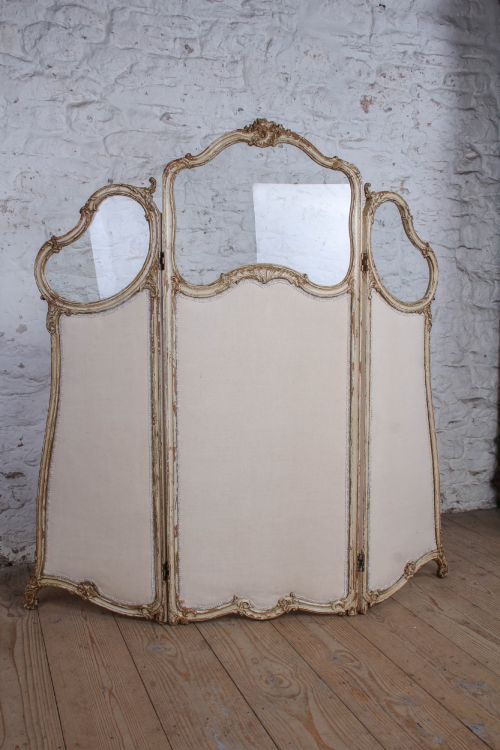
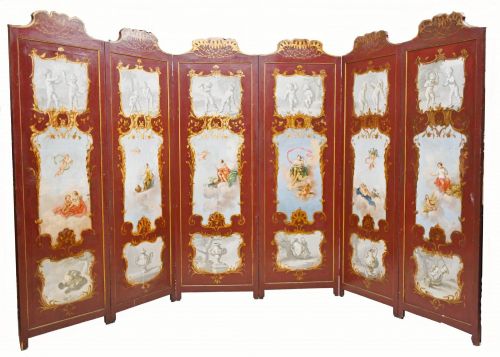
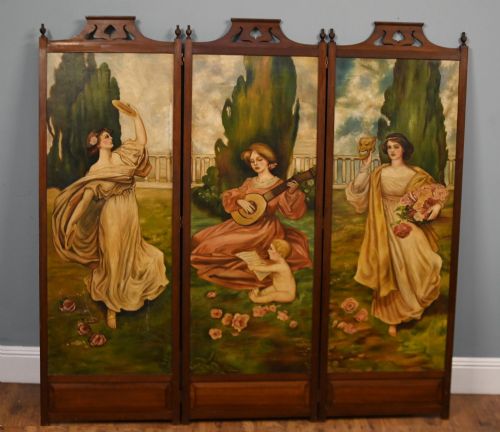



Painted Panel Privacy Screen
A painted panel privacy screen divides a room with hand-decorated panels set into folding timber frames.
Painted Panel Privacy Screen
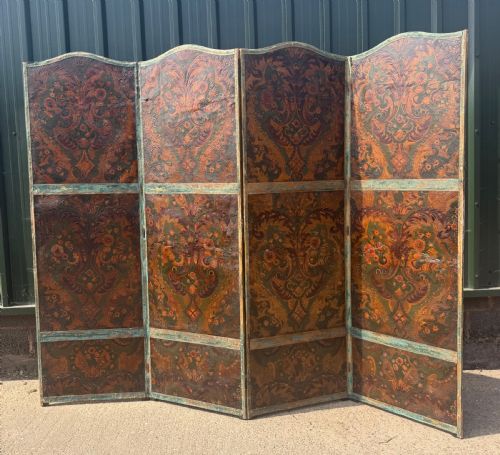
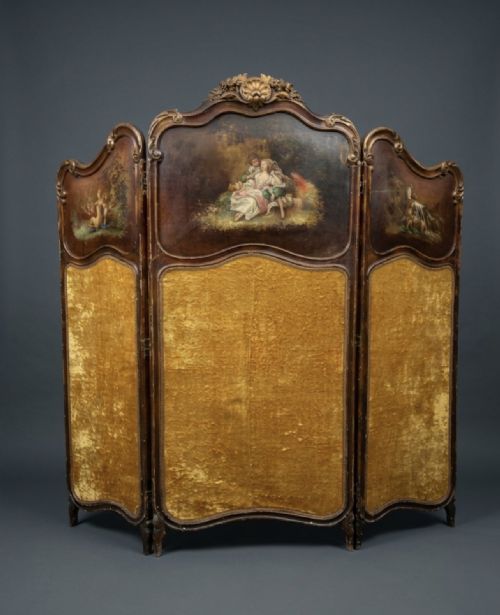
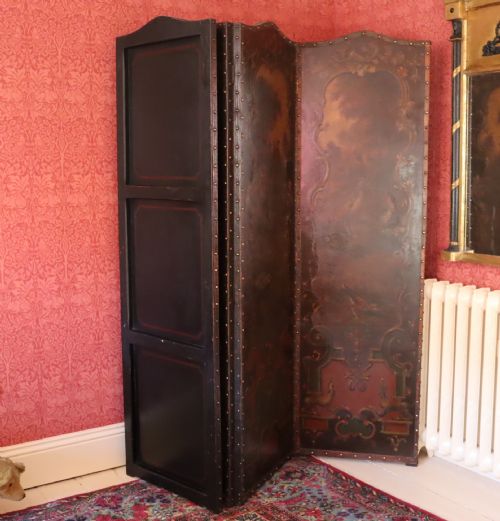
A painted panel privacy screen acts as a portable partition, creating secluded zones or softening corners within larger interiors. These pieces appear in configurations ranging from three folds up to six folds, functioning as dressing screens, room dividers, and modesty screens.
The materials and styles span diverse origins, including French walnut and Louis XV revival designs, Victorian Pre-Raphaelite interpretations, Chinese Chinoiserie lacquer work, and Spanish Cordoban leather. Buyers encounter both European painted timber frames and Asian lacquer compositions across these listings.
Dated examples stretch from the eighteenth century through the nineteenth century and into the early twentieth century, including Burmese and Indian fretwork variants. Each folding screen brings distinct regional artistry and historic surface decoration to domestic spaces.
What varies in quality
The refinement of the hand-painted artwork dictates the visual standing of each piece, distinguishing simple decorative items from masterwork panels featuring intricate pastoral scenes or detailed Chinoiserie motifs. Superior examples display depth in their polychrome pigments, careful gilding, and well-executed relief work.
Structural integrity rests on the quality of the timber, the stability of the canvas or leather panels, and the durability of the hinges joining the folds. Heavier screens require robust framing to support multiple panels without sagging over time.
Painted Panel Privacy Screen Retail Price Guide 2026
Typical asking prices for painted panel privacy screen among the pieces listed under this phrase on Sellingantiques today, from the lower quarter to the upper quarter. They describe what is for sale here now, not the wider market.
The documented regional styles include French Rococo Revival, Victorian, Chinese Republic Era, and 18th Century Spanish aesthetics.
The Painted Panel Privacy Screen Glossary
- Modesty screen
- A low folding screen originally designed to shield someone from draughts or direct gazes near a fireplace or bed. These smaller dividers typically feature decorated panels.
- Chinoiserie
- European artistic style and decorative motifs reflecting Chinese aesthetic traditions. This style frequently appears on lacquer and painted panels from the nineteenth and early twentieth centuries.
- Cordoban leather
- Embossed, painted, and often gilt leather originating from Spanish craftsmanship. These luxurious panels provide rich textural surfaces on antique screens.
- Polychrome
- Decoration employing several colours applied to woodwork, canvas, or leather. This technique brings vibrant visual variety to historic room dividers.
- Fretwork
- Ornamental perforated woodwork carved into patterns along the frame or upper sections of screens. This technique adds lightness and intricate detail to timber structures.
Painted Panel Privacy Screen: Frequently Asked Questions
How do I use a screen?
Position the folding panels to create a private dressing area, divide a large reception room, or conceal a corner. The hinged sections adjust easily to fit the dimensions of your floor plan.
Ensure the panels remain stable by angling the outer folds slightly inward for support. This freestanding arrangement allows for flexible repositioning whenever room layouts change.
How do I clean painted panels?
Dust the wooden frames and painted surfaces regularly with a soft, dry cloth. Avoid applying water, chemical cleaners, or abrasive agents directly onto the historic paint or lacquer.
Professional conservation advice is recommended for deeper cleaning of delicate oil paint, gilt leather, or antique canvas. Gentle handling preserves the original pigments and protective finishes.
Are these screens heavy?
Weight varies according to the materials used, with solid timber and multi-fold lacquer versions being substantially heavier than canvas or modesty variants. Larger four-fold and six-fold pieces require two people to reposition safely.
Smaller three-fold dressing screens lift easily for relocation between rooms. The inclusion of dense materials like hardstone or thick leather increases the overall heft of the divider.