




Rococo Folding Screen
These rococo folding screen pieces bring asymmetric curves and painted panels into rooms, offering decorative division and warmth control.
Rococo Folding Screen
A rococo folding screen combines elaborate revival styles with functional room division or hearth protection, drawing on French Rococo Revival, Louis XV Revival, and Napoleon III influences. These pieces emerge predominantly from the nineteenth century, spanning decades from eighteen hundred through nineteen ten.
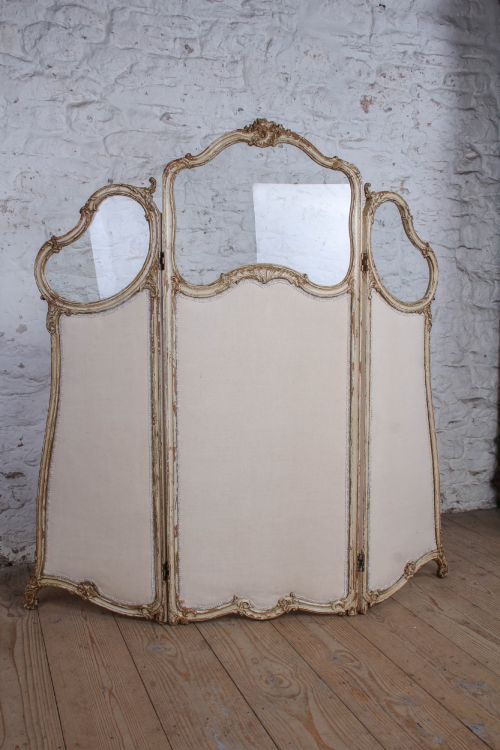
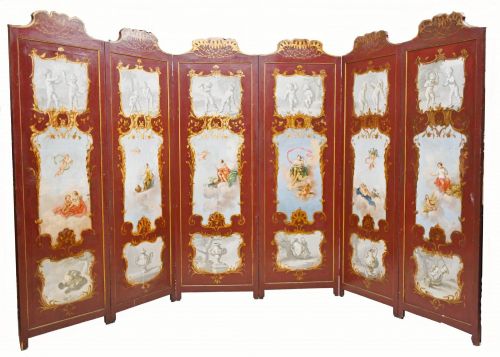
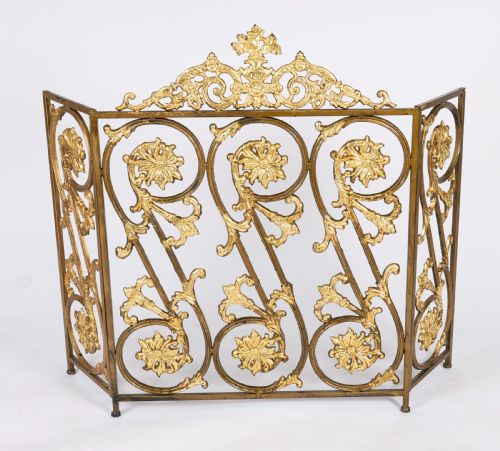
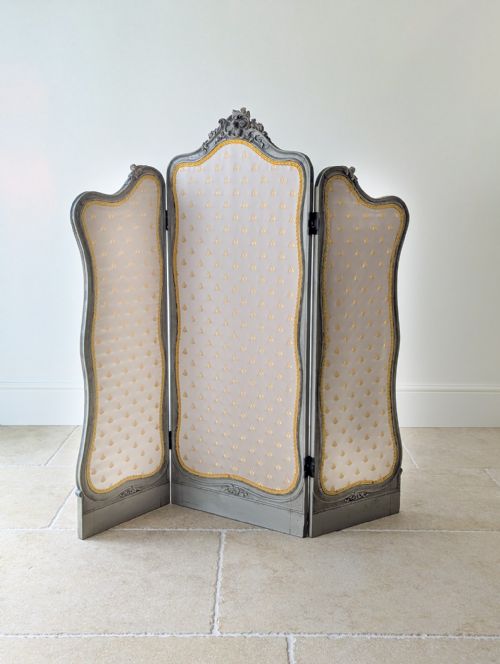
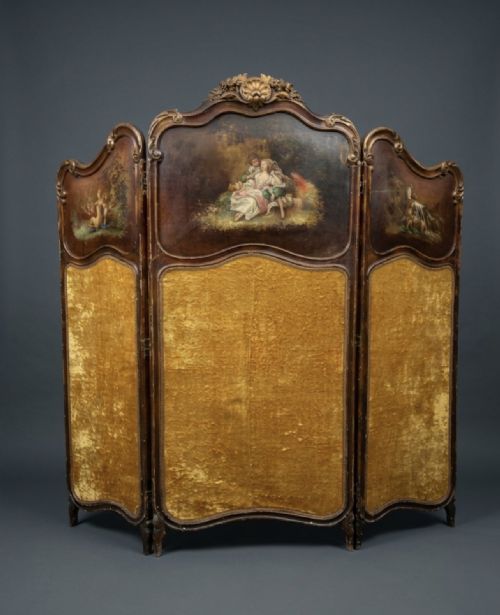
Buyers encounter multiple forms on this page, ranging from large room dividers and three-fold vanity screens to smaller brass and gilt bronze fire screens. Many examples incorporate painted panels depicting pastoral scenes, chinoiserie motifs, or hand-painted leather surfaces.
Origins lean heavily toward French design vocabularies, including French chateau styles and modesty screens. The physical presence shifts between massive multi-panel wooden room dividers and delicate brass peacock tail fire guards.
Materials and construction methods
Construction relies on wood, giltwood, and carved walnut framing multi-fold panels, alongside cast brass and gilt bronze structures for hearth accessories. Artisans utilise oil paint on canvas, fabric, glass, and leather to fill the folding sections with detailed figurative artwork.
Rococo Folding Screen Retail Price Guide 2026
Typical asking prices for rococo folding screen among the pieces listed under this phrase on Sellingantiques today, from the lower quarter to the upper quarter. They describe what is for sale here now, not the wider market.
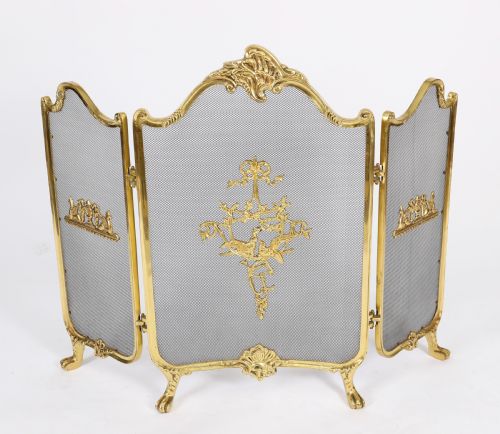
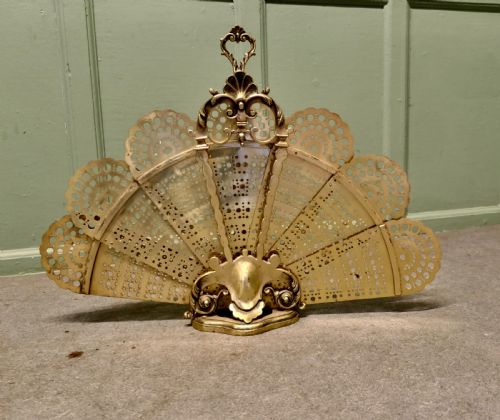
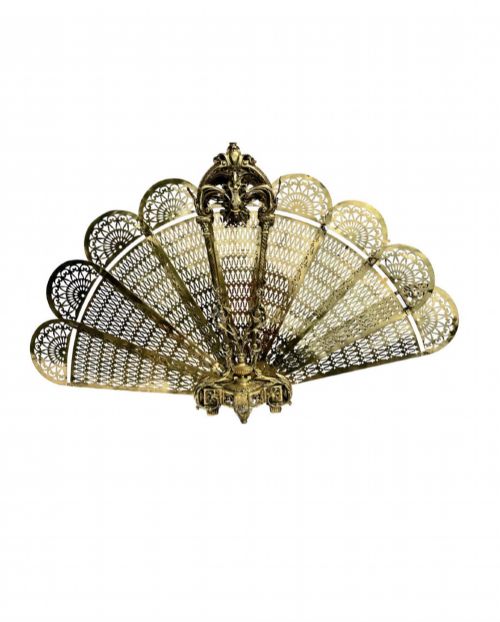
Peacock's tail fire guards expand gracefully to block stray embers, bringing avian flair to nineteenth-century hearths.
Assessing quality in rococo folding screen pieces
Quality shows in the depth and execution of the carved wood or cast bronze frames, where crisper foliage scrolls and heavier gauge metal distinguish finer workshops. Painted panels display varying artistic competence, from simple decorative flourishes to detailed pastoral scenes executed in oil paint.
The integrity of the hinges and the stability of the folding mechanism dictate everyday usability, particularly on multi-fold room dividers and larger leather or fabric screens. Original surfaces and untouched gilt finishes carry more weight than later repaint or extensive restoration.
The Rococo Folding Screen Glossary
- Rococo Revival
- A nineteenth-century design movement that reinterprets the asymmetric curves, scrolls, and natural motifs of the eighteenth-century French style. It appears across furniture and decorative accessories of this period.
- Giltwood
- Timber coated with a thin layer of gold leaf or gilt paint. This finish provides the characteristic metallic sheen seen on many revival frames and screens.
- Chinoiserie
- European artistic style reflecting Chinese motifs and decorative techniques. It frequently populates the painted panels of antique room dividers.
- Fire Screen
- A freestanding barrier placed before a fireplace to block radiant heat when a fire is not burning. Many examples utilise folding brass panels or decorative needlework.
- Napoleon III
- A French design period spanning the mid-nineteenth century, known for eclectic revivals and opulent decorative arts. Pieces from this era often feature rich paintwork and gilt details.
Rococo Folding Screen: Frequently Asked Questions
What is a rococo folding screen used for?
These pieces serve multiple domestic functions, from dividing large rooms into intimate spaces to shielding rooms from fireplace heat. Smaller brass guards protect hearths while larger multi-fold painted panels create private dressing areas.
Their decorative nature also allows them to function purely as visual focal points within a period interior, utilising painted pastoral scenes or gilded frames to fill empty wall space.
How do I date a folding screen?
Dating relies on examining the construction materials, hinge types, and the style of the painted or carved decoration. Pieces spanning the nineteenth century often combine revival motifs with machine-made or hand-finished framing techniques specific to those decades.
Design indicators such as Louis XV revival curves or Napoleon III painting styles help narrow the decade of manufacture between eighteen hundred and nineteen ten.
Are these screens suitable for daily use?
Many folding screens remain structurally sound for regular repositioning, though fragile painted leather or delicate fabric panels require careful handling. Brass fire screens and sturdy wooden room dividers adapt well to modern domestic layouts when placed away from heavy traffic.
Checking the stability of the hinges ensures that multi-fold panels support their own weight safely during daily movement.
What is the difference between a fire screen and a room divider?
Fire screens are typically smaller, single or triple-panel brass or giltwood accessories designed specifically to sit on the hearth. Room dividers feature three to six tall panels made of wood, painted leather, or fabric intended to partition floor space.
While both share rococo revival aesthetics, their scale and intended placement within a room determine their primary category.