
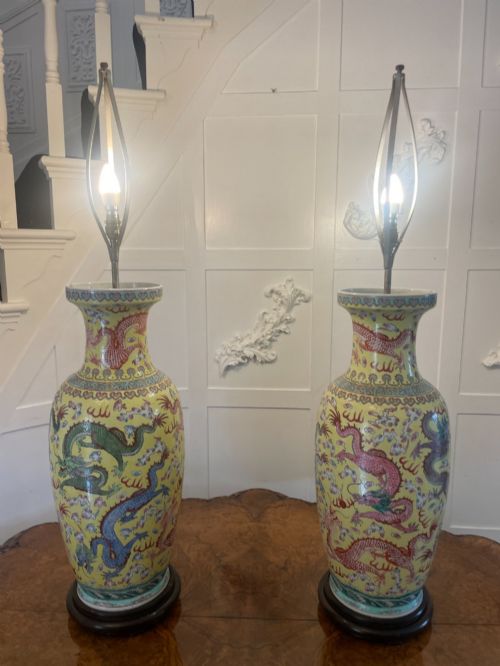
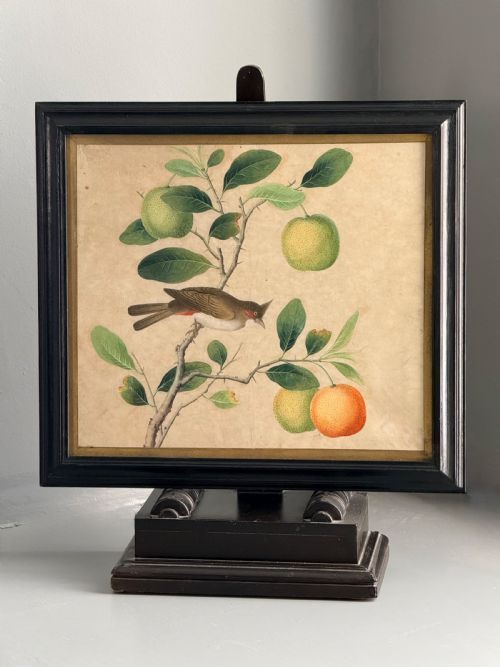
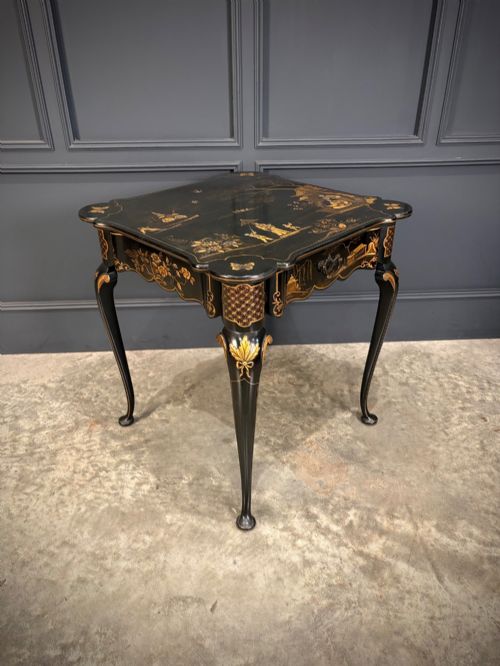
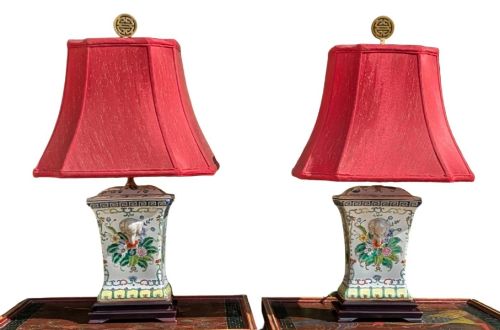
Painted Oriental Table
A painted oriental table brings layered narrative and rich colour into a room, offering surface art through centuries of lacquer and Chinoiserie.
Painted Oriental Table
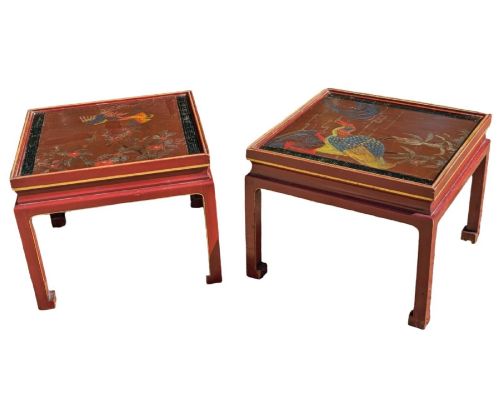
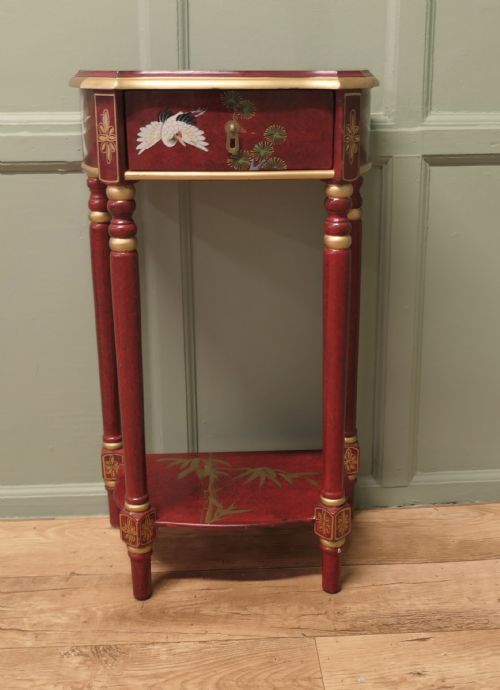
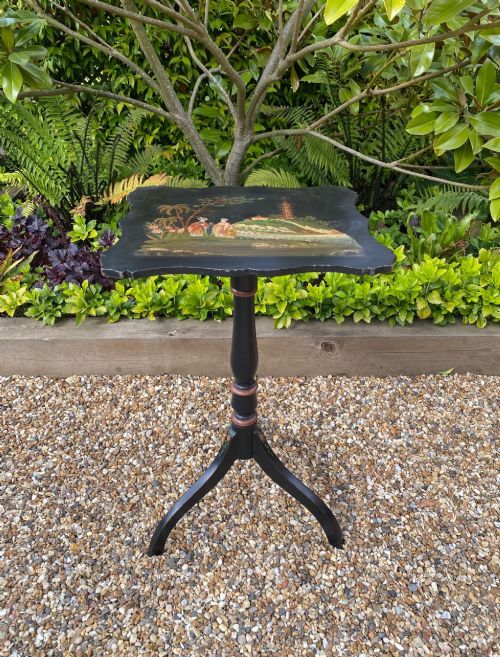
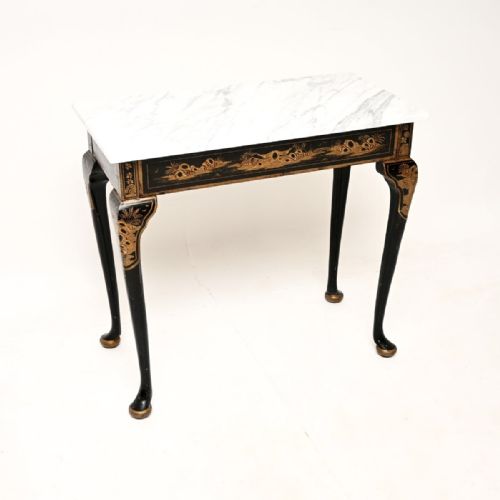
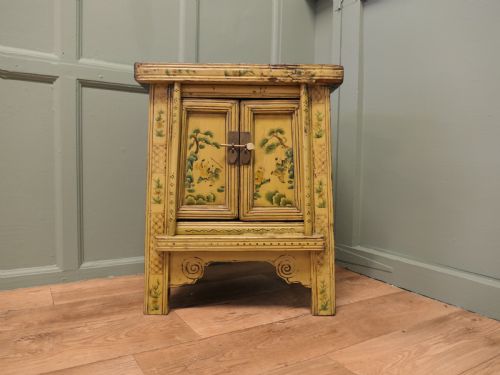
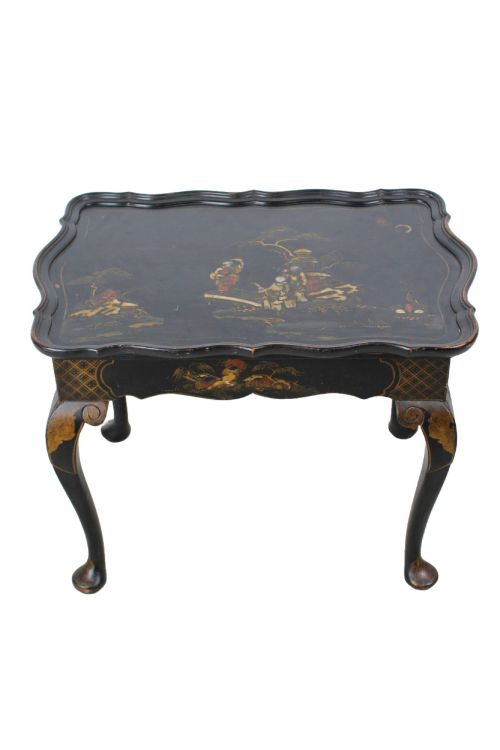
When you search for a painted oriental table, you encounter diverse forms spanning side tables, coffee tables, occasional tables, and tilt-top designs. The selection frequently includes pieces from the nineteenth and early twentieth centuries finished in styles ranging from Chinoiserie to Kashmiri traditions.
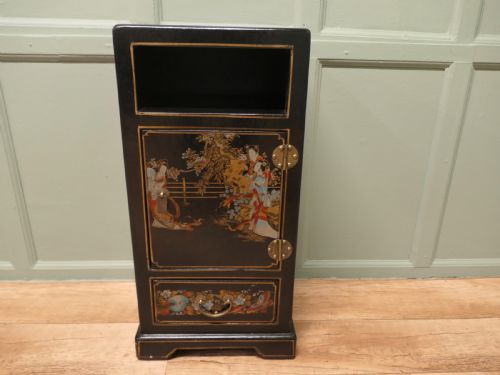
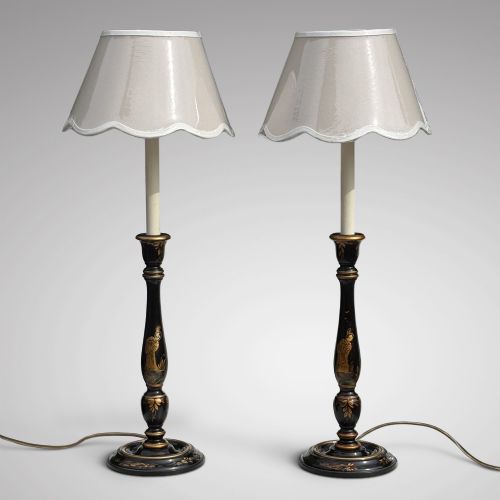
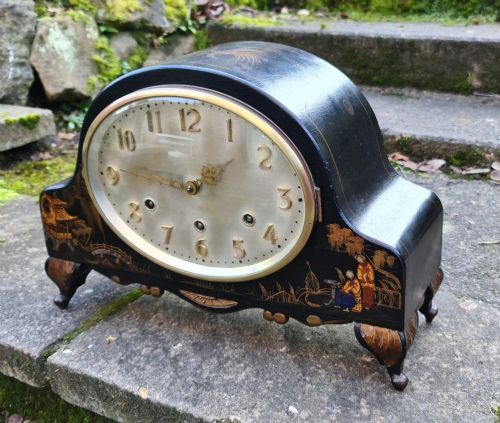
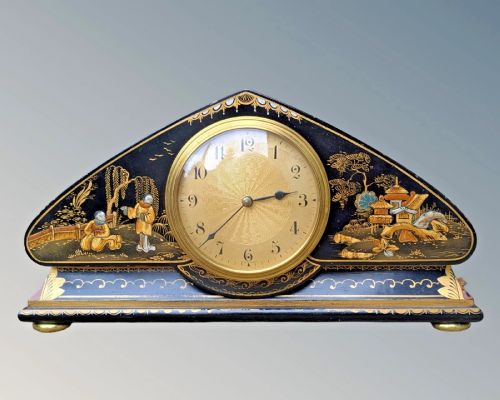
Makers utilised various regional aesthetics, producing items that function practically while displaying elaborate hand-painted motifs on wood. These surfaces often incorporate lacquer finishes, depicting figurative or botanical scenes characteristic of Chinese export work and English Japanning.
The assortment on this page predominantly reflects Victorian, Edwardian, and nineteen-twenties interpretations of Eastern design. Such items appear as sturdy occasional pieces, nest sets, or tray-top coffee tables suited to modern interiors.
How they were made
Wood serves as the primary structural body for these pieces, supporting layers of lacquer and applied decorative paints. Artisans built solid frames from timbers such as elm or carved wood before applying protective and ornamental finishes.
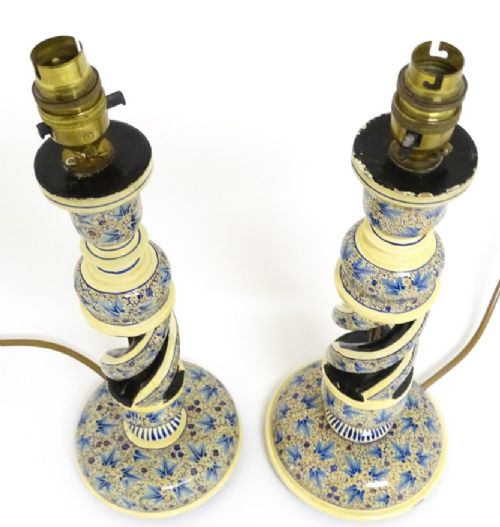
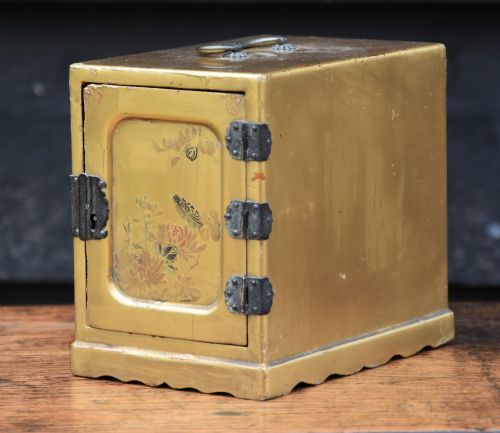
Surface decoration relies heavily on hand-painted pigments, gilt, and gold leaf applied over lacquered wood bases. Certain workshops employed papier-mâché techniques, particularly in Kashmiri productions, yielding lightweight yet durable tables.
Brass fittings and marble tops occasionally accompany the wooden structures, adding weight and contrasting textures to the lacquered surfaces. Artisans sealed these compositions to preserve the detailed brushwork across decades of use.
Materials recorded across the inventory include lacquered wood, brass, fabric, porcelain, and gold leaf.
What varies in quality
The refinement of the hand-painted detail distinguishes exceptional examples from standard production work. Superior pieces display precise brushwork, nuanced facial expressions in figures, and depth within the landscape scenes.
The integrity and depth of the lacquer finish dictate the tactile and visual grade of an item. Thick, polished coats that resist crazing demonstrate superior craftsmanship compared to thin, flat finishes.
The cohesion of the design, such as how successfully a Western furniture form adopts Eastern iconography, determines the stylistic success of the piece. Authentic integration of materials like gilt and brass elevates the stature of the work.
Maison Bagues·Elliott London
The Painted Oriental Table Glossary
- Chinoiserie
- European decorative style inspired by Chinese artistic traditions, popular in furniture and lacquerwork.
- Lacquer
- A durable resin finish applied in multiple layers to wood, creating a smooth surface for painted decoration.
- Japanning
- A European imitation of East Asian lacquerwork using varnishes and heat-cured paints.
- Kashmiri
- Pertaining to decorative arts from Kashmir, noted for intricate painted papier-mâché and carved wood items.
- Tilt-top
- A table mechanism allowing the surface to pivot vertically for storage when not in use.
Painted Oriental Table: Frequently Asked Questions
How do I care for a lacquered table?
Keep painted lacquer surfaces away from direct sunlight and excessive heat to prevent the finish from fading or cracking.
Dust gently with a dry microfibre cloth and avoid chemical polishes that might damage the historical varnish.
What is the difference between Chinoiserie and Japanese styles?
Chinoiserie reflects European interpretations of Chinese motifs, whereas Japanese styles draw directly from Meiji or Edo period aesthetics.
Look for distinctive pictorial elements, such as specific architectural forms and flora, to distinguish between the two traditions.
Where were Kashmiri tables made?
Kashmiri items originate from the Kashmir region, historically recognised for distinctive hand-painted papier-mâché and carved wood objects.
These pieces frequently feature vibrant floral and bird motifs executed in rich green, gold, and red pigments.
Are these tables suitable for daily use?
Most occasional and coffee tables function well for everyday placement, provided you protect the surface from moisture and scratches.
Use coasters and placemats to preserve the delicate hand-painted scenes and underlying lacquer.