
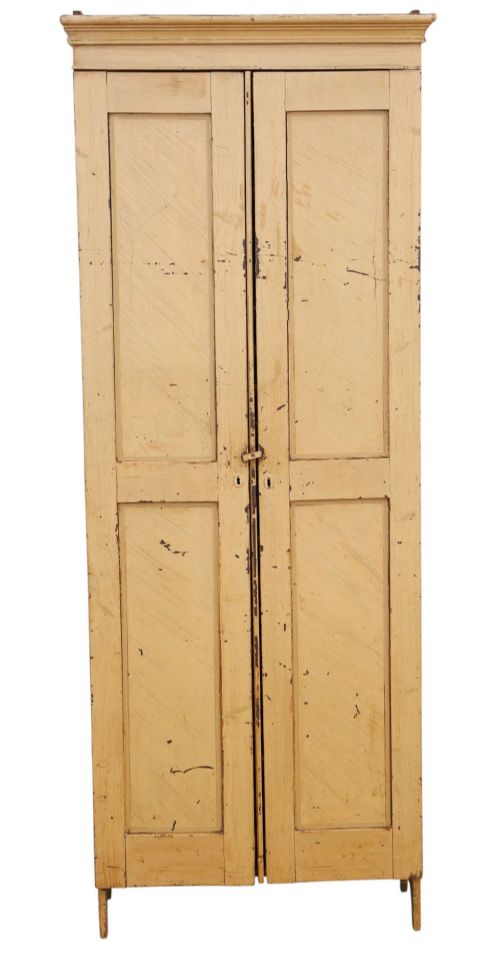
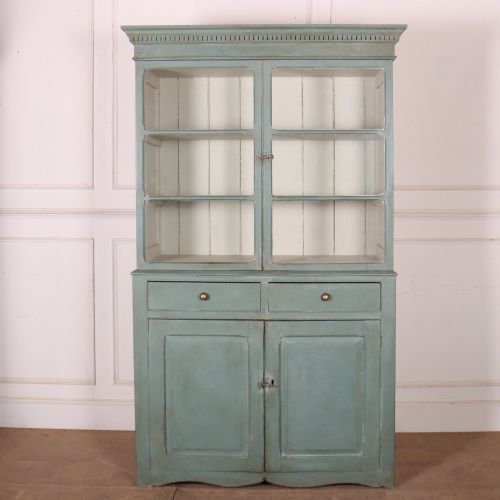
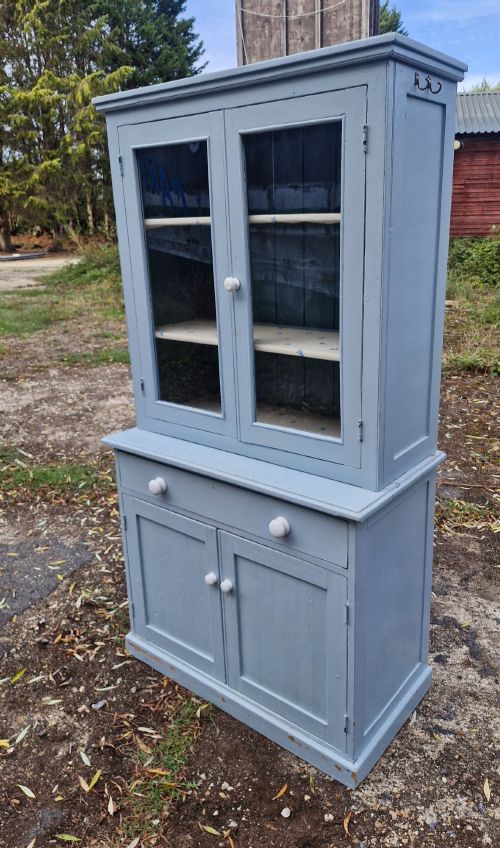
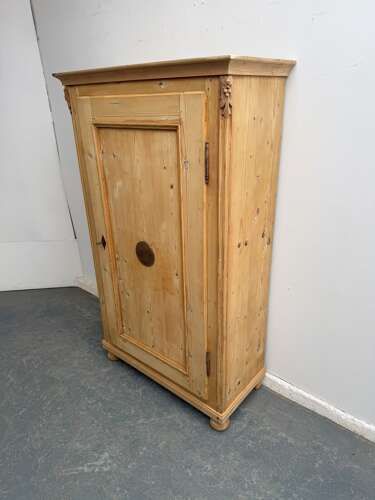
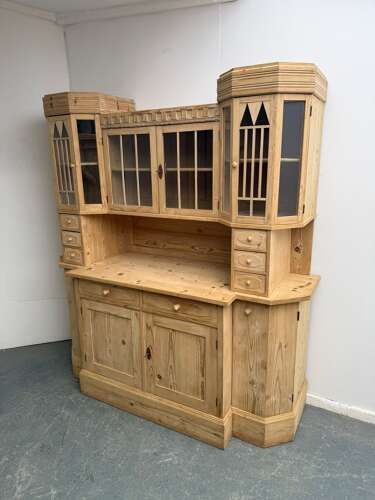
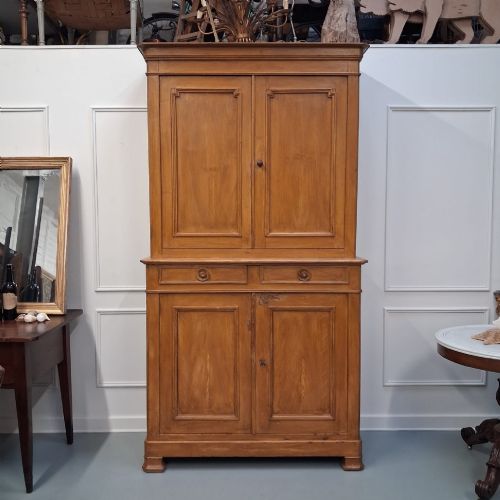
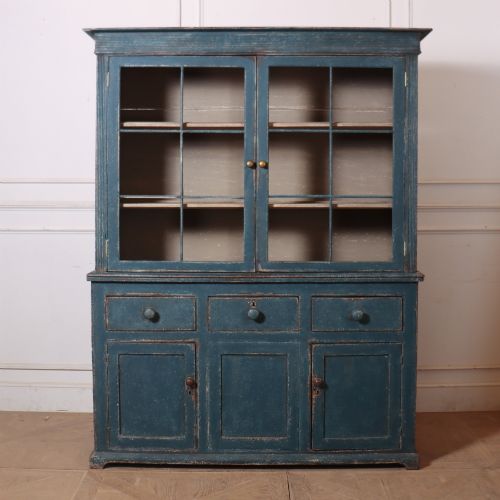
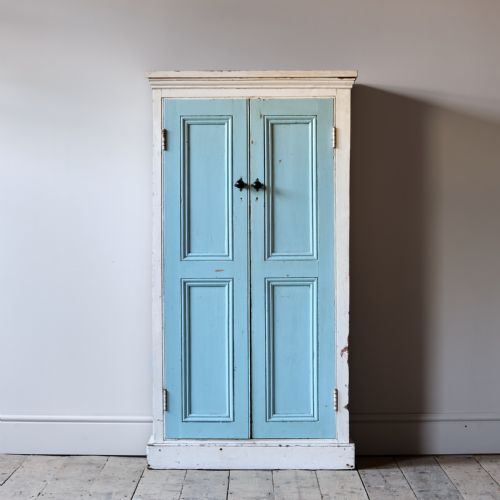
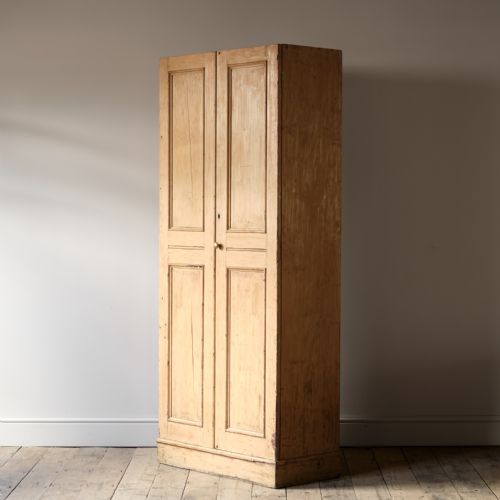
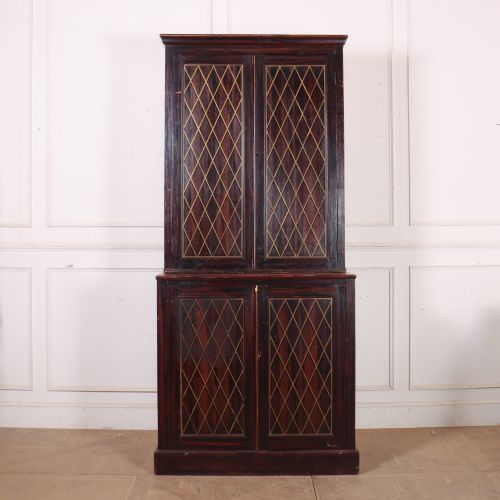
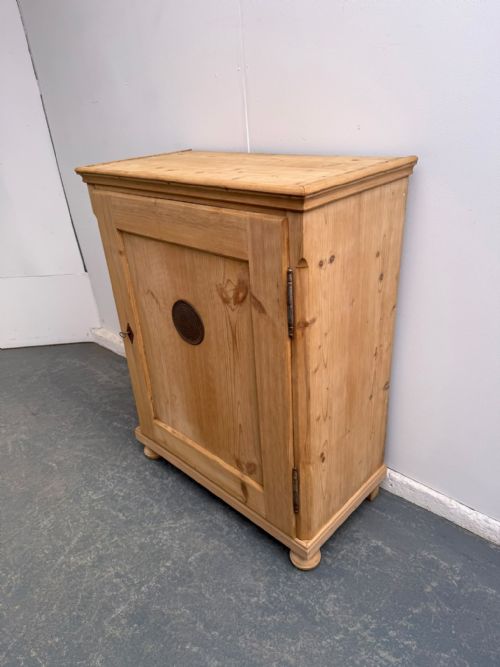
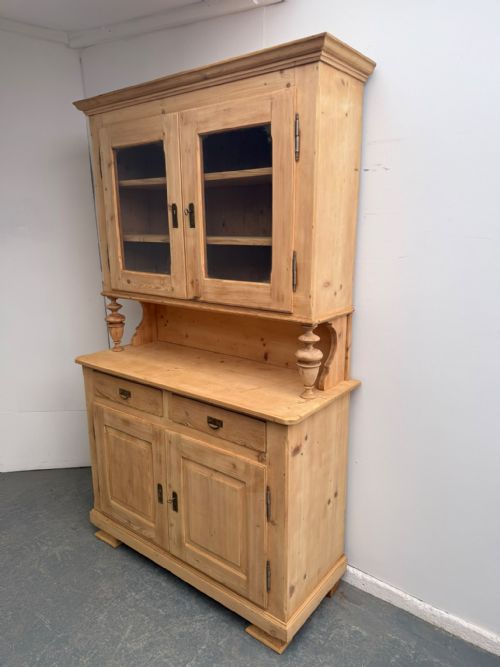

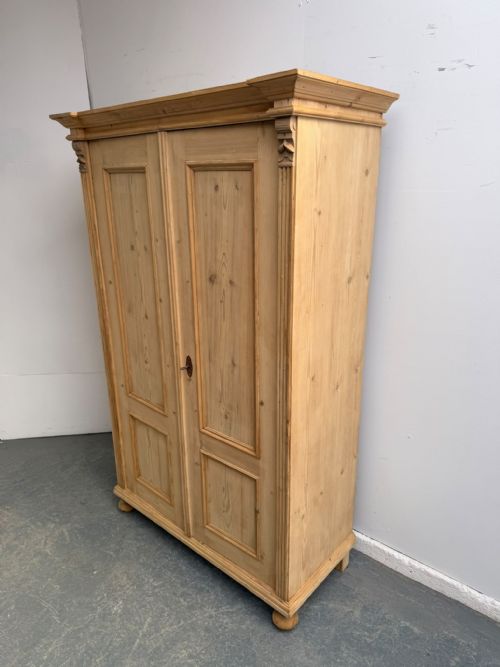
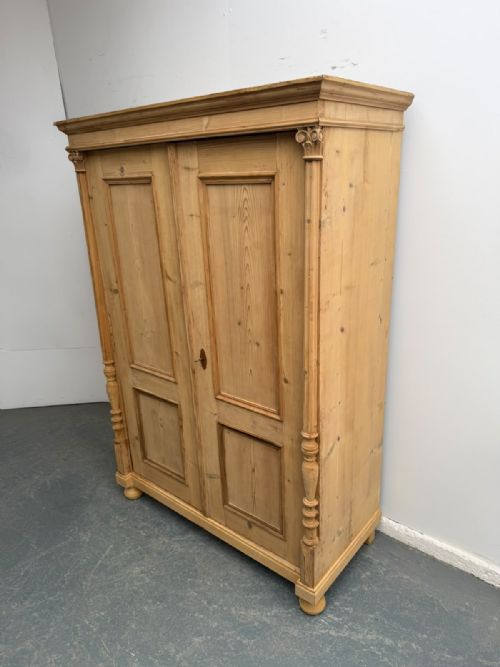
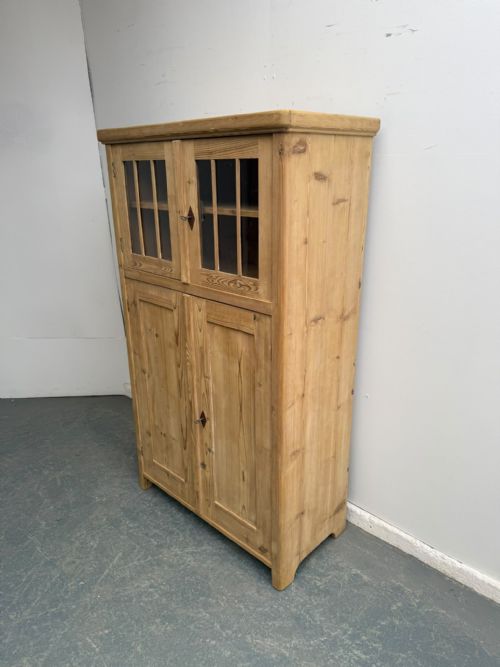
Painted Larder Cabinet
These painted larder cabinet examples provide robust kitchen storage, combining traditional pine construction with durable painted finishes for daily domestic utility.
Painted Larder Cabinet
When searching for a painted larder cabinet, buyers encounter functional storage pieces originating predominantly from the Victorian period, along with 19th Century, Georgian, Edwardian, and specific dated examples from 1810 to 1910.
The forms span tall narrow cupboards, housekeeper's cupboards, kitchen dressers, food cupboards, and storage cabinets, often described under broader cupboard and cabinet categories.
Origins represented in these listings include English, Scottish, French, West Country, and Scandinavian traditions, reflecting diverse regional domestic requirements.
Materials and construction methods
Construction relies heavily on pine and painted pine, frequently enhanced with iron, brass, and glass elements for hinges, pulls, and glazed doors.
Pieces utilise traditional joinery techniques suited to utility, resulting in one-piece or two-part configurations with beaded, fielded, or carved details.
Listings span multiple eras from the Georgian period through the Victorian age and into the Edwardian decade, constructed primarily in solid pine.
Distinguishing quality variations
Proportion and scale dictate distinction, where tall narrow profiles or well-executed cornices elevate standard storage forms into notable regional examples.
The Painted Larder Cabinet Glossary
- Housekeeper's Cupboard
- A large storage piece traditionally used in substantial homes for linen and provisions. These units frequently feature upper cupboard sections and lower drawers.
- Bread and Cheese Cupboard
- A food storage cabinet designed with vented panels for air circulation. These pieces kept perishables fresh before modern refrigeration.
- Fielded
- A panel detail where the edges are bevelled to sit recessed within a frame. This construction method allows solid wood to expand and contract with humidity changes.
- Two Part
- A piece constructed in separate upper and lower sections for easier transport and placement. This format is common in large dressers and tall cupboards.
Painted Larder Cabinet: Frequently Asked Questions
What is a painted larder cabinet used for?
These cabinets serve as functional storage for kitchen provisions, dry goods, and tableware. Their generous shelving accommodates heavy domestic items.
Historically, specific versions with vented doors kept dairy and bread fresh by allowing air to circulate through the interior compartments.
How do I date a painted larder cabinet?
Dating relies on construction methods, hardware types, and timber characteristics. Georgian and early Victorian pieces often display hand-cut joinery and deeper proportions.
Later Victorian and Edwardian examples incorporate machine-sawn elements and standardised hardware fittings while maintaining traditional pine carcases.
Are painted finishes original?
Some pieces retain original painted surfaces applied during their period of manufacture. Many antique items feature later coats of paint applied by subsequent owners.
Listings frequently distinguish between pieces in original paint and those offered for custom waxing or painting by the buyer.
Where were these cabinets made?
The pieces originate from various domestic workshops across England, Scotland, and Wales. Regional variations appear in the West Country styles.
Continental examples from France and Scandinavia also feature in these listings, showing distinct regional door configurations and carving styles.