




Painted Glass Vase
A painted glass vase brings rich colour and surface detail to a room, ranging from delicate Victorian enamel work to bold Art Nouveau designs.
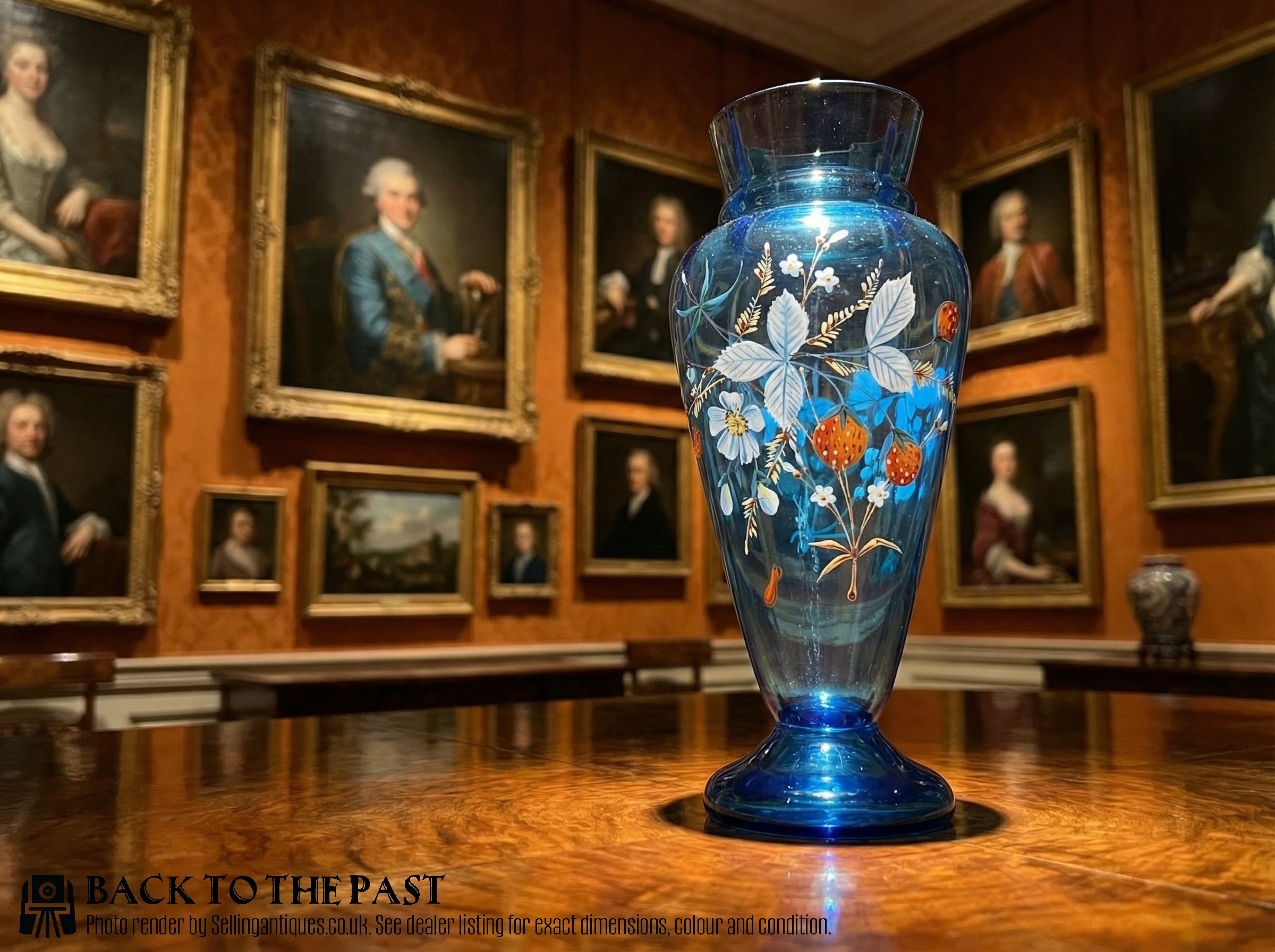
Painted Glass Vase
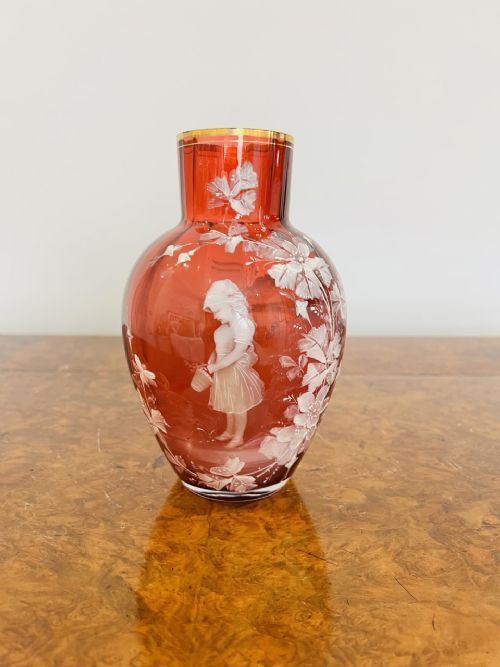
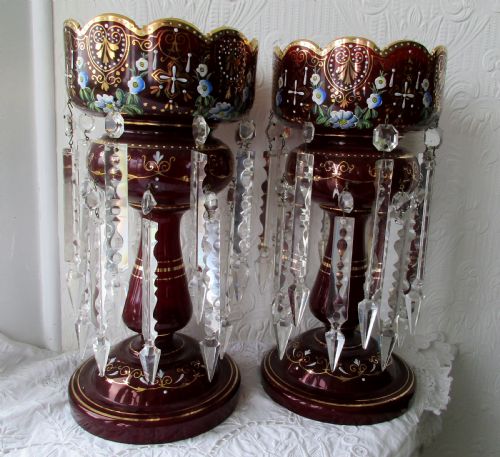
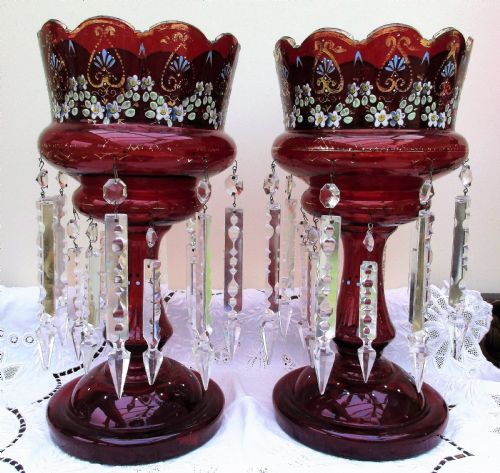
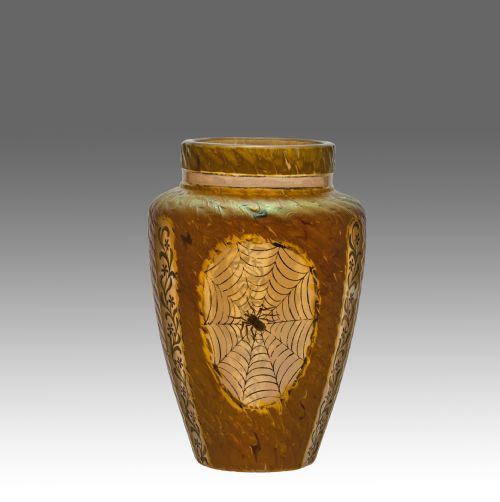
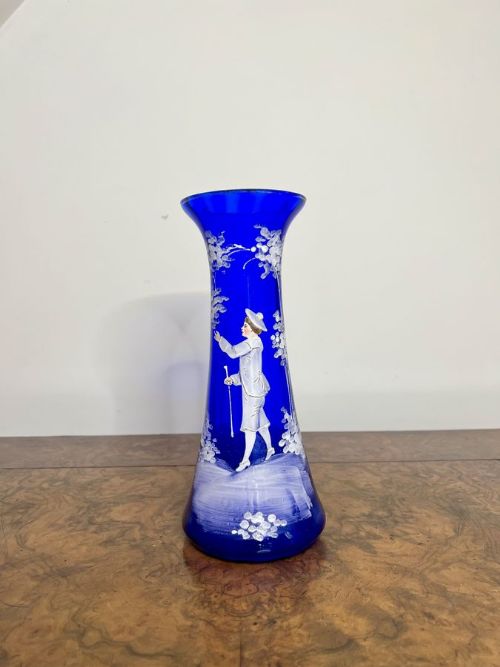
A painted glass vase is a decorative vessel featuring surface ornamentation in enamel, oil paint, or gilding applied over glass bodies. When searching for a painted glass vase, collectors frequently encounter Victorian pieces decorated with white enamel figures, alongside Bohemian and English examples from the nineteenth century.
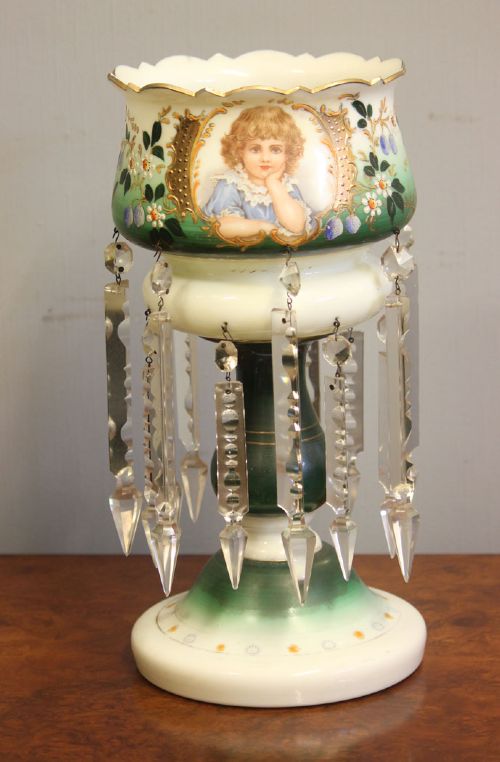
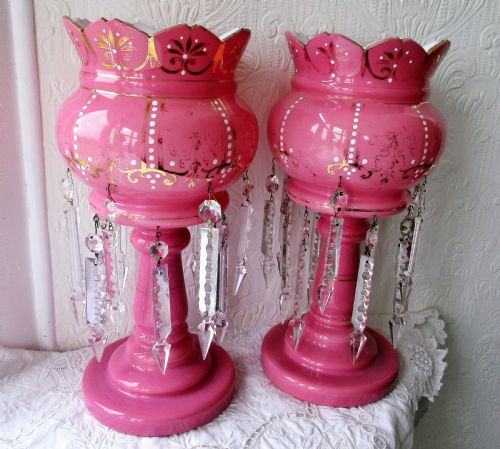
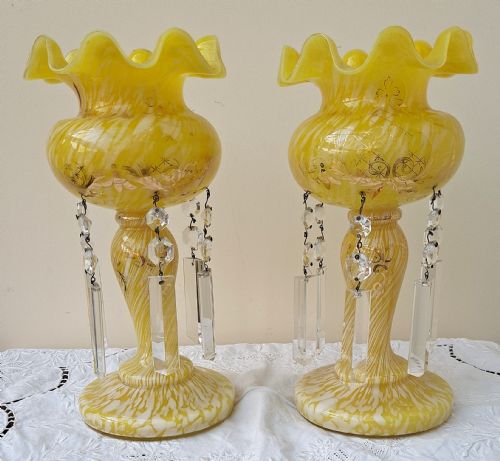
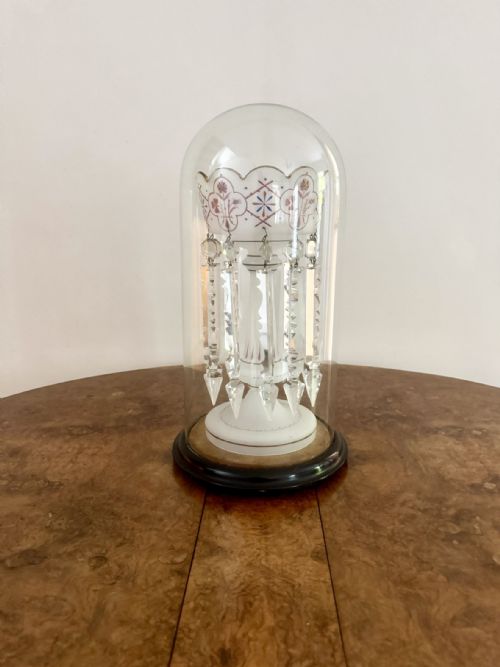
The selection includes tall mantle lustres, bulbous opaline vessels, and oviform shapes produced across the nineteenth and early twentieth centuries. Many survive in pairs, though single examples and garniture sets also appear among the green, ruby, cranberry, and blue glass bodies.
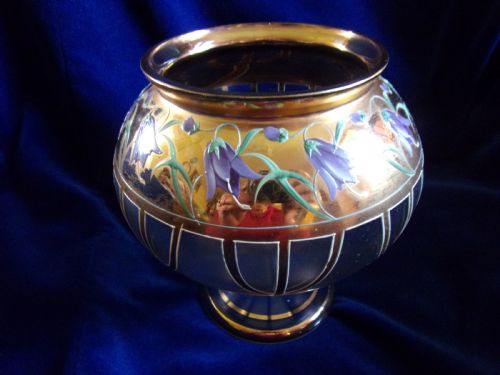
Makers and regional workshops from England, Bohemia, and France dominate the origin of these pieces. They serve as striking mantel ornaments or centrepieces, combining translucent or opaque glass grounds with intricate hand-painted floral, figurative, or landscape scenes.
How They Were Made
Glassmakers formed these vessels using hand-blowing techniques into moulds or free-blown shapes, utilising coloured, opaline, or crystal glass batches. Crafters then applied decorative elements such as gold leaf, gilt highlights, and layered casing known as overlay glass.
Surface decoration relied on oil paint, vitreous enamel, or decalcomania transfers, often fixed by low-temperature firing in a kiln. Artisans painted detailed subjects including fox hunting scenes, classical figures, winter landscapes, and botanical studies directly onto the glass surface.
Listings feature glass pieces spanning the Victorian era through the mid-twentieth century, utilising enamel, gold leaf, and oil paint.
What Varies in Quality
The physical weight of the glass body, the clarity of the coloured or opaline ground, and the structural integrity of applied lustres determine desirability. Pieces retaining original matching components, such as crystal pendant prisms on lustres, demonstrate superior preservation and craftsmanship.
Konstantin Stoitzner·Gaspar Peeter Verbruggen·William Edward Fox·Kralik Glass·Legras·Jean Francois Robert·Stuart Armfield·Jennifer Toombs
The Painted Glass Vase Glossary
- Opaline glass
- An opaque or translucent pale glass developed in the nineteenth century, often tinted in shades of blue, pink, or white to imitate porcelain.
- Lustre
- A decorative table ornament featuring a glass bowl hung with cut crystal glass prisms designed to reflect candle or daylight.
- Enamel
- A powdered glass paste applied to a glass vessel and fired at high temperatures to fuse permanent coloured designs onto the surface.
- Overlay glass
- A technique where a glass vessel is cased in one or more layers of different coloured glass, then partially cut away to reveal the contrasting base layer.
- Mary Gregory style
- A classification given to Victorian glass decorated with white enamel silhouettes of children amidst foliage, though often produced by various factories.
Painted Glass Vase: Frequently Asked Questions
How do I clean a painted glass vase?
Clean painted glass vessels gently using a dry microfibre cloth to remove dust from the exterior surface.
Avoid submerging pieces in water or using chemical cleaners, as moisture and harsh agents can lift delicate enamel work or gold leaf.
Were these vases used for holding water?
Many nineteenth-century examples functioned primarily as decorative mantel ornaments or paired garniture sets rather than functional flower containers.
Using them for water runs the risk of damaging interior paint layers or original gilding near the rim.
How can I identify Victorian pieces?
Look for characteristic Victorian colour palettes including ruby, cranberry, and opaline glass combined with hand-painted floral motifs or white enamel silhouettes.
Weight, pontil marks on the base, and traditional English or Bohemian forms also point towards nineteenth-century production.
What is the difference between an opaline vase and a lustre?
An opaline vase is a solid opaque glass vessel designed to stand alone as a decorative object on a shelf or table.
A lustre includes a matching base and bowl fitted with hanging crystal prisms that catch and refract ambient light.