



Painted Glass Panel
A painted glass panel brings colour and direct light into a room, combining fine detail with the rich texture of lead and timber.
What these pieces are
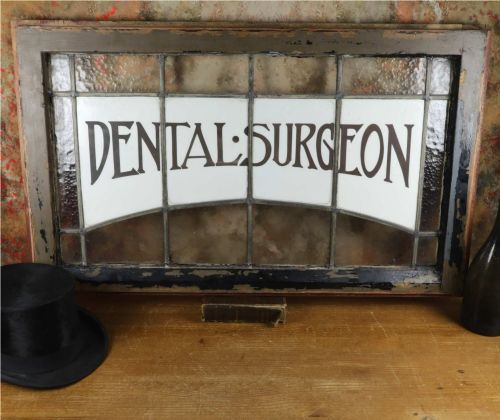
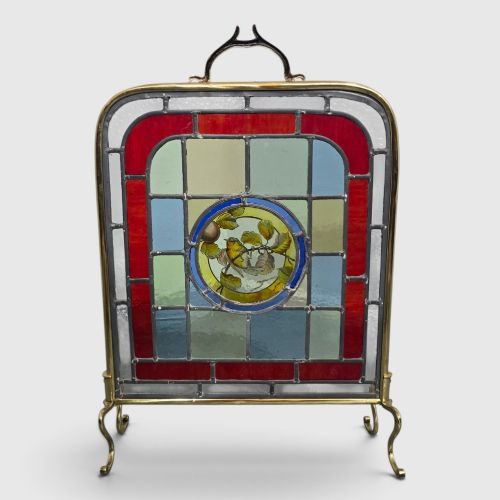
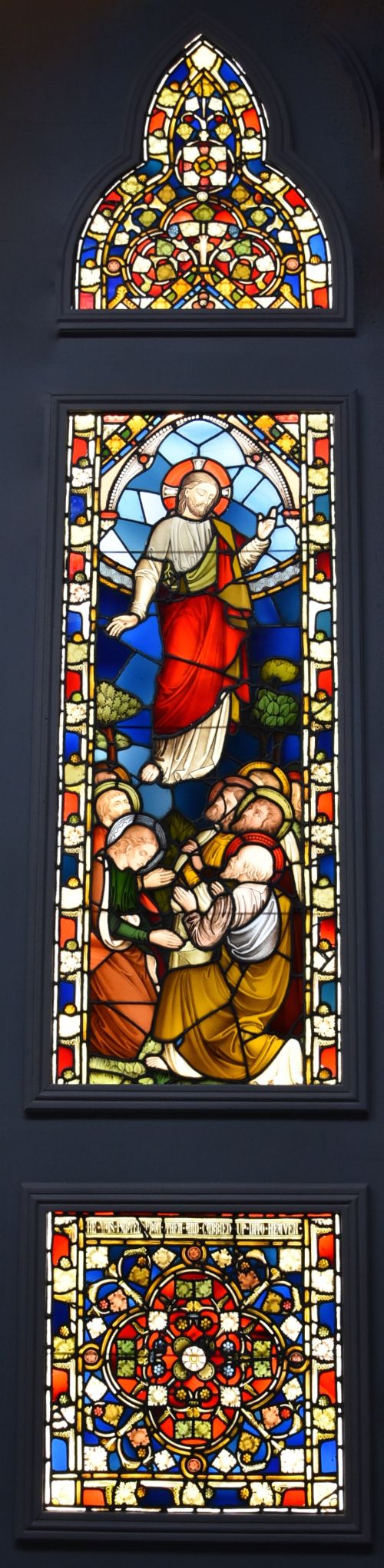
A painted glass panel captures decorative and architectural work from the Victorian, Edwardian, and Arts and Crafts periods. You will encounter architectural salvage, framed wall pieces, and complete windows adapted for interior display.
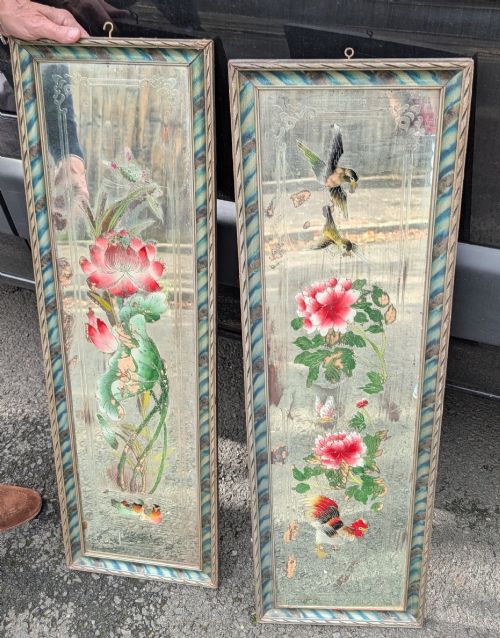
The selection ranges from early twentieth-century domestic glazing and practice windows to nineteenth-century floral compositions and figurative panels set within timber frames.
How they were made
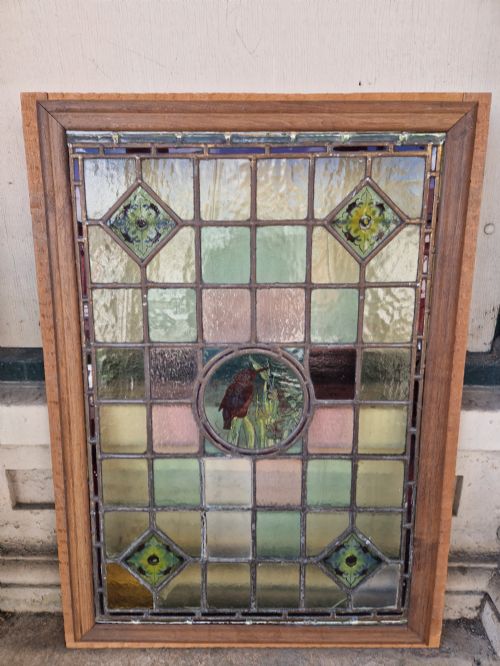
Makers constructed these panels using sheets of glass joined by lead caming, often housed within pine or gilt metal frames. Artisans applied enamel paint and etching techniques directly to the glass surface to render floral motifs, birds, and lettering.
Many examples incorporate decorative bullseyes and hand-painted details that interact dynamically with natural light passing through the glass.
Retail Price Guide 2026
Typical UK retail prices for painted glass panel, calculated from the Sellingantiques database of over a million retail prices indexed since 2003. This retail price guide relies exclusively on Sellingantiques data; no external sources or auction records are used, so the figures do not describe the wider market.
The site listings feature materials including glass, wood, lead, paint, and enamel paint across Victorian, Edwardian, and Arts and Crafts styles.
What varies in quality
Quality rests upon the precision of the brushwork and the complexity of the painted or etched design. Finer examples display meticulous detail in pictorial elements such as birds, swags, and professional lettering.
The integrity of the lead structure and the preservation of the original enamel paint further distinguish standard architectural salvage from exceptional decorative panels.
The Painted Glass Panel Glossary
- Lead caming
- The flexible lead strips used to hold individual pieces of glass together within a window or panel. This network forms the structural lines of the design.
- Bullseye
- A small, circular centrepiece of blown glass featuring a prominent pontil scar in the middle. These appear frequently in early glazing.
- Enamel paint
- A rigid, glossy paint fused or applied to glass surfaces to hold colour permanently against light. It permits fine pictorial work.
- Architectural salvage
- Building elements rescued from older properties for reuse or display. This category includes doors, windows, and mounted panels.
Frequently Asked Questions
Are these panels from original buildings?
Many pieces originate as architectural salvage from Victorian and Edwardian properties, including domestic homes and commercial premises.
They are carefully removed and often framed to serve as standalone decorative wall art.
How do I clean painted glass?
Wipe the glass gently with a soft microfibre cloth and a mild, ammonia-free cleaning solution.
Avoid spraying liquid directly onto the painted surface or the lead caming to prevent moisture seeping underneath.
Can these panels be used in exterior doors?
While many started life as exterior or interior architectural glazing, panels mounted in lighter decorative frames are generally suited for interior display.
Examine the frame construction to determine if it withstands external weather conditions.