
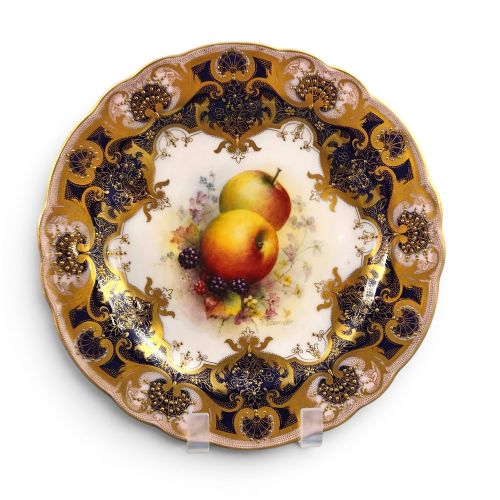
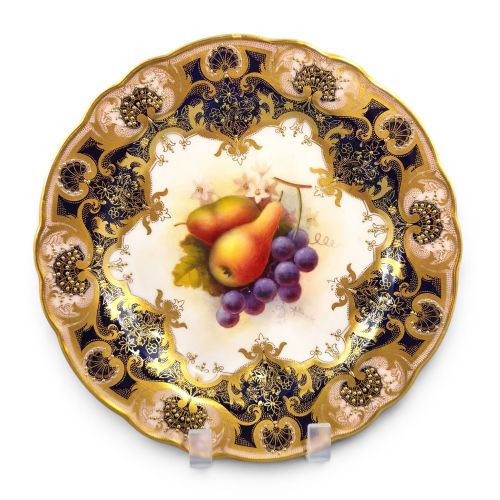
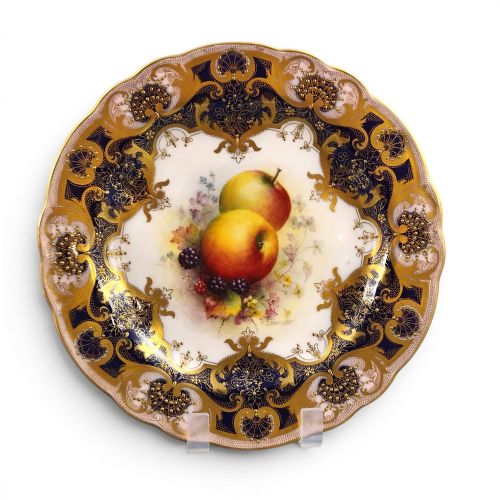
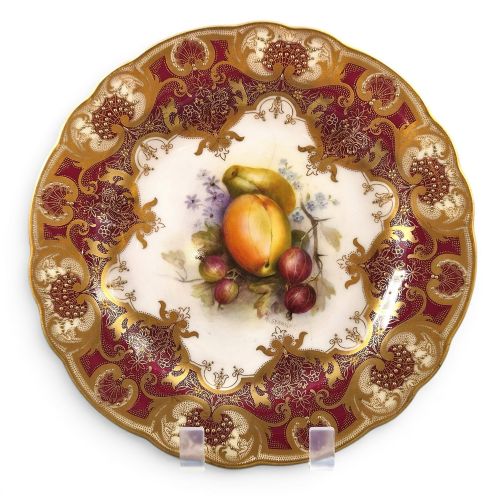
Painted Fruit Cabinet Plate
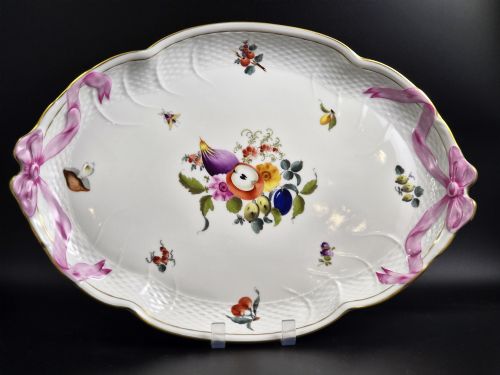
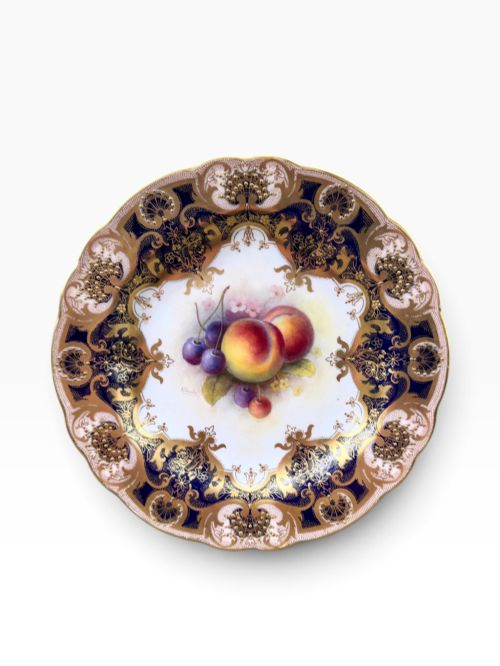
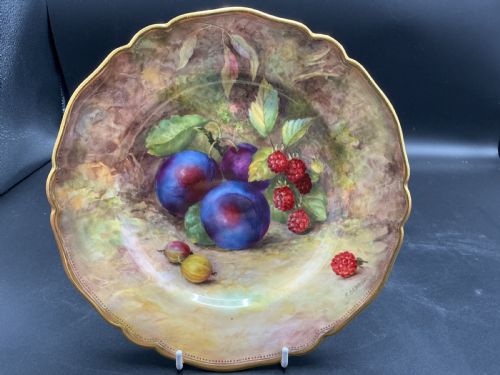
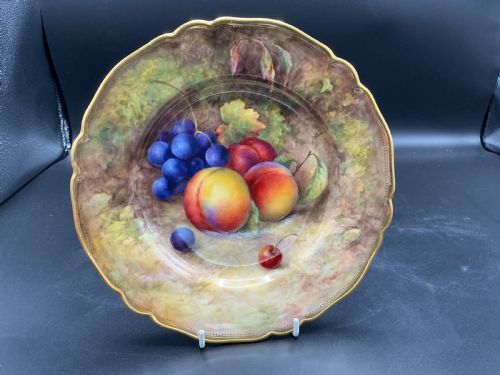
These painted fruit cabinet plates combine fine porcelain with meticulous hand-painted detail, offering a touch of traditional elegance to any room.
Painted Fruit Cabinet Plate
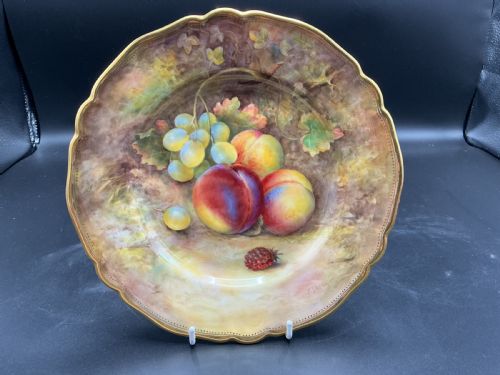
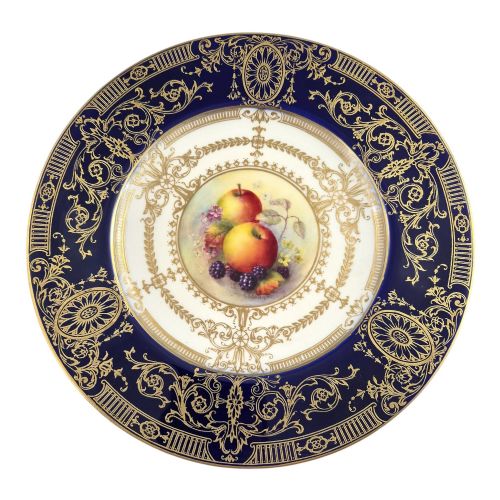
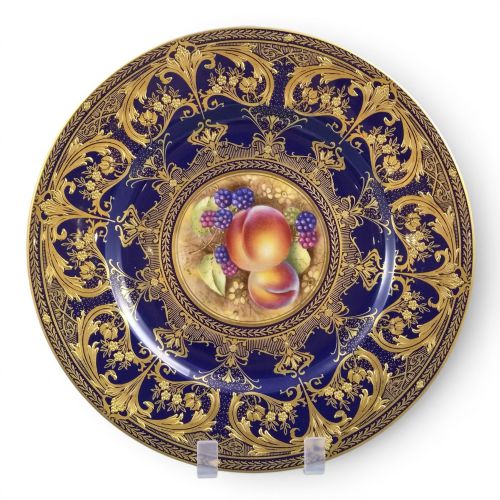
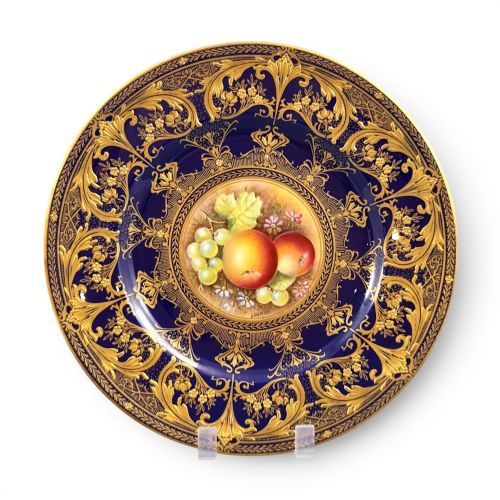
A painted fruit cabinet plate is a decorative ceramic piece designed primarily for display rather than dining. The form appears frequently from the eighteenth century through to the mid-twentieth century, with many examples originating from English potteries like Royal Worcester.
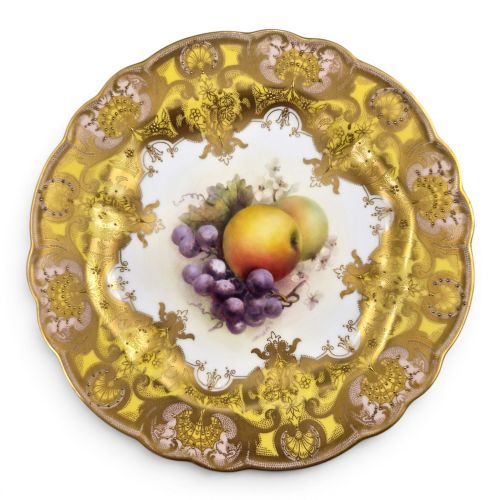
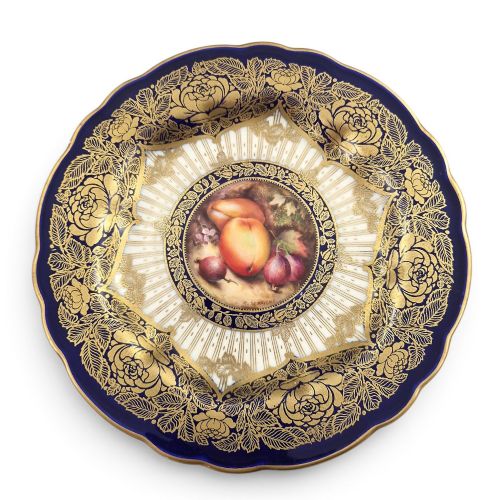
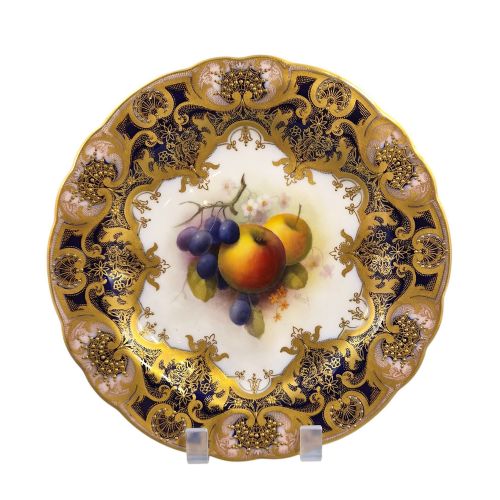
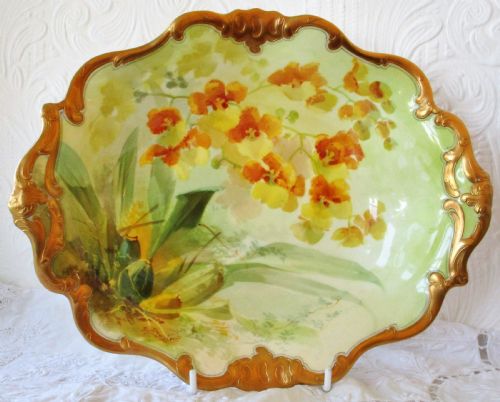
Most items on this page take the form of round cabinet plates or dessert plates featuring detailed fruit motifs at the centre. Variations include rope edge plates, large plates, and occasional dishes decorated by notable hand painters.
The selection ranges from early Georgian and eighteenth-century porcelain to Edwardian and mid-century pieces. Buyers encounter various decorative borders, ranging from plain porcelain to heavy gilding and gilt enamel highlights.
Materials and methods of production
Makers utilised high-grade porcelain, bone china, and ironstone as the foundation for these items. Artists applied fine enamel paints by hand to render realistic depictions of fruit, often working on glazed surfaces.
Gilding and gold leaf were commonly applied to the rims and borders to frame the central painted scene. Kiln firing fixed the pigments and metallic finishes, resulting in durable glossy surfaces.
Painted Fruit Cabinet Plate Retail Price Guide 2026
Typical asking prices for painted fruit cabinet plate among the pieces listed under this phrase on Sellingantiques today, from the lower quarter to the upper quarter. They describe what is for sale here now, not the wider market.
Standard forms include cabinet plates, dessert plates, saucers, and rope edge trays decorated with hand-painted fruit scenes.
Distinctions in quality and execution
The standard of the hand-painted fruit centre sets individual pieces apart, as work by known artists commands greater recognition. Precision in the brushwork, natural colour blending, and botanical accuracy indicate superior craftsmanship.
The application of gold leaf and the intricacy of moulded borders, such as rope edges or shell piercings, influence the overall presentation. Earlier eighteenth-century bodies and named factory productions often show distinctive artistic provenance.
Royal Worcester·Royal Doulton·Derby Porcelain·H and R Daniel·Kornilov Brothers·Masons Ironstone
The Painted Fruit Cabinet Plate Glossary
- Cabinet plate
- A decorative ceramic plate intended for display in a cabinet or on a wall rather than for practical table use. These pieces usually feature elaborate painted scenes.
- Bone china
- A type of soft-paste porcelain containing bone ash, known for high strength, chip resistance, and a milky translucent appearance. It provides a smooth white background for enamel painting.
- Gilding
- The application of gold leaf or powdered gold to the surface of ceramics, typically highlighting rims and borders. This technique adds reflective contrast to the painted fruit motifs.
- Enamel
- A glass-like substance fused to the porcelain body during firing to provide vibrant colours. Artists use enamel paints for detailed pictorial work.
- Ironstone
- A heavy, durable earthenware developed in the nineteenth century as a robust alternative to porcelain. It offers a solid base for decorative painting.
Painted Fruit Cabinet Plate: Frequently Asked Questions
What is a painted fruit cabinet plate?
A painted fruit cabinet plate is a decorative ceramic dish featuring a hand-painted fruit motif at the centre. These items were made for display rather than daily dining.
They appear in various styles from the eighteenth century onwards, with many twentieth-century examples produced by English potteries.
How were these plates used?
These pieces served primarily as decorative items for display in cabinets, on sideboards, or mounted on walls. Some specific forms functioned as dessert plates or serving trays for formal dining.
Their delicate painted surfaces meant they saw limited practical use, preserving the artwork.
How do I identify the period?
Period identification relies on maker marks, ceramic body composition, and stylistic clues like rope edges or elaborate gilding. Eighteenth-century pieces differ noticeably in weight and glaze from Edwardian or mid-century items.
Signatures from known artists also help narrow down the production decade.
How should I display them?
Cabinet plates fit well in enclosed glass display cabinets or mounted securely on walls using appropriate plate hangers. Direct sunlight should be avoided to protect the enamel colours.
Grouping plates with similar borders or complementary fruit subjects creates a cohesive wall display.