


Painted French Doors
Painted french doors bring architectural character and light into a room, offering functional division with historic charm.
Painted French Doors
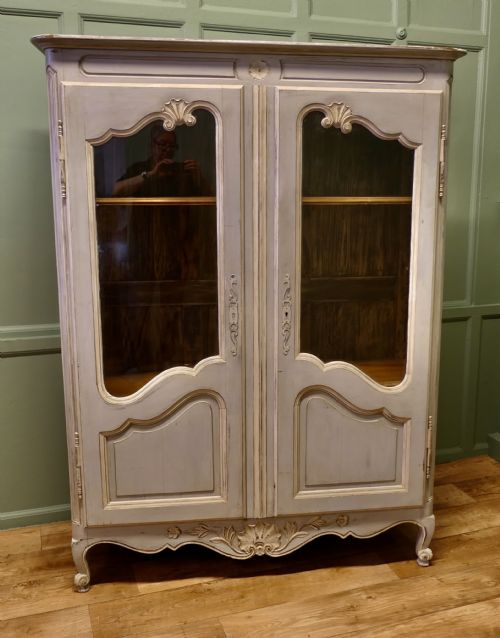
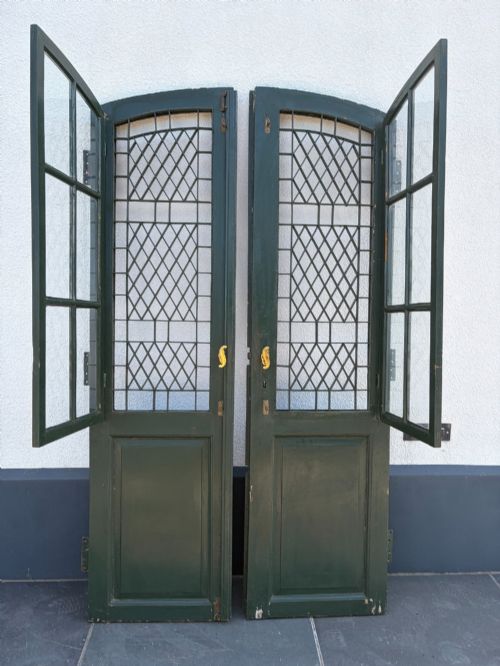
When you search for painted french doors, you encounter architectural salvage and historic joinery designed to connect interior spaces or open onto gardens. The pieces available include pairs of wooden doors dating from the eighteenth century through to the early twentieth century, alongside related architectural elements like overdoor panels and shutters. These items carry the marks of their continental origins, spanning styles from rustic provincial work to refined chateau and neoclassical aesthetics.
How they were made
Joinery methods rely on traditional mortise and tenon construction, allowing heavy timber frames to support large expanses of glass and wood over centuries. Craftsmen utilised dense hardwoods such as oak and walnut alongside versatile softwoods like pine, shaping panels with hand-carved mouldings and applied ornamentation. Structural integrity often depended on iron or brass hardware, including hinges, latches, and decorative push plates.
Surface finishes involved multiple layers of lead- or oil-based paints applied directly to the bare timber. Over generations, these coatings accumulated a complex patina through repeated application and wear. Glazing, where present, utilised hand-blown or cylinder glass secured with traditional putty or wooden glazing beads.
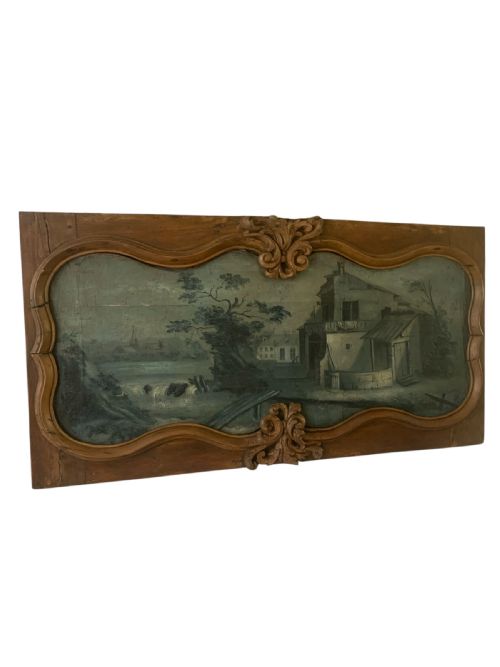
The listings demonstrate a strong presence of nineteenth-century French pine and oak pieces, alongside eighteenth-century architectural panels.
What varies in quality
Quality rests primarily in the original joinery and the integrity of the timber frame. Superior examples display crisp hand-carved detailing, balanced proportions, and timber that has remained stable without excessive warping or rot. The sophistication of the hardware, from heavy brass detailing to forged iron hinges, further distinguishes higher-grade architectural elements.
The character of the surface finish plays a significant role in the overall appeal. Pieces retaining original or early layered paint schemes hold greater visual depth than those stripped down or aggressively repainted in modern finishes. The survival of period glass panes and matching structural pairs also elevates the standing of any installation.
Raymond Subes·Melissa White
The Painted French Doors Glossary
- Architectural salvage
- Building components rescued from demolition or renovation for reuse in new settings. These items preserve historic craftsmanship and materials.
- Mortise and tenon
- A traditional woodworking joint where a projecting tongue fits snugly into a matching cavity. This method provides robust structural connection for doors and frames.
- Enfilade
- A suite of reception rooms formally aligned with doorways in a straight line. The term also describes long sideboards or cabinets designed to furnish such spaces.
- Pelmet
- A decorative framework placed above a doorway or window to conceal fixtures. They often feature hand-carved wood matching the decorative style of the accompanying joinery.
- Glazing
- The installation of glass panes within a wooden frame. Historic pieces typically feature glass with subtle surface irregularities and air bubbles.
Painted French Doors: Frequently Asked Questions
How do I install antique french doors?
Installation requires a skilled joiner to adjust the historic timber frames to modern openings while preserving the original plumb and square. Because older wood shifts with humidity, professional fitting ensures the heavy panels hang correctly without binding.
Hardware placement must also be carefully considered to support the weight of the doors safely. Existing hinges and latches should be serviced rather than replaced whenever possible to maintain historical continuity.
Can I use interior doors outside?
Most antique painted french doors were designed for interior use between rooms or as partitions rather than exterior weather barriers. Exposing historic softwoods and old paint layers to direct rain and sunlight will accelerate deterioration.
If utilised in sheltered outdoor settings or garden rooms, appropriate weatherproofing and protective coatings are necessary. Regular maintenance is essential to prevent moisture ingress into the aged timber joints.
How do I care for historic paint?
Preserving old paint surfaces involves gentle dusting with a dry microfibre cloth and avoiding harsh chemical cleaners. Moisture should be kept to a minimum during routine cleaning to prevent lifting or softening the historic finish.
Where flaking occurs, professional conservation rather than complete repainting helps retain the authentic patina. Keeping the doors away from direct heat sources also protects the fragile underlying layers from cracking.
How do I date these doors?
Dating relies on examining construction techniques, tool marks left by woodworkers, and the composition of the timber and hardware. Hand-forged iron nails and pegged joints generally point towards earlier eighteenth-century production.
Stylistic cues such as moulding profiles and the nature of the paint layers further narrow down the era. Comparing the piece to documented examples from specific periods helps confirm its age.