
Painted Display Cabinet with Glass
A painted display cabinet with glass combines glazed visibility with decorative surface work, offering collectors a refined way to exhibit objects.
Painted Display Cabinet with Glass
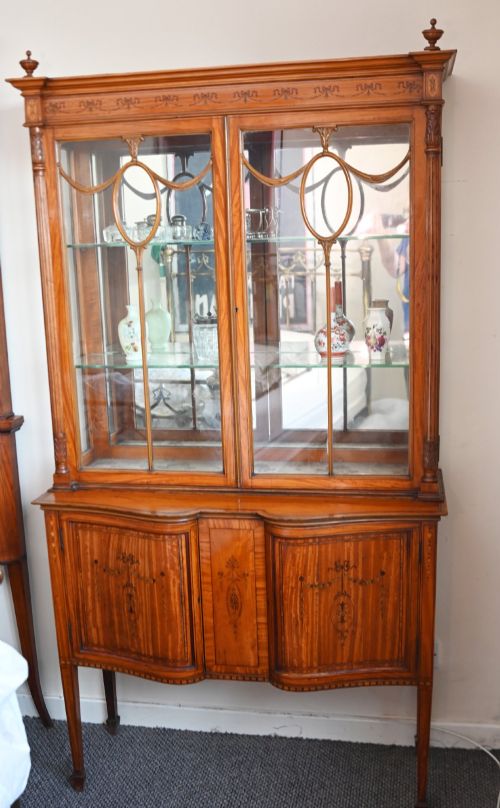
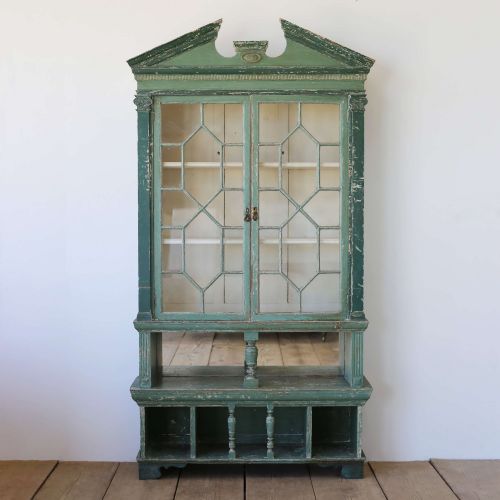
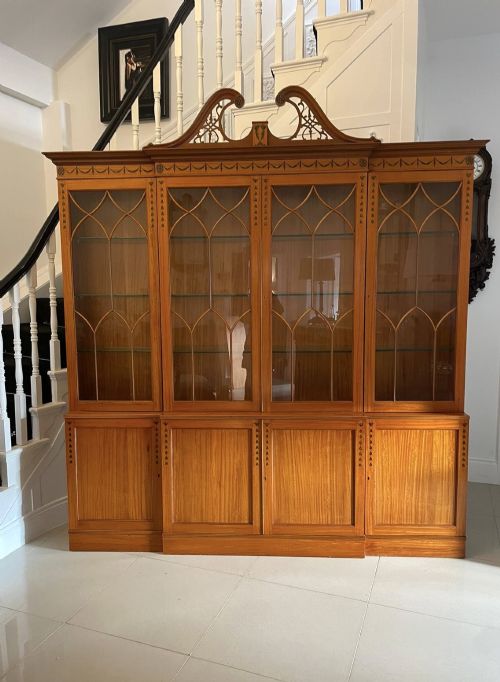
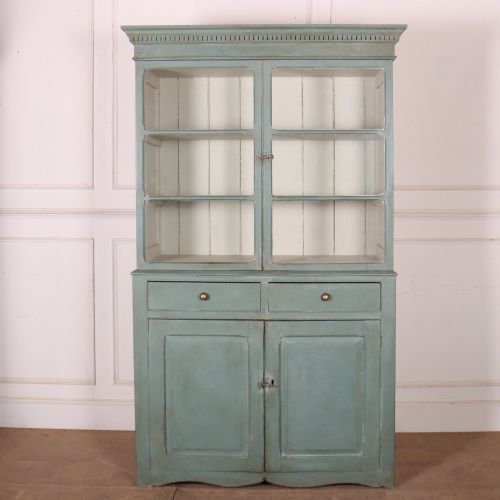
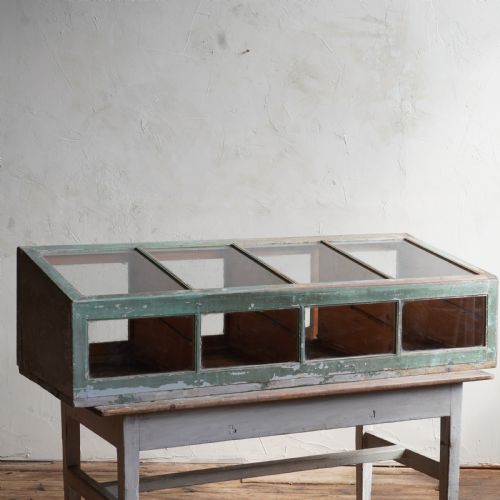
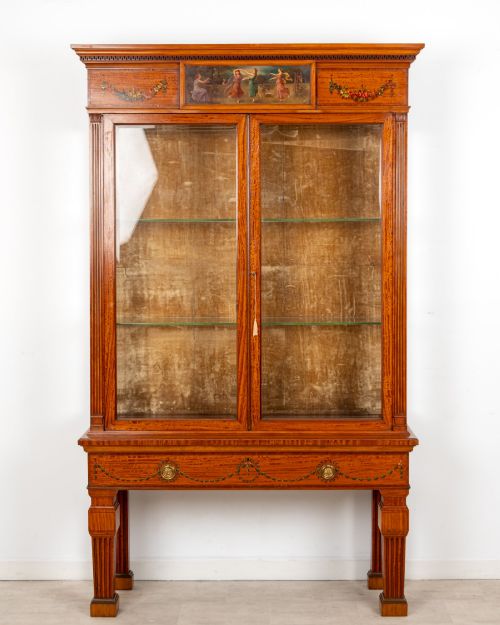
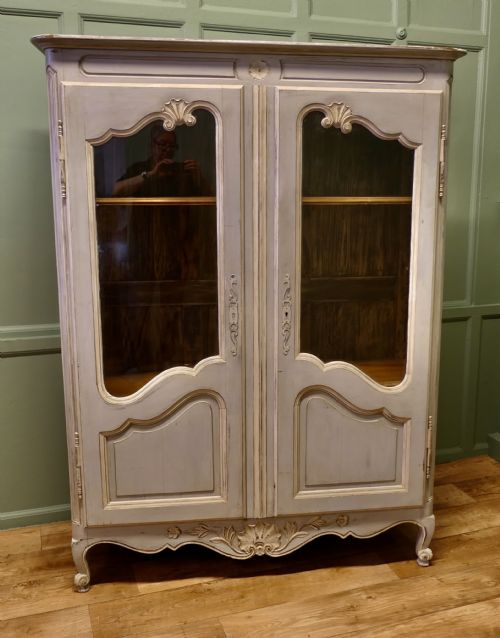
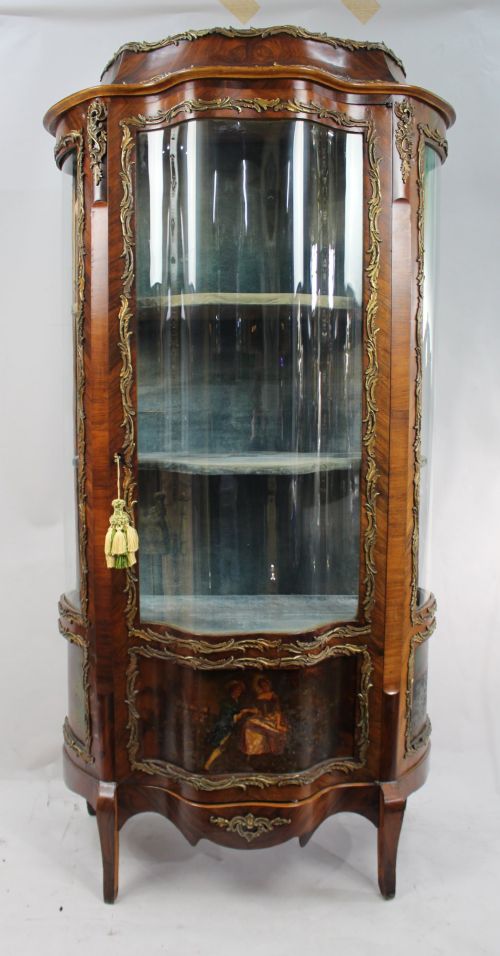
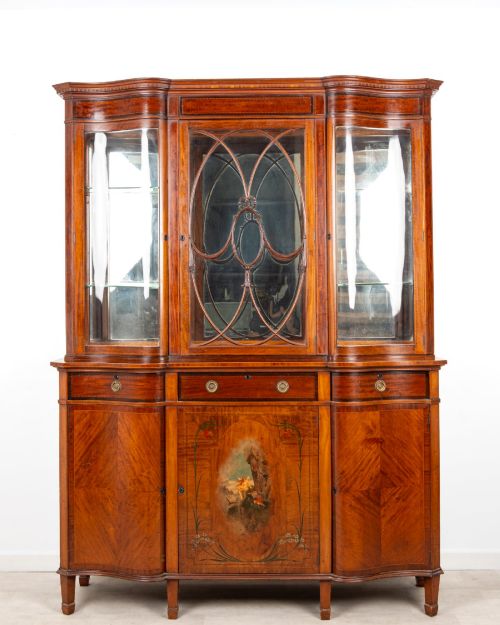
A painted display cabinet with glass encompasses several distinct forms, ranging from substantial breakfront bookcases and vitrines to kitchen furniture and low bijouterie tables. The examples available here span the nineteenth century into the early twentieth century, taking in Victorian, Edwardian, and various revivalist aesthetics.
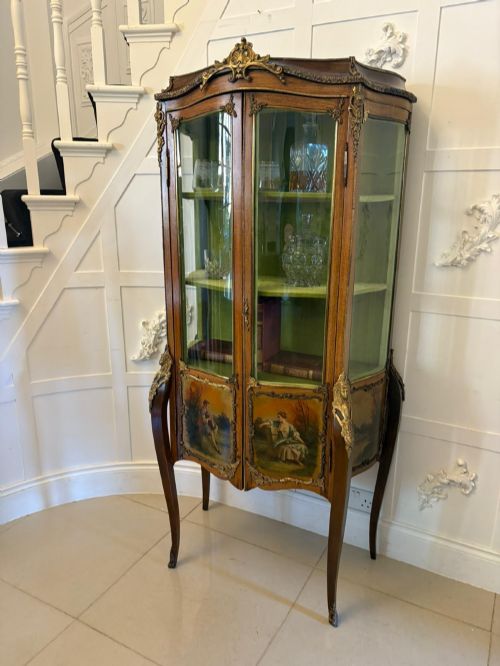
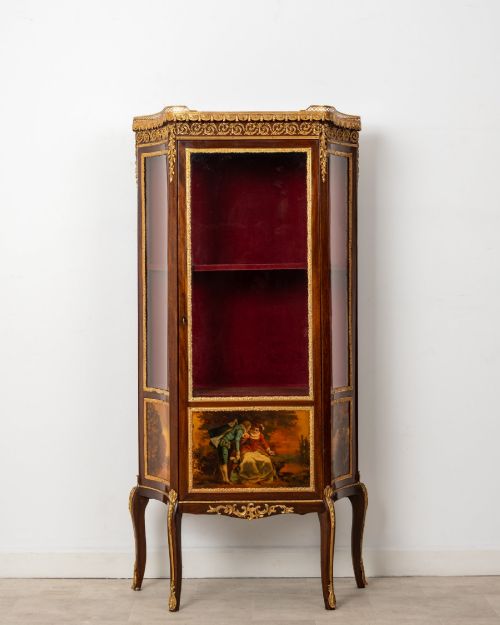
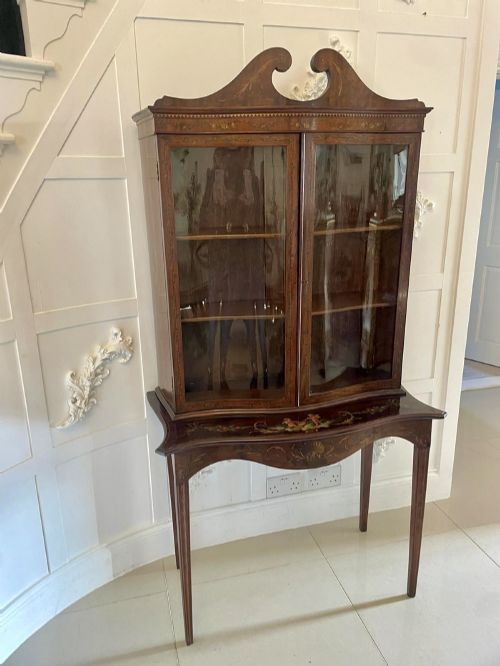
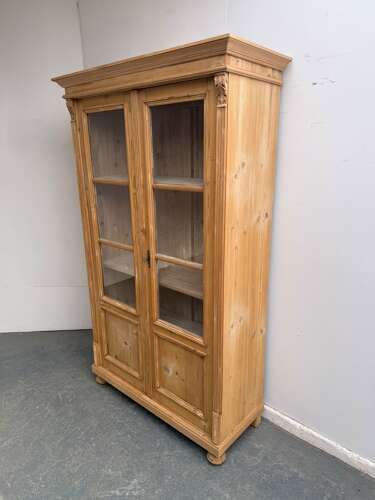
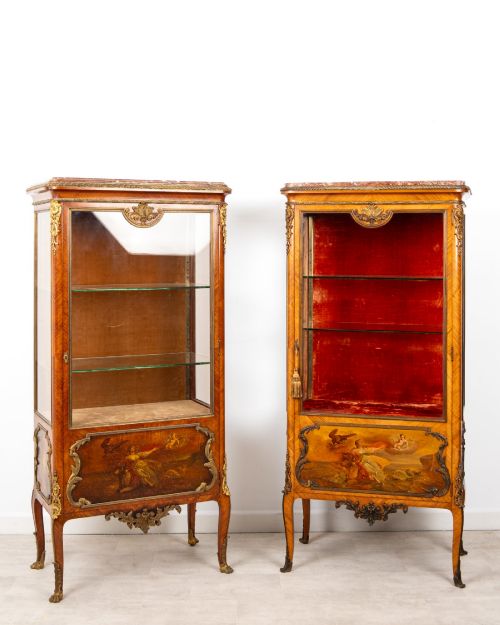
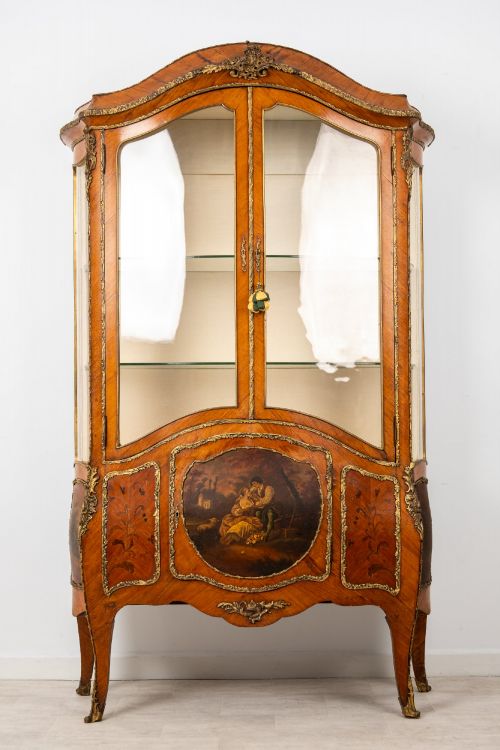
French pieces often appear with kingwood veneers, marble tops, and ormolu mounts alongside painted panels, whilst British examples favour satinwood, mahogany, and pine with original painted decoration or black paint. Regional variations also surface, including Scottish country pieces and English country house furniture.
Buyers will encounter both tall multi-shelf bookcases and specialised display cabinets designed specifically for curated collections. The integration of glass panels and glazed doors defines the category, permitting clear sightlines into the interior.
Materials and construction
Makers utilised a foundation of hardwoods such as mahogany, kingwood, and satinwood, alongside pine for secondary timbers and regional pieces. Ormolu and gilt bronze mounts frequently decorate French vitrines, while marble provides durable surfaces for the tops of cabinets.
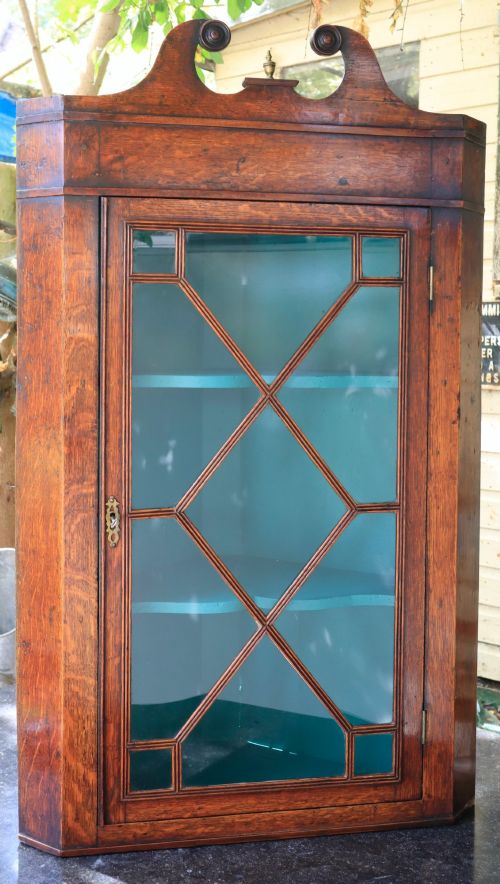
Glazing techniques vary from standard panes to astral glazing bars that divide the glass into geometric sections. Surface decoration relies on original painted detailing, floral motifs, and Vernis Martin panels executed in imitation of traditional lacquerwork.
The listings here include materials ranging from marble and ormolu to satinwood and mahogany across multiple decades.
Assessing quality
The refinement of the painted decoration largely dictates the distinction between standard items and superior examples, particularly where floral motifs or figurative panels are present. Original surface treatments hold greater merit than later alterations or overpainting.
The integration of bronze or ormolu mounts and the selection of cabinet timbers such as figured kingwood or satinwood separate standard production from exceptional pieces. Structural execution, including the presence of adjustable shelving and sound glazing bars, further defines the standard.
The Painted Display Cabinet with Glass Glossary
- Vitrine
- A glass-fronted cabinet designed for displaying fine objects or curiosities. These pieces often feature glass on multiple sides to maximise visibility.
- Ormolu
- Gilded bronze applied as decorative mounts on furniture. This technique was favoured by cabinetmakers working in French revival styles.
- Vernis Martin
- A simulated lacquer finish developed in eighteenth-century France and replicated in later revival pieces. It employs translucent varnishes over painted decoration.
- Breakfront
- A piece of furniture whose central section projects forward from the flanking wings. This architectural arrangement creates depth and visual balance.
- Astral glazing
- Thin wooden bars that hold small panes of glass within a door or window frame. They create an orderly geometric pattern across the front of a cabinet.
Painted Display Cabinet with Glass: Frequently Asked Questions
How do I clean the glass safely?
Use a mild, non-ammonia glass cleaner applied to a soft cloth rather than directly onto the surface. This prevents moisture from seeping into the wooden frames or painted decoration.
Take care around delicate ormolu mounts and painted panels during maintenance. Gentle dusting with a dry microfiber cloth is usually sufficient for regular upkeep.
Where should I place a cabinet?
Position these cabinets away from direct sunlight to protect the painted decoration and timber finishes from fading. Stable room temperatures prevent the wood and glue joints from drying out.
Allow adequate clearance around doors and ensure the floor is level so the glazed doors hang correctly. Heavy marble tops require solid floor support.
Can I adjust the interior shelves?
Many nineteenth and twentieth-century cabinets feature adjustable shelving supported by rack-and-pinion or traditional wooden supports. This allows you to alter the interior layout for different sized objects.
Check the specific construction of each interior before attempting to move shelves. Older cabinets may have fixed wooden framing depending on the original cabinetmaker's design.