


Painted Corner Cabinet
A painted corner cabinet turns neglected room angles into display space with decorative brushwork.
Painted Corner Cabinet
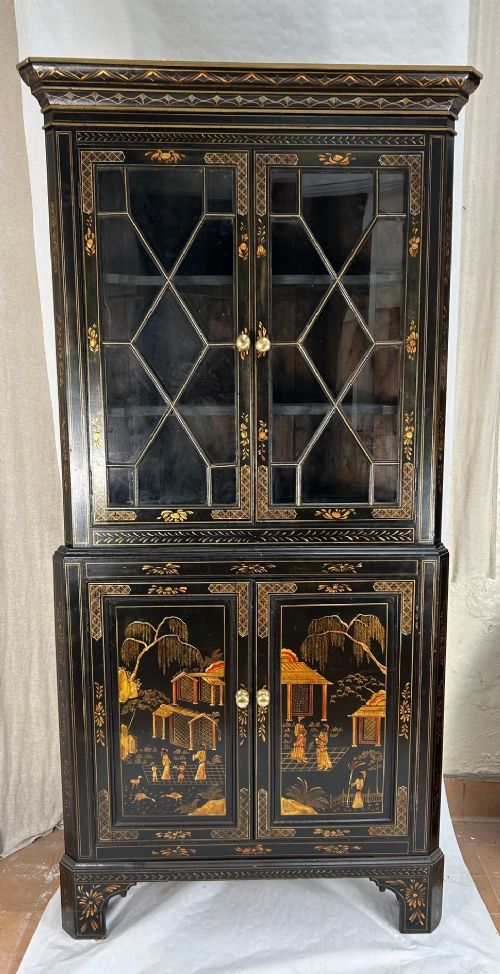
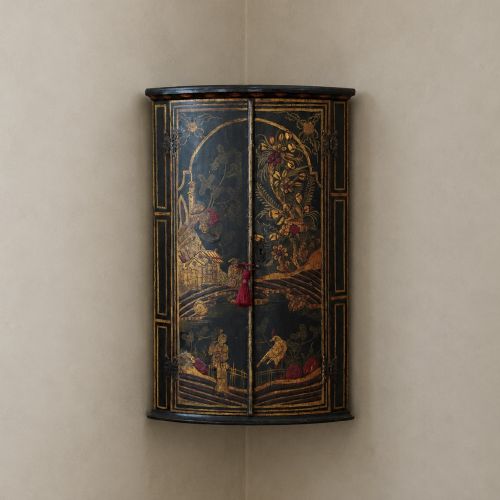
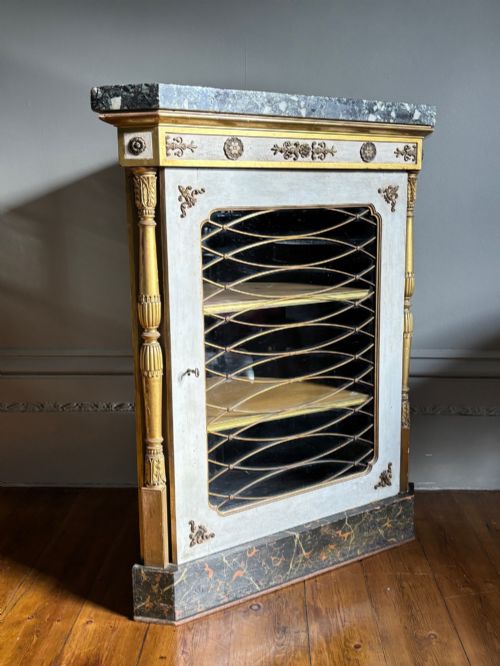
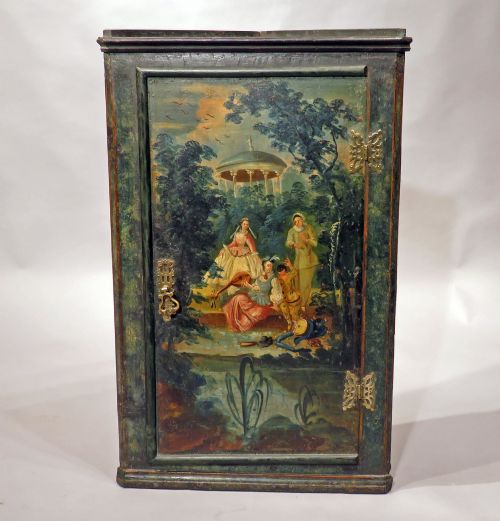
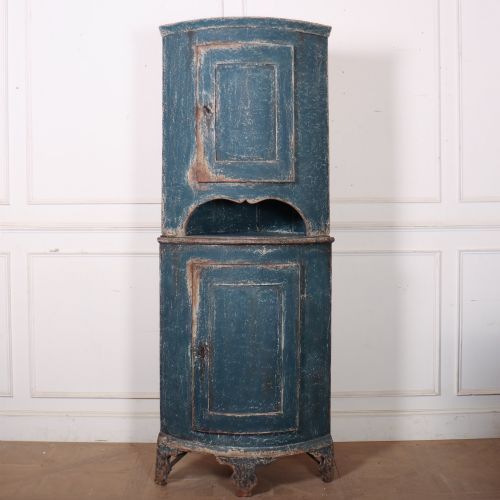
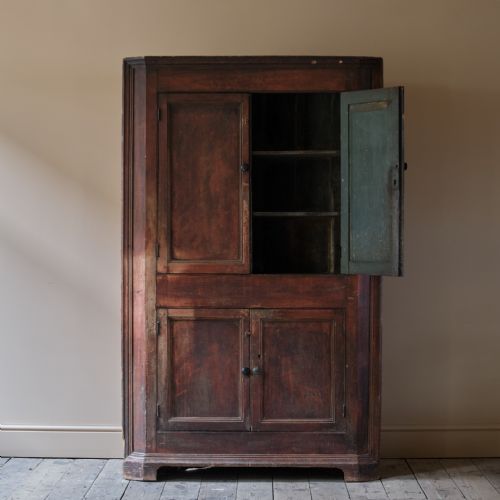
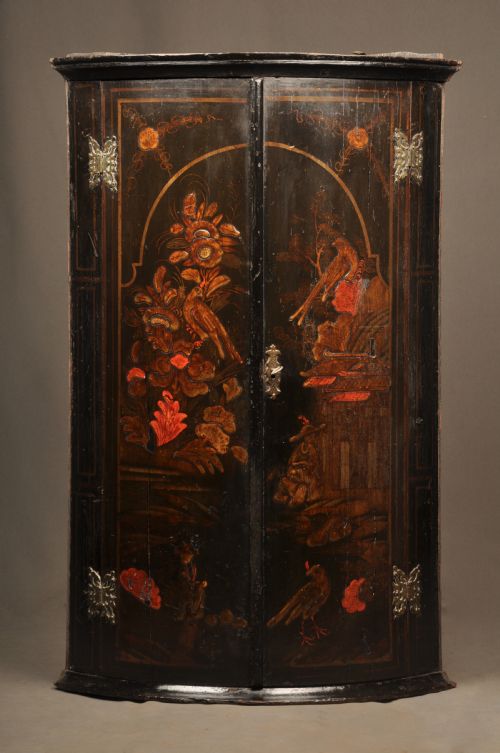
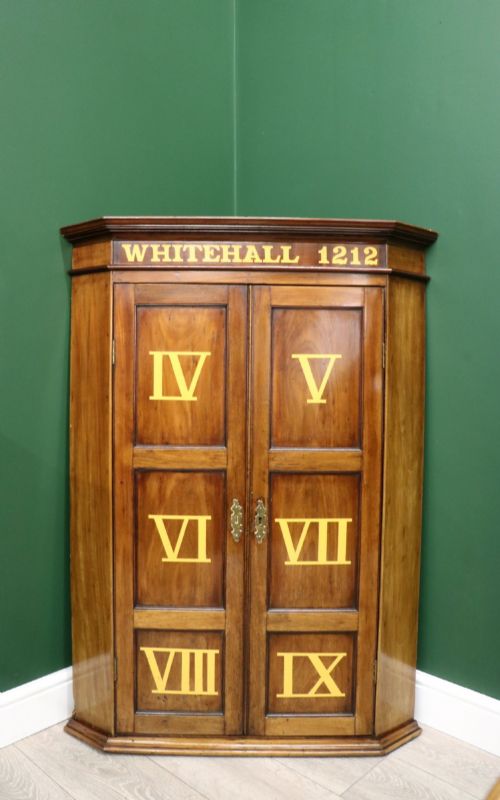
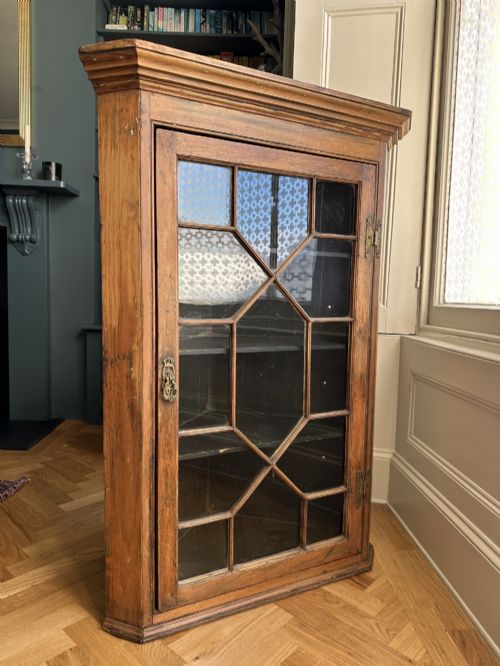
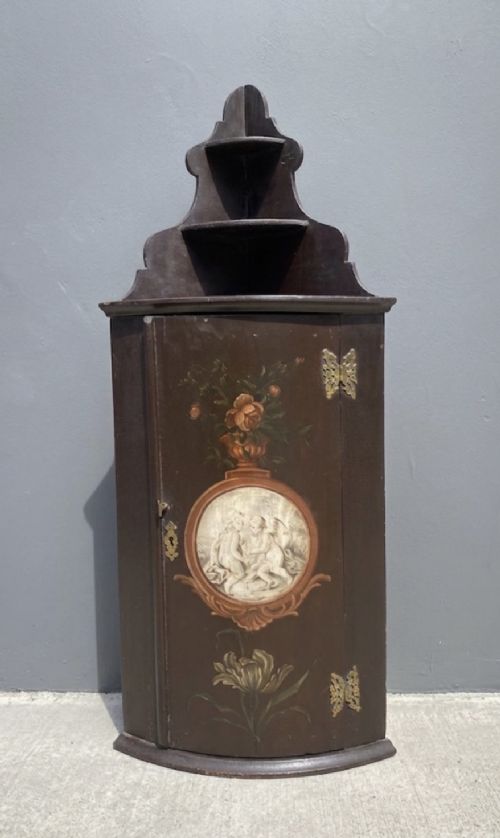
A painted corner cabinet turns neglected angles in a room into functional storage or display. When searching for a painted corner cabinet, buyers encounter wall-hanging models, standing two-part units and bow-fronted designs.
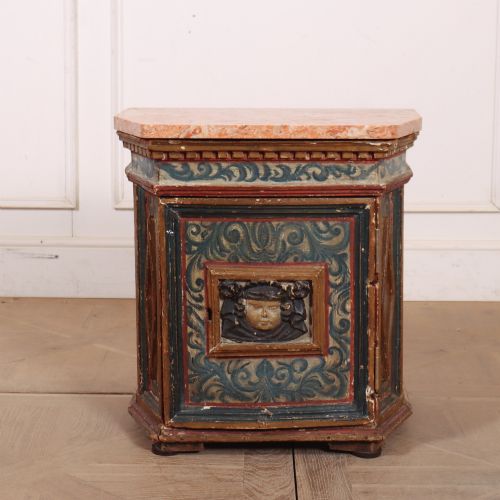
The selections span the eighteenth and nineteenth centuries, alongside Edwardian and later interpretations. Georgian and Regency pieces appear frequently, sitting alongside Scandinavian country pieces and Italian works.
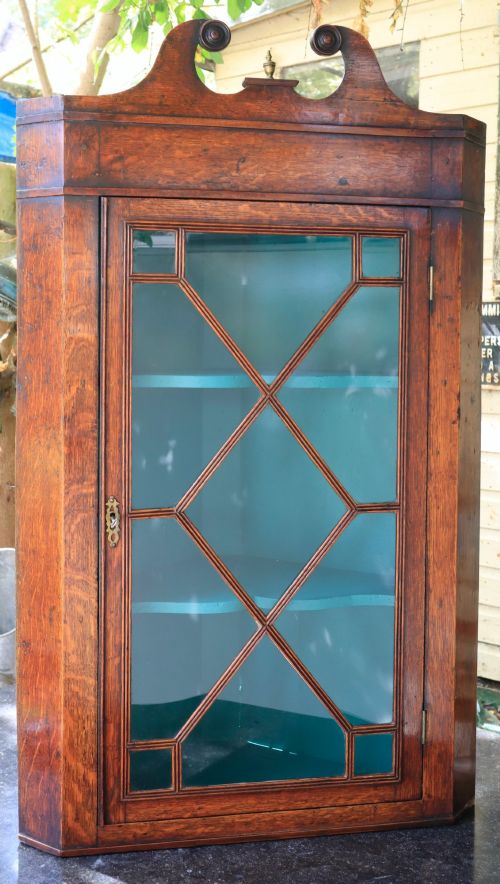
Many examples utilise pine as a base timber, while others employ mahogany, satinwood or oak beneath surface decoration. Buyers find both single door cupboards and glazed vitrines designed to fit snug against intersecting walls.
Materials and construction
Makers constructed these carcasses primarily from pine or hardwoods, joining timber to form rigid triangular footprints suitable for wall mounting or floor standing. Glazed doors or solid timber panels protect the interior shelving.
Surfaces received layers of paint, lacquer or japanning, sometimes decorated with gilt highlights or polychrome motifs. Artisans applied hand-painted Chinoiserie scenes, floral patterns or faux finishes like tortoiseshell directly onto the prepared wood.
Painted Corner Cabinet Retail Price Guide 2026
Typical asking prices for painted corner cabinet among the pieces listed under this phrase on Sellingantiques today, from the lower quarter to the upper quarter. They describe what is for sale here now, not the wider market.
One tiny miniature cabinet measures under hand size, proving that grand corner architecture scales down successfully.
Craftsmanship and finish
Quality rests in the preservation of the original decorative surface and the precision of the cabinetwork. Pieces retaining untouched early paint layers or detailed hand-painted Chinoiserie demonstrate superior artistic investment.
Structural integrity of the corner mitres, original brass hinges and undisturbed interior shelving separate basic utility cupboards from finer salon furniture. The crispness of bow-front profiles and the depth of lacquer work dictate the standing of individual examples.
The Painted Corner Cabinet Glossary
- Japanning
- A European imitation of East London and Asian lacquer work using heat-cured varnishes. It creates a dark, glossy surface often decorated with raised gilt figures.
- Chinoiserie
- European artistic interpretations of Chinese and East Asian motifs. These designs appear on painted furniture through imaginative landscapes and figures.
- Vitrine
- A glass-fronted cabinet designed for displaying porcelain or small objects. They protect delicate contents while allowing light to pass through.
- Bow front
- A convex, outward-curving front section on a cabinet. This shape softens the angular geometry typical of corner furniture.
- Polychrome
- Decoration utilising multiple distinct colours painted onto a surface. It appears on folk art and formal pieces alike.
Painted Corner Cabinet: Frequently Asked Questions
Where should I place a corner cabinet?
These pieces fit directly into ninety-degree room intersections to utilise dead architectural space. Hanging versions mount directly to wall studs, while standing models anchor to the floor.
Position them in dining rooms for glassware or in hallways to display small collections without obstructing floor space.
How do I care for antique painted surfaces?
Keep painted furniture away from direct sunlight and heat sources to prevent the wood and surface decoration from drying out. Dust gently with a dry, soft cloth.
Avoid chemical cleaners, moisture or silicone polishes that soften historical paint and lacquer finishes.
How can I tell a Georgian piece from a later one?
Georgian examples typically feature hand-cut dovetail joints, native timber carcases like oak or pine, and subtle signs of age in the paint layers. Later nineteenth-century or Edwardian revivals often show machine-sawn elements and different secondary woods.
Stylistic cues such as Regency neoclassical lines or Victorian proportions also help indicate the correct manufacturing period.