


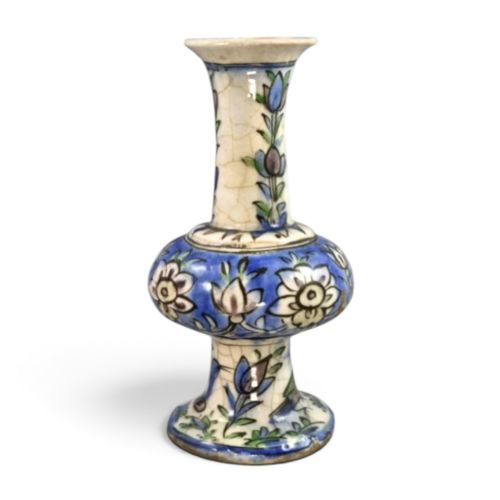
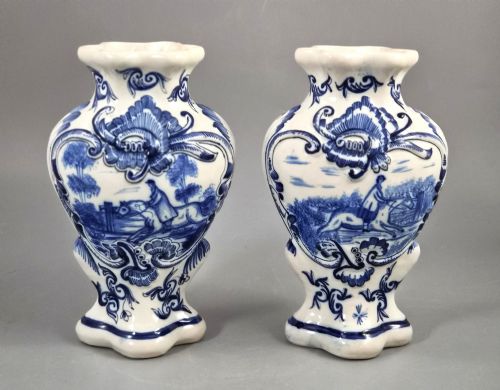
Painted Ceramic Vase
When you choose a painted ceramic vase, you select a vessel that combines ceramic form with detailed hand painting across several centuries of global design.
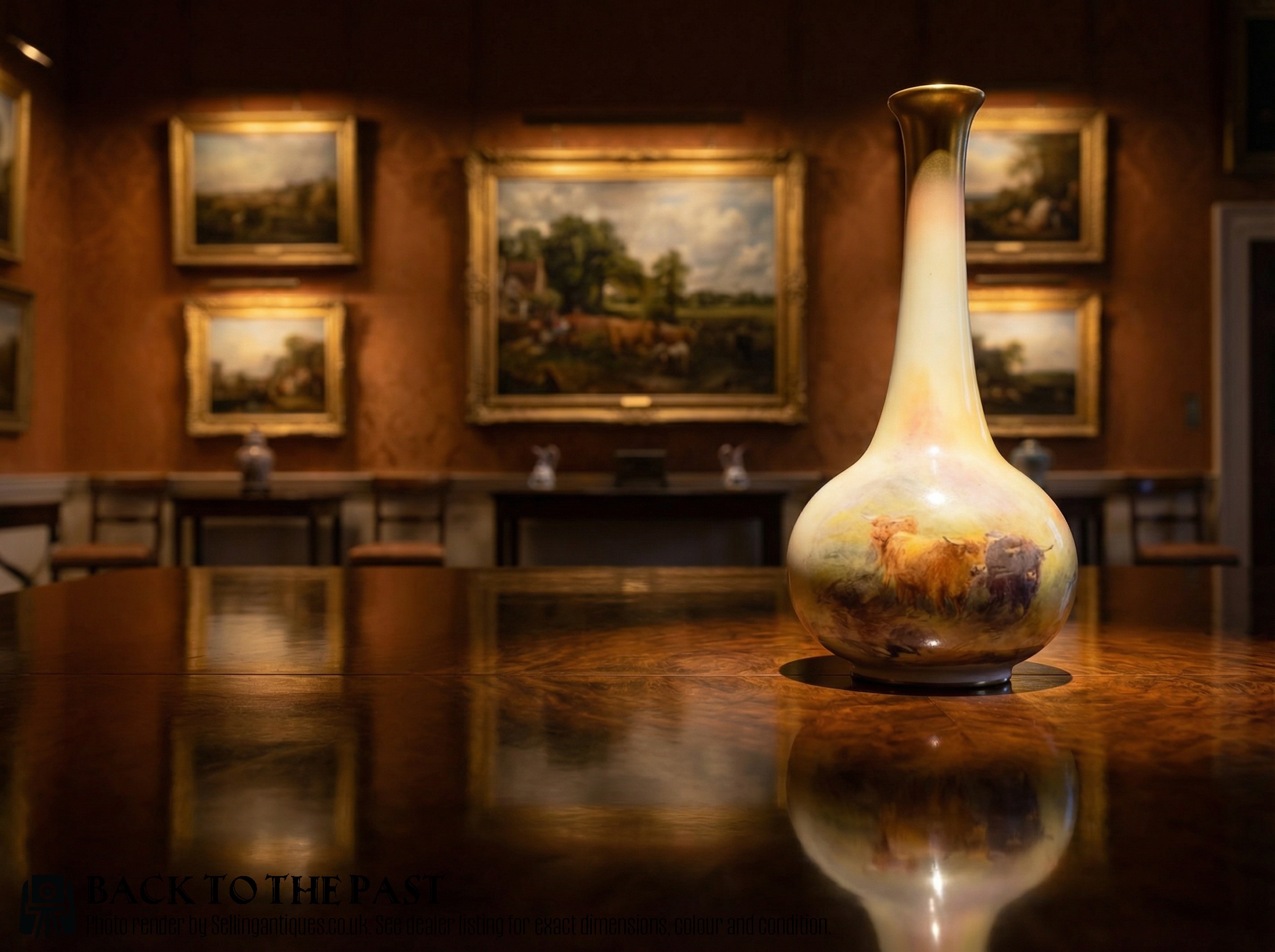
Painted Ceramic Vase
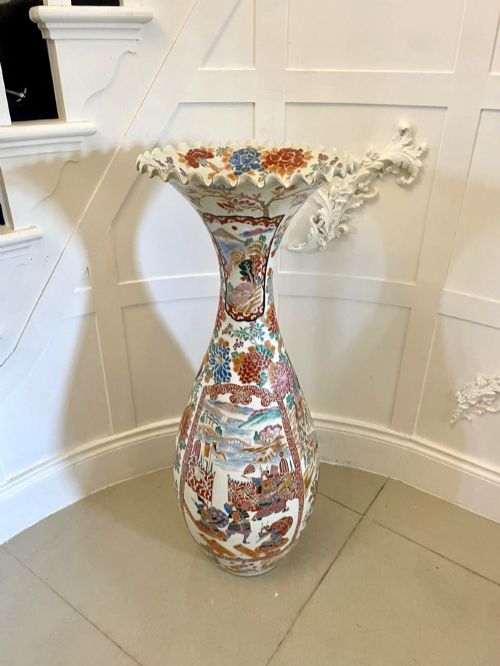
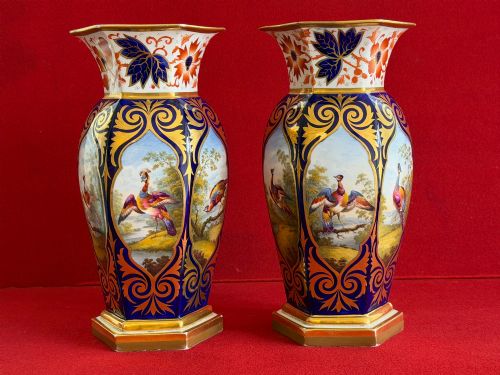
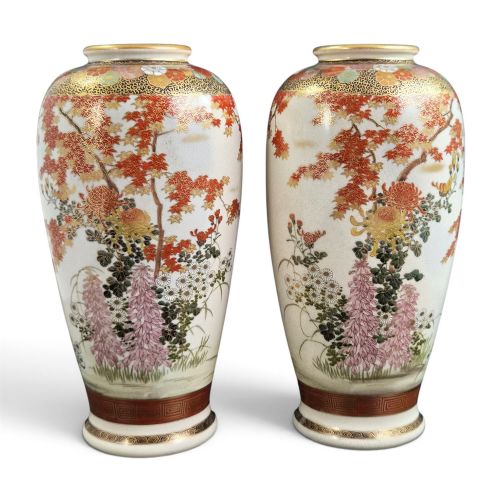
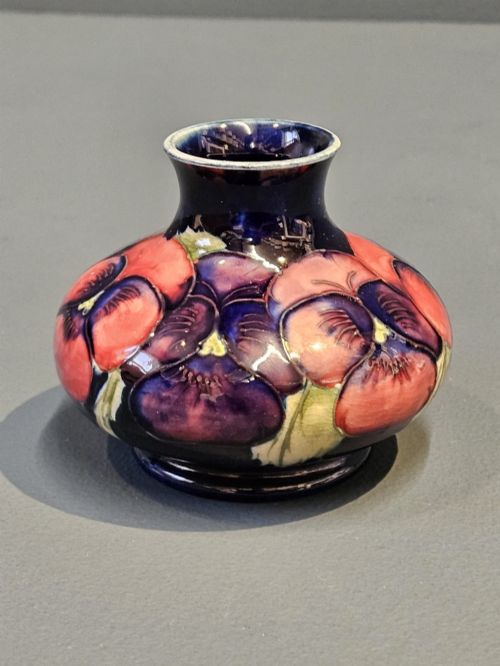
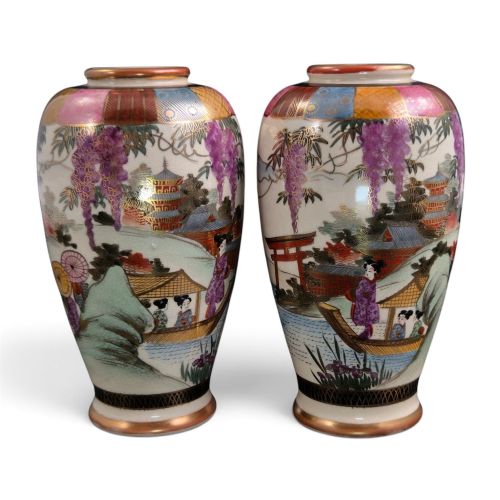
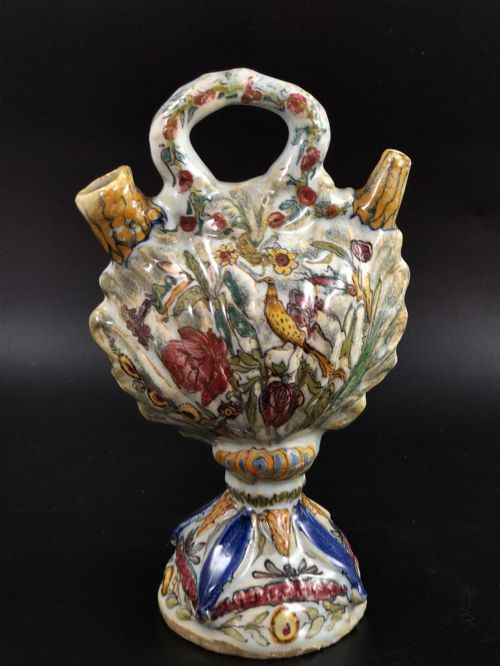
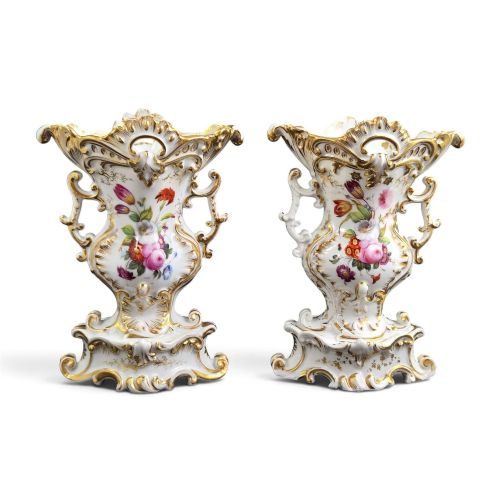
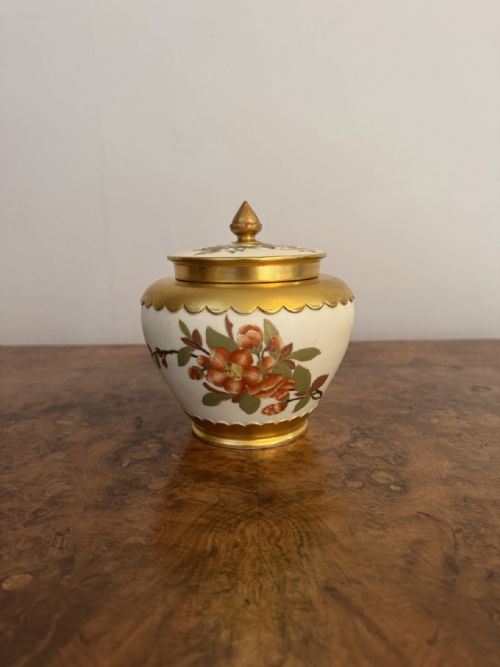
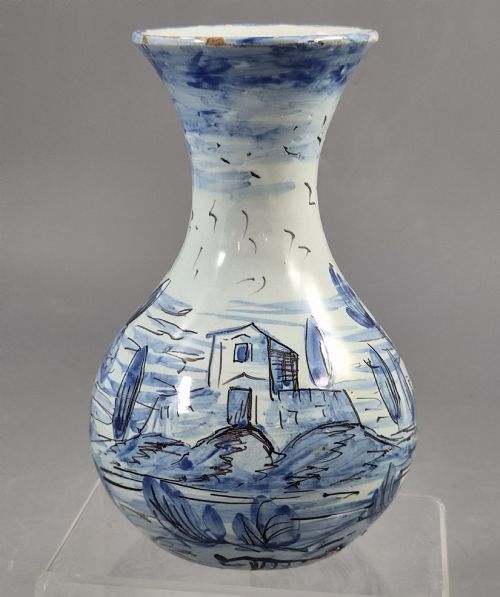
A painted ceramic vase spans multiple eras, ranging from eighteenth century Chinese porcelain and European delftware to nineteenth century Japanese Satsuma and Imari pieces. Buyers encounter various forms on this page, including floor standing vessels, ginger jars, garnitures, pilgrim flasks, and table lamps.
The selection includes specific regional works such as French faience, English Worcester porcelain, and Italian majolica. These items function as decorative focal points or table lamps, reflecting diverse stylistic influences like Rococo Revival, Art Nouveau, and Chinese Qing styles.
Materials and Technique
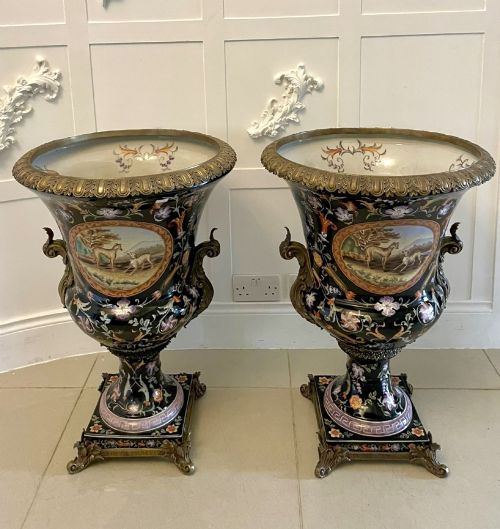
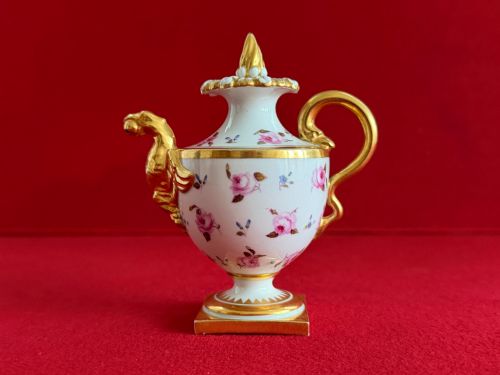
Potters shaped these objects using porcelain, earthenware, and faience, applying glazes and enamel colours directly to the ceramic body. Many items incorporate gilding, gold leaf, and brass mounts to accentuate handles, rims, and bases.
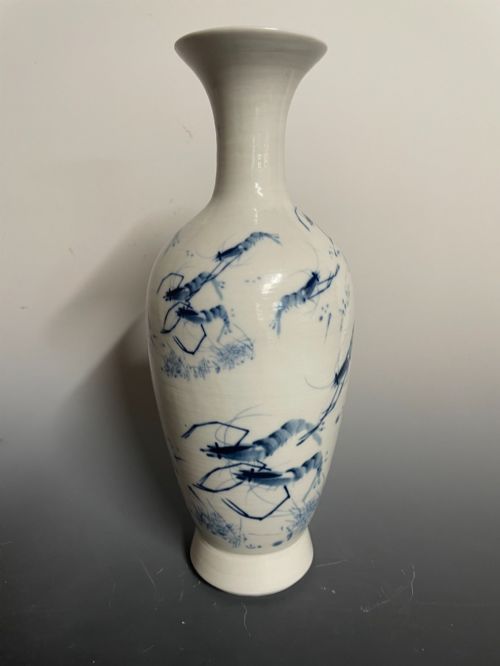
Decoration relies on hand painted techniques, utilising underglaze blue, copper-red, and polychrome pigments. Kiln firing sets these colours beneath or above the glaze, preserving the detailed floral, figural, and landscape motifs seen across the inventory.
Listings feature items spanning the seventeenth to the twentieth centuries, utilising porcelain, earthenware, and faience materials.
Distinctions in Execution
Quality rests in the precision of the brushwork and the complexity of the painted subject, distinguishing simple production ware from pieces bearing fine artist signatures or studio attribution. The clarity of the glaze and the crispness of gilded highlights further separate standard items from superior examples.
Proportion and physical scale also define the hierarchy, with large floor vases and matching pairs requiring greater technical control during the throwing and firing stages than smaller cabinet vessels.
Flight Barr And Barr·Moorcroft McIntyre·Royal Worcester·Fourmaintraux Courquin·Sitzendorf·Jacob Petit·Cantagalli·Maruni Kobe·Shozan
The Painted Ceramic Vase Glossary
- Satsuma
- A type of Japanese earthenware featuring a crackled ivory glaze decorated with intricate polychrome enamels and gilding. This pottery often depicts figures, landscapes, and floral patterns.
- Imari
- A style of Japanese porcelain characterised by a palette of underglaze blue, iron red, and added gold. The designs typically display dense floral and geometric panels.
- Majolica
- A tin-glazed earthenware developed in Italy and later adopted across Europe. This technique produces an opaque white surface suitable for vibrant painted decoration.
- Faience
- European tin-glazed pottery, particularly associated with French and Dutch production centres. It utilises earthenware bodies covered in a white enamel glaze before painting.
- Garniture
- A set of matching vases or jars designed to be displayed together on a mantelpiece or cabinet top. These sets usually consist of three or five graduated pieces.
Painted Ceramic Vase: Frequently Asked Questions
How do I clean an antique ceramic vase?
Dust the surface gently with a soft, dry brush to remove particulate matter without disturbing fragile enamels or gilding. Avoid using liquid cleaners or submerging pieces in water, particularly if they feature unglazed areas or historic repairs.
Keep the vessel away from direct sunlight and fluctuating temperatures to protect the painted pigments and underlying ceramic body from deterioration over time.
What is the difference between porcelain and earthenware?
Porcelain is fired at high temperatures using fine white clay, resulting in a dense, non-porous material that often rings when struck and appears translucent in thin sections. Earthenware is fired at lower temperatures using coarser clay, producing an opaque and more porous body that requires a glaze to hold liquids.
Both materials serve as bases for painted decoration, but porcelain generally offers a smoother, whiter canvas for intricate fine-line painting.
How do I identify the period of a Japanese Satsuma vase?
Examine the crackle pattern of the glaze and the style of the hand-painted figures, as Meiji period pieces often display dense gilding and fine detailing. Maker marks and studio signatures stamped or painted on the base provide direct reference to specific workshops and active production years.
Compare the weight and clay colour, noting that nineteenth-century export pieces frequently utilised lighter earthenware bodies than earlier regional wares.