



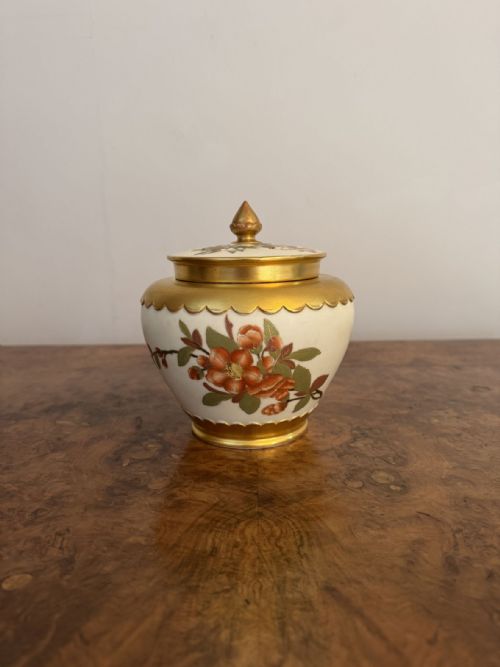

Painted Ceramic Pot
These painted ceramic pot selections bring together centuries of global artistry, offering vessels for tea, flowers, and display.
Painted Ceramic Pot
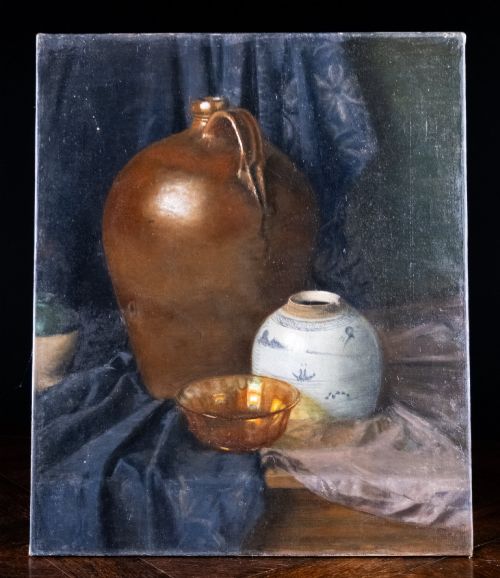
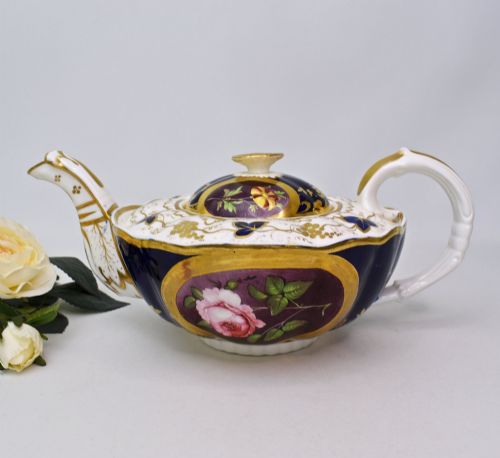
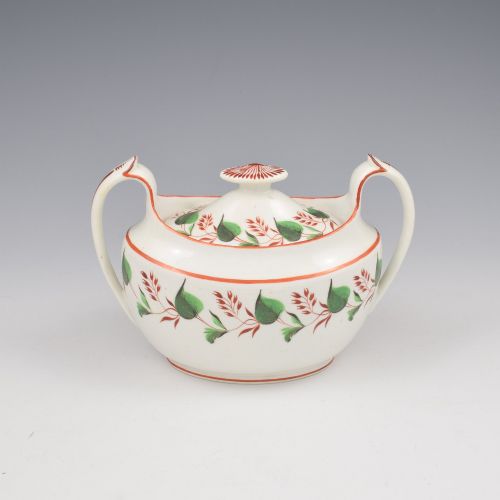
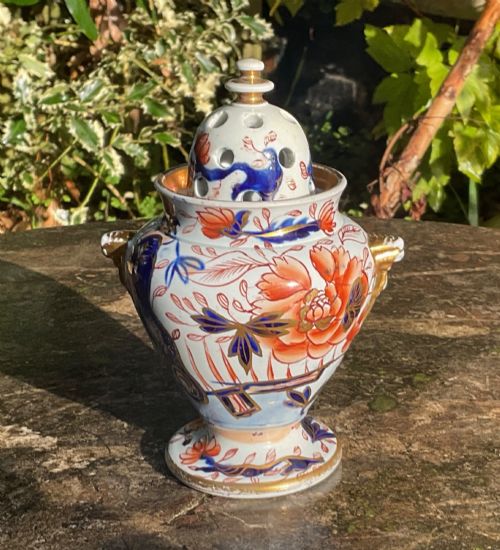
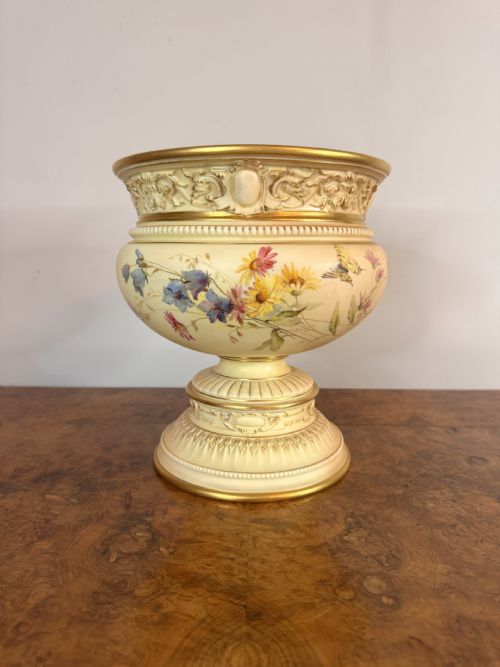
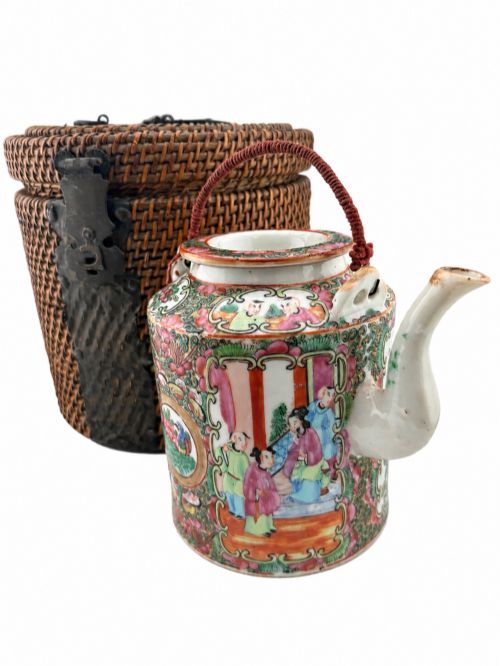
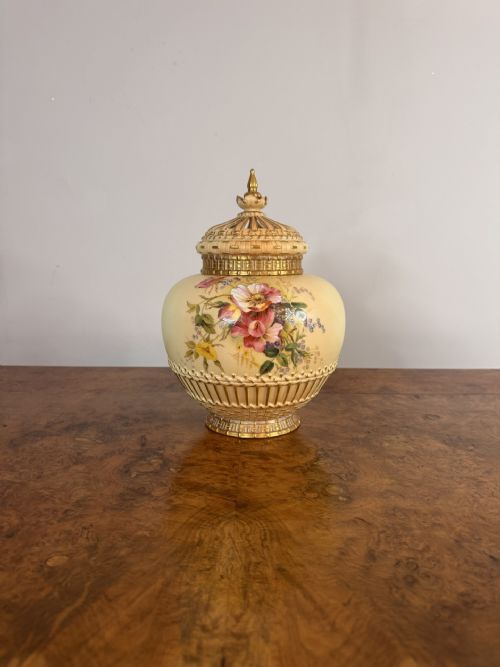
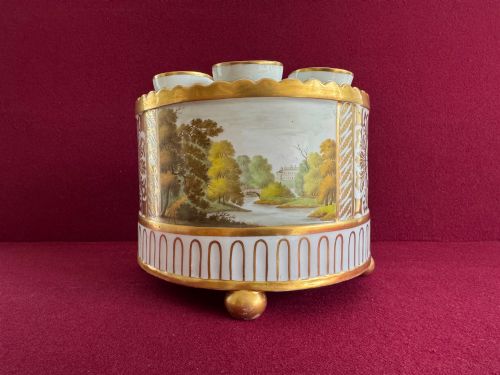
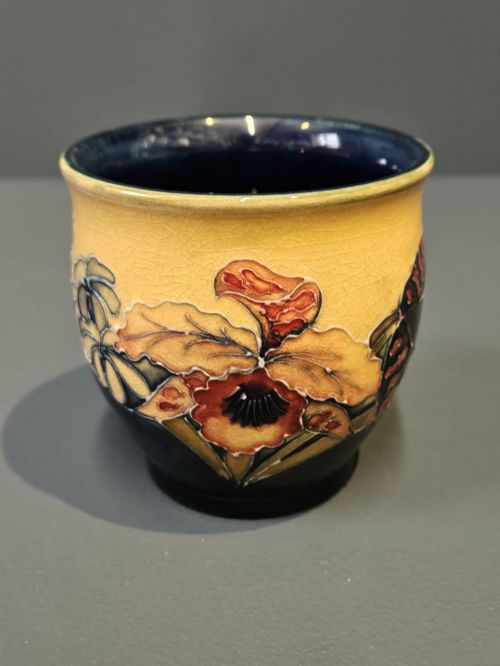
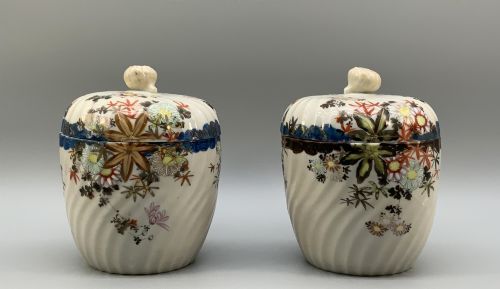
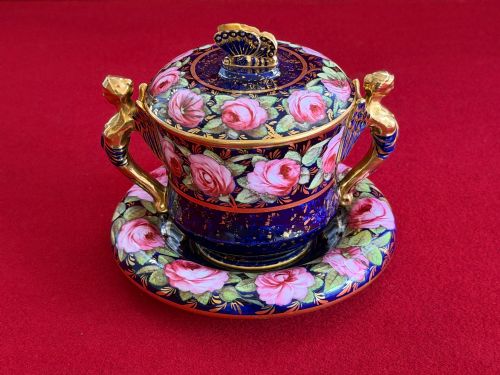
A painted ceramic pot encompasses diverse utility and decorative vessels produced across international kilns. Pieces range from large jardinieres and garden urns to domestic teapots, chocolate cups, and lidded potpourri jars.
The material composition spans traditional earthenware, creamware, pearlware, and delicate porcelain. Makers across English, French, Dutch, Chinese, and Japanese traditions applied pigments and glazes to shape these forms.
Examples cross multiple eras, extending from eighteenth-century Georgian designs through Victorian and Edwardian productions into early twentieth-century creations.
Materials and Techniques
Potters shaped clay bodies on wheels or cast them in moulds before applying hand-painted pigments directly to the surface. Many English and European pieces received underglaze blue painting or overglaze enamel decoration.
Surface enrichment frequently incorporated gilding, gold leaf, and intricate enamel work, requiring multiple firings in kiln heat. Glaze formulations provided a protective glossy finish over the painted ceramic material.
Painted Ceramic Pot Retail Price Guide 2026
Typical asking prices for painted ceramic pot among the pieces listed under this phrase on Sellingantiques today, from the lower quarter to the upper quarter. They describe what is for sale here now, not the wider market.
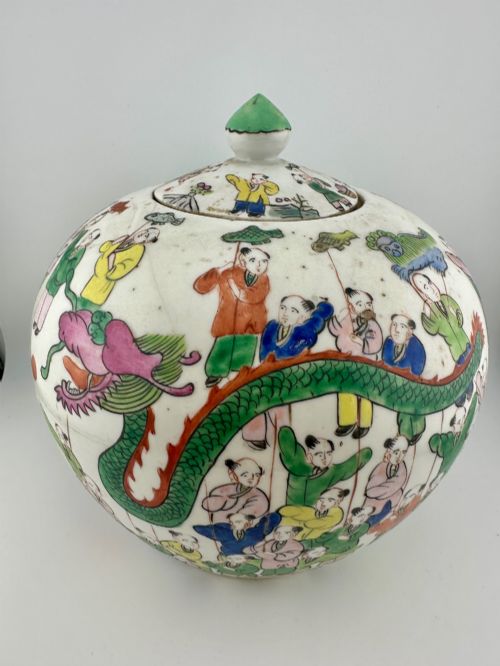
Some antique jars carry the marks of a hundred boys, a traditional Chinese motif intended to bring many sons and good fortune.
Assessing Craftsmanship and Detail
Quality rests upon the precision of the brushwork and the delicacy of the painted motifs. Superior examples display controlled, intricate hand-painted detail rather than mechanical transfer printing.
The crispness of the moulded form and the even application of glaze distinguish high-grade items. Harmony between the painted design and the ceramic shape dictates the overall success of the vessel.
Royal Worcester·Spode·Barr Flight and Barr·Kinkozan·Derby Porcelain
The Painted Ceramic Pot Glossary
- Famille Rose
- A palette of opaque enamels dominated by pink or rose colours, popular in Chinese porcelain decoration. This technique allowed for nuanced shading of floral and figural scenes.
- Jardiniere
- A large ornamental pot or stand designed to hold growing plants or flowers. These vessels often stand on floors or large tables.
- Creamware
- A refined fine earthenware developed in England during the eighteenth century with a warm yellowish cream hue. It provided a smooth surface suited for painted decoration.
- Koro
- A Japanese incense burner typically supported on legs and fitted with a pierced cover. These ceramic pieces frequently feature Satsuma or other traditional glazes.
- Potpourri
- A lidded vessel perforated to release the scent of dried flower petals stored within. These decorative jars often display elaborate gilding and painted floral motifs.
Painted Ceramic Pot: Frequently Asked Questions
What are painted ceramic pots used for?
These vessels served various domestic and decorative purposes ranging from brewing tea to housing indoor plants and holding dried scents. Many functioned as centrepieces for formal rooms.
Larger forms like jardinieres accommodated garden foliage, while smaller pots held sugar, chocolate, or potpourri.
How do I care for antique ceramic pots?
Dusting with a dry, soft cloth preserves delicate overglaze enamels and gold leaf details. Avoid harsh chemical cleaners that might degrade the painted surface.
Keep pieces away from direct sunlight to prevent fading in the coloured pigments and glazes over time.
How do I distinguish eighteenth-century pieces?
Early pieces often feature creamware bodies, tin-glazed earthenware, or soft-paste porcelain with hand-painted underglaze blue or early enamel palettes. Weight, potting thickness, and base characteristics provide clues to the era.
Markings, where present, help identify specific periods like the Georgian era or Chinese dynasties.
Where were these pots manufactured?
Production centres spanned English potteries in Worcester and Derby alongside European workshops in France and the Netherlands. Asian traditions contributed significant porcelain output from China and Japan.
Each region developed distinct clay bodies, potting techniques, and painting styles.