



Painted Botanical China
Painted botanical china brings carefully rendered flora to tableware, offering both naturalistic study and decorative elegance for the collector.
Painted Botanical China
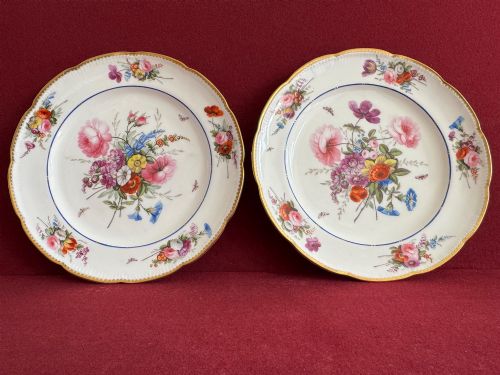
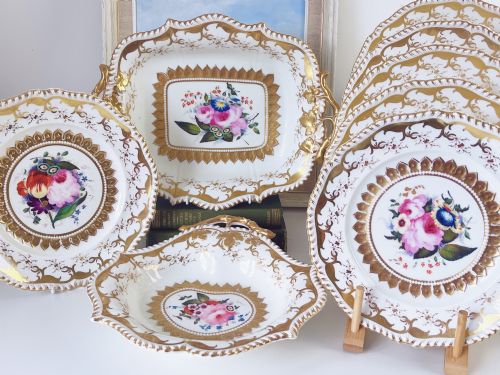
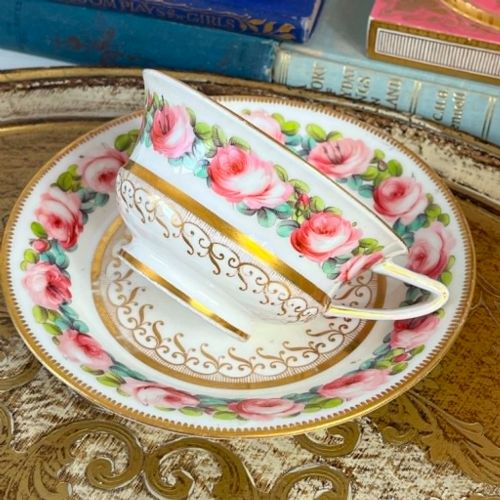
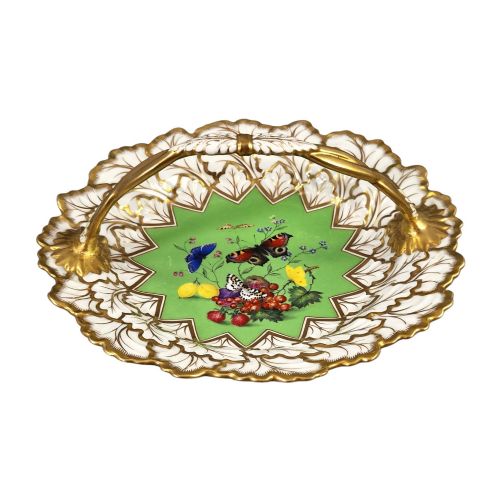
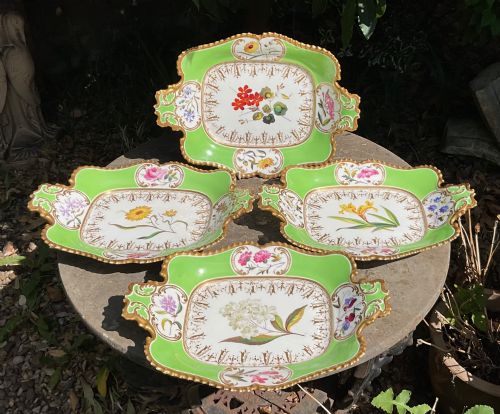
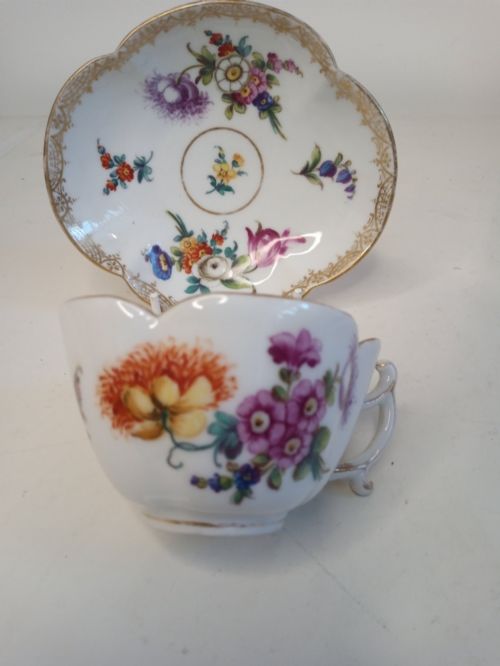
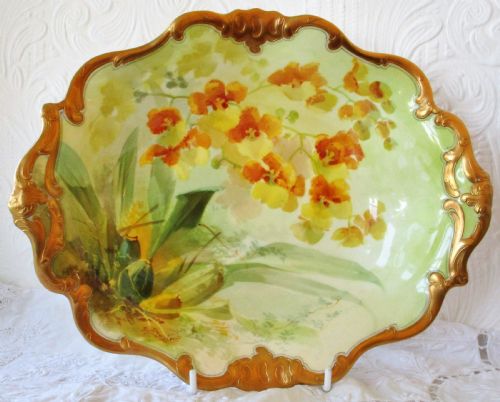
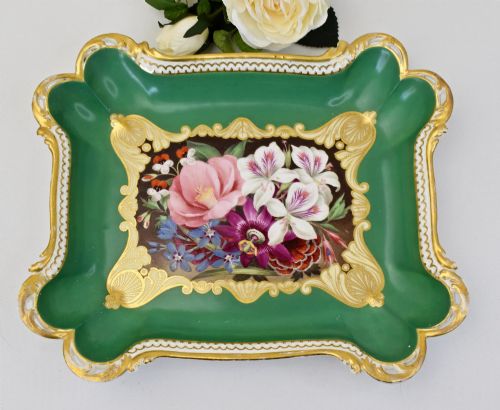
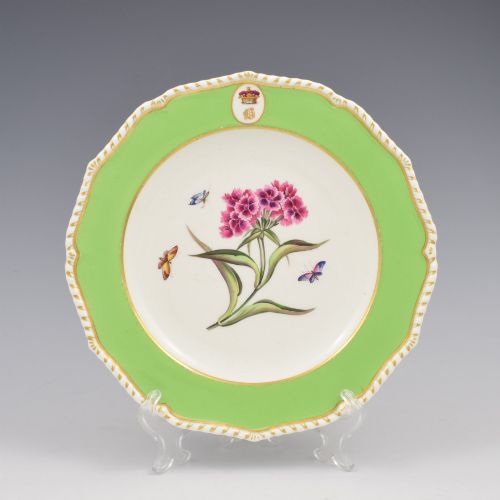
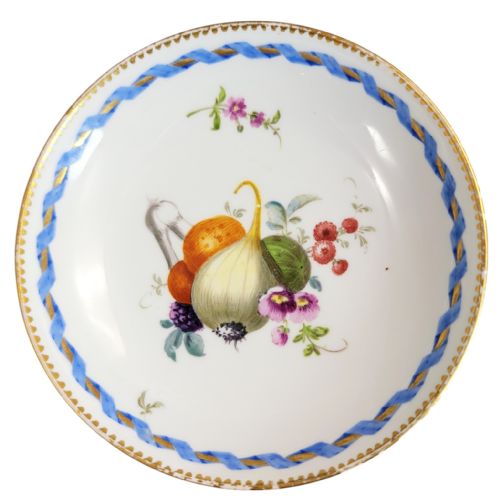
Painted botanical china comprises ceramic pieces decorated with detailed floral, plant, and avian motifs, spanning centuries of European and Asian production. When exploring painted botanical china on this page, buyers encounter domestic and display items ranging from cabinet plates to comprehensive dessert services.
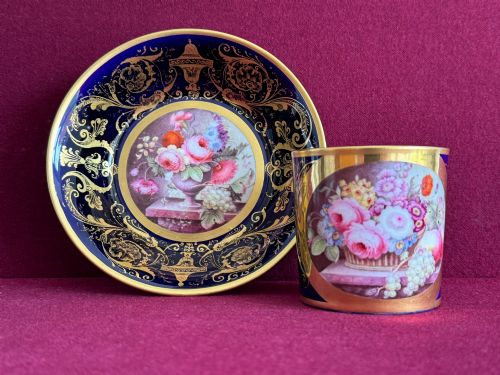
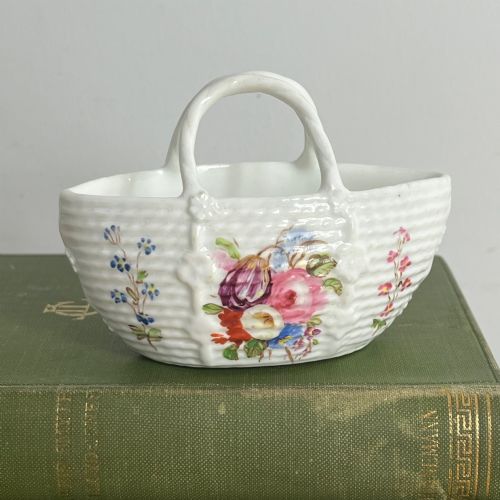
The selection includes wares originating from major English potteries alongside continental European factories like Meissen and Sèvres. Forms span from simple tea duos and saucers to large serving dishes, saucers, and baskets created for both utility and display.
Materials and Construction
Pieces in this category utilise various ceramic bodies including soft-paste porcelain, hard-paste porcelain, bone china, and felspar porcelain. Potters formed these grounds by throwing, pressing into moulds, or casting, creating the foundation for intricate surface decoration.
Makers applied handpainted enamel pigments directly onto the glazed surface, frequently accentuating designs with gold leaf and rich gilding. Firing fixed these enamels to the porcelain body, ensuring the botanical illustrations endured through subsequent centuries.
Listings feature porcelain, bone china, and soft-paste bodies decorated with handpainted botanical subjects across the eighteenth, nineteenth, and early twentieth centuries.
Assessing Quality and Execution
Quality in these ceramics rests primarily upon the precision and artistic merit of the handpainted botanical illustration. Master painters rendered specimens with botanical accuracy, capturing subtle shading in petals and leaves that lesser workshops executed with mechanical stiffness.
The sophistication of the porcelain body and the richness of the gilding further distinguish the tiers of production. Finely potted bone china or hard-paste porcelain paired with raised, burnished gold leaf elevates a piece far above standard commercial output.
Grainger Lee And Co·Flight Barr And Barr·Chamberlains Worcester·Royal Doulton·Doe And Rogers·Bloor Derby·Chelsea Derby·Spode·Coalport·Kornilov Brothers·Rockingham·Ridgway·Nantgarw·New Hall·Royal Crown Derby
The Painted Botanical China Glossary
- Bone china
- A type of soft-paste porcelain incorporating bone ash, developed in England to create a durable, brilliantly white ceramic body.
- Cabinet plate
- A decorative ceramic plate intended for display in a cabinet or on a wall rather than for practical dining use.
- Enamel
- Opaque or translucent glass-based pigments applied over the glaze of fired porcelain and fixed in a muffle kiln.
- Gilding
- The application of gold leaf or powdered gold to ceramic surfaces, used to line rims and highlight handles or painted panels.
- Dessert service
- A matching set of plates, dishes, and sometimes bowls and stands designed specifically for serving the final course of a formal meal.
Painted Botanical China: Frequently Asked Questions
How were these botanical designs applied?
Artists painted floral and botanical subjects directly onto glazed porcelain using coloured enamel pigments. Skilled painters captured accurate details of leaves, petals, and stems by hand.
Following the initial painting, pieces underwent a secondary firing in a kiln to permanently fuse the enamel colours to the glaze. Many items also received hand-applied gilding along their borders.
Can I use these plates for dining?
While these ceramics were originally created for dining and dessert courses, most collectors today treat them as decorative display items. The handpainted enamels and delicate gilding can wear with regular use and modern washing.
Items designated as cabinet plates or delicate porcelain baskets are best preserved on display stands or within cabinets. Sturdier serving dishes from the period saw heavier use in their original context.
How do I identify the period of a piece?
Dating relies heavily on factory marks stamped, painted, or impressed on the underside of the ceramic body. Stylistic indicators, such as Regency shapes or Art Nouveau motifs, also provide clues to the era of manufacture.
Matching the pattern names, painter signatures, and material compositions like bone china or felspar porcelain helps narrow down the decade of production. Reference guides detailing historical factory marks remain essential for precise attribution.