

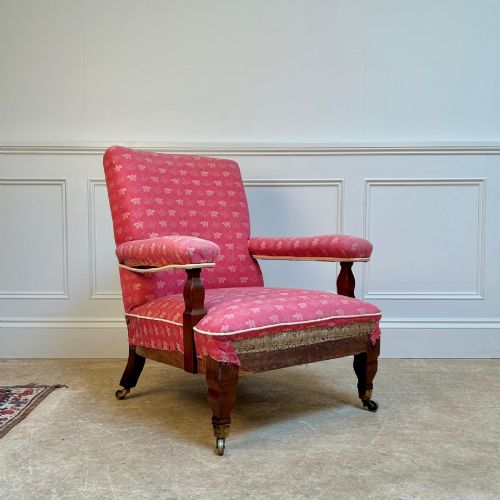
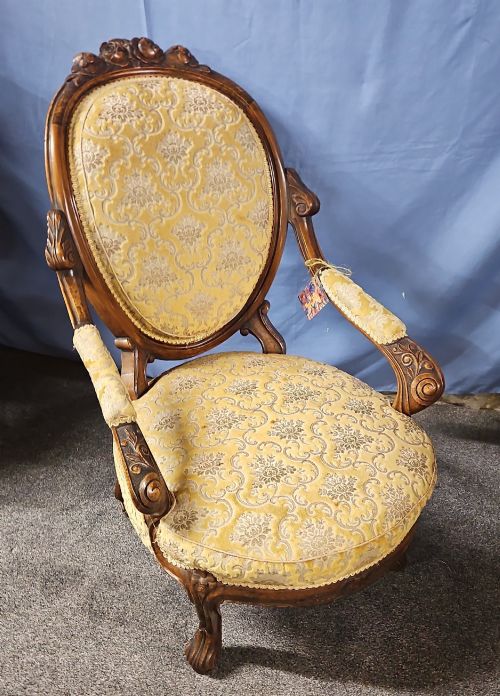

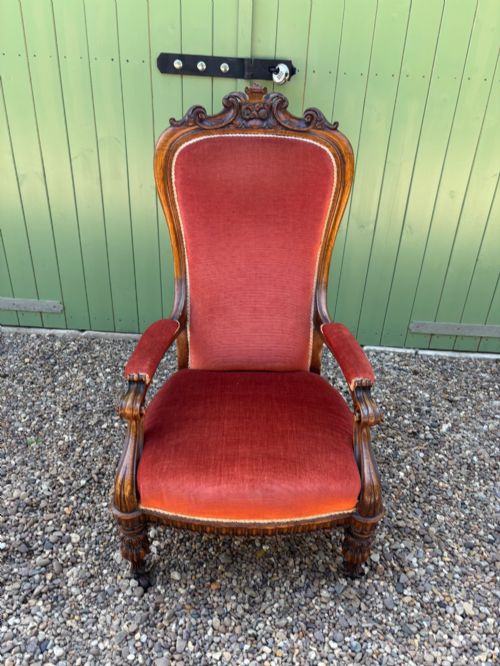
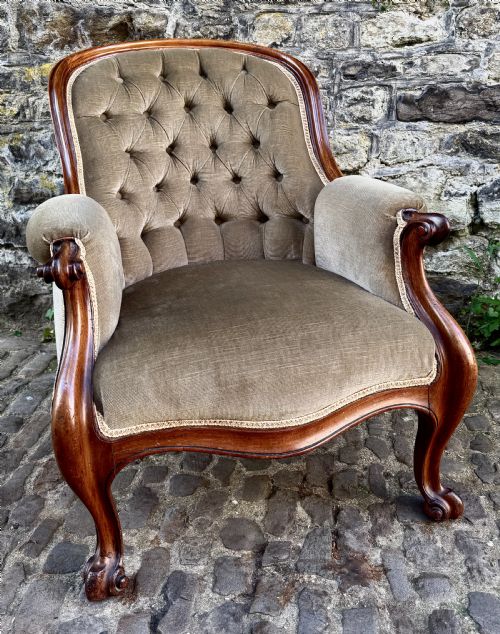
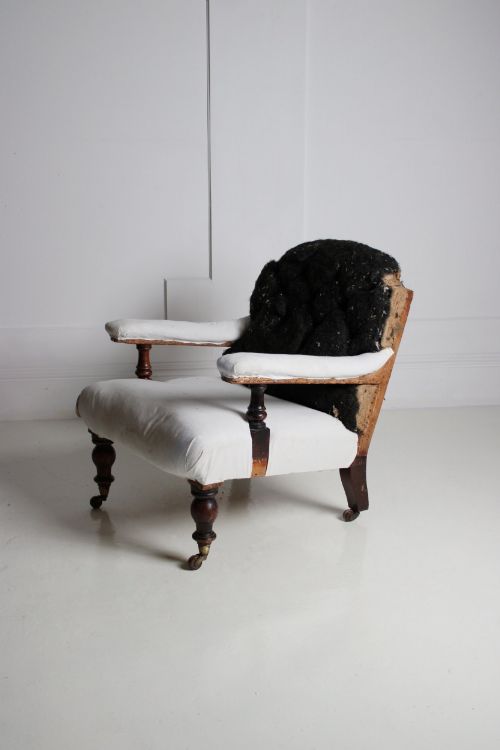
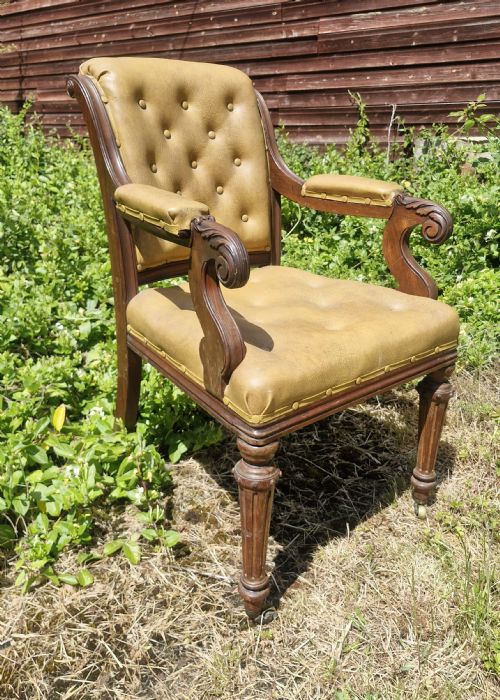

Padded Arm Chair
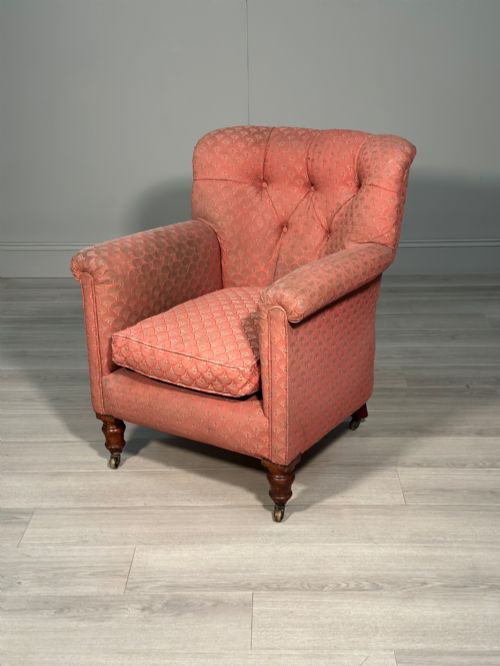
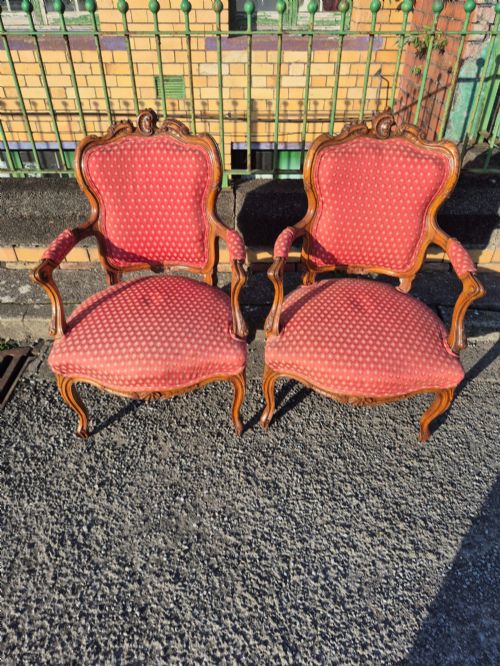
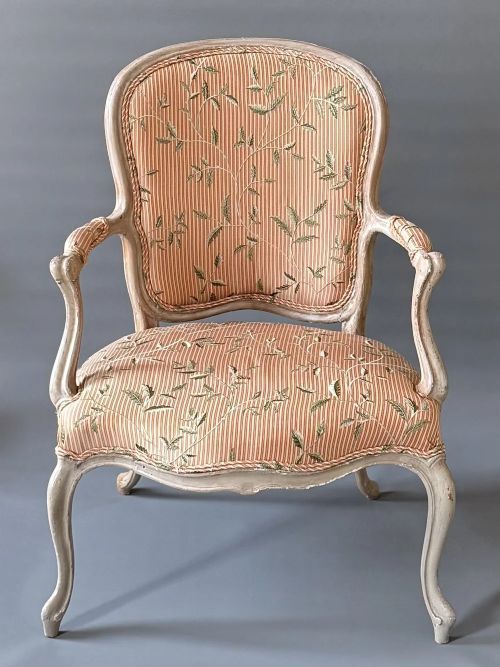
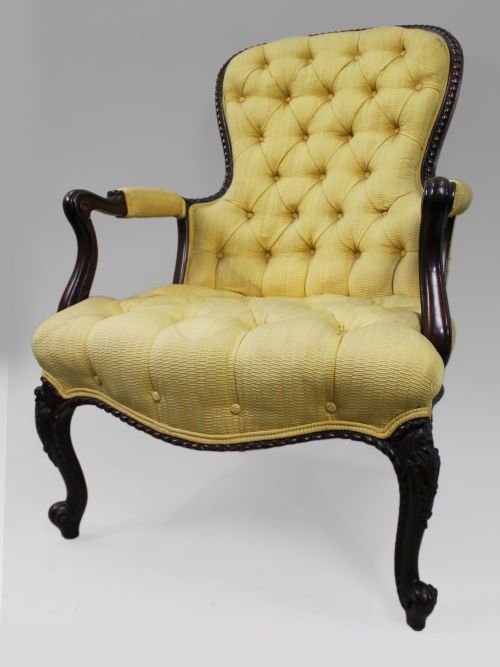
A padded arm chair brings solid timber frames and soft textile upholstery together, offering substantial comfort from the Georgian, Victorian, and later periods.

Padded Arm Chair
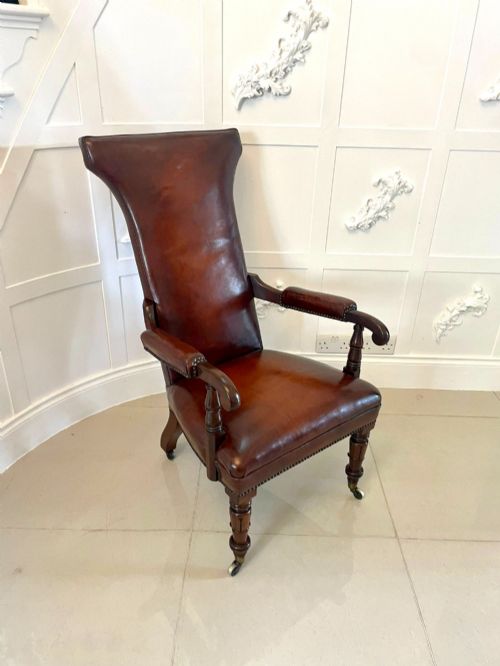
A padded arm chair encompasses a wide variety of seating forms designed for comfort, ranging from formal library library chairs and Gainsborough models to relaxed country house seating and French fauteuils. The selection spans several centuries, drawing heavily on Georgian craftsmanship, Victorian walnut and oak iterations, and later Edwardian interpretations.
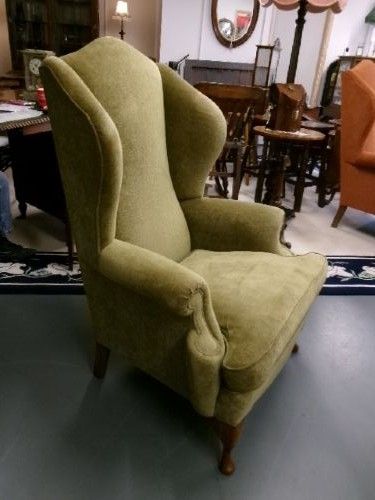
Buyers encountering this category will find pieces utilising diverse woods like mahogany, beech, walnut, and yew, often paired with silk, leather, velvet, or needlework covers. Whether looking for a compact salon seat or a generous wingback chair, the overarching purpose remains supportive, upholstered relaxation.
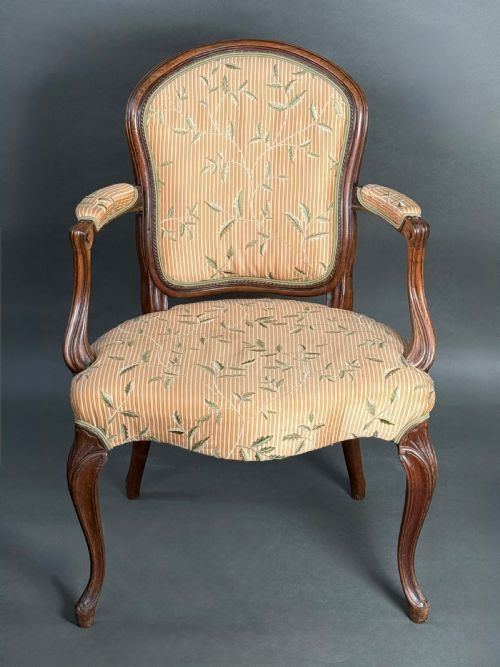
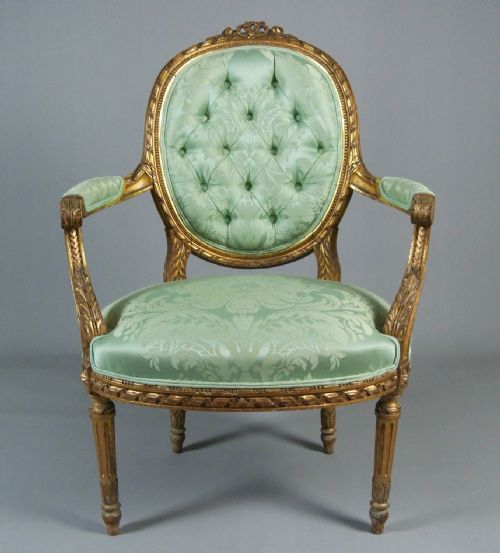
The typology extends beyond domestic sitting rooms into study spaces and bedrooms, incorporating desk armchairs, bergères with woven cane panels, and low end-of-bed seating. Each era leaves distinct stylistic markers, from George III carved mahogany frames to later revival pieces reflecting Louis XV and Louis XVI aesthetics.
Materials and construction methods
Makers constructed the structural frames of a padded arm chair using robust hardwoods such as mahogany, walnut, oak, beech, and yew, frequently shaping the timber to form open arms, show frames, or cabriole legs. Giltwood and painted finishes also appear on specific Continental and Sheraton period examples, adding decorative surface texture.
Upholstery relies on traditional textiles including silk, velvet, leather, and woven needlework covers, secured directly to the padded seats, backs, and armrests. Internal padding supports the user, whilst specific regional variations incorporate cane panels or exposed wooden splats alongside upholstered elements.
Padded Arm Chair Retail Price Guide 2026
Typical asking prices for padded arm chair among the pieces listed under this phrase on Sellingantiques today, from the lower quarter to the upper quarter. They describe what is for sale here now, not the wider market.
Listings feature timber frames in mahogany, walnut, oak, beech, and yew, spanning Georgian, Victorian, and Edwardian periods.
Distinctions in craftsmanship and design
Quality in a padded arm chair rests primarily on the integrity of the timber frame, the precision of carved details such as show frames or cabriole legs, and the proportion of the silhouette. Finer examples display crisp hand-carving and choice hardwoods like solid mahogany or walnut rather than simpler secondary woods.
The treatment of the upholstery and the harmony between the textile and the wooden frame further separate standard production from superior work. Original paint surfaces, high-grade silk or leather covers, and thoughtful period textiles elevate the standing of an individual seat.
Thomas Chippendale·Morris & Co
The Padded Arm Chair Glossary
- Gainsborough chair
- A wide, upholstered armchair with an open-framed mahogany or walnut structure, designed during the Georgian period for libraries and writing desks.
- Fauteuil
- An open-armed French armchair featuring an exposed wooden frame, typically carved in styles associated with Louis XV or Louis XVI periods.
- Bergère
- An enclosed armchair with upholstered back and sides, often featuring woven cane panels on the arms and back frame.
- Wingback chair
- A high-backed seat featuring protective wings designed to shield the user from draughts, prevalent in Georgian and Victorian domestic interiors.
- Show frame
- A wooden structural framework left exposed around the upholstered portions of a chair to display the quality of the timber and carving.
Padded Arm Chair: Frequently Asked Questions
What defines a Gainsborough armchair?
A Gainsborough armchair is a wide, open-framed seat featuring upholstered armrests, a padded back, and a low seat designed primarily for writing desks and libraries during the Georgian era.
These pieces typically display mahogany frames with straight or slightly cabriole forelegs, distinguishing them from fully enclosed upholstered wingback chairs.
How do French fauteuils differ from English armchairs?
French fauteuils are characterised by exposed, finely carved wooden frames constructed from walnut or beech, following stylistic eras such as Louis XV and Louis XVI. They generally feature curved lines, padded armrests, and decorative show frames.
English equivalents from similar periods often prioritise heavier timbers like mahogany and distinct regional joinery traditions.
What is a bergere armchair?
A bergere is an enclosed upholstered armchair that frequently incorporates woven cane panels along the sides and back frame. Originating in France, these chairs often feature loose squab cushions for added seating comfort.
They emerged strongly during the 18th and 19th centuries, offering a lighter visual appearance than heavy upholstered wingbacks.
Where were library armchairs used?
Library armchairs were positioned in private studies, libraries, and morning rooms of large country houses for reading and writing. Their generous proportions and padded arms provided sustained comfort during long periods of study.
They were built using durable hardwoods like oak, mahogany, and walnut to withstand regular daily use in domestic settings.